Vocabulary Building Letter Recognition Worksheets for Ages 4-7
3 filtered results
-
From - To
Enhance your child's literacy skills with our engaging Vocabulary Building Letter Recognition Worksheets, designed specifically for ages 4-7. These worksheets foster essential letter recognition and vocabulary development through fun and interactive activities. Each worksheet features vibrant illustrations and age-appropriate exercises, helping young learners connect letters to their corresponding sounds and words. By reinforcing vocabulary through letter recognition, children will build a strong foundation for reading and communication. The worksheets are easy to download and print, making learning accessible and convenient. Encourage curiosity and confidence in your child's reading journey with our thoughtfully crafted resources that make learning enjoyable!
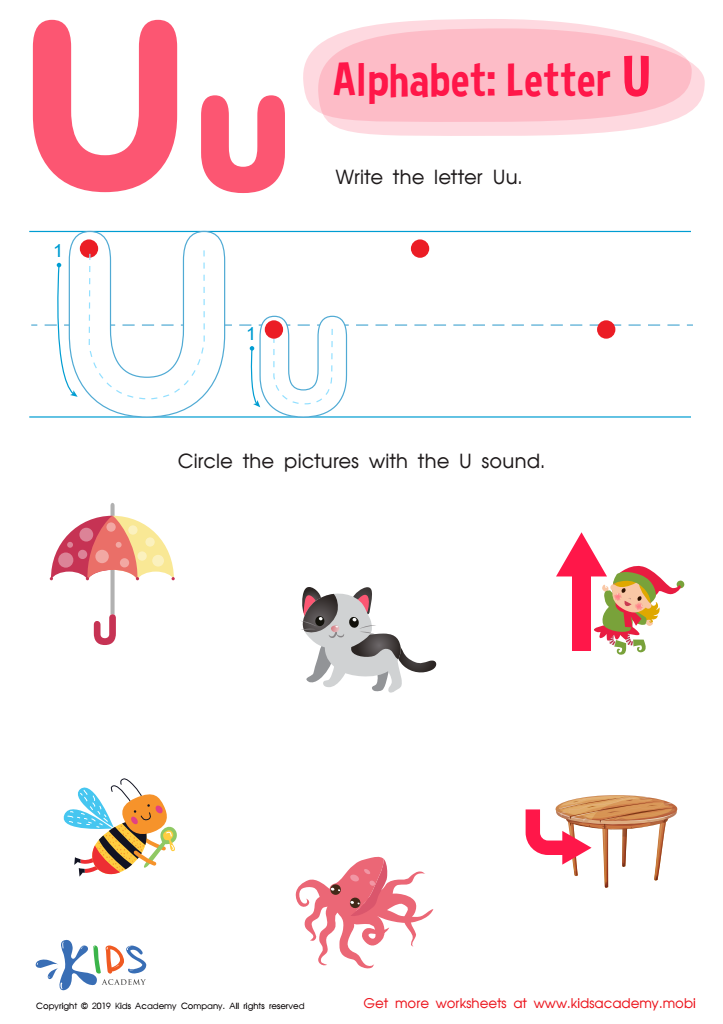
Letter U Tracing Worksheet
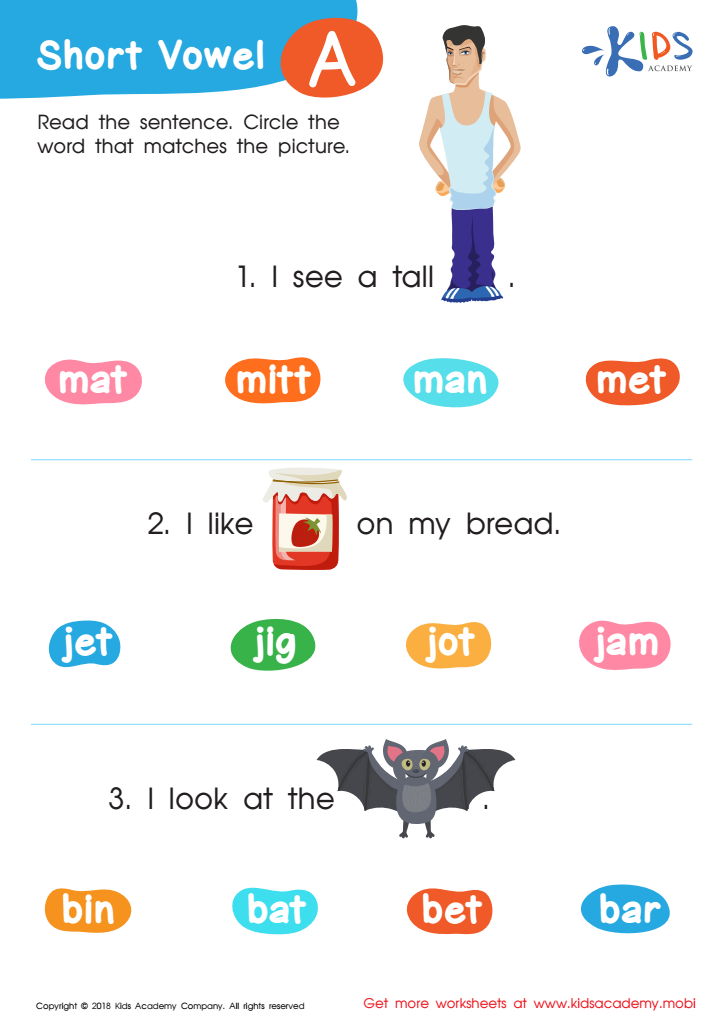
Short Vowel /a/ Worksheet
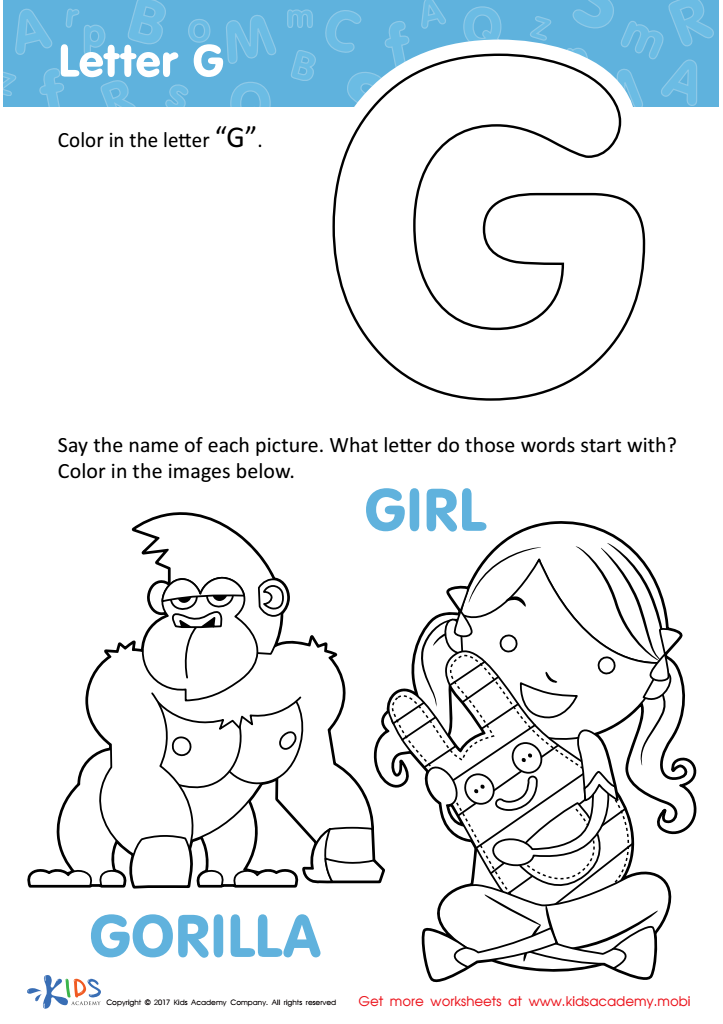
Letter G Coloring Sheet
 Assign to My Students








Building vocabulary and letter recognition in children aged 4-7 is crucial as it lays the foundation for their literacy skills. During these formative years, children are rapidly developing cognitive abilities, and they are particularly receptive to learning new words and concepts. A rich vocabulary enables them to express themselves more effectively, enhancing their communication skills, which foster healthy relationships and social interactions.
Letter recognition is also a pivotal component of early literacy. When children can identify letters, they can begin to understand that these symbols represent sounds, forming the groundwork for reading fluency. This knowledge not only supports their reading development but also boosts their confidence in tackling more complex language tasks.
Furthermore, studies show a direct correlation between vocabulary size and academic achievement later in life. Parents and teachers who prioritize vocabulary building activities and letter recognition exercises are investing in their child’s future success. Engaging in playful learning, such as reading together, playing word games, and exploring sounds and letters, enriches the child's educational experience. In sum, sharpening both vocabulary and letter recognition aligns with essential educational goals, creating confident learners who are well-prepared for ongoing academic challenges.







