Spelling practice Long And Short Vowel Worksheets for Ages 4-7
5 filtered results
-
From - To
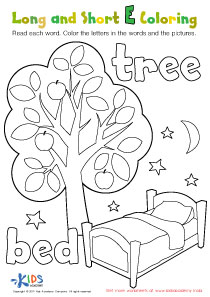
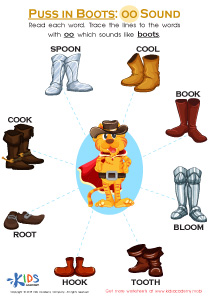
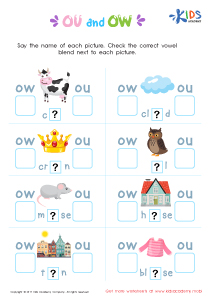
Welcome to our Spelling Practice worksheets focused on Long and Short Vowels, designed specifically for children ages 4-7. These engaging and interactive resources help young learners master the critical distinction between long and short vowel sounds. Each worksheet features fun activities, including word sorting, fill-in-the-blanks, and phonetic exercises, making learning enjoyable and effective. Our carefully crafted materials promote literacy development and enhance spelling skills while catering to various learning styles. Empower your child’s reading journey and boost their confidence with our comprehensive spelling worksheets that turn practice into play. Explore our collection today and watch their skills flourish!
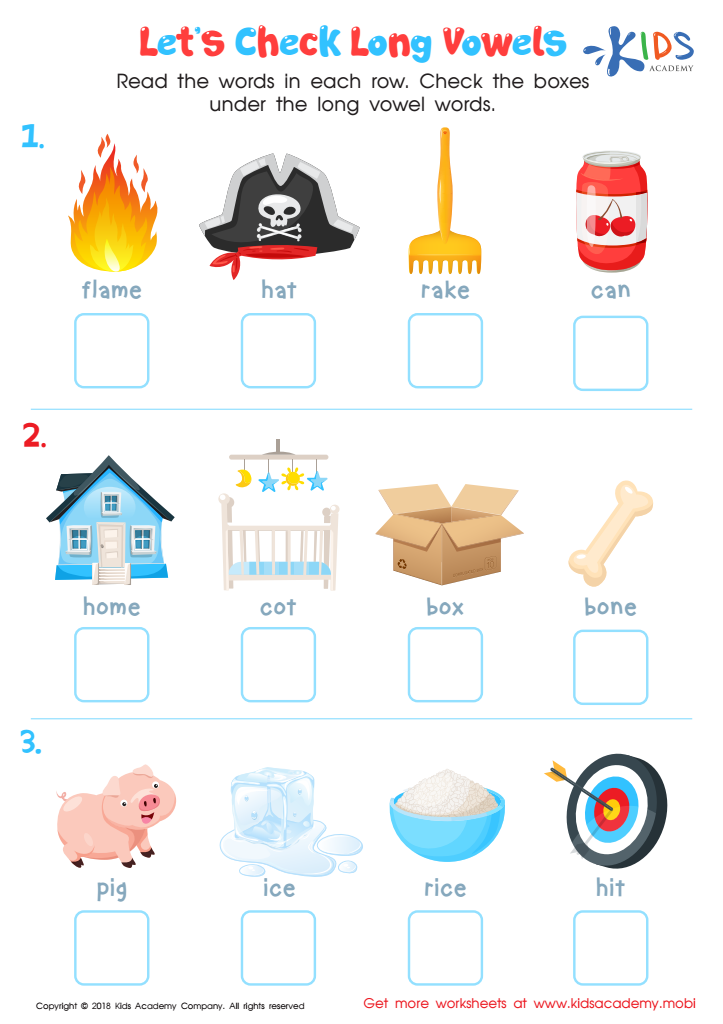
Let's Check Long Vowels: Assessment Worksheet
 Assign to My Students
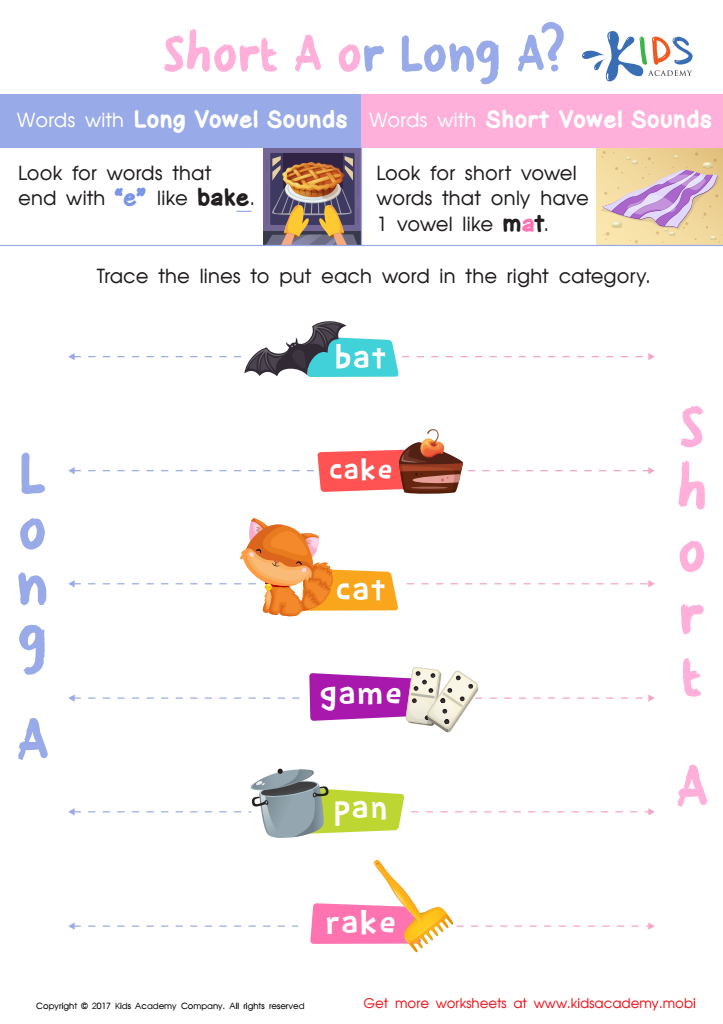
Short /a/ or Long /a/? Worksheet
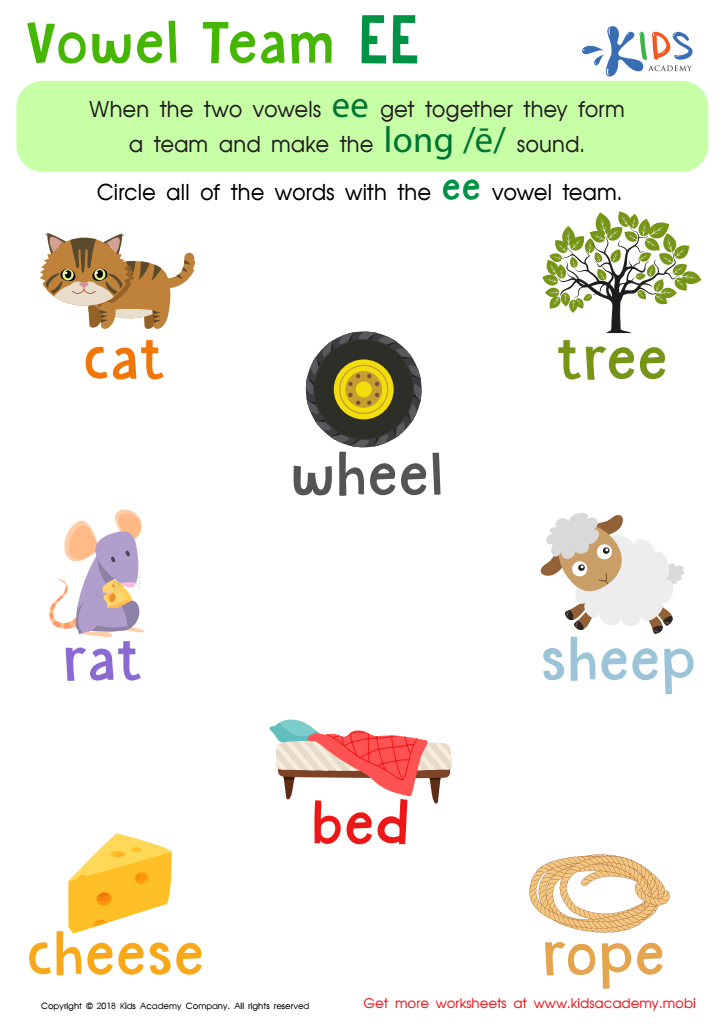
Reading: Vowel Team EE Worksheet
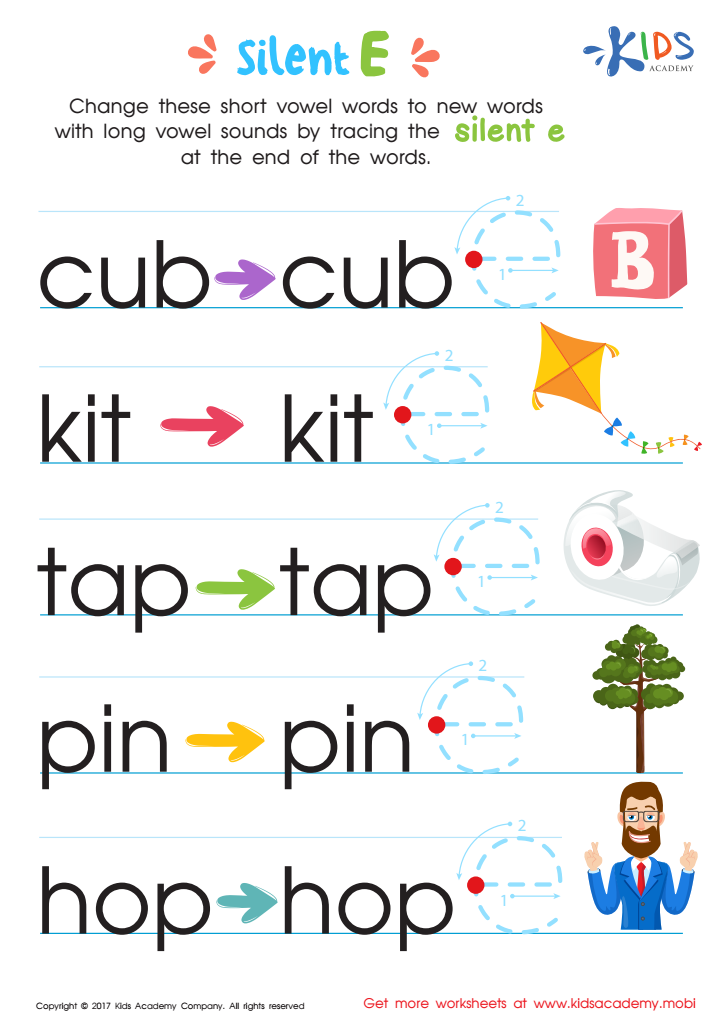
Silent E Words Worksheet
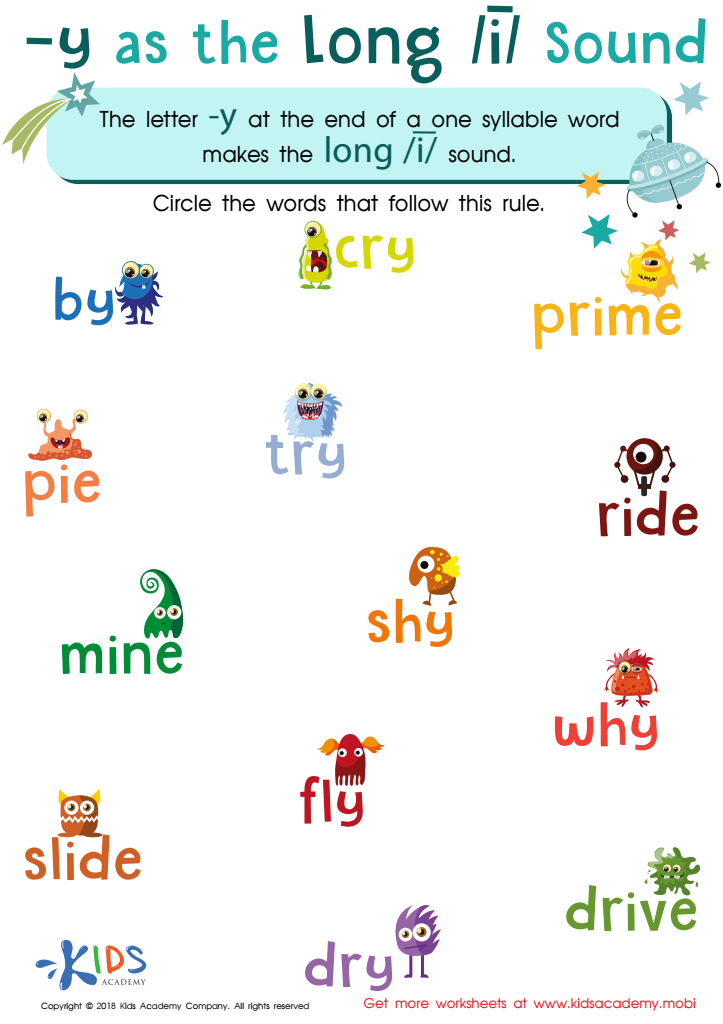
Reading: Y as Long I Worksheet




Spelling practice using long and short vowels is crucial for children aged 4-7 as it lays the foundation for literacy and effective communication skills. During these formative years, kids are beginning to understand the mechanics of language, and mastering vowel sounds significantly aids in their reading and writing development.
First, recognizing and differentiating between long and short vowels helps kids decode words more efficiently, enhancing their reading fluency. In turn, this fluency boosts confidence, encouraging a love for reading. Furthermore, understanding vowel patterns equips children with essential spelling skills, which are vital for their writing competence.
Additionally, strong spelling skills foster better comprehension. When children can spell and recognize words, they can concentrate on understanding the content instead of grappling with word decoding. This is particularly important as they engage with increasingly complex texts.
Moreover, consistent practice of long and short vowels in spelling reinforces phonemic awareness—a critical skill for all future language proficiency. It helps children understand the sounds of letters and how they combine to form words, which is foundational for their overall academic success.
In summary, prioritizing spelling practice for long and short vowels enriches children's language abilities and sets them on a path to lifelong learning and communication.