Letter-sound association Tracing Letters Worksheets for Ages 4-7
5 filtered results
-
From - To
Discover our engaging "Letter-Sound Association Tracing Letters Worksheets" designed specifically for children ages 4-7! These interactive worksheets provide a fun and effective way for young learners to master letter recognition and phonetic sounds. By tracing letters and associating them with pictures, children enhance their fine motor skills while reinforcing their understanding of the alphabet. Ideal for parents and educators, these worksheets cater to different learning styles, ensuring a personalized learning experience. Foster a love for reading and writing in your child as they practice this essential skill through playful and creative activities. Start their educational journey today!
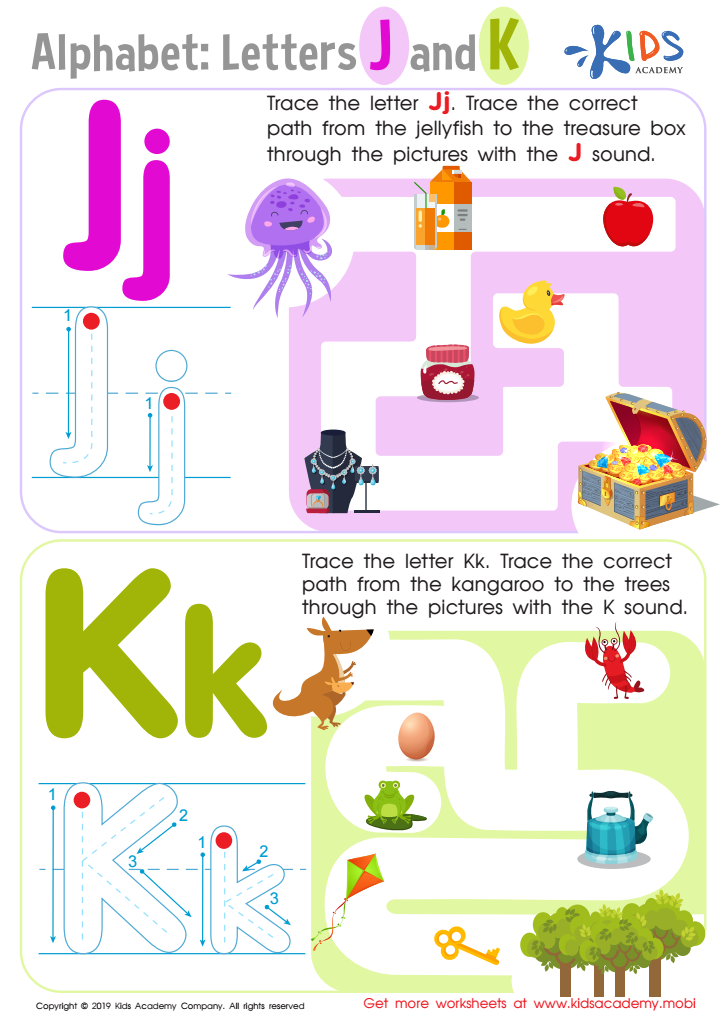
Letters J and K Tracing Worksheet
 Assign to My Students
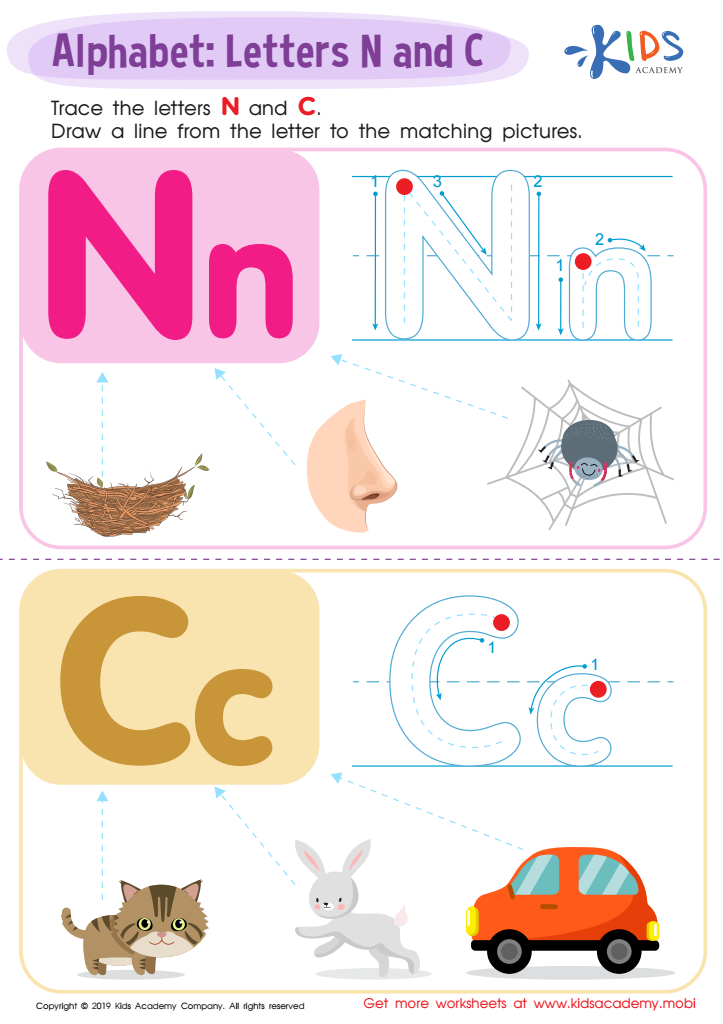
Letter N and C Tracing Worksheet
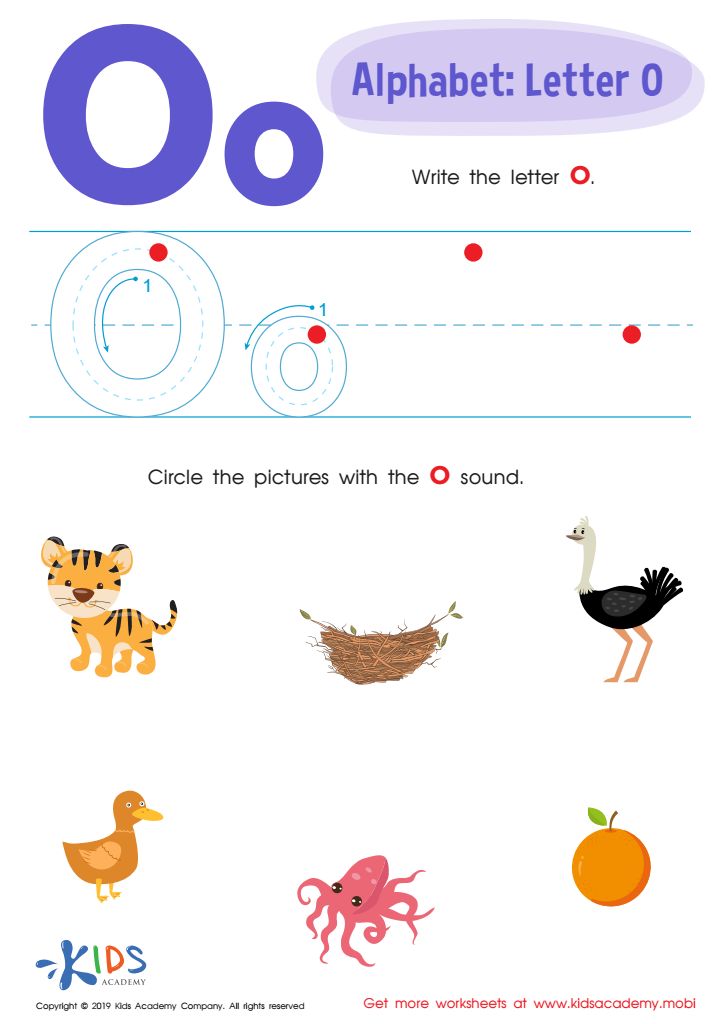
Letter O Tracing Worksheet

Lowercase Letters m n o Worksheet
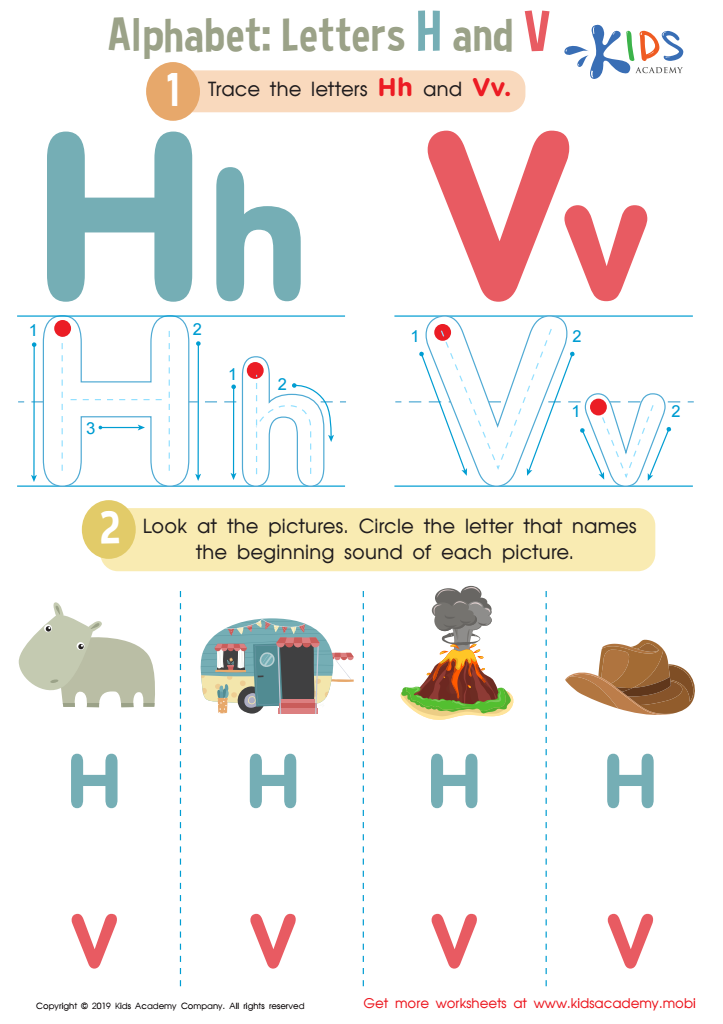
Letters H and V Tracing Worksheet








Letter-sound association and tracing letters are foundational skills critical for early literacy development in children aged 4 to 7. Parents and teachers should prioritize these activities because they significantly enhance a child's ability to read and write. Understanding the connection between letters and their corresponding sounds lays the groundwork for phonemic awareness, which is essential for decoding words.
Tracing letters helps children develop fine motor skills, improving their handwriting and coordination. It engages their sensory-motor processes and reinforces learning through repetition. This hands-on experience solidifies memory retention and fosters confidence in their abilities.
Moreover, engaging in letter-sound association can stimulate cognitive development. It encourages critical thinking as children learn to distinguish between different letters and sounds, honing their ability to analyze and synthesize information. Collaborative activities between parents and children can also strengthen relationships and create a supportive learning environment.
By investing in these early literacy skills, parents and teachers not only equip children with essential tools for academic success but also instill a lifelong love for reading and learning. This investment plays a pivotal role in enhancing cognitive development, leading to more profound educational outcomes as they progress in their academic journey.








