Letter Tracing Practice Tracing Letters Worksheets for Ages 4-7
5 filtered results
-
From - To
Boost your child's writing skills with our engaging "Letter Tracing Practice" worksheets, designed for ages 4-7. These fun and interactive materials help young learners master the alphabet through guided tracing, enhancing their letter recognition and fine motor skills. Each worksheet features both uppercase and lowercase letters, ensuring a comprehensive learning experience. Perfect for preschool and early grade education, our resources make practicing letter formation enjoyable. Encourage your child’s creativity and confidence as they trace and learn! Visit our website to explore a variety of beautifully illustrated worksheets that turn letter tracing into a playful adventure. Start learning today!
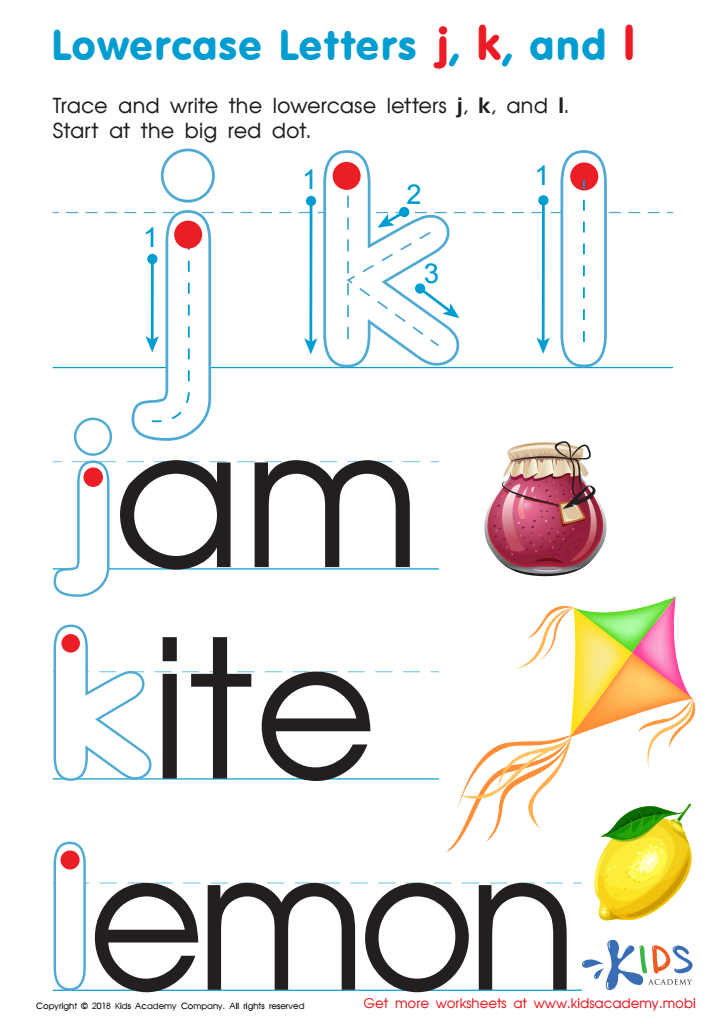
Lowercase Letters j k l Worksheet
 Assign to My Students
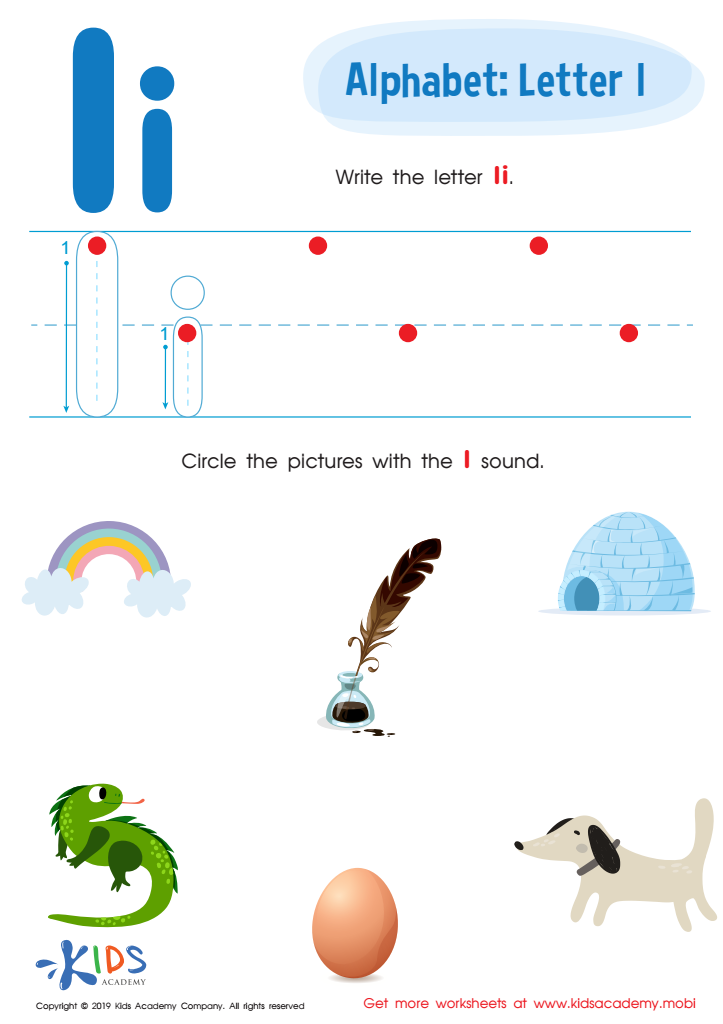
Letter I Tracing Worksheet
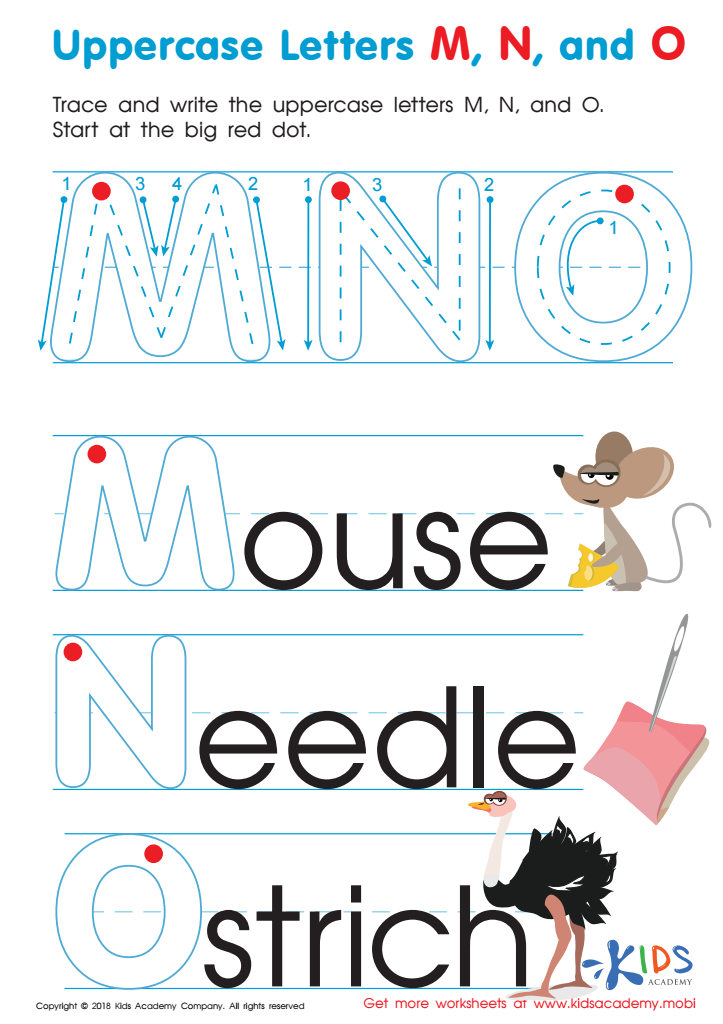
Uppercase Letters M, N, and O Worksheet
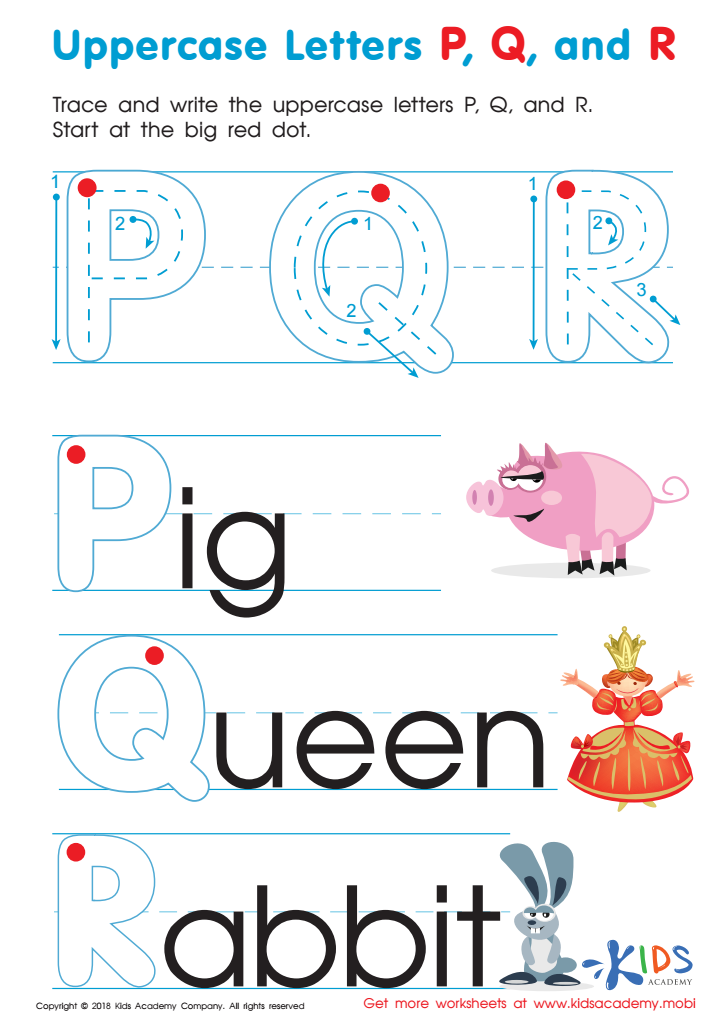
Uppercase Letters P, Q, and R Worksheet
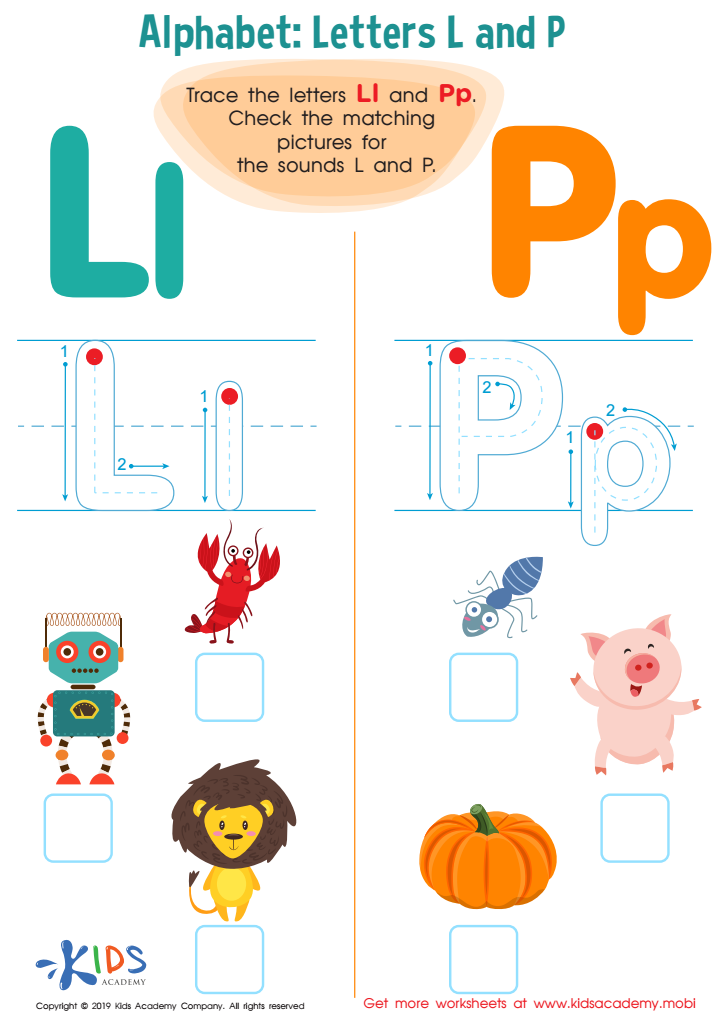
Letter L and P Tracing Worksheet








Letter tracing practice is crucial for children aged 4-7 as it lays a foundational skill for writing and literacy development. At this stage, children's fine motor skills are still developing, and tracing letters helps enhance their hand coordination and dexterity. This physical engagement with letters aids in memory retention, making it easier for children to recognize and recall letters when reading and writing independently.
Moreover, tracing letters reinforces the shapes and sounds of letters, bridging the gap between phonics and writing. Parents and teachers should prioritize this practice as it fosters a child's self-confidence; improving their writing skills can boost their willingness to engage in literacy activities.
Letter tracing also encourages children to focus on proper letter formation and spacing, critical aspects of good handwriting that will benefit them in future academic endeavors. Through consistent practice, children develop perseverance and a sense of achievement, important traits for lifelong learning.
Ultimately, supporting letter tracing activities can cultivate a love for writing and reading in young learners, setting the stage for both academic success and a positive attitude toward learning as they progress through school.








