Alphabet sequencing Upper & Lowercase Letters Worksheets for Ages 4-7
4 filtered results
-
From - To
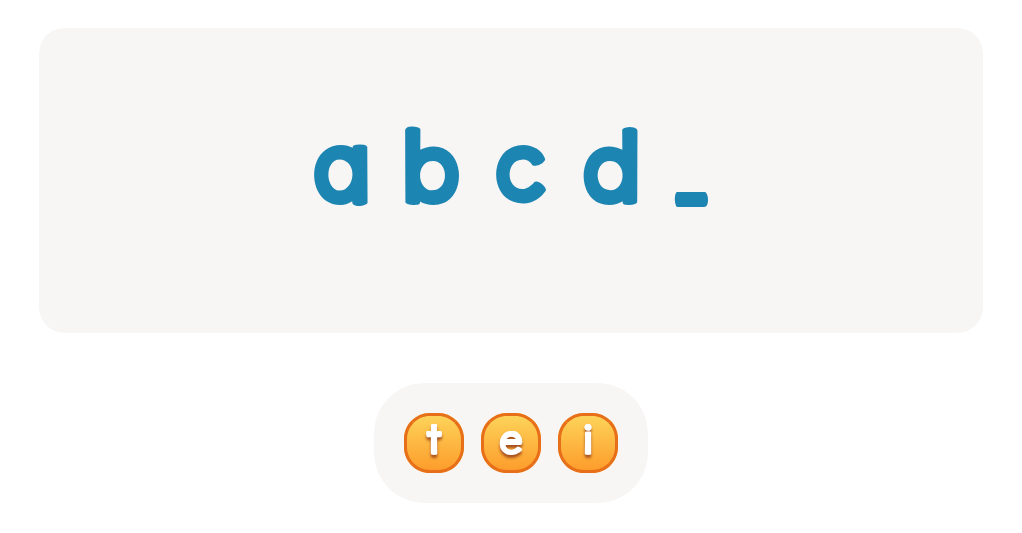
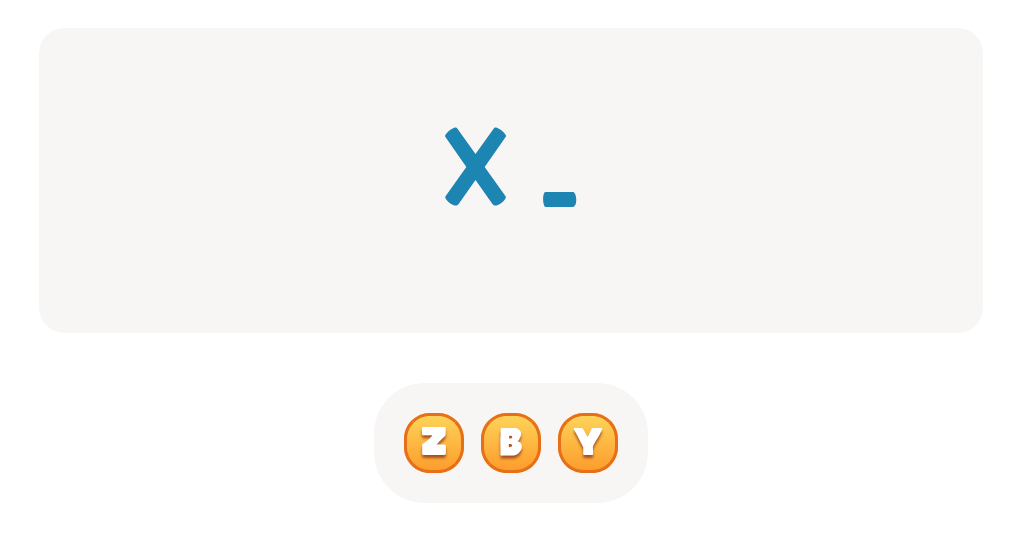
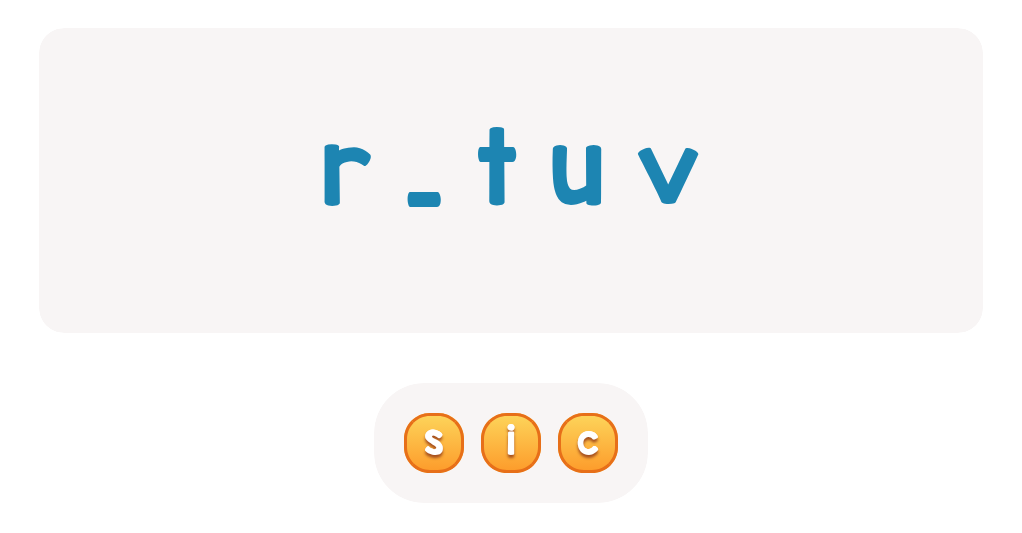
Enhance your child's literacy skills with our engaging Alphabet Sequencing Upper & Lowercase Letters Worksheets, designed specifically for ages 4-7! These printable worksheets provide interactive activities that help young learners practice recognizing, writing, and sequencing letters of the alphabet. With a mix of fun exercises, including tracing, matching, and ordering, children will build confidence in their reading and writing abilities. Our age-appropriate materials align with early educational standards, ensuring a solid foundation in phonics and letter recognition. Encourage your little ones to explore the world of letters while having fun – download our worksheets today and watch their skills grow!
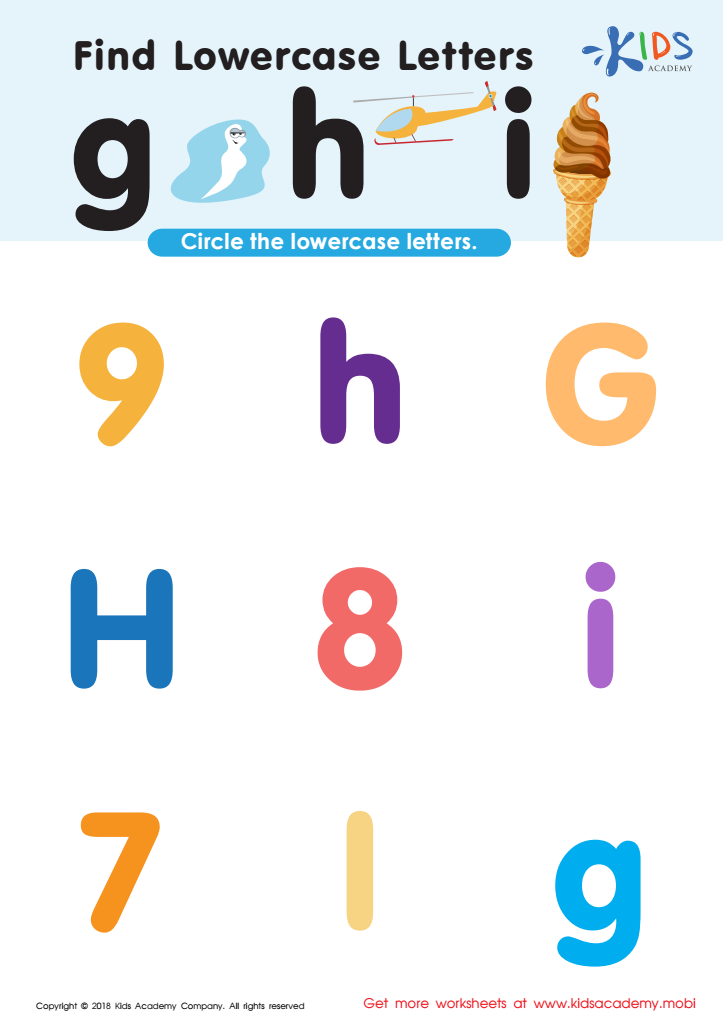
Find Lowercase Letters g h i Worksheet
 Assign to My Students

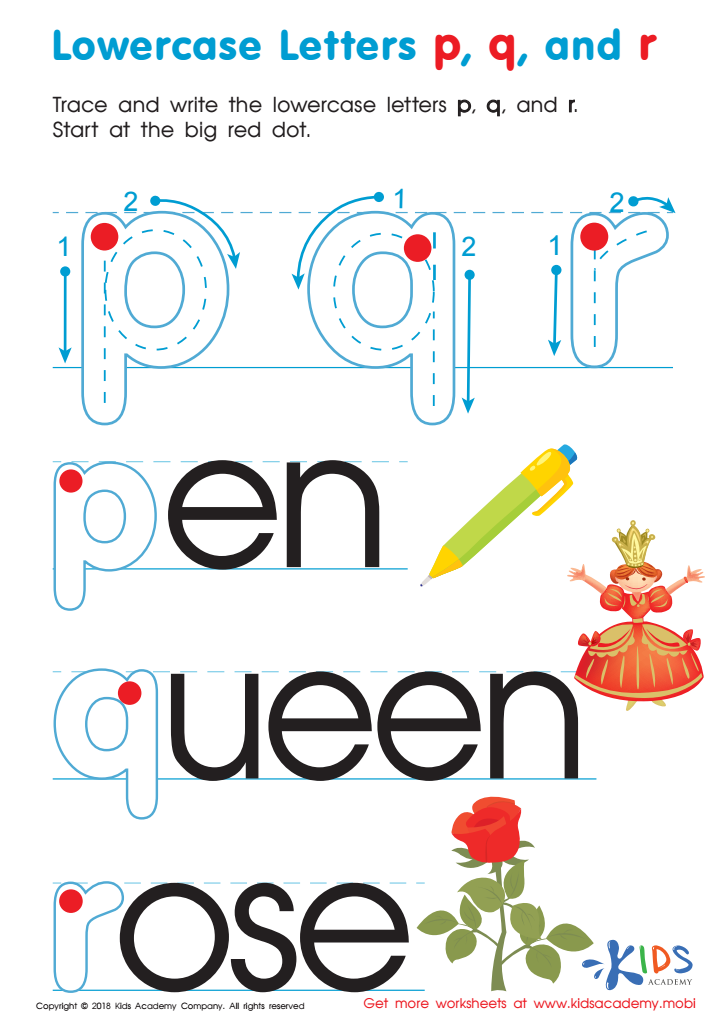
Lowercase Letters p q r Worksheet
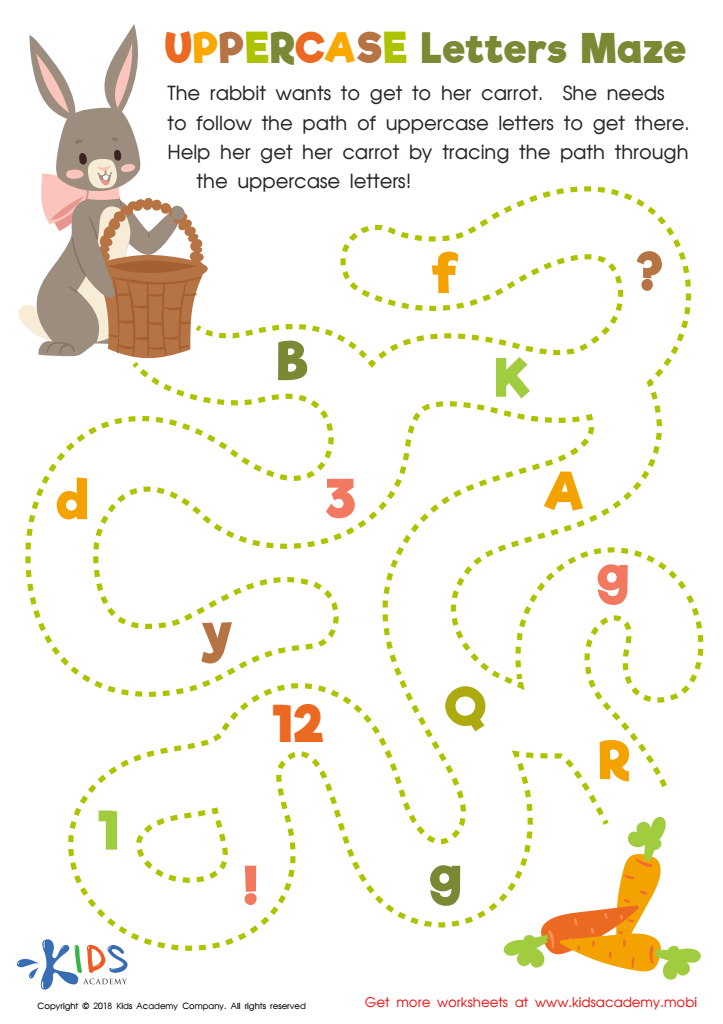
Uppercase Letters Maze Worksheet
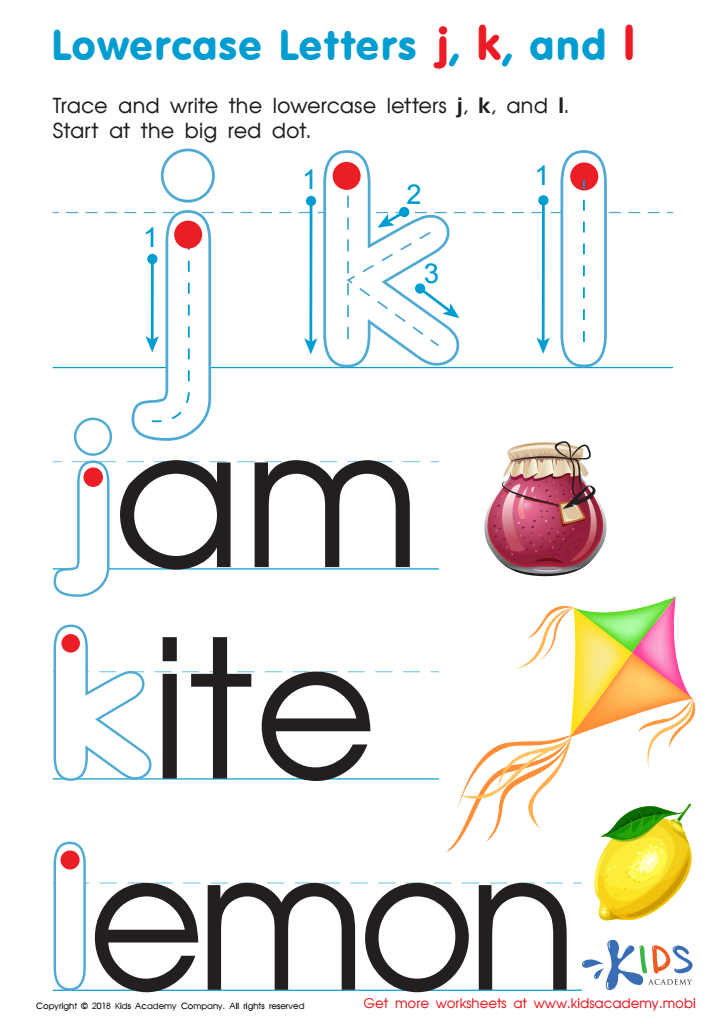
Lowercase Letters j k l Worksheet






Alphabet sequencing, focusing on both uppercase and lowercase letters, is crucial for children aged 4 to 7, as it forms the foundation for their literacy development. Understanding the order and connection between upper and lowercase letters enhances children’s ability to recognize and produce written language effectively. When children grasp the concept of sequencing, they can better understand the alphabetic principle, which is essential for reading and writing.
Parents and teachers should care about this skill because it directly impacts a child's ability to read fluently and write with confidence. Recognizing the sequence helps children with letter sounds, phonics, and spelling, promoting greater engagement with texts. Additionally, distinguishing between uppercase and lowercase letters is vital for handwriting accuracy and understanding text structure, such as identifying the beginning of sentences or proper nouns.
Moreover, early exposure to alphabet sequencing fosters vocabulary growth, as fluent readers tend to explore and comprehend more complex texts. This lays the groundwork for lifelong learning and academic success. By emphasizing alphabet sequencing, parents and teachers can help cultivate a positive and enriching literacy environment, ultimately guiding children toward becoming proficient readers and writers. Engaging with letters in this way supports overall cognitive and language development.







