Reading comprehension 4th of July Worksheets for Ages 4-7
10 filtered results
Difficulty Level
Grade
Age
-
From - To
Subject
Activity
Standards
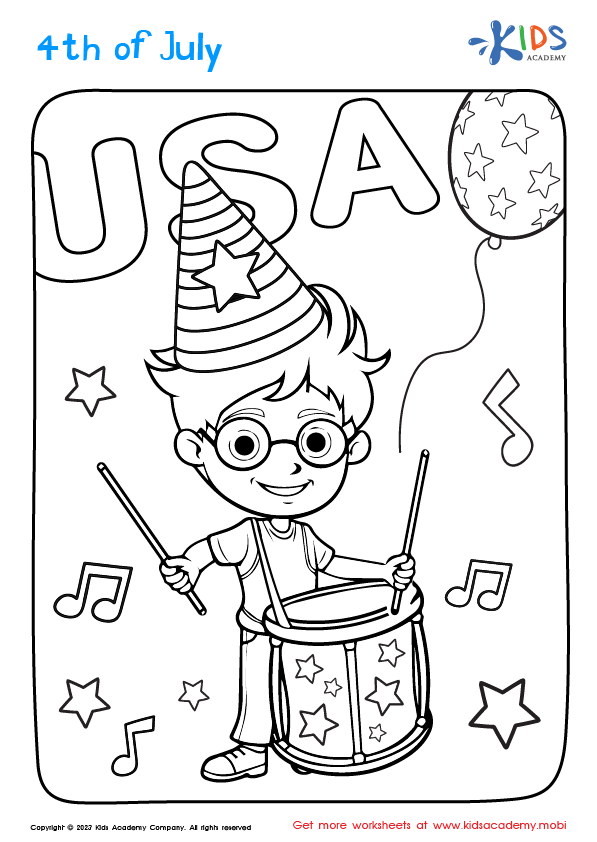
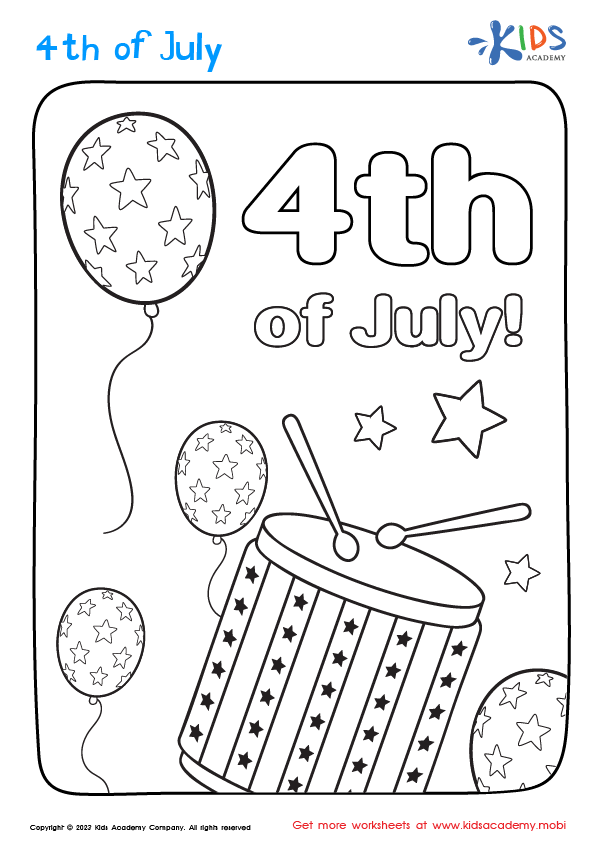
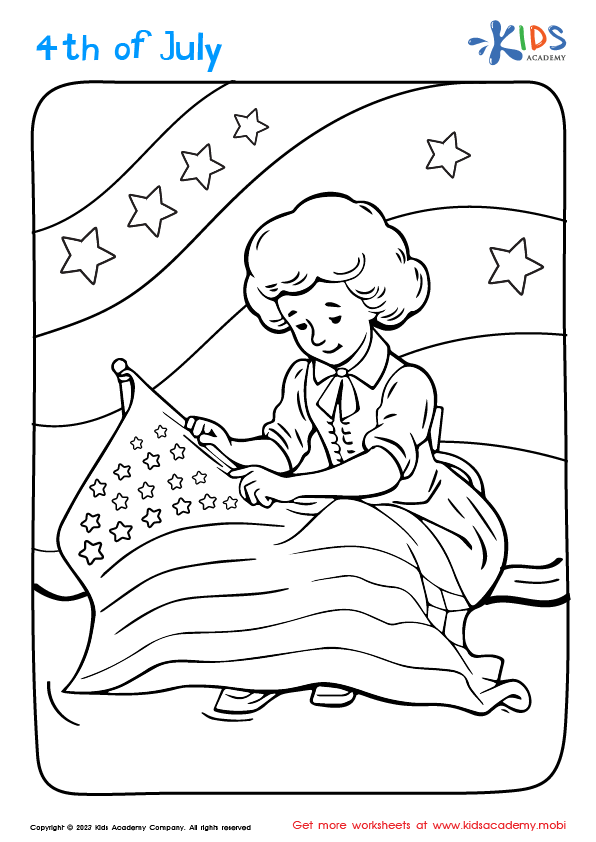
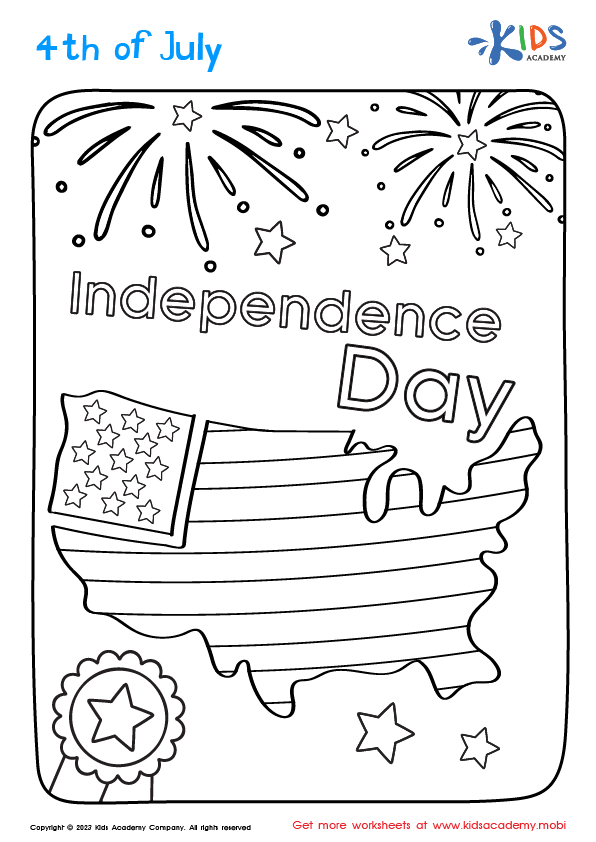
Celebrate Independence Day with our engaging Reading Comprehension worksheets tailored for children ages 4-7. These worksheets are designed to help young learners enhance their reading skills while exploring the festive spirit of the 4th of July. Featuring colorful visuals and fun activities, kids will read short passages about American symbols, traditions, and the meaning of the holiday. By completing interactive questions and activities, they will practice comprehension, vocabulary, and critical thinking skills in an enjoyable way. These worksheets not only make learning fun but also foster a deeper understanding of Independence Day, encouraging a sense of national pride in young readers.
Favorites
With answer key
Interactive
Join Kids Academy for Free
Who is primarily going to use this learning content?



Reading comprehension is a crucial skill for young learners, particularly for those aged 4 to 7, who are in their formative years of grasping language and understanding text. The theme of the 4th of July offers an engaging way to teach this skill, as it connects with rich cultural narratives and traditions. Understanding the significance of Independence Day helps children make connections between the text and the world around them.
When parents and teachers prioritize reading comprehension, they are fostering critical thinking and analytical skills. This foundational stage in literacy enables children to decode words but also to grasp meanings, infer ideas, and respond to literature thoughtfully. It cultivates a love for reading and enhances vocabulary, preparing students for future academic challenges.
Additionally, discussing topics like the 4th of July can spark interest in civic education, history, and the arts. Engaging children in conversations about freedom, community values, and celebrations promotes social awareness and encourages a deeper understanding of societal contexts. Celebrating reading comprehension through thematic content fosters a more rounded education, encouraging curiosity and participation in learning beyond mere words, making it vital for parents and teachers to invest in these early stages of comprehension.