
Basic Math understanding Worksheets for Ages 4-7
14 filtered results
Difficulty Level
Grade
Age
-
From - To
Subject
Activity
Standards
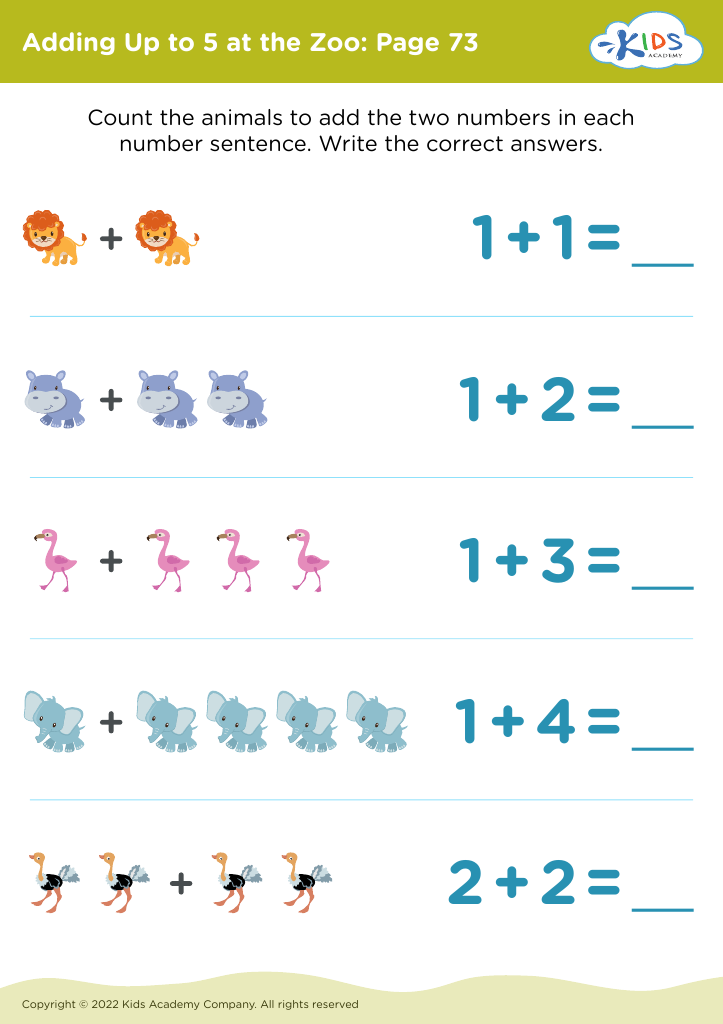
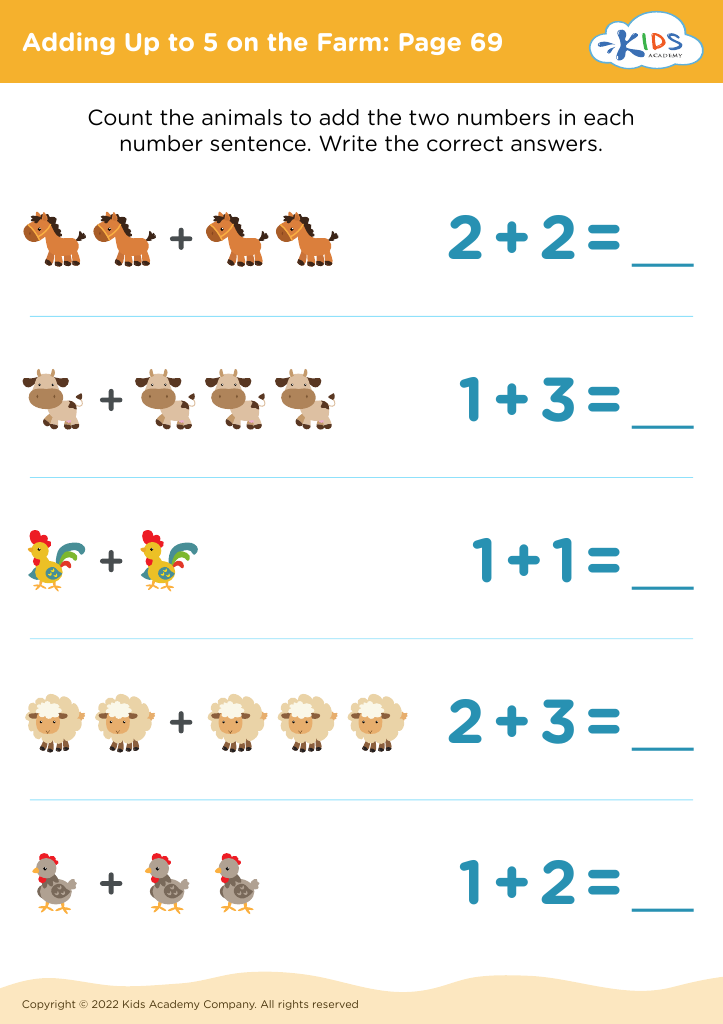
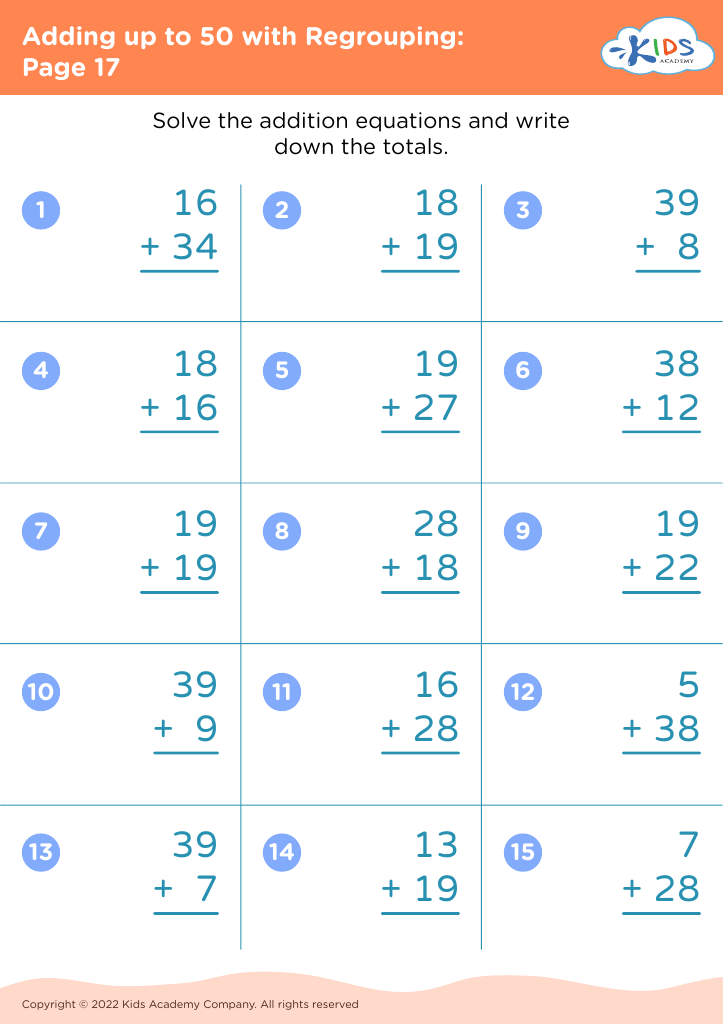
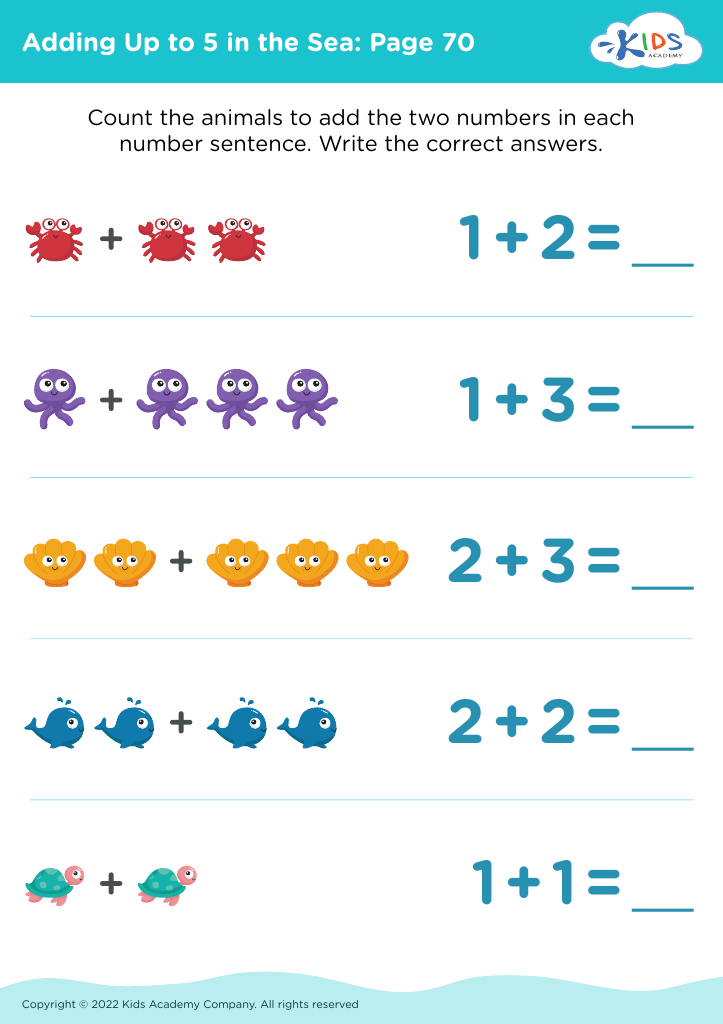
Discover engaging and educational worksheets designed to build a strong foundation in basic math for children ages 4-7. Our carefully crafted materials promote essential math skills like counting, addition, subtraction, and number recognition through fun and interactive activities. Each worksheet is aligned with early childhood education standards to help your child develop confidence and a love for learning. These printable resources are ideal for both classroom settings and at-home practice, ensuring a seamless learning experience. Nurture your child's mathematical abilities and watch them excel with our Basic Math Understanding Worksheets!
Favorites
With answer key
Interactive
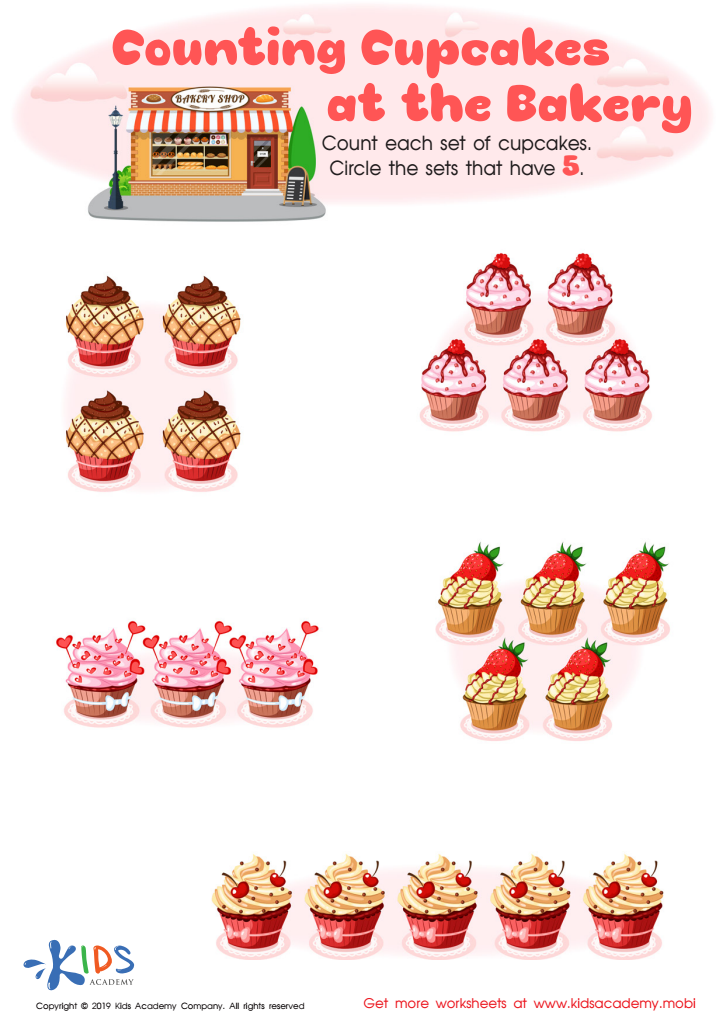
Counting Cupcakes Worksheet
This fun worksheet for preschoolers uses cupcakes to teach counting. Kids must circle the groups of cupcakes that add up to 5. The delicious treats make learning fun and engaging!
Counting Cupcakes Worksheet
Worksheet
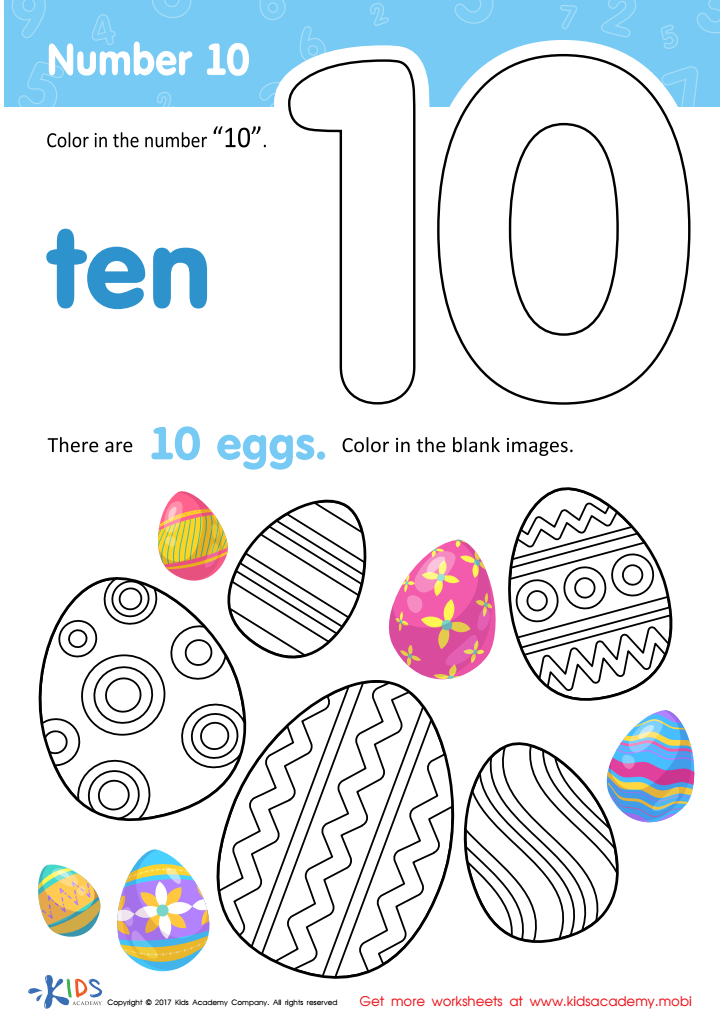
Number 10 Printable
Easter eggs are a great way to combine creativity and learning! Help your child explore the number 10 with our fun coloring page. The intricate designs will spark their imagination and fuel their artistic side, while they practice important numeracy basics. Get creative with eggs and enjoy the fun, no matter the time of year!
Download (PDF)
 Assign to My Students
Assign to My Students
Number 10 Printable
Worksheet
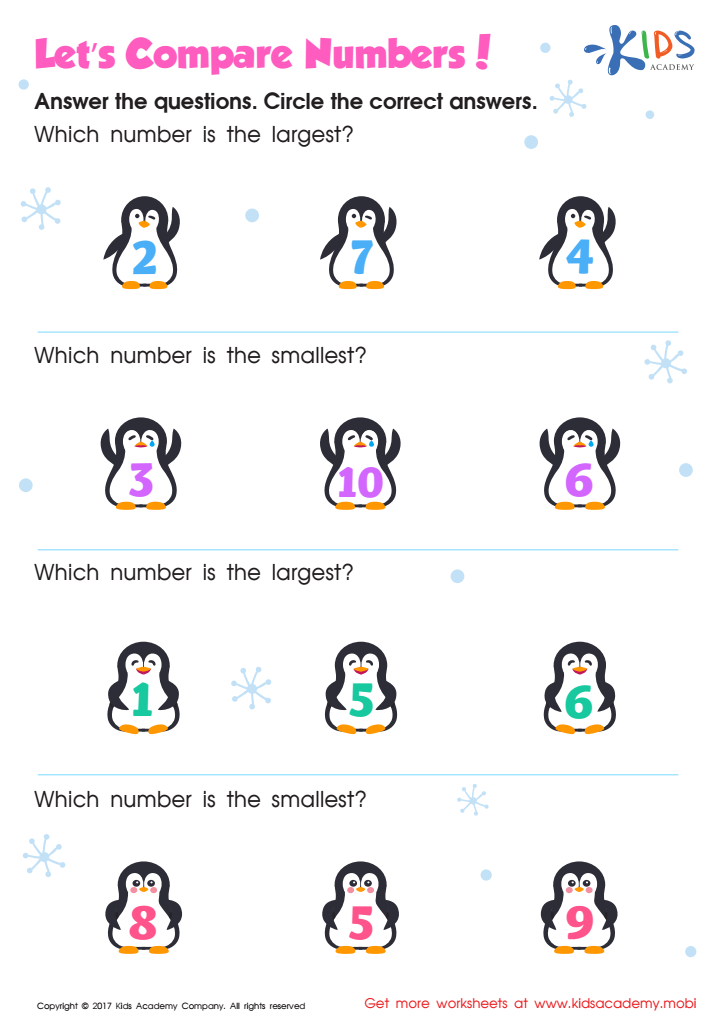
Comparing Numbers 1–10 Worksheet Kindergarten
Help your child sort out numbers 1-10 with this fun worksheet! They'll practice comparing numbers and boost their number sense. Plus, it features cute little penguins with numbers on their bellies - they make learning even more exciting!
Comparing Numbers 1–10 Worksheet Kindergarten
Worksheet
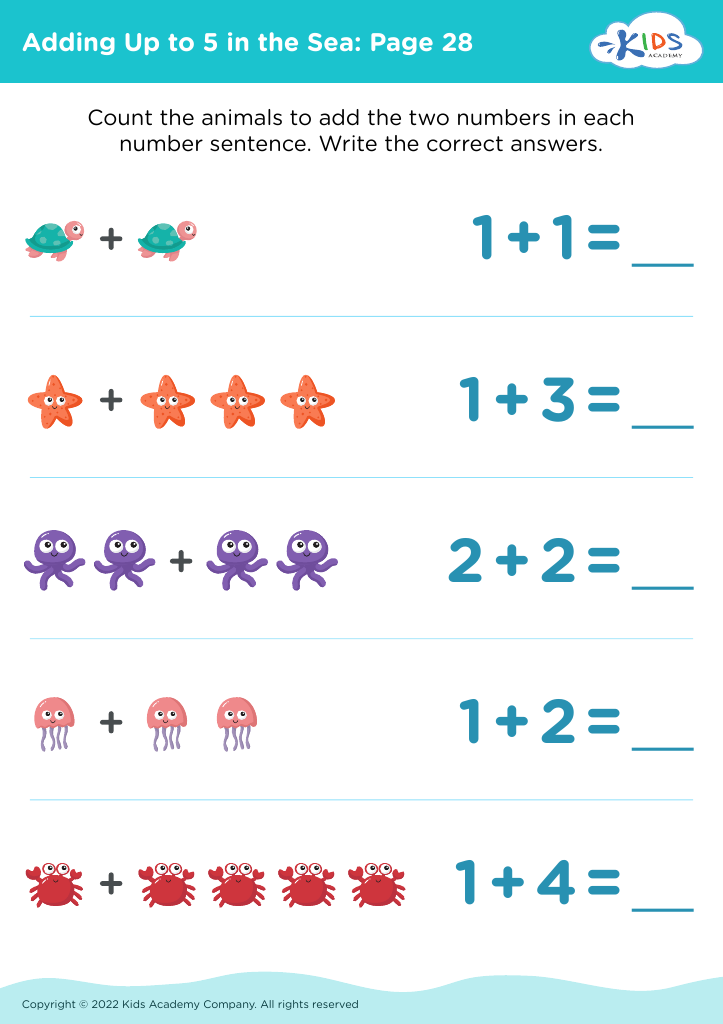
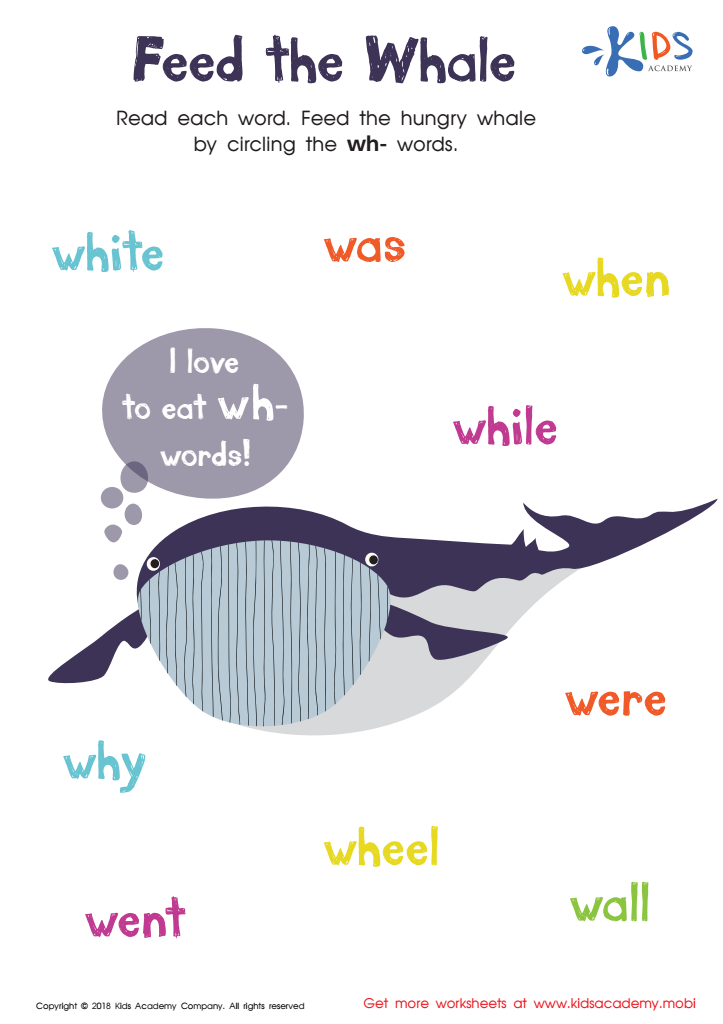
Feed the Whale Worksheet
Help your early reader build beginning consonant and blend recognition with this fun whale worksheet! They'll feed the whale wh- words, circle sight words, and build fine motor skills—all while discriminating between differently colored words.
Feed the Whale Worksheet
Worksheet
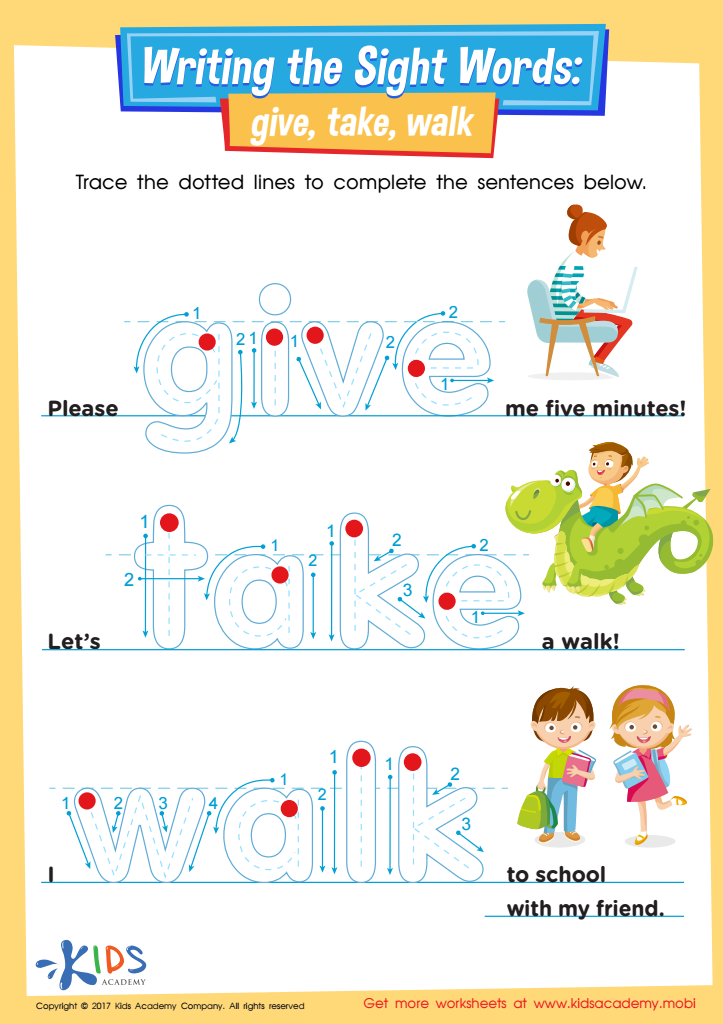
Give, Take, Walk Printable Sight Words Worksheet
Reading aids writing development: this worksheet has your child read sentences and write three sight words: give, take, and walk. It's a great way to strengthen writing skills.
Give, Take, Walk Printable Sight Words Worksheet
Worksheet
Join Kids Academy for Free
Who is primarily going to use this learning content?



.jpg)



Basic math understanding for children aged 4-7 is foundational for their academic and everyday life success. During these formative years, children's brains are highly adaptable and primed to absorb new information. Early math skills help establish cognitive frameworks that support problem-solving, logical reasoning, and decision-making. These skills are not only essential for advanced mathematical concepts but also for other subjects like science, technology, and even literacy, where sequencing and patterns play a crucial role.
Moreover, early math proficiency correlates with higher academic achievement in later years. Children who grasp basic math concepts tend to find it easier to learn more complex ideas and show increased confidence in their abilities. This, in turn, fosters a positive attitude toward learning, setting a solid foundation for lifelong education.
From a practical standpoint, math is everywhere in daily life — from counting objects, understanding time, and managing money to recognizing shapes and sizes. By mastering basic math early on, children gain independence and practical skills that enhance their ability to navigate the world.
Parents and teachers should care because nurturing these skills not only helps children in school but also equips them with critical life skills. Promoting a strong early math foundation contributes to a child's overall development, confidence, and future success.








