Comparing Fractions Worksheets for Ages 4-7
125 filtered results
-
From - To
Explore our engaging "Comparing Fractions Worksheets" designed specifically for children aged 4-7! These worksheets provide a fun and interactive way for young learners to grasp the concept of fractions by comparing different values. Each activity features vibrant visuals and easy-to-understand instructions, ensuring kids develop critical thinking skills in a playful setting. Our resources are perfect for both classroom and home use, promoting essential math skills while captivating your child’s attention. Help your little ones build confidence in their fraction knowledge with exciting challenges that make learning enjoyable. Begin your fraction journey today with our kid-friendly worksheets!
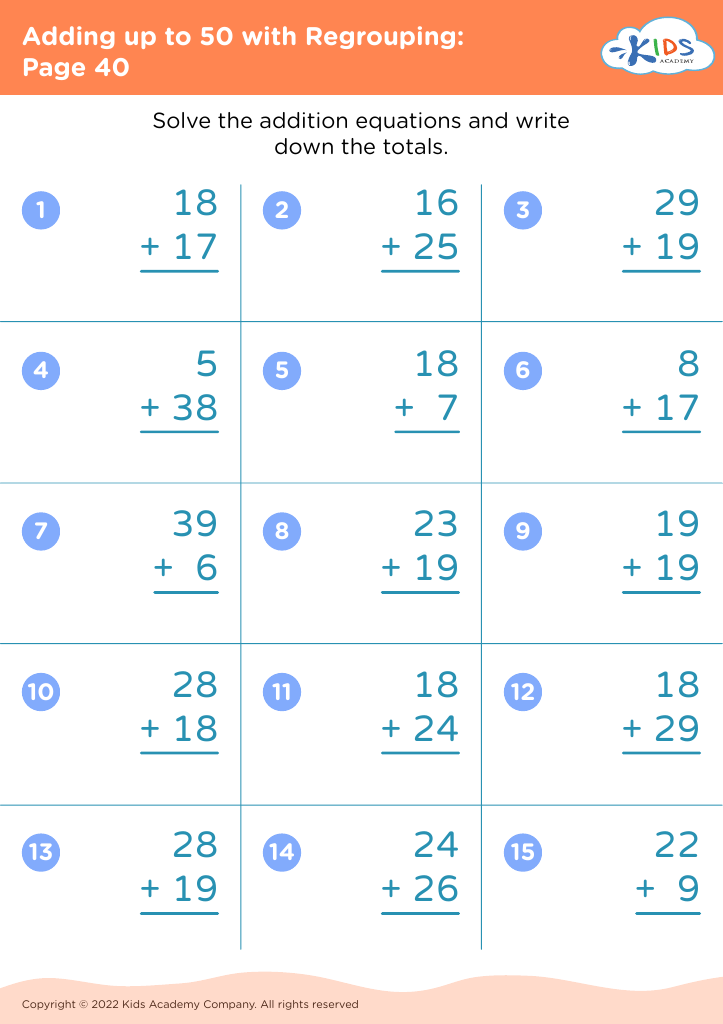
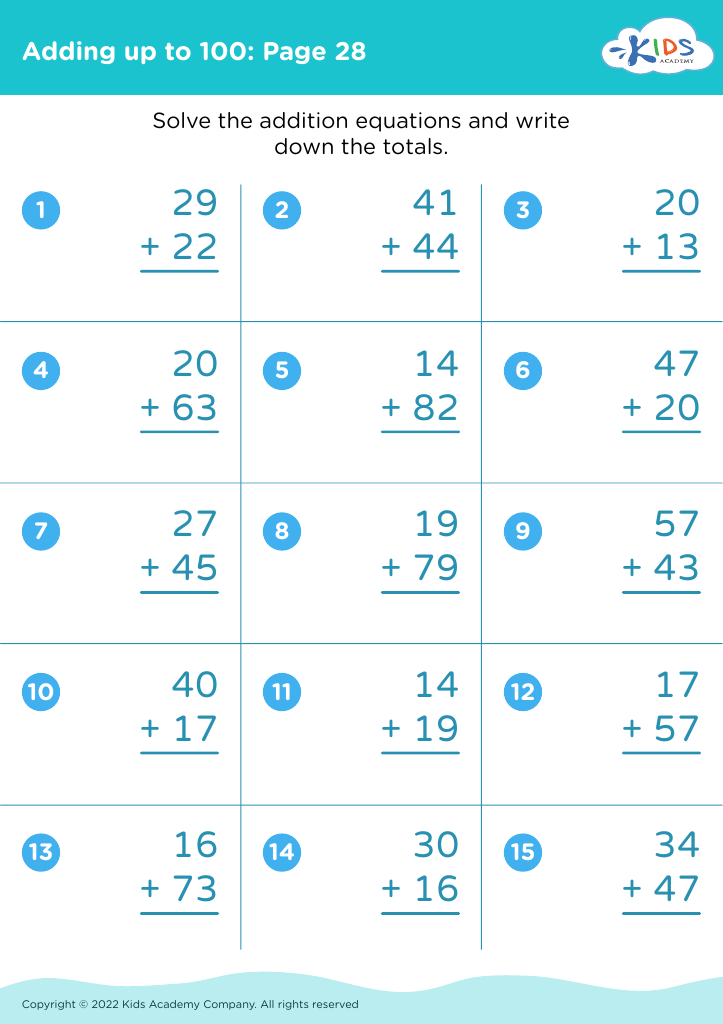
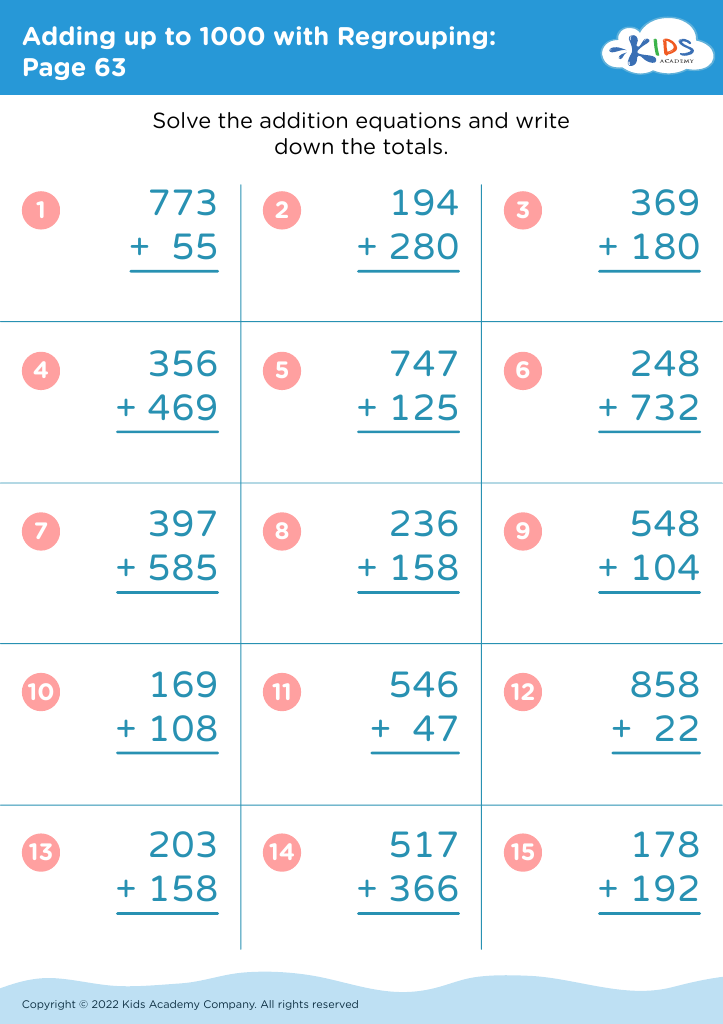
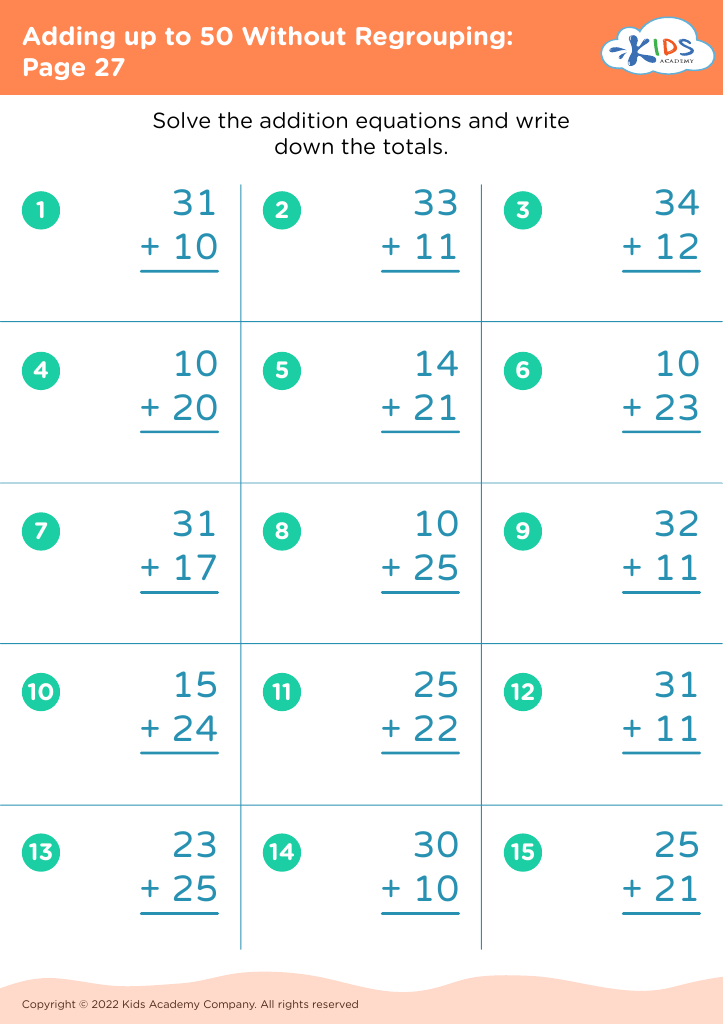
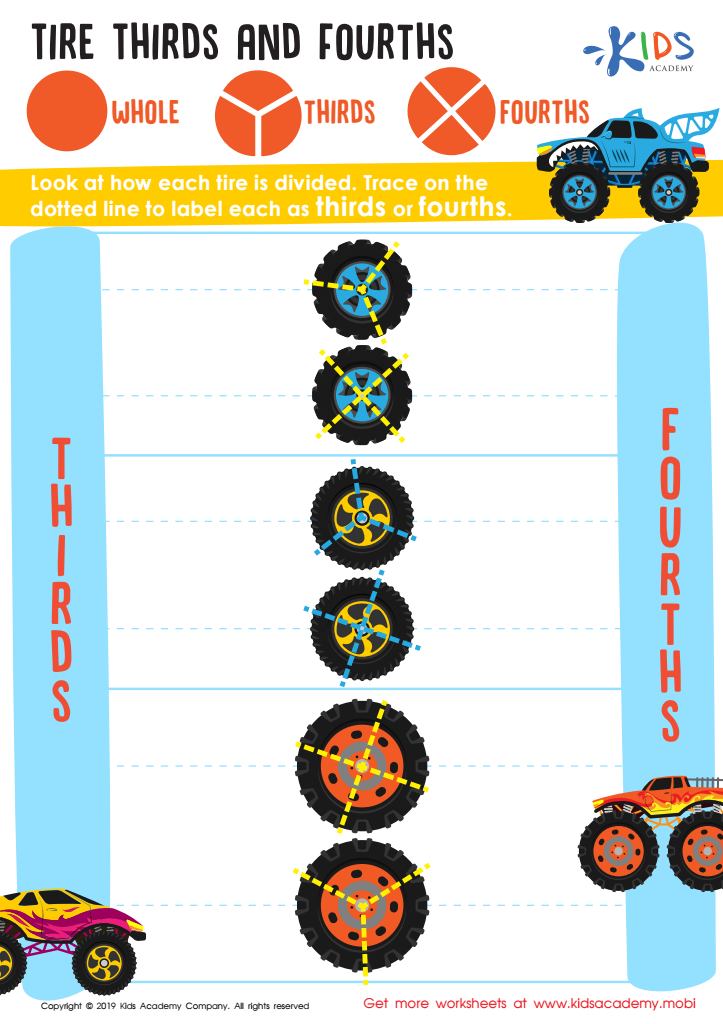
Tire Thirds and Fourths Worksheet
 Assign to My Students
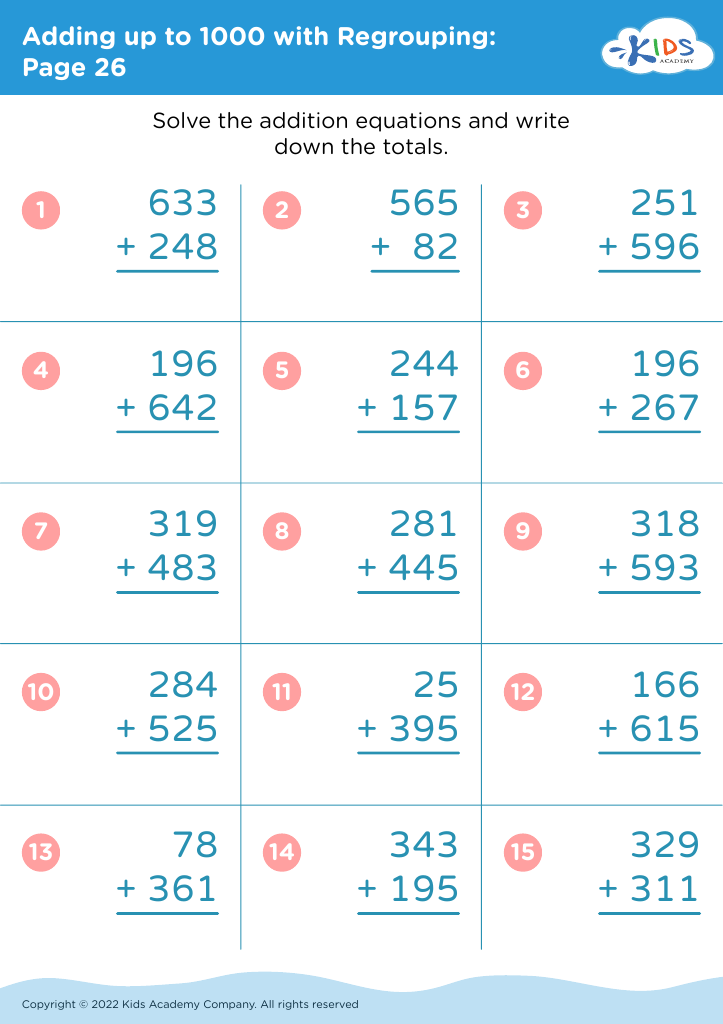
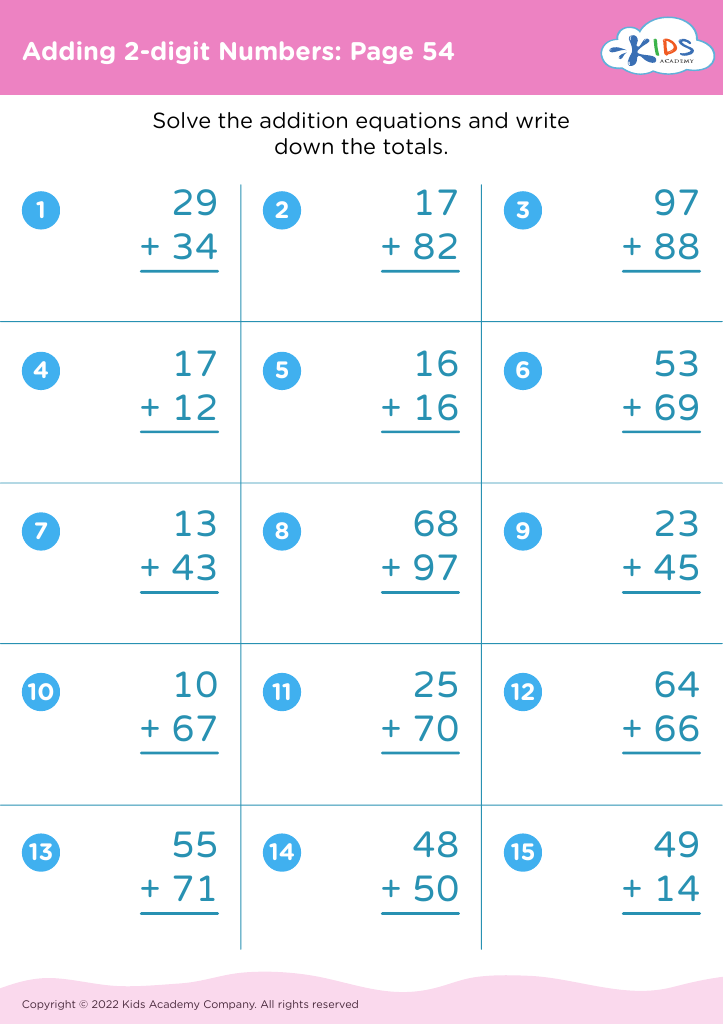
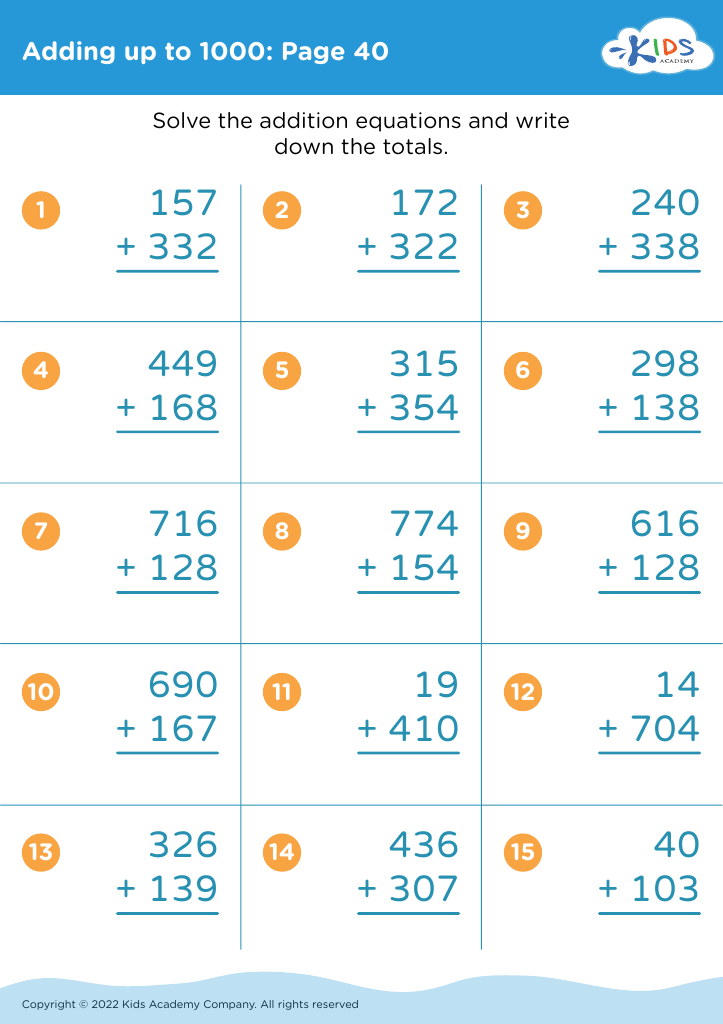
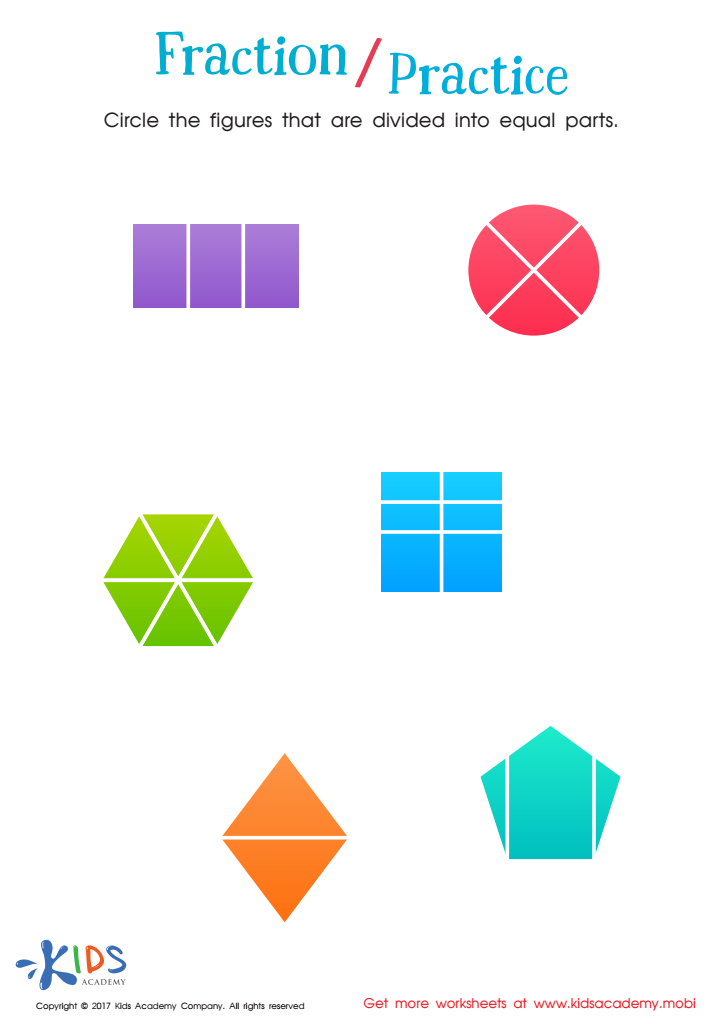
Fractions: Shapes Worksheet
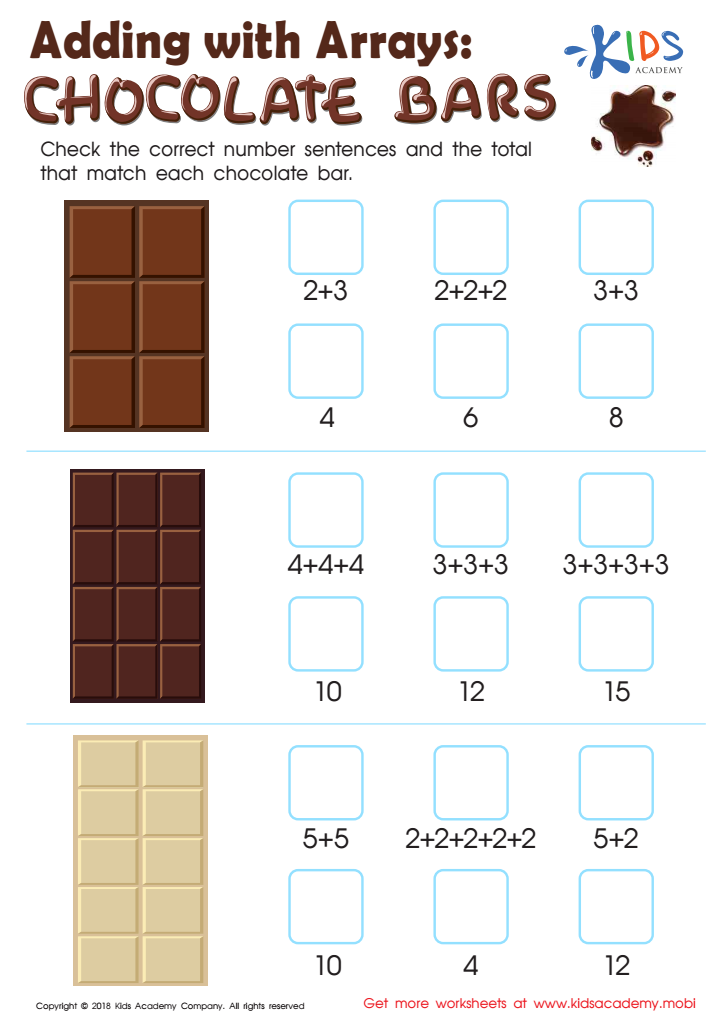
Adding with Arrays: Chocolate Bars Worksheet
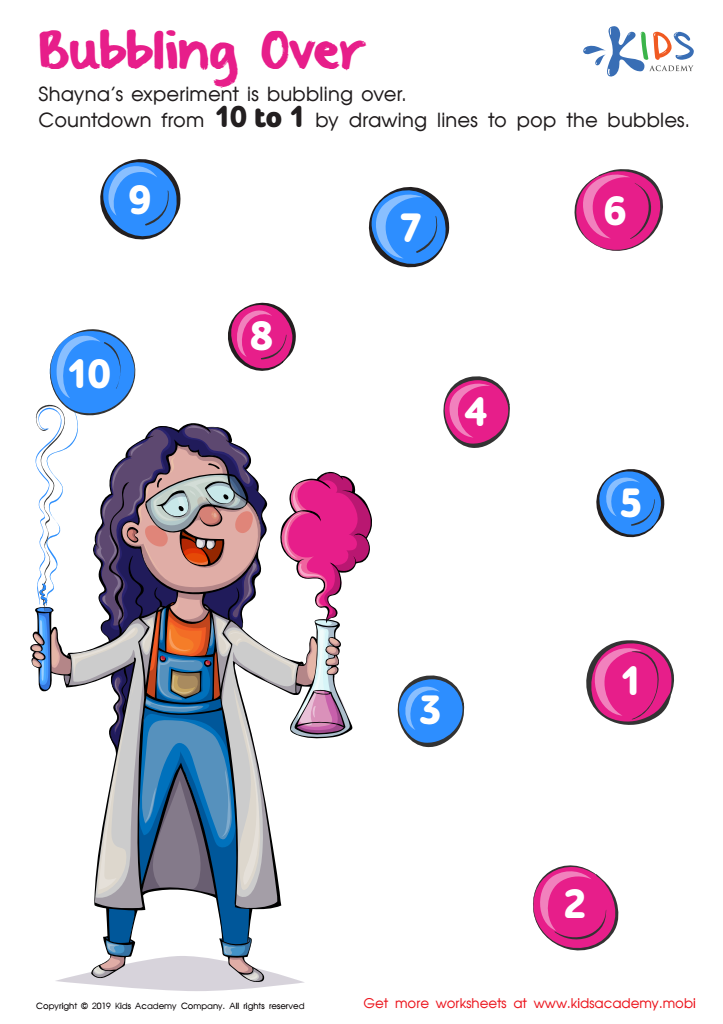
Bubbling Over Worksheet






Understanding comparing fractions is essential for young learners, as it lays the groundwork for essential mathematical skills used throughout their education. For children aged 4-7, developing an understanding of fractions fosters critical thinking and sets the stage for future concepts like proportions, ratios, and more complex arithmetic. This knowledge helps children grasp essential concepts of part-whole relationships, which are foundational in various real-life situations, from cooking to dividing resources fairly.
Moreover, learning to compare fractions bolsters problem-solving abilities and enhances a child's confidence in math. As they learn how to recognize which fractions are larger or smaller, children begin to understand the value of numbers, contributing to their overall numeracy skills. This knowledge also helps to improve their abstract thinking, as they learn to visualize and manipulate quantities.
Engaging in fraction comparison can also strengthen parent-child and teacher-student interactions, fostering discussions about math in everyday life. By encouraging children to explore and discuss fractions, it cultivates a positive attitude towards mathematics, paving the way for lifelong learning and enjoyment in the subject. Therefore, investing time in this fundamental mathematical skill is crucial for holistic child development.








