Comprehension development Worksheets for Ages 4-7
3 filtered results
-
From - To
Discover a world of reading success with our Comprehension Development Worksheets for ages 4-7! Our expertly designed printable worksheets help young learners enhance their understanding of stories, build critical thinking skills, and improve their vocabulary. With engaging exercises and colorful illustrations, these activities make learning fun and effective. Perfect for classroom use or home practice, they support various learning styles and read-aloud activities. Give your child the tools to excel in reading and boost their confidence by exploring a range of topics tailored to their developmental stage. Start their path to reading excellence today!
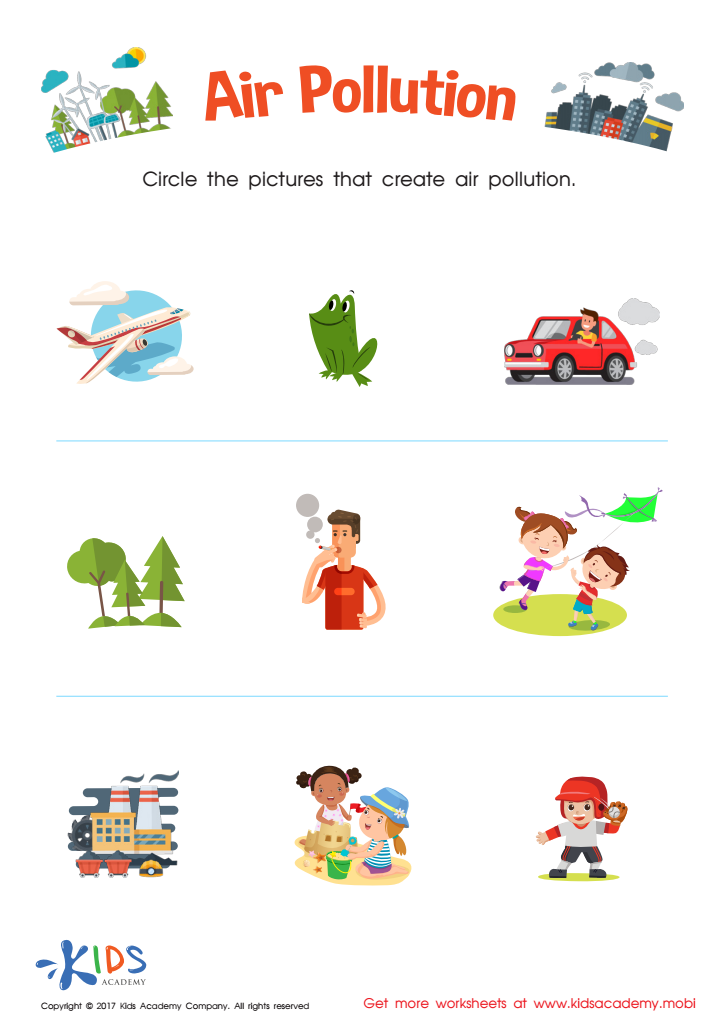
Air Pollution Worksheet
 Assign to My Students
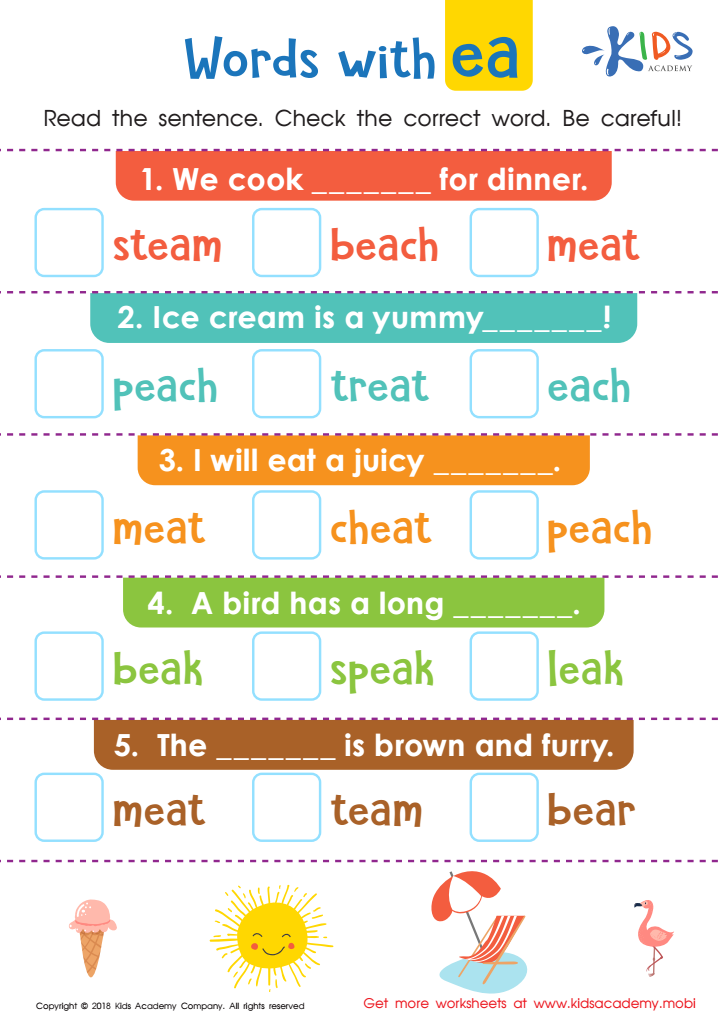
Words with ea Worksheet








Comprehension development for children aged 4-7 is crucial, as it lays the groundwork for their overall learning and future academic success. At this formative stage, children move from learning to decode words to understanding and interpreting the meanings behind them. Parents and teachers who foster strong comprehension skills help children improve their vocabulary, enhance their listening and speaking abilities, and cultivate a lifelong love of reading.
When children understand what they read or hear, they can make connections between new information and their existing knowledge, facilitating deeper learning. This skill is not just vital for literacy; it also impacts learning across subjects like math, science, and social studies, where understanding instructions and problems is key to problem-solving and critical thinking.
Moreover, strong comprehension skills contribute to better communication and social interaction. Children learn to infer meaning from context, recognize emotions and intentions in stories, and eventually apply these skills in real-life conversations, thereby developing emotional intelligence.
Neglecting comprehension development at this age can lead to struggles in later grades, affecting academic performance and self-esteem. Thus, parents and teachers should prioritize activities that engage children's thinking, such as interactive reading, asking predictive and reflective questions, and encouraging discussions about stories. This early investment in comprehension sets the stage for a successful and confident academic journey.








