Counting shapes Worksheets for Ages 4-7
3 filtered results
-
From - To
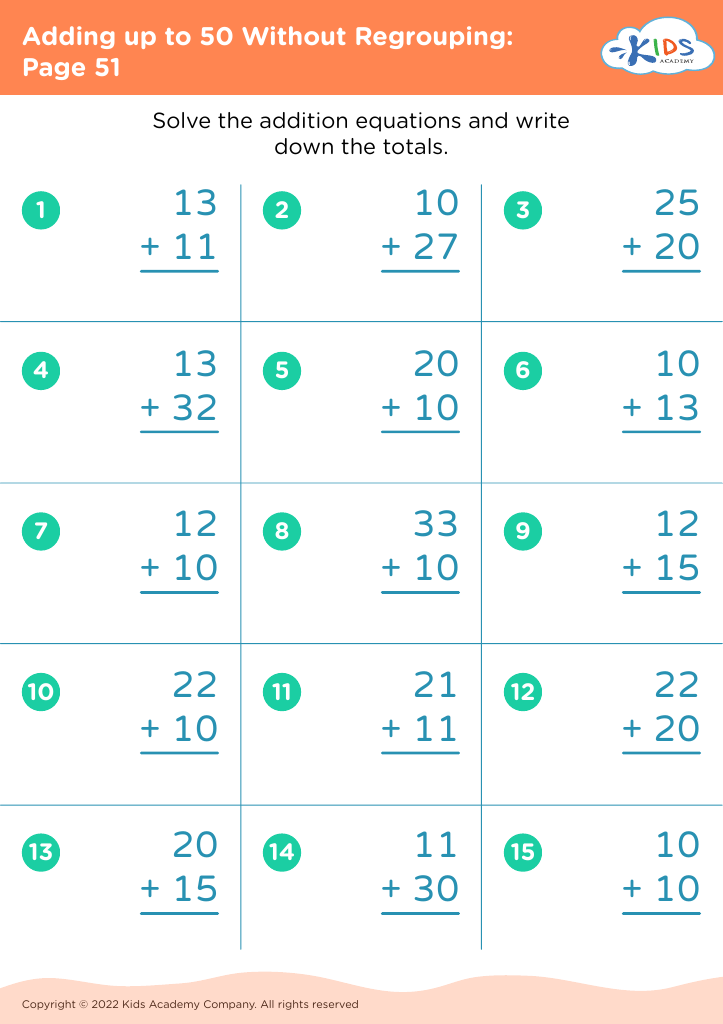
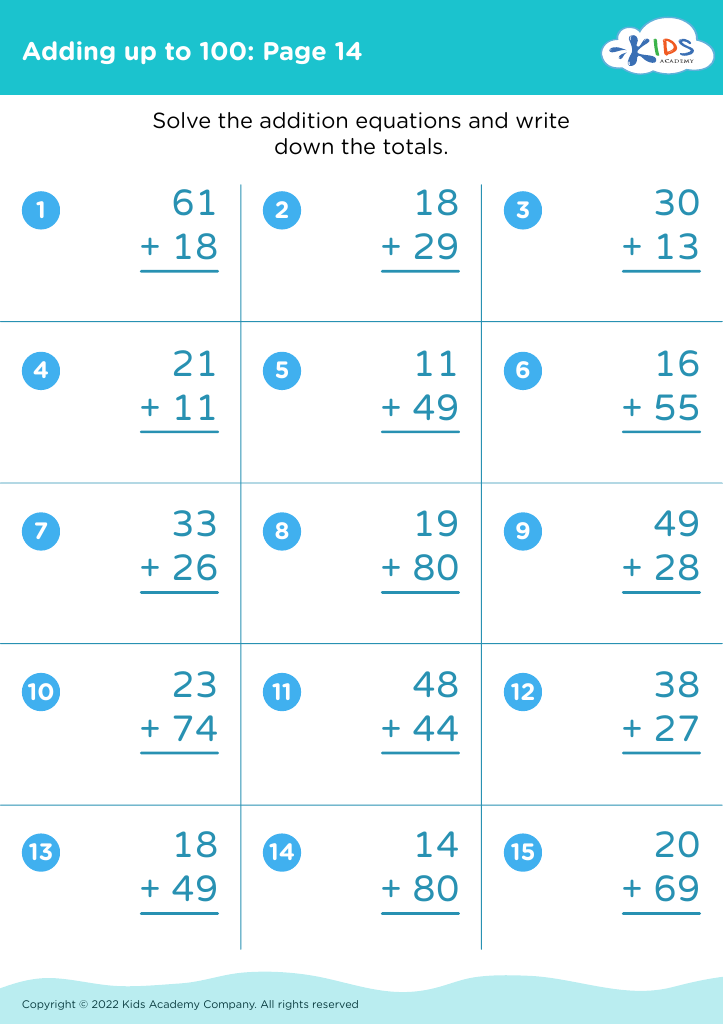
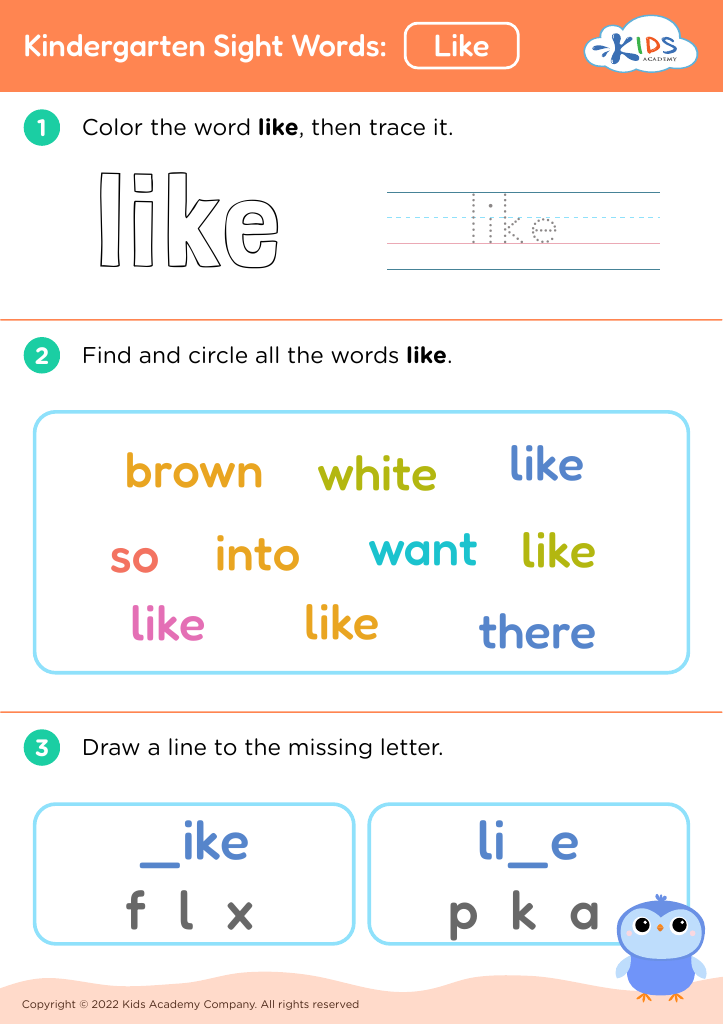
Welcome to our Counting Shapes Worksheets for Ages 4-7! Designed to engage and inspire young learners, these printable worksheets help children develop essential counting skills while exploring vibrant shapes. Each activity is tailored to promote understanding of both geometry and numbers through fun visuals and interactive exercises. From identifying shapes to counting them accurately, these worksheets cater to diverse learning abilities and encourage key cognitive development. Ideal for classroom settings or at-home learning, these resources will make mastering counting both enjoyable and effective. Discover the perfect way to blend creativity with education for your budding mathematicians!







Counting shapes is an essential skill for children aged 4-7, as it lays the groundwork for their mathematical understanding and cognitive development. When children learn to recognize and count shapes, they enhance their ability to categorize and compare objects, fostering critical thinking skills. This foundational knowledge promotes spatial awareness, which is crucial for later topics in geometry and mathematics.
Additionally, counting shapes introduces basic mathematical concepts such as addition, subtraction, and patterns, all of which are vital for a child’s progression in mathematics. This early exposure not only makes math more approachable and enjoyable but also builds confidence in young learners.
For parents and teachers, engaging children in counting shapes creates opportunities for hands-on learning experiences, encouraging interactive play and exploration. Videos, games, and everyday real-world examples, like shapes in art or nature, can be used to bring learning to life.
Furthermore, counting shapes supports language development as children learn to describe their observations using mathematical vocabulary. By investing time in this area, parents and teachers empower children to build a solid academic foundation, paving the way for future learning and success in mathematics, critical thinking, and problem-solving. Ultimately, this caring approach nurtures a love of learning in young minds.








