Critical thinking skills Worksheets for Ages 4-7 - Page 2
30 filtered results
-
From - To
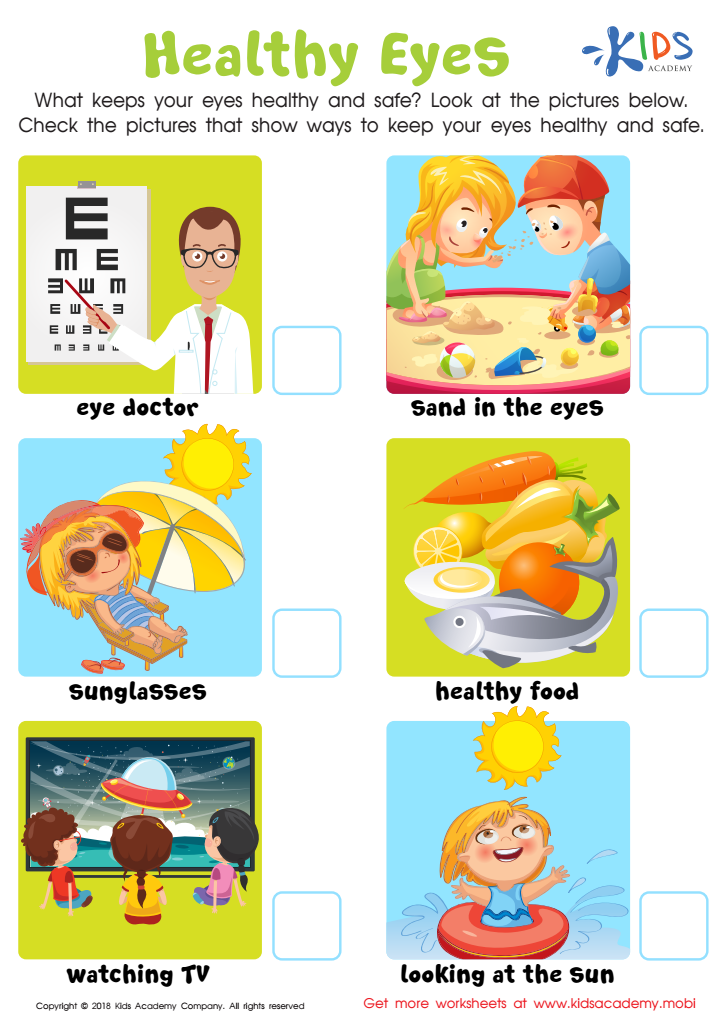
Healthy Eyes Worksheet
 Assign to My Students
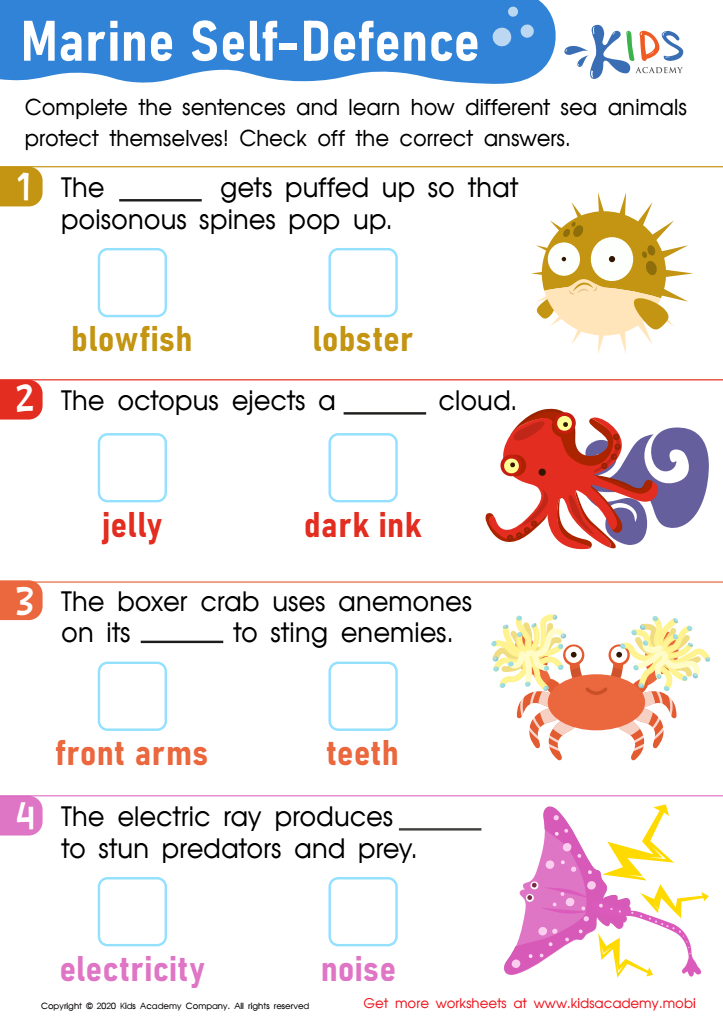
Marine Self-Defence Worksheet
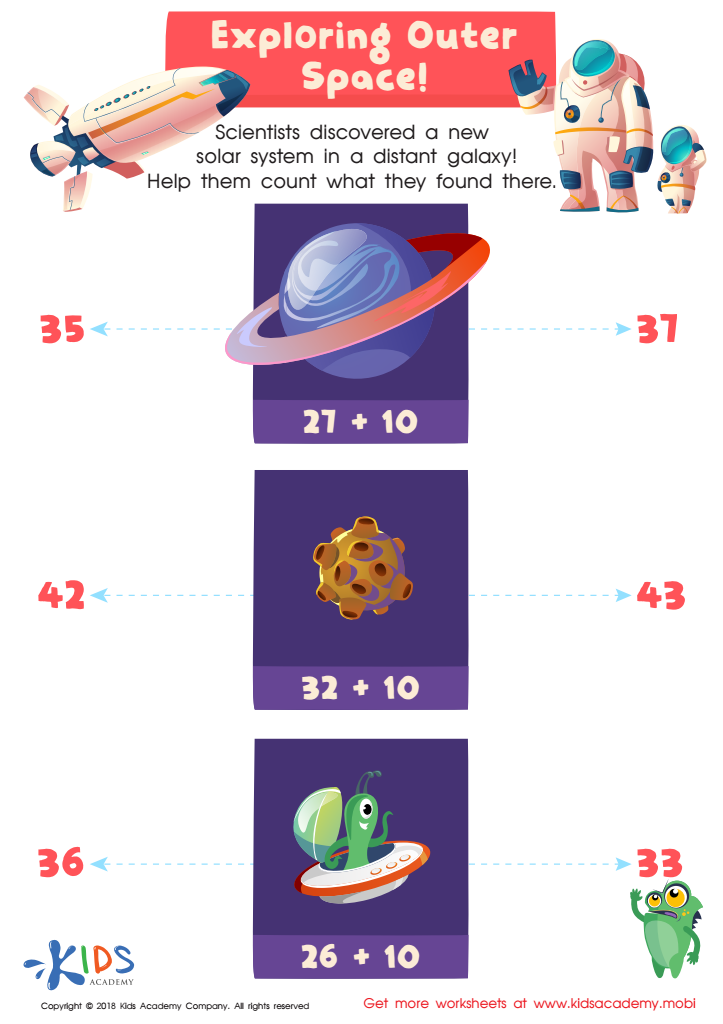
Exploring Outer Space Worksheet







Critical thinking skills are vital to developing young minds, even from ages 4-7. During these formative years, children are naturally curious, and nurturing their ability to think critically can set a strong foundation for lifelong learning and problem-solving. Critical thinking allows children to not just absorb information but to analyze, question, and understand the why and how behind it. This fosters deeper learning and helps children adapt to new situations creatively and effectively.
Incorporating critical thinking at a young age equips children to make informed decisions and develop empathy by understanding multiple viewpoints. It aids in enhancing their language and cognitive skills as they learn to articulate their thoughts and reason logically. For parents and teachers, promoting critical thinking involves encouraging curiosity, asking open-ended questions, and providing opportunities for problem-solving through play and exploration.
Ultimately, fostering these skills early helps children become more independent learners, preparing them for future academic challenges and everyday life situations. It builds resilience and confidence, enabling them to tackle problems with logic rather than rote memorization. Investing time in developing critical thinking skills now creates a generation better equipped for the complexities of the modern world, making it all the more imperative for parents and educators to prioritize this crucial aspect of early childhood education.








