Develop cognitive skills Worksheets for Ages 4-7
3 filtered results
-
From - To
Welcome to our "Develop Cognitive Skills Worksheets for Ages 4-7" page! Here, you’ll find a variety of engaging, printable worksheets designed to enhance cognitive development in young learners. Perfect for preschoolers and early grade students, our resources focus on activities that strengthen problem-solving, memory, and critical thinking skills. Each worksheet is tailored to provide interactive learning experiences that boost logic and reasoning abilities while making learning fun! Whether at home or in the classroom, these worksheets support foundational skills essential for future academic success. Start exploring today and watch your child's cognitive skills flourish through creative and playful activities!
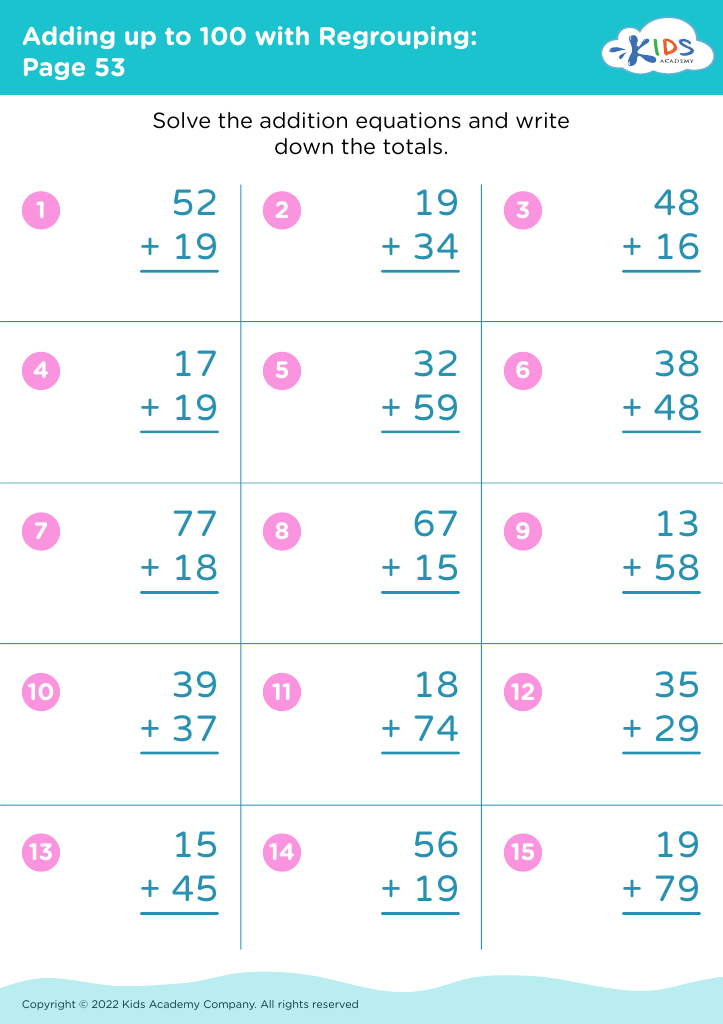

Smart Capturing Worksheet
 Assign to My Students
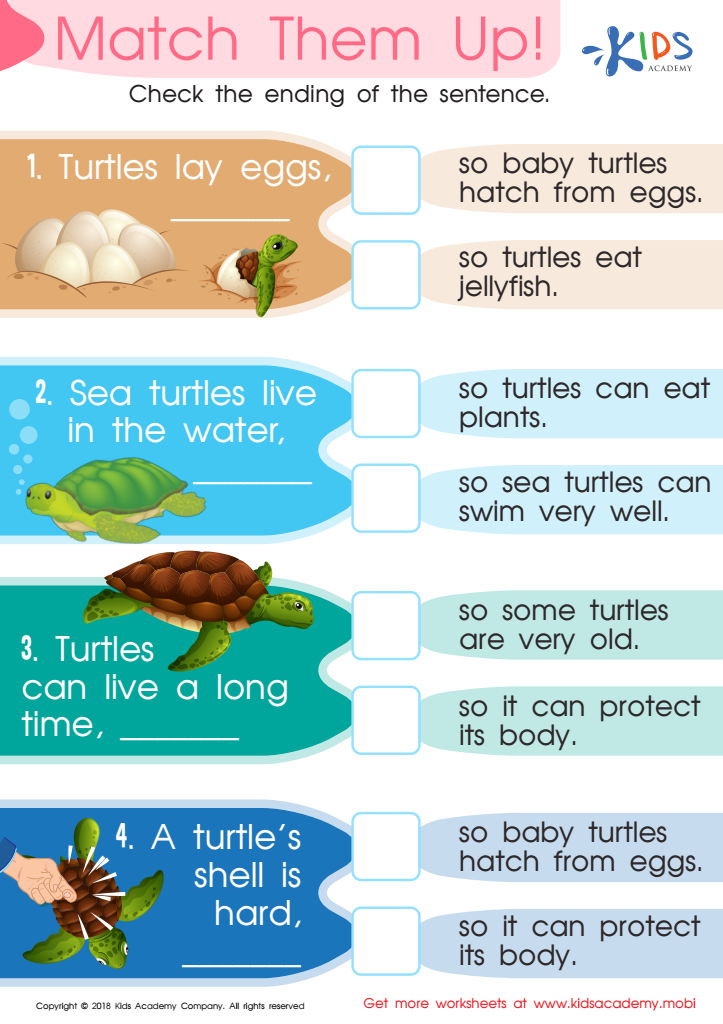
Match Them Up Worksheet








Developing cognitive skills in children aged 4-7 is crucial for their overall growth and future learning success. This period marks a significant stage in brain development, as children's capacities for critical thinking, problem-solving, and creativity expand rapidly. By nurturing these cognitive skills early on, parents and teachers can lay a strong foundation for lifelong learning.
Children who are encouraged to explore, ask questions, and engage in imaginative play are more likely to develop essential skills like reasoning, decision-making, and the ability to focus. Activities that promote these skills—such as puzzles, games, storytelling, and collaborative projects—foster inquisitiveness and resilience.
Moreover, enhancing cognitive abilities during this formative period directly impacts academic performance. Children who develop strong cognitive skills are often better equipped to tackle more complex subjects in later grades, facilitating smoother transitions through their educational journey.
Additionally, these skills contribute to social-emotional development, as children learn to understand and manage emotions and interact effectively with peers. Thus, by prioritizing cognitive development, parents and teachers can significantly influence a child's academic success, social skills, and overall well-being, paving the way for a brighter future.








