Develop problem-solving skills Worksheets for Ages 4-7
10 filtered results
-
From - To
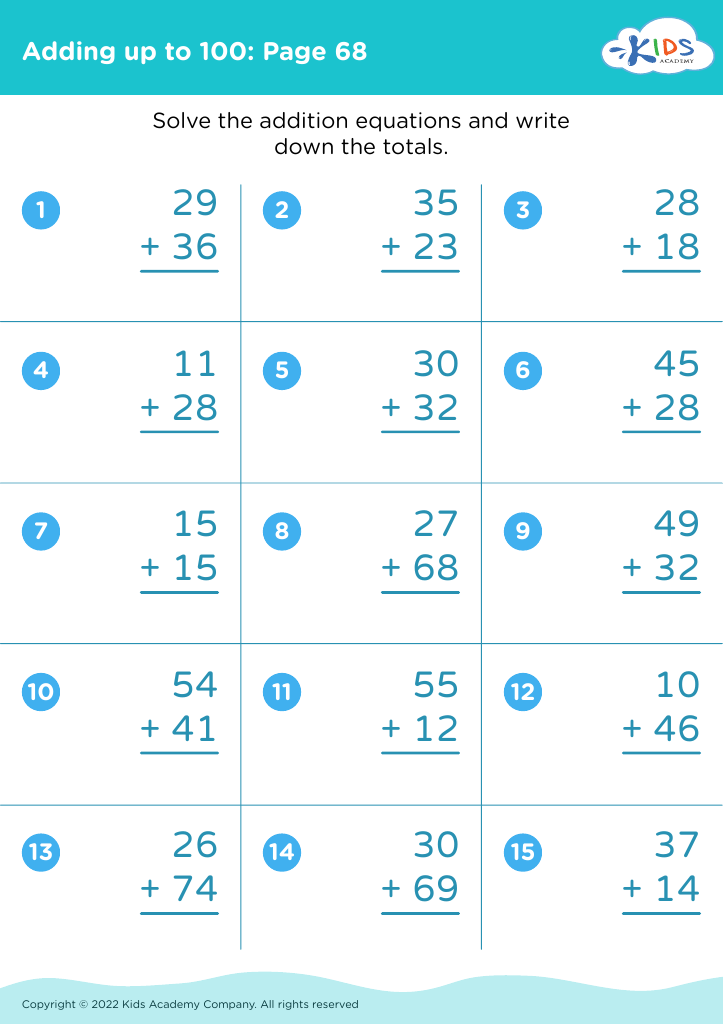
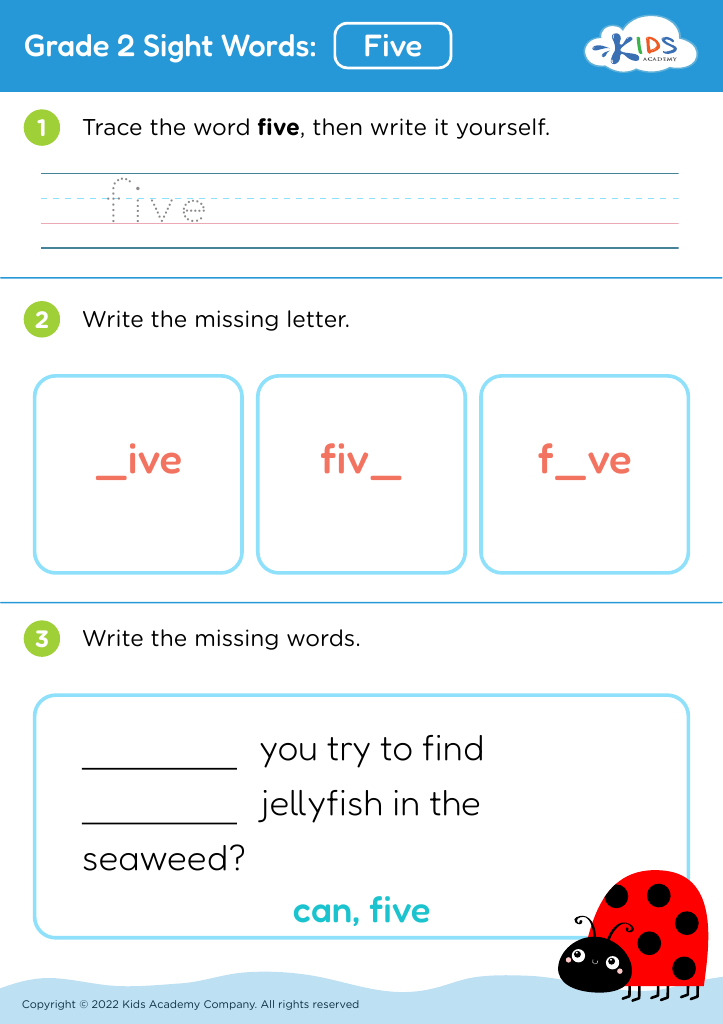
Explore our engaging worksheets designed to develop problem-solving skills for children ages 4-7. These resources focus on enhancing critical thinking and creativity through fun, interactive activities. Tailored to young learners, our worksheets feature colorful illustrations and relatable scenarios that encourage kids to think independently and approach challenges with confidence. By completing these exercises, children will improve their analytical abilities, learn to strategize, and discover multiple solutions to problems. Perfect for both home and classroom use, our worksheets ensure that early learners build essential skills while having fun! Start nurturing creativity and problem-solving in your child today!
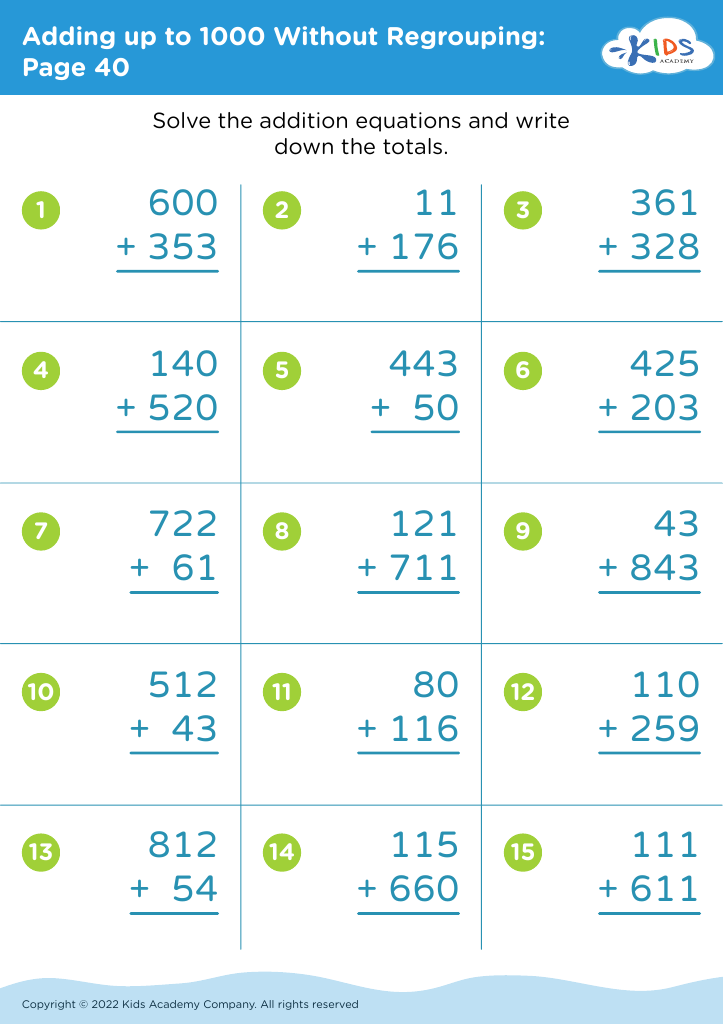
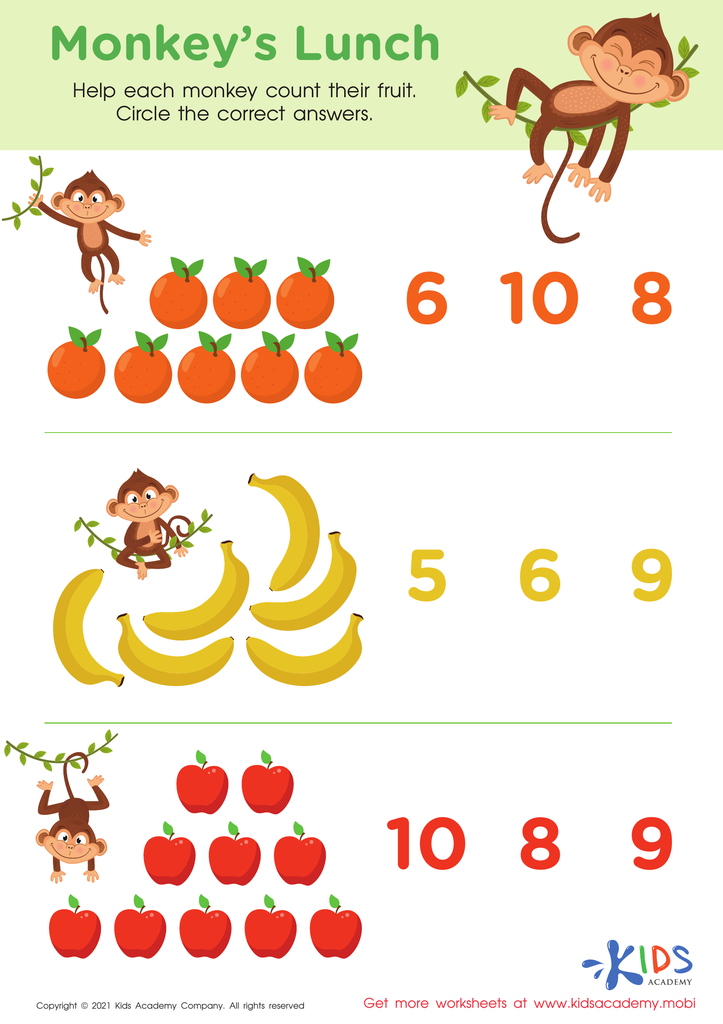
Monkey’s Lunch Worksheet
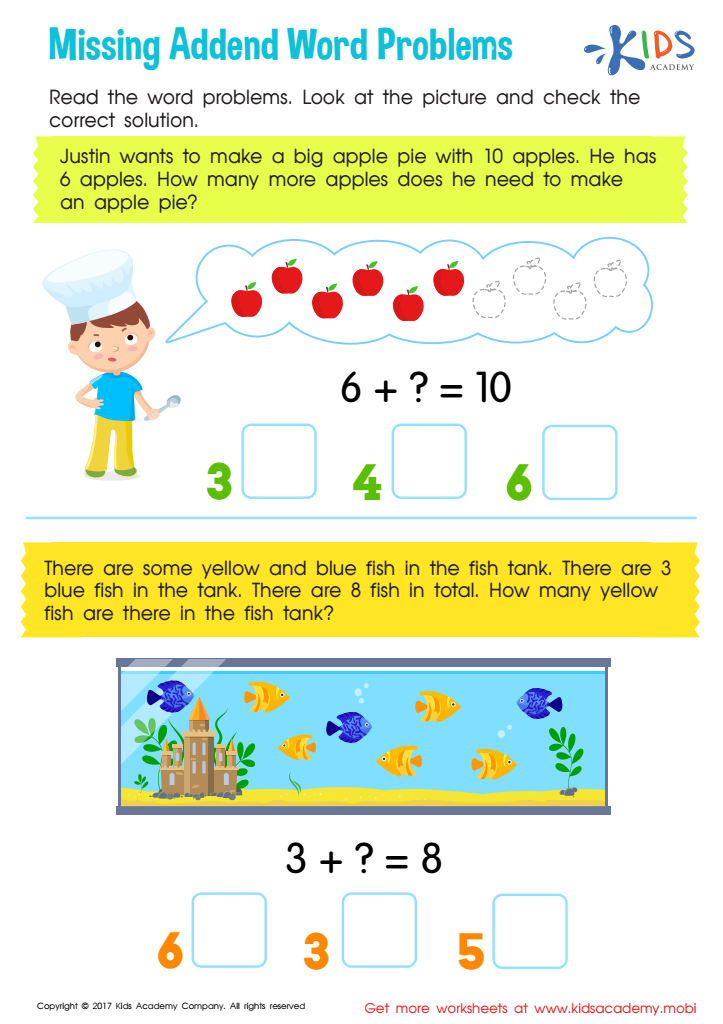
Missing Addend Word Problems Worksheet
 Assign to My Students
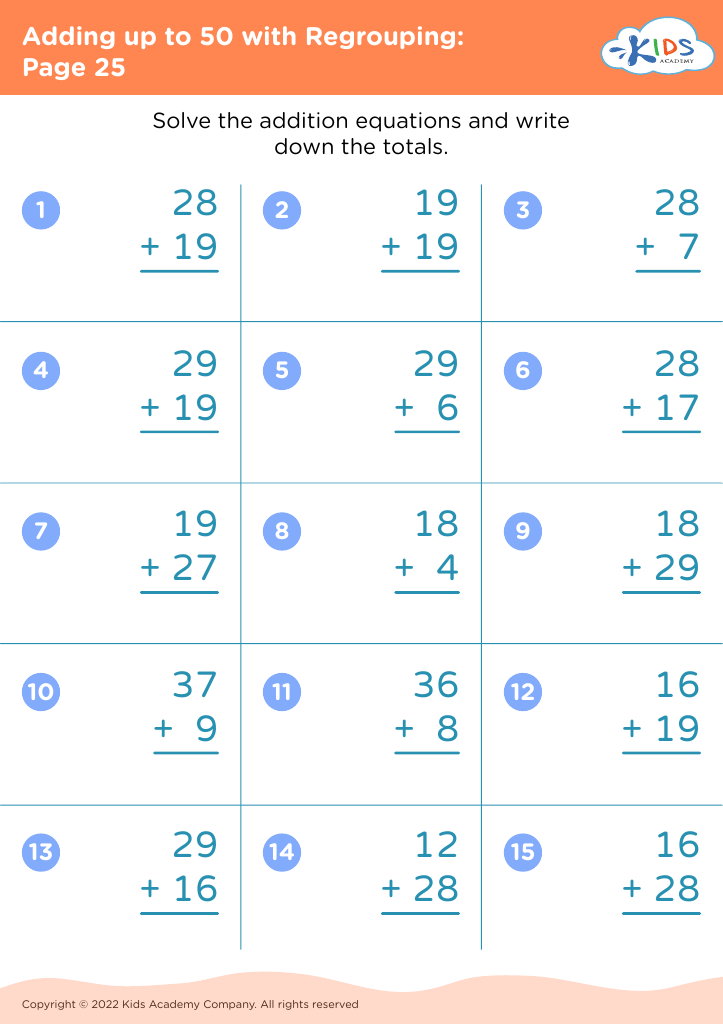








Developing problem-solving skills in children aged 4-7 is crucial for their cognitive, emotional, and social growth. At this tender age, children are naturally curious and eager to explore their environment. By fostering problem-solving abilities, parents and teachers can help children learn how to navigate challenges, make decisions, and embrace challenges with confidence.
Problem-solving encourages critical thinking, which lays the foundation for later academic success. It helps in developing persistence; children learn that failure can be a stepping stone to finding a solution rather than a setback. Engaging in problem-solving activities—like puzzles, games, and cooperative tasks—also enhances creativity, as children explore various strategies and perspectives.
Moreover, such skills improve emotional intelligence because children learn to understand different viewpoints and manage frustration when faced with obstacles. Socially, problem-solving promotes teamwork and communication skills, as children often need to collaborate with peers to find solutions.
Ultimately, by prioritizing problem-solving skills, parents and teachers empower children to become independent thinkers and adept learners, preparing them not only for school but for a multitude of real-life situations as they grow. Igniting this passion early on sets the stage for lifelong learning and resilience.








