Differentiating shapes Worksheets for Ages 4-7
5 filtered results
-
From - To
Enhance your child's geometric understanding with our Differentiating Shapes Worksheets for ages 4-7. Designed to help young learners identify, compare, and distinguish between various shapes, these engaging activities support early math skills development. Through colorful, fun exercises, children will learn to recognize shapes such as circles, squares, triangles, and more. Ideal for both classroom use and homeschooling, our worksheets encourage interactive learning while boosting critical thinking and observational skills. Help your little ones build a strong foundation in geometry with our expertly crafted resources – the perfect start for their academic journey!
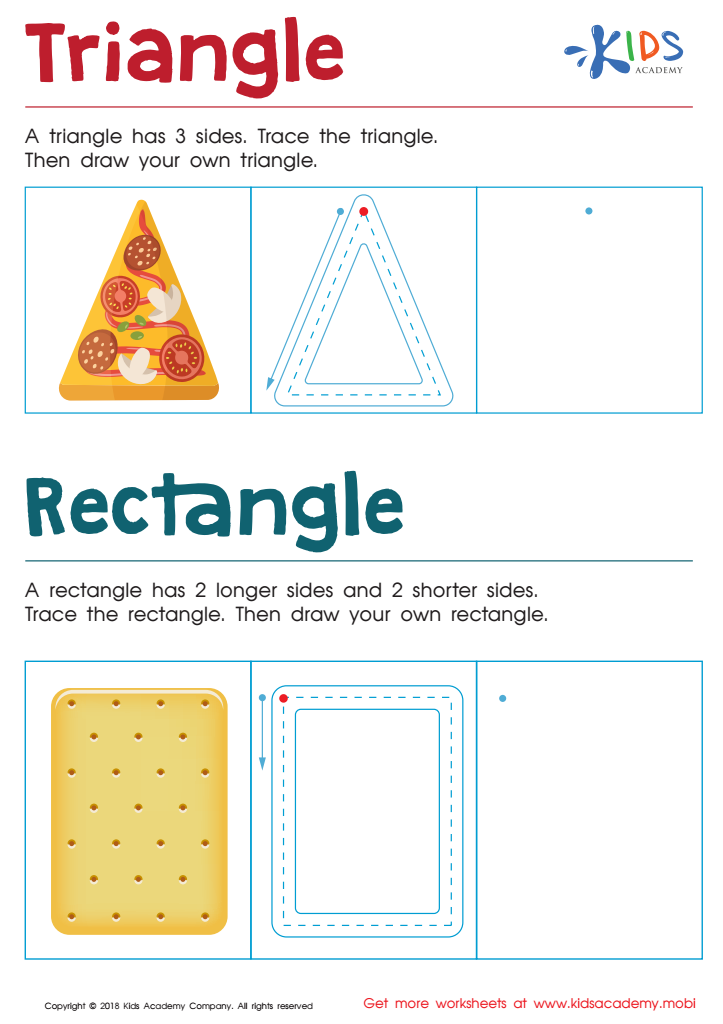
Triangle Rectangle Worksheet
 Assign to My Students
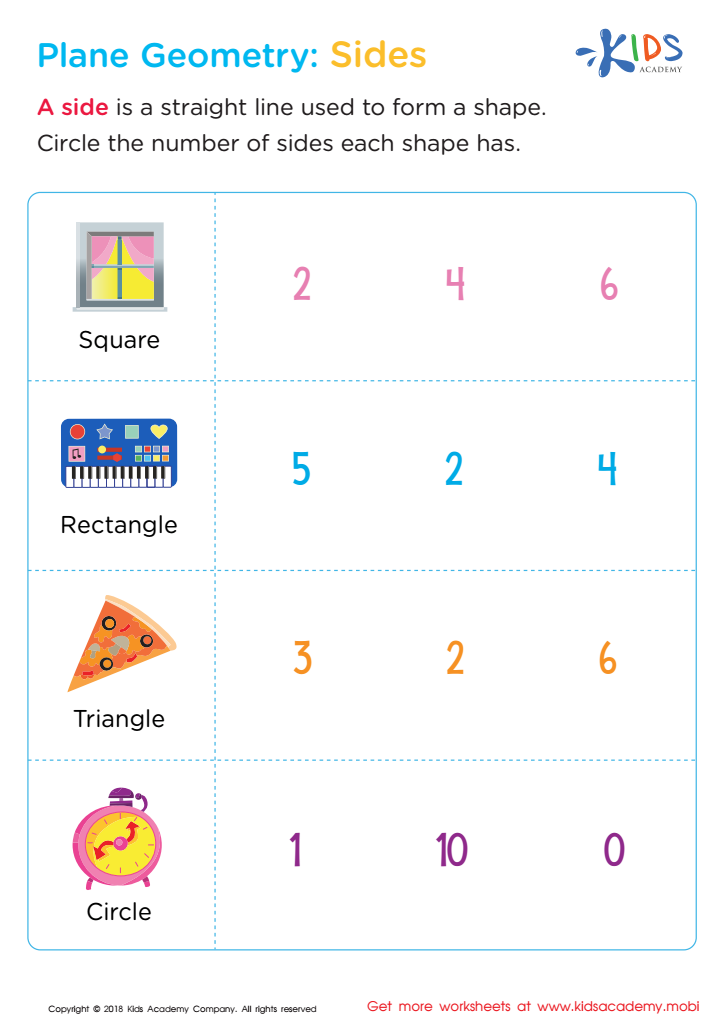
Plane Geometry: Sides Worksheet
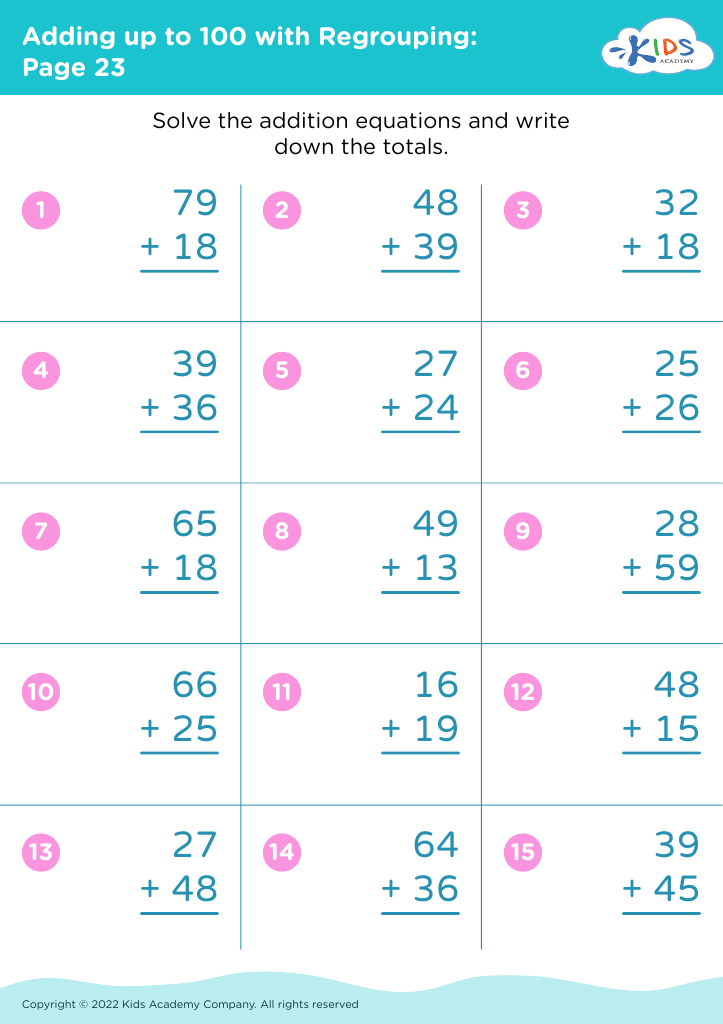
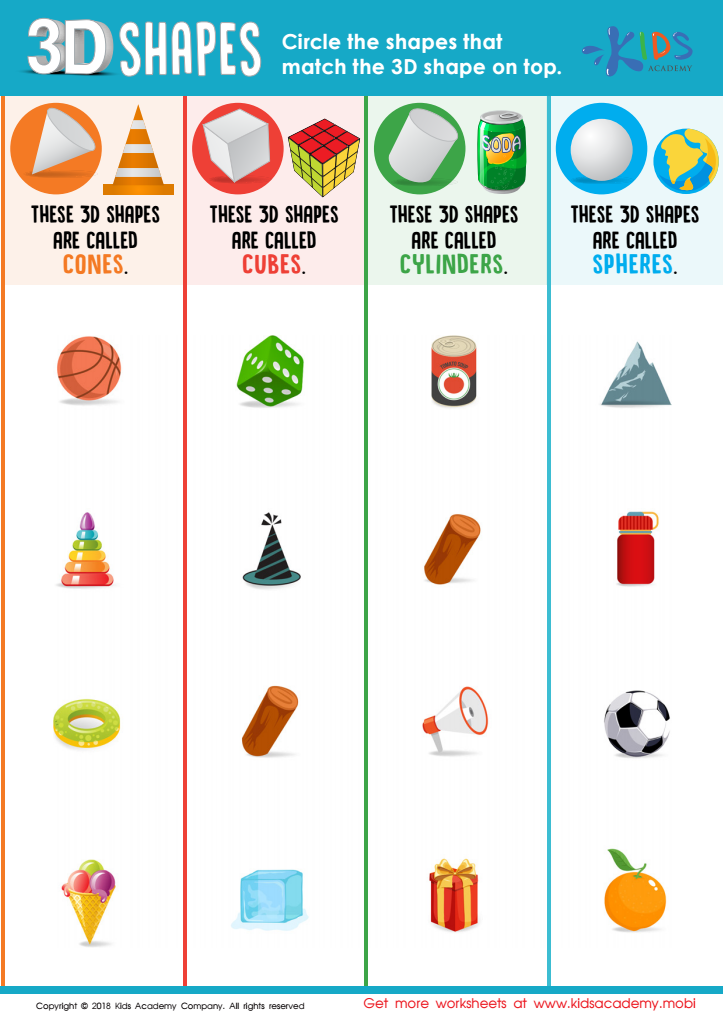
3D Shapes Worksheet







Differentiating shapes is a fundamental skill in early childhood education that parents and teachers should prioritize for ages 4-7. At this developmental stage, children are honing their cognitive and perceptual skills. By learning to differentiate shapes, they not only enhance their spatial awareness but also lay the groundwork for essential cognitive abilities. Understanding shapes aids in the development of problem-solving and critical-thinking skills, which are crucial for later mathematical concepts, such as geometry, symmetry, and even basic algebra.
Moreover, recognizing and categorizing shapes supports visual literacy and fine motor skills. Activities like tracing, drawing, and constructing shapes help improve hand-eye coordination and are foundational for writing skills. In social and life skills contexts, being able to distinguish shapes aids children in navigating their environments more effectively – for instance, identifying traffic signs or interpreting pictorial instructions.
Emphasizing shape differentiation caters to varied learning styles, be it kinesthetic, visual, or tactile, fostering an inclusive learning environment that values each child's unique way of processing information. Beyond academics, engaging with shapes through playful activities also enriches their creativity and imagination. Through guided exploration, children begin to see everyday objects, fostering a curiosity about the world around them and nurturing lifelong learning habits.








