Enhance problem-solving Worksheets for Ages 4-7
5 filtered results
-
From - To
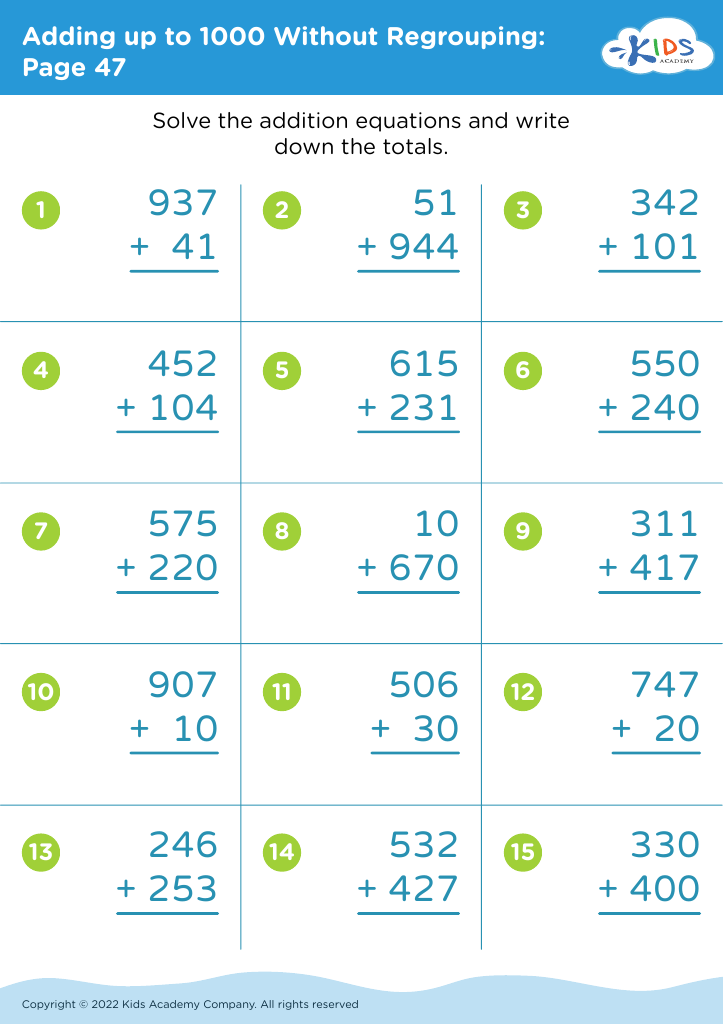
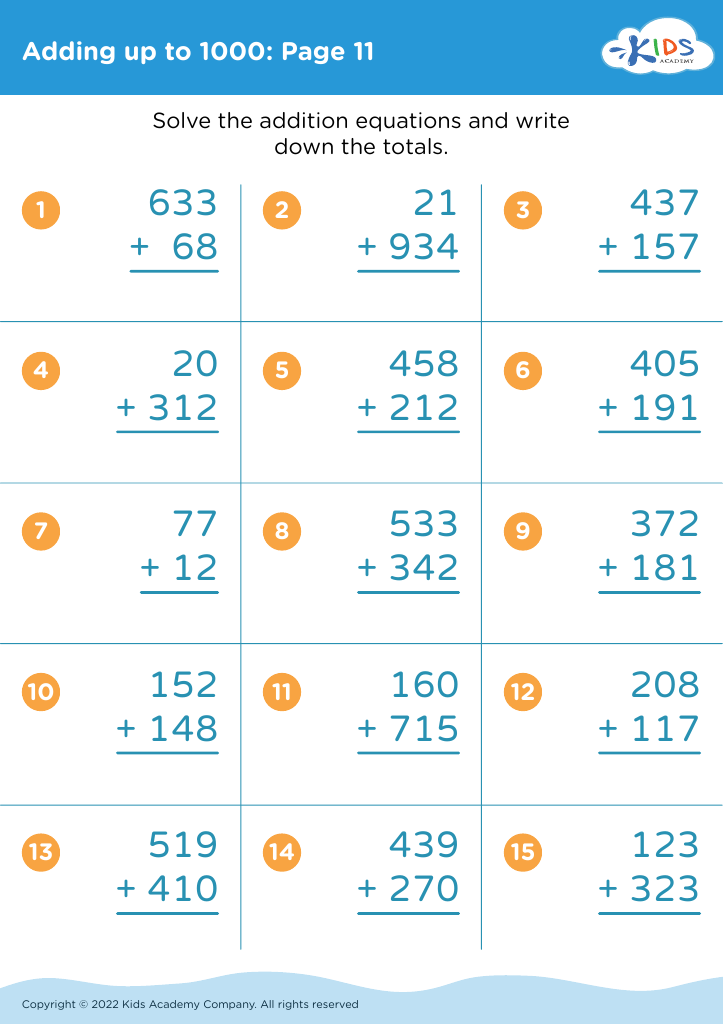
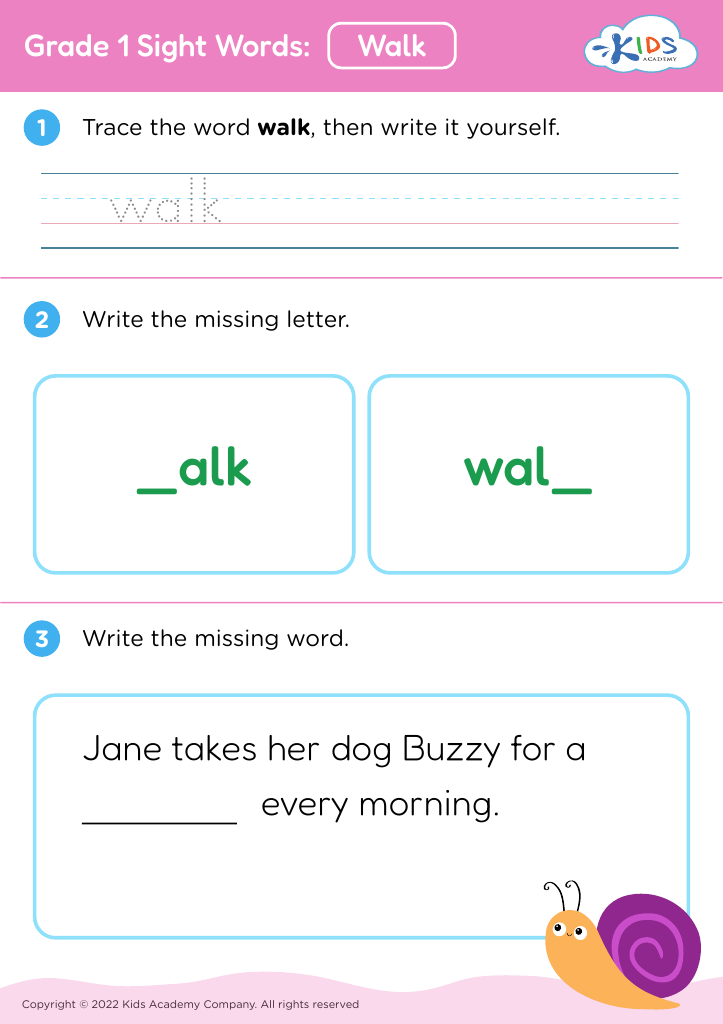
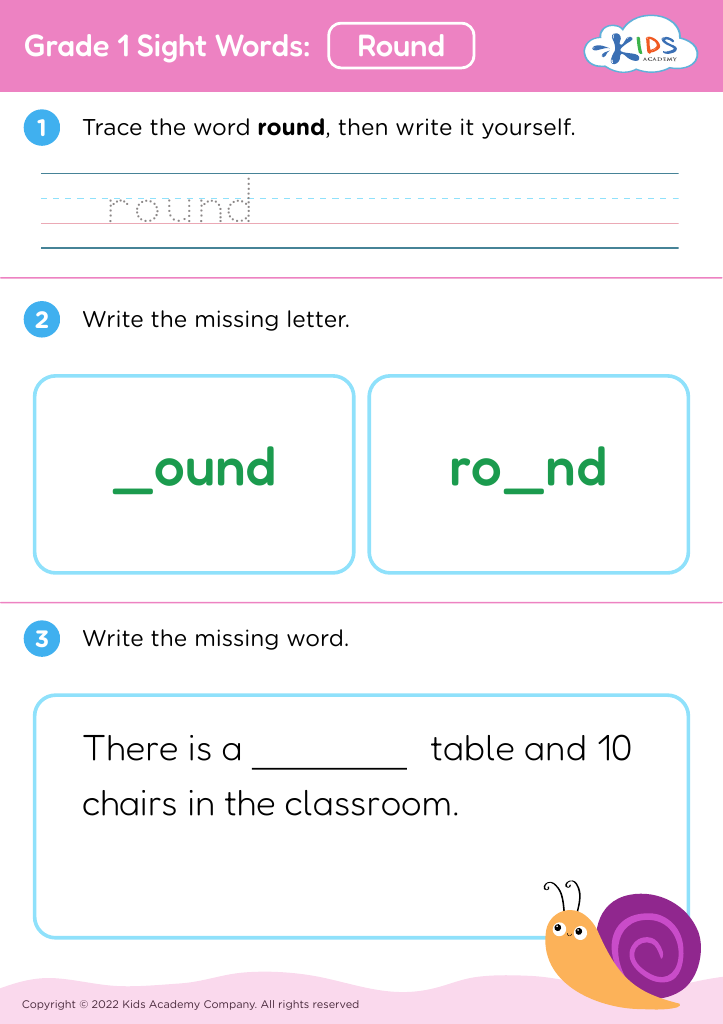
Discover our engaging Enhance Problem-Solving Worksheets designed specifically for children aged 4-7! These worksheets provide a fun way for young learners to develop critical thinking and reasoning skills. With a variety of activities, including puzzles, riddles, and relatable scenarios, children will sharpen their problem-solving abilities while exploring new concepts. Designed by educators, each worksheet caters to different learning styles, making it easy for kids to grasp foundational skills in an enjoyable manner. Perfect for home or classroom use, our worksheets are a valuable resource for parents and teachers alike, ensuring children develop essential skills they'll use for a lifetime. Start exploring today!









Enhancing problem-solving skills in children aged 4-7 is crucial for their overall development and future success. At this age, children are naturally curious, and fostering problem-solving abilities channels this curiosity into productive thinking. These skills lay the groundwork for critical thinking, creativity, and independence, equipping children with the tools they need to navigate challenges in school and everyday life.
When parents and teachers nurture problem-solving, they encourage a growth mindset. Children learn that making mistakes is part of learning and that persistence is key. This resilience not only helps them tackle academic challenges but also social interactions, emotional regulation, and decision-making as they grow older.
Moreover, problem-solving skills are closely tied to literacy and numeracy. Engaging in activities such as puzzles, games, and hands-on projects reinforces conceptual understanding and sparks a love for learning. Additionally, collaboration with peers during problem-solving tasks fosters communication skills and teamwork, essential for future success in more complex social environments.
Ultimately, prioritizing problem-solving in early education creates a solid foundation for lifelong learning and adaptability, preparing children to thrive in an increasingly complex world. Therefore, parents and teachers should take an active role in implementing strategies that promote problem-solving in early childhood education.








