Enhances number recognition Worksheets for Ages 4-7
6 filtered results
-
From - To
Welcome to our "Enhances Number Recognition Worksheets for Ages 4-7"! These engaging and interactive worksheets are designed to support young learners in developing essential number recognition skills. With vibrant visuals and fun activities, children will explore numbers through tracing, matching, and identification exercises. Our carefully crafted worksheets cater to different learning styles while making math enjoyable. Perfect for home or classroom use, these resources help build a strong foundation for future numerical understanding. Encourage your child's counting abilities and boost their confidence with our stimulating worksheets that make learning numbers a delightful adventure! Start fostering number recognition today!
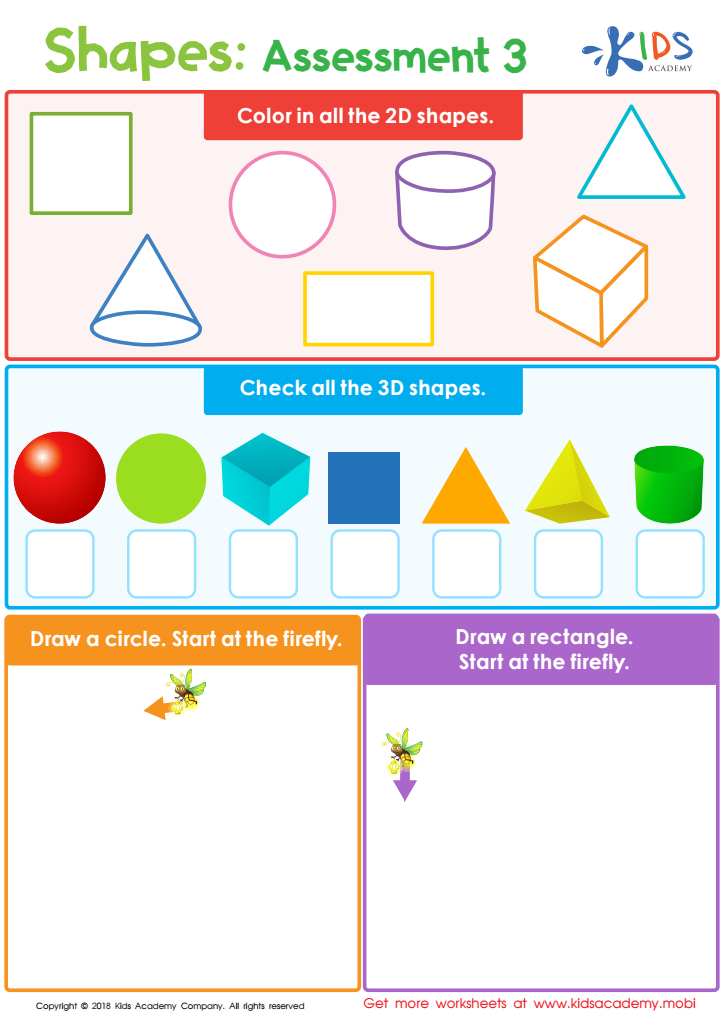
Shapes: Assessment 3 Worksheet
 Assign to My Students
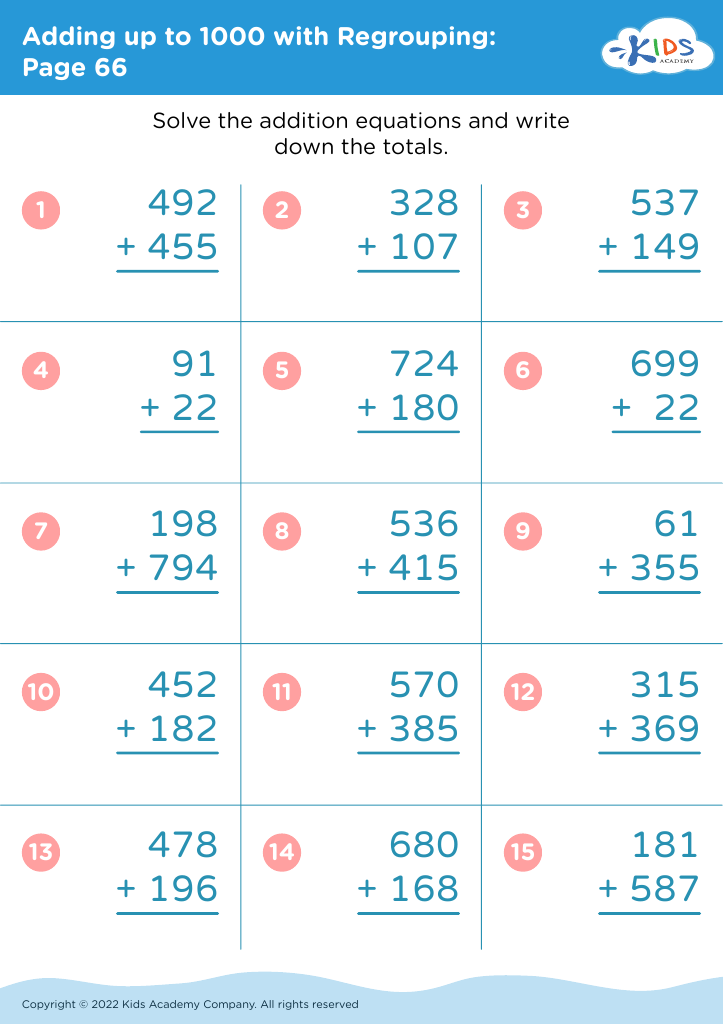
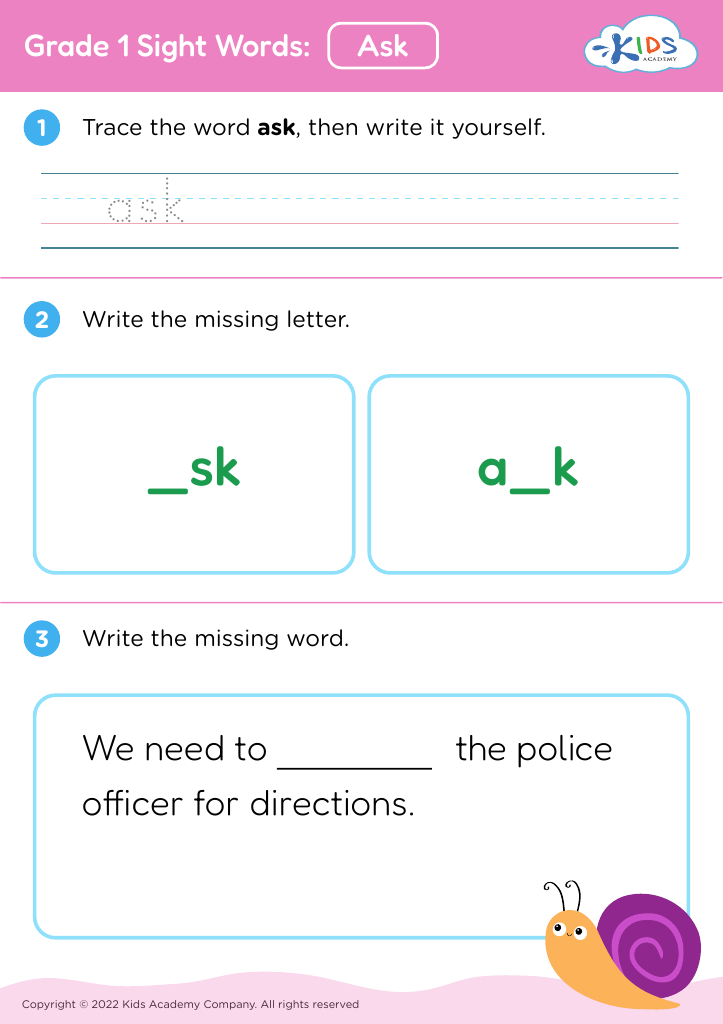







Enhancing number recognition for children aged 4 to 7 is crucial for several reasons. Firstly, number recognition lays the foundation for all future mathematics learning. When children can confidently identify and understand numbers, they are better prepared for more complex concepts such as addition, subtraction, and even later algebra. This foundational skill not only promotes mathematical reasoning but also aids in developing critical problem-solving abilities that extend beyond math into everyday life.
Beyond the academic benefits, number recognition contributes to greater confidence in young learners. Children who master numbers early on often display increased self-esteem when participating in math-related activities. Additionally, this skill supports early literacy by fostering an understanding of patterns and sequences, which are common in both math and language development.
Furthermore, in today’s numerically driven world, ensuring children are comfortable with numbers is essential for their day-to-day encounters, from managing money to time-telling and data comprehension. Therefore, both parents and teachers have a vested interest in encouraging number recognition. Engaging activities and positive reinforcement can make learning enjoyable, setting a solid groundwork for children's future educational journeys and empowering them to become competent and confident learners.








