Following directions Worksheets for Ages 4-7
5 filtered results
-
From - To
Explore our engaging Following Directions Worksheets designed specifically for children aged 4-7! These fun and interactive worksheets help young learners develop crucial listening and comprehension skills while nurturing their ability to follow instructions accurately. With a variety of exercises featuring colorful illustrations and age-appropriate tasks, your child will enjoy practicing essential skills in an enjoyable way. Perfect for home or classroom use, our worksheets support early literacy and learning through play, helping children gain confidence in their abilities. Start your child's journey to mastering following directions today and watch them thrive in their learning adventures!
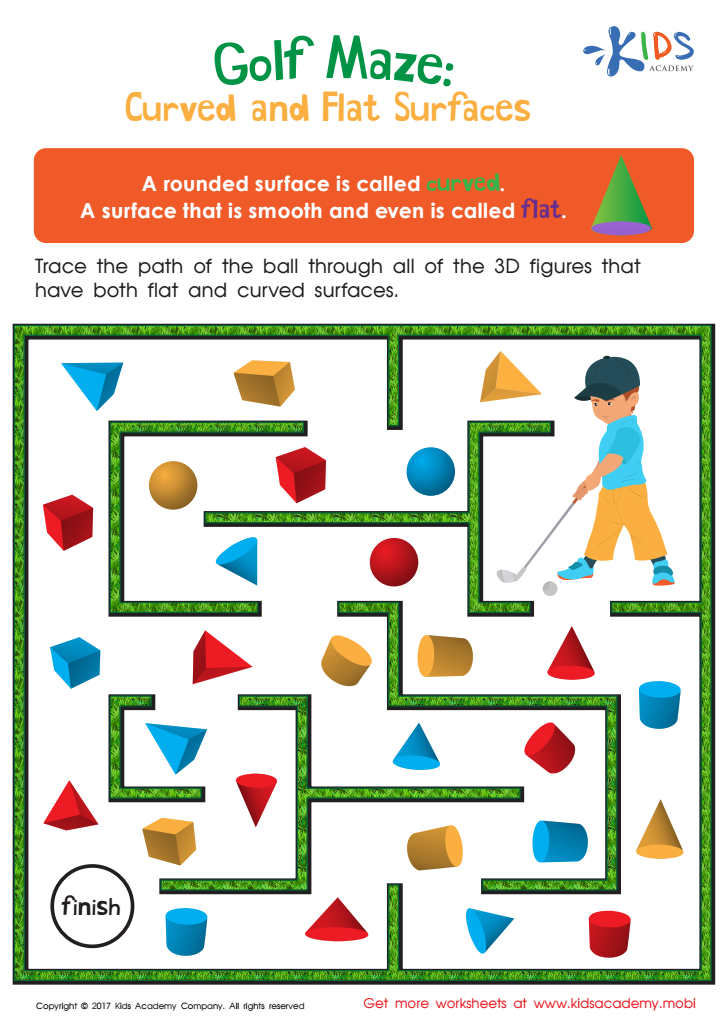
Golf Maze: Curved and Flat Surfaces Worksheet
 Assign to My Students
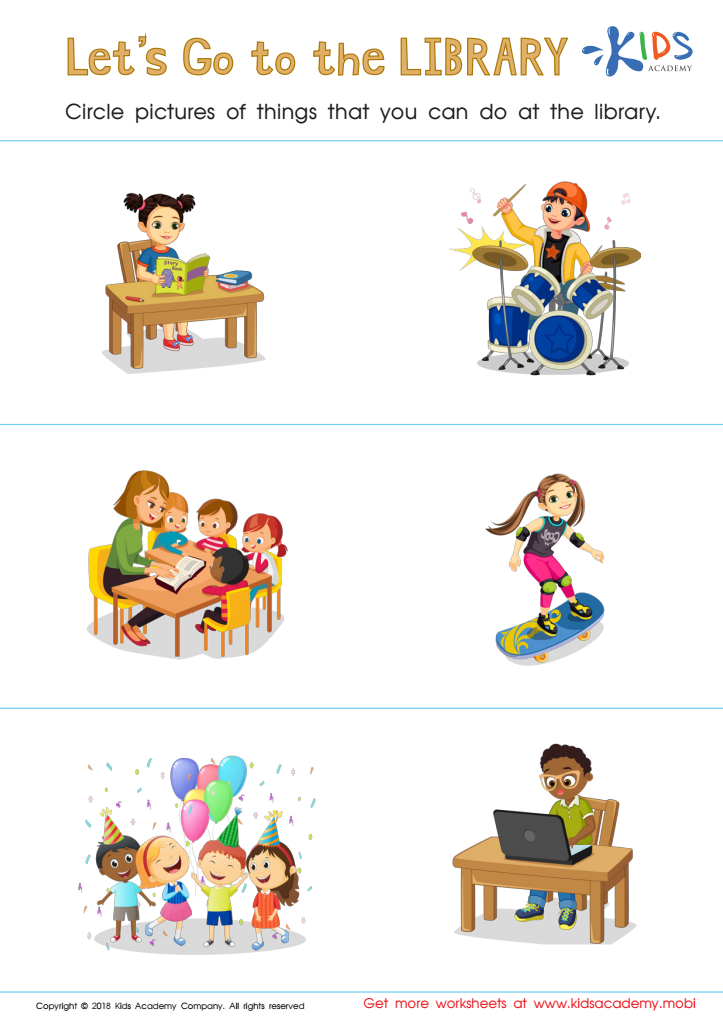
Let's Go to the Library! Worksheet
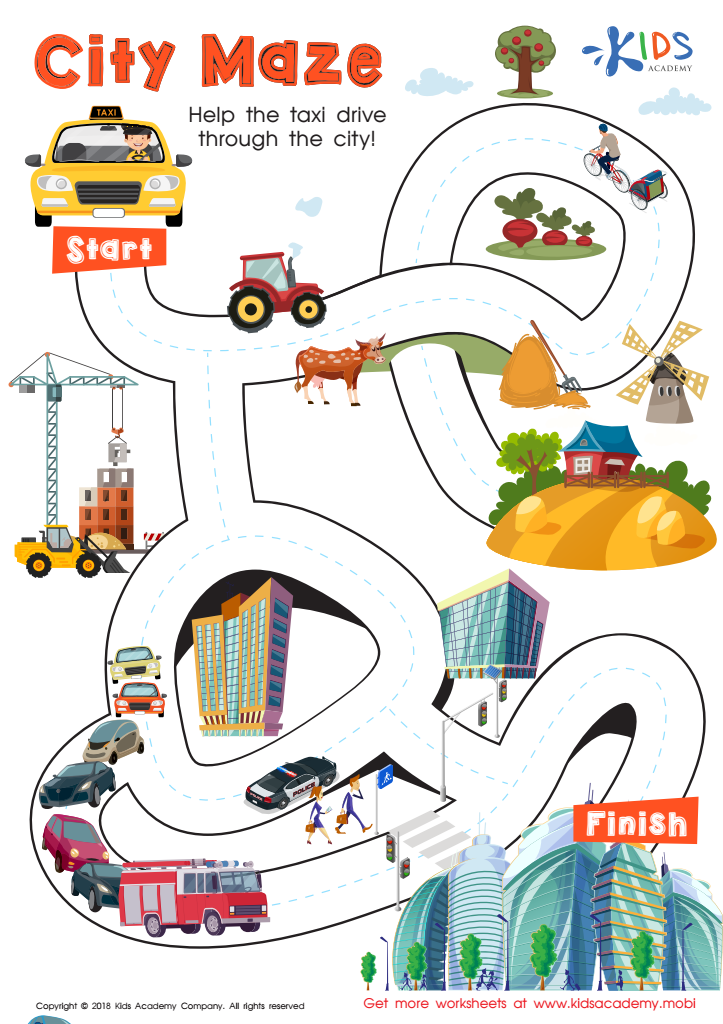
City Maze Worksheet
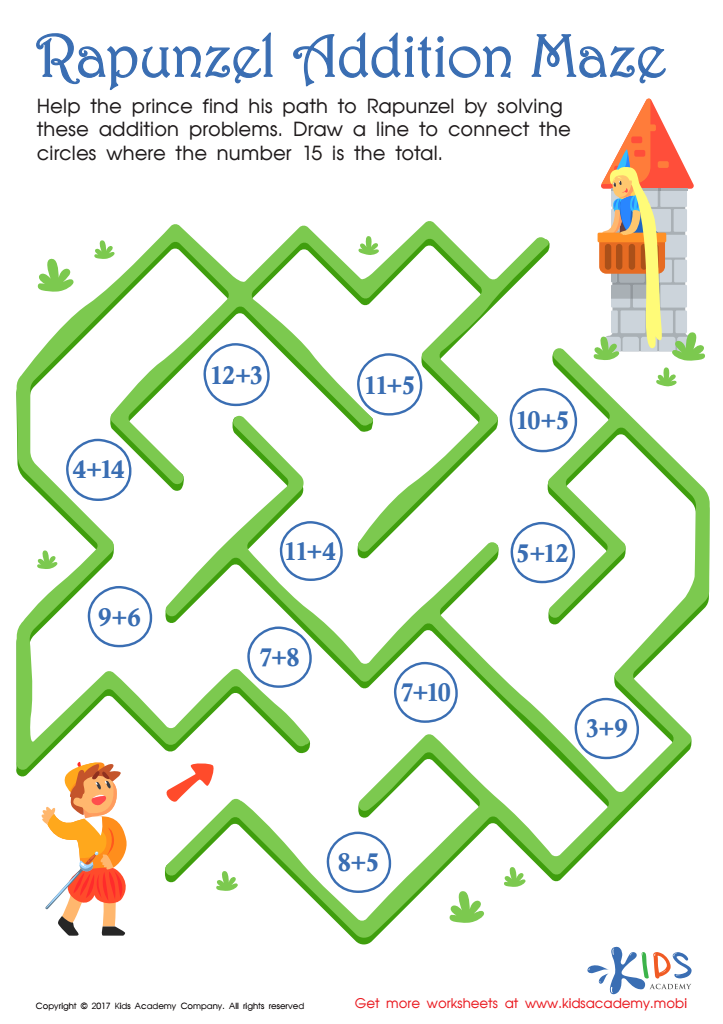
Rapunzel Addition Maze Worksheet








Teaching children ages 4-7 to follow directions is essential for their development, learning, and overall success in school and life. At this age, children are still honing their listening and comprehension skills. When they learn to follow directions effectively, they build a foundation for successful communication, problem-solving, and critical thinking.
First, following directions enhances a child’s ability to learn and retain information. In a classroom setting, educators frequently give instructions. If a child can understand and act on these directives, they will more effectively engage with lessons and classroom activities.
Secondly, mastering this skill helps foster independence and confidence. When children can follow directions, they begin taking responsibility for their actions and decisions, boosting their self-esteem.
Moreover, understanding and executing instructions is crucial for safety. Whether at home or in public, following directions can prevent accidents and ensure a secure environment.
Finally, the ability to follow directions is linked to social interactions. Children learn to work collaboratively and respect authority by following guidance from parents, teachers, and peers.
In summary, helping children ages 4-7 follow directions lays the groundwork for academic success, social skills, and personal safety, making it a critical focus for both parents and educators.








