Check out this FREE "Fraction simplification" Trial Lesson for age 4-7!

Z

Favorites
With answer key
Interactive
  • 4-7
  • Fraction simplification
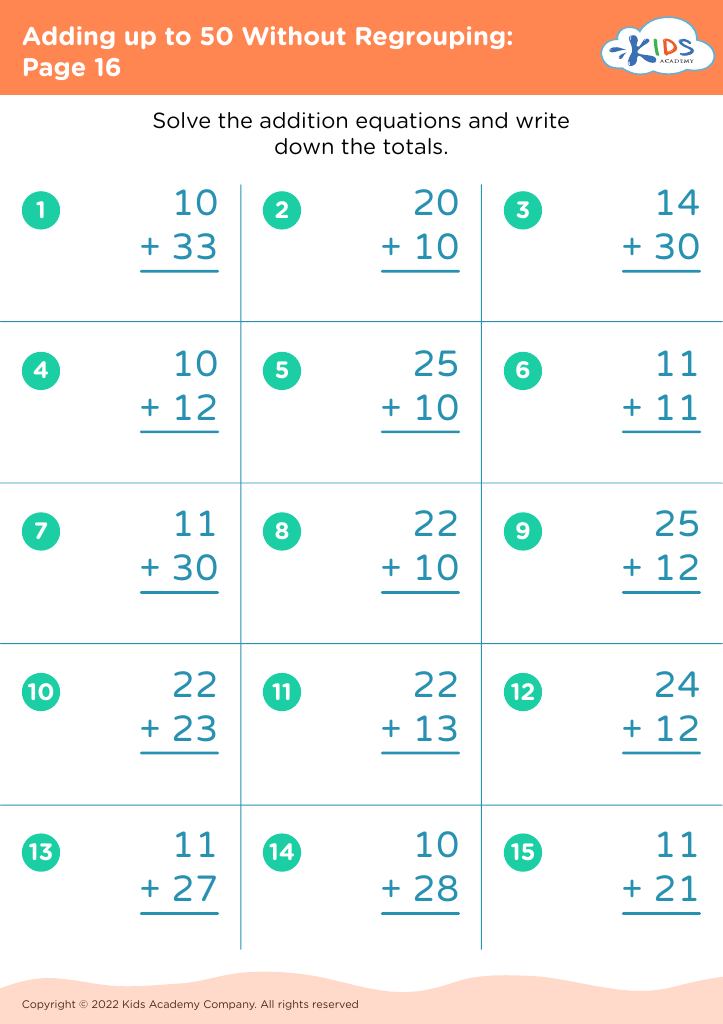
Adding up to 50 Without Regrouping: Page 16
Worksheet
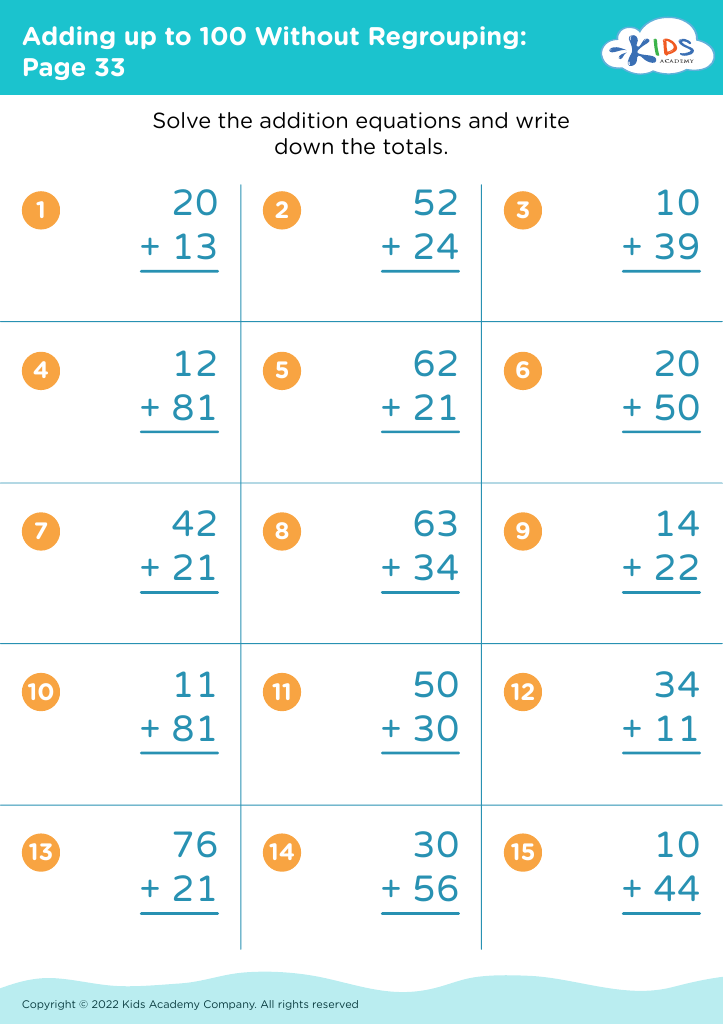
Adding up to 100 Without Regrouping: Page 33
Worksheet
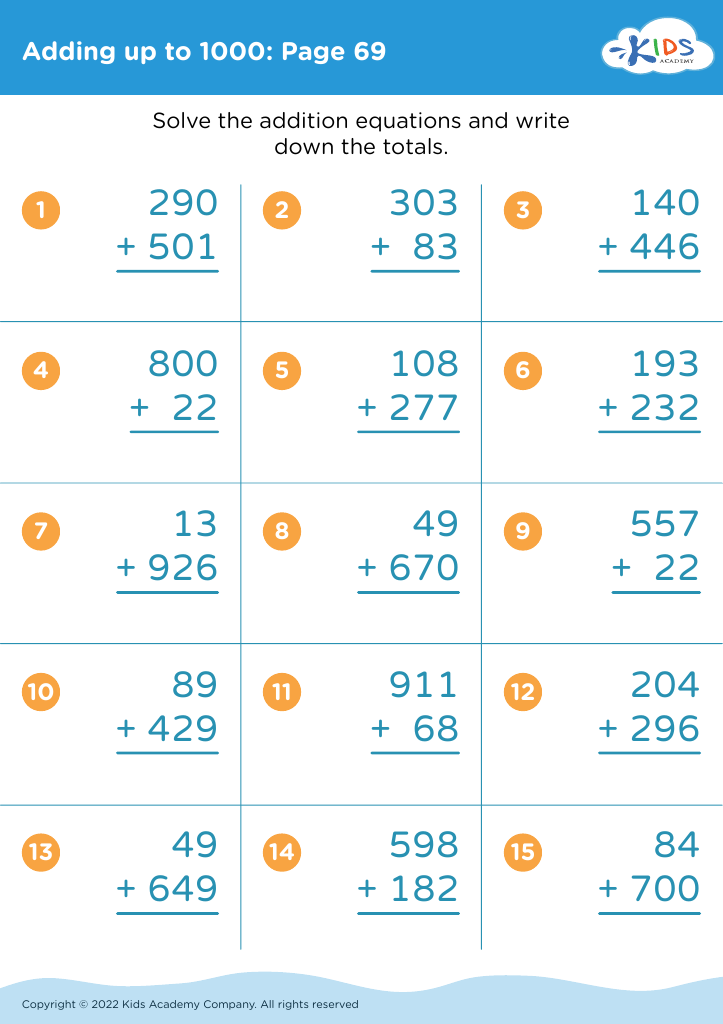
Adding up to 1000: Page 69

Adding up to 1000: Page 69

Adding up to 1000: Page 69
Worksheet
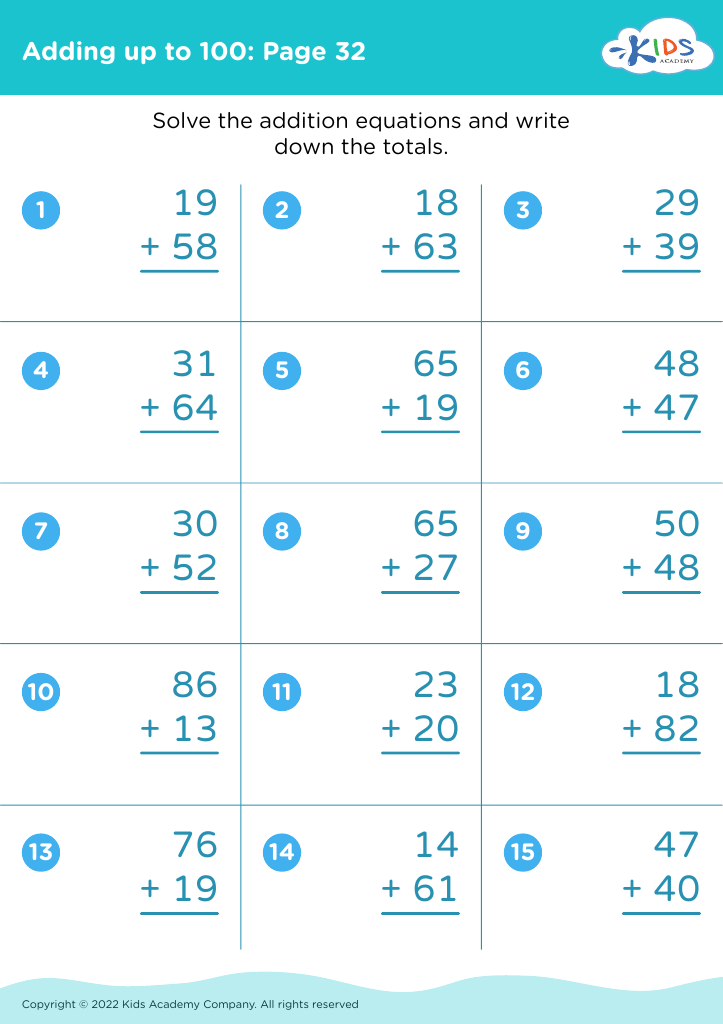
Adding up to 100: Page 32

Adding up to 100: Page 32

Adding up to 100: Page 32
Worksheet
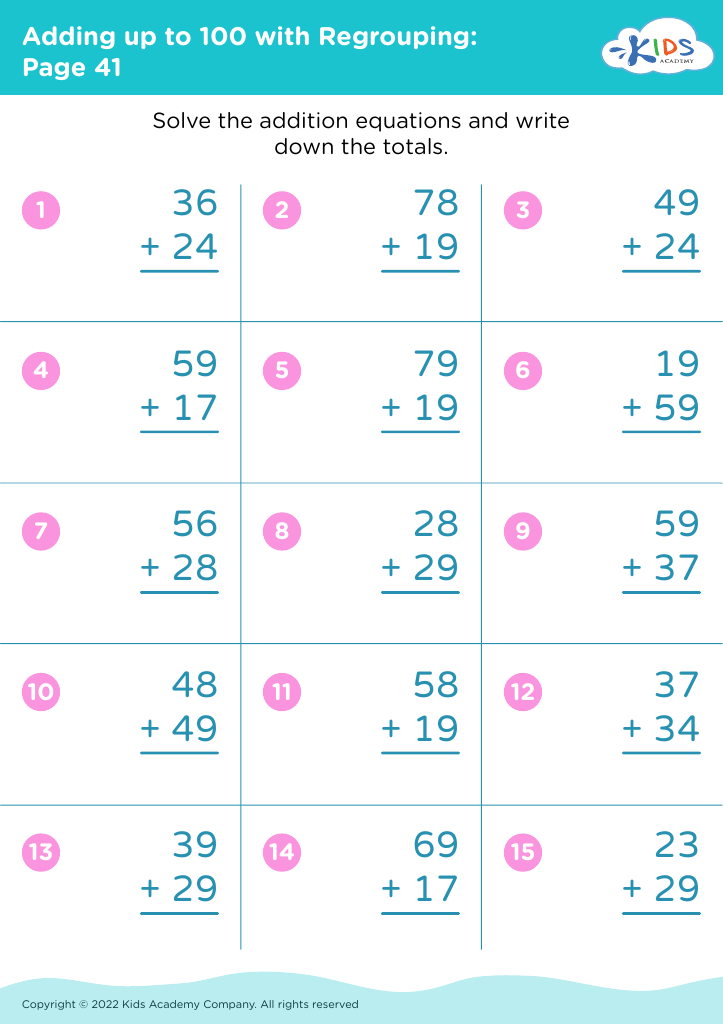
Adding up to 100 with Regrouping: Page 41
Worksheet
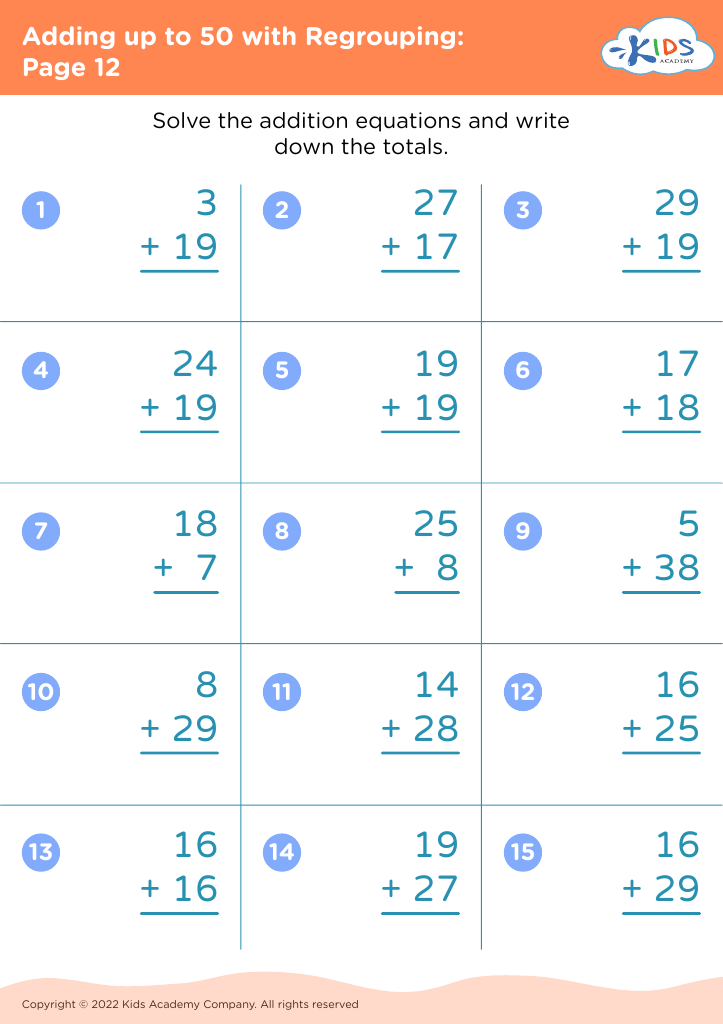
Adding up to 50 with Regrouping: Page 12
Worksheet
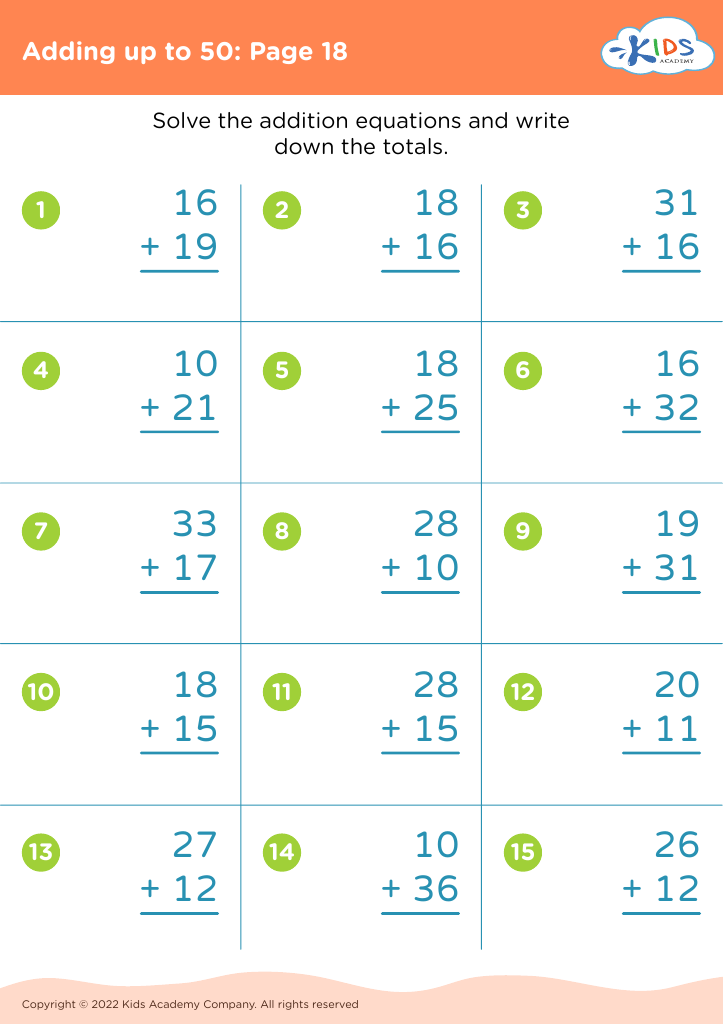
Adding up to 50: Page 18

Adding up to 50: Page 18

Adding up to 50: Page 18
Worksheet
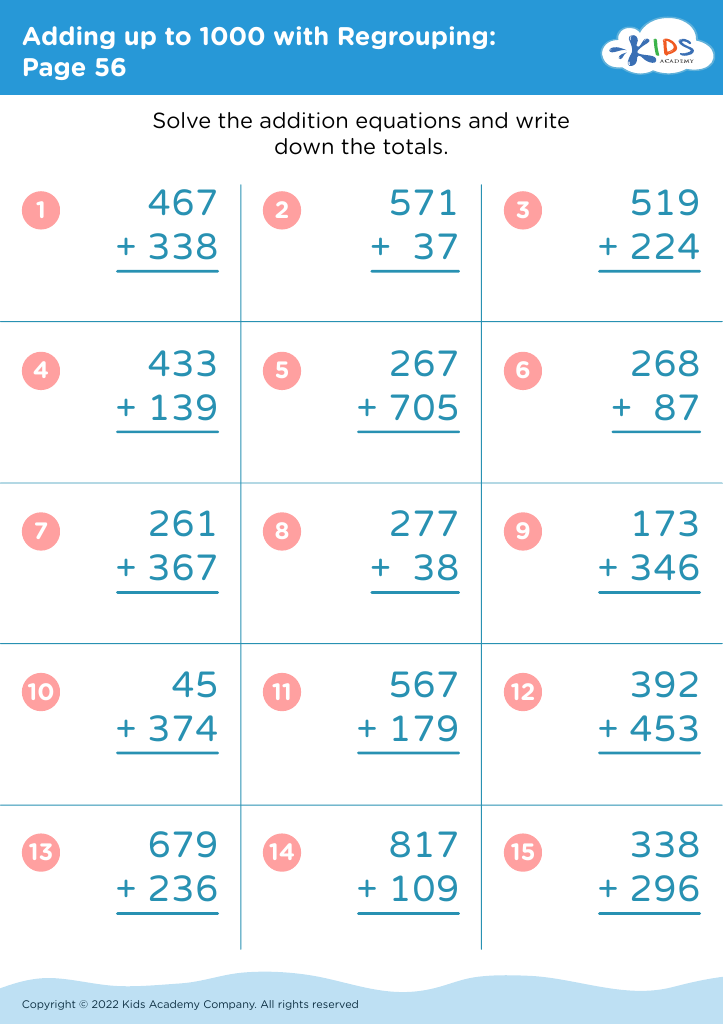
Adding up to 1000 with Regrouping: Page 56
Worksheet
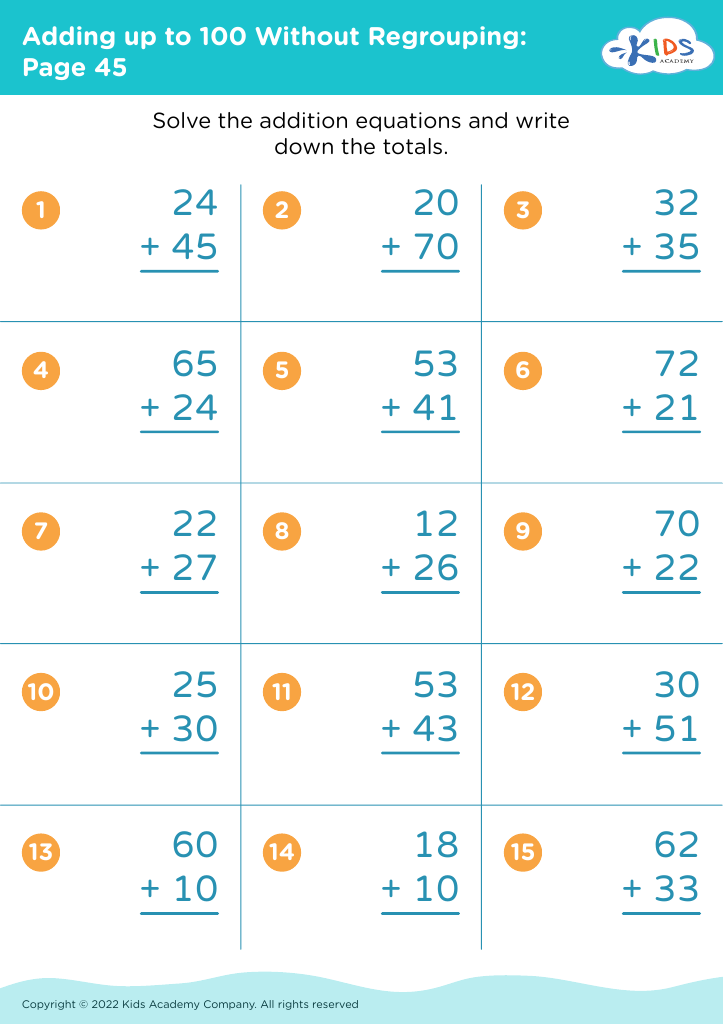
Adding up to 100 Without Regrouping: Page 45
Worksheet
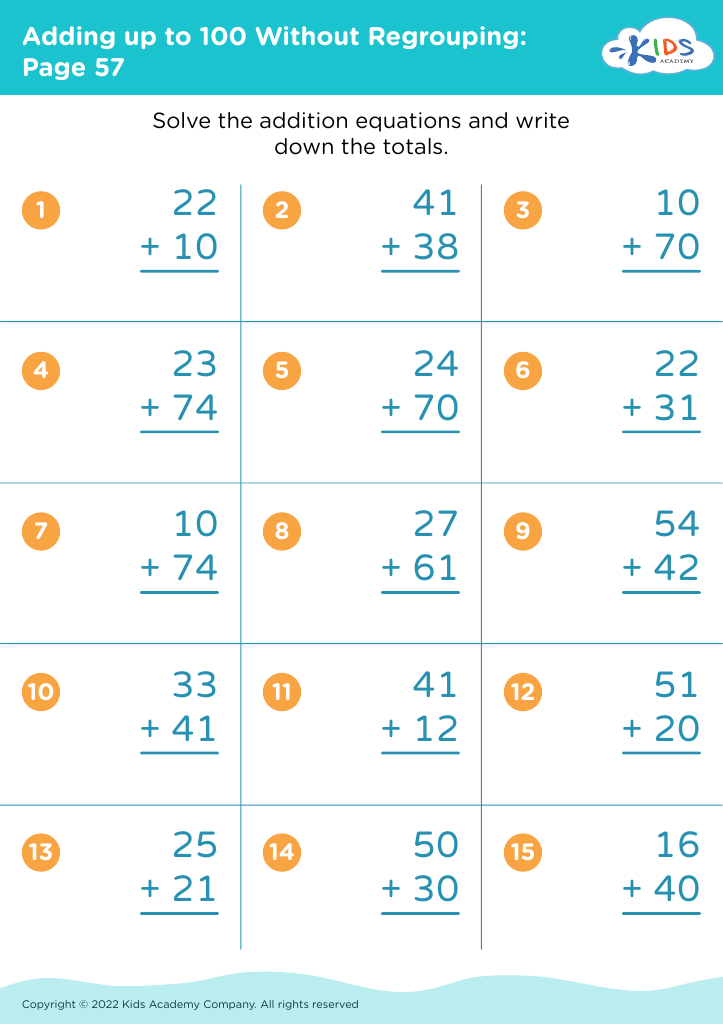
Adding up to 100 Without Regrouping: Page 57
Worksheet
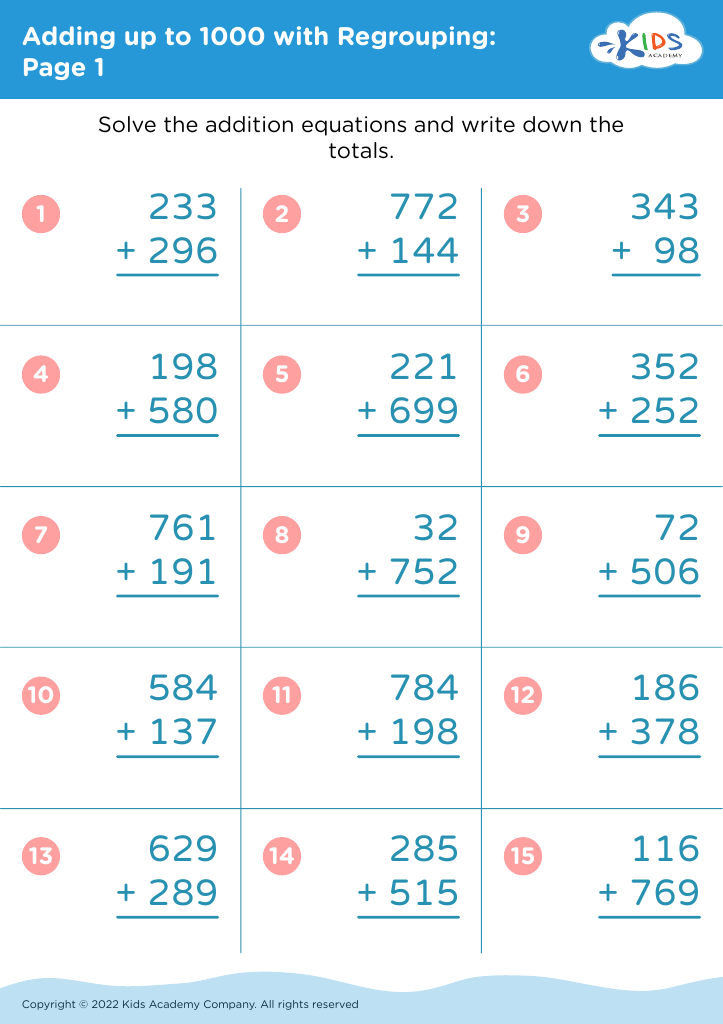
Adding up to 1000 with Regrouping: Page 1
Worksheet
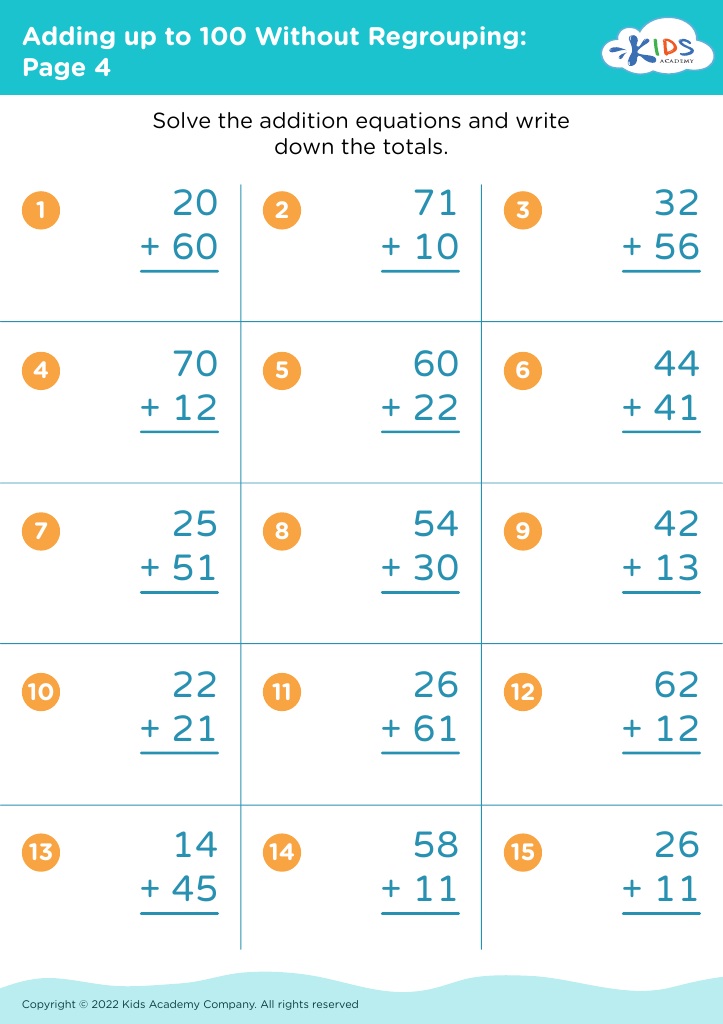
Adding up to 100 Without Regrouping: Page 4
Worksheet
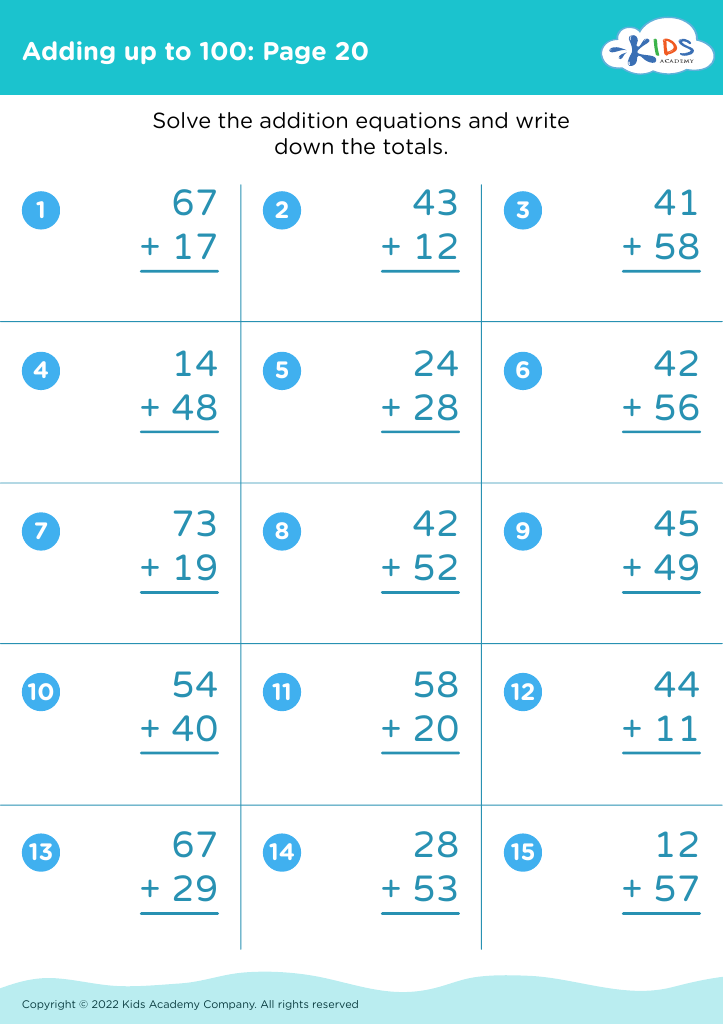
Adding up to 100: Page 20

Adding up to 100: Page 20

Adding up to 100: Page 20
Worksheet
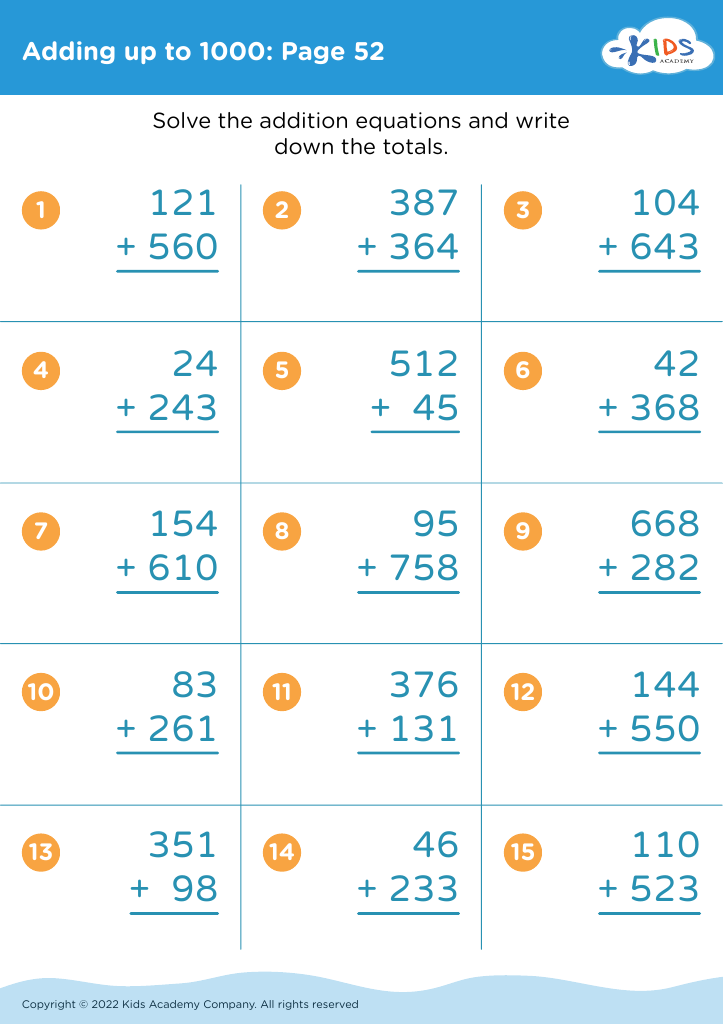
Adding up to 1000: Page 52

Adding up to 1000: Page 52

Adding up to 1000: Page 52
Worksheet
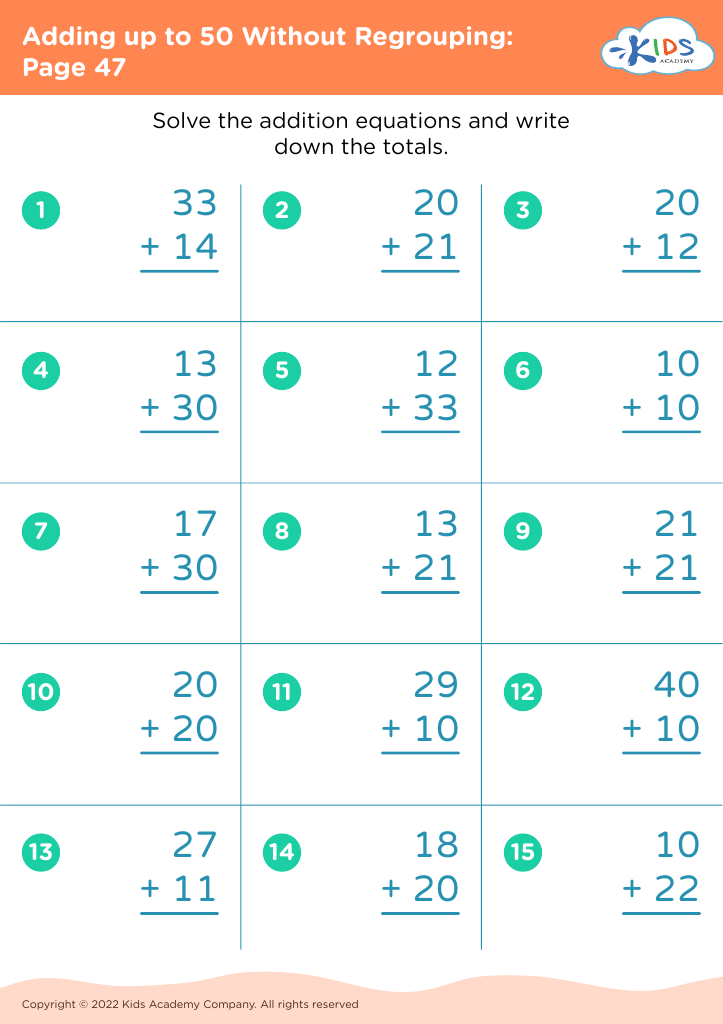
Adding up to 50 Without Regrouping: Page 47
Worksheet
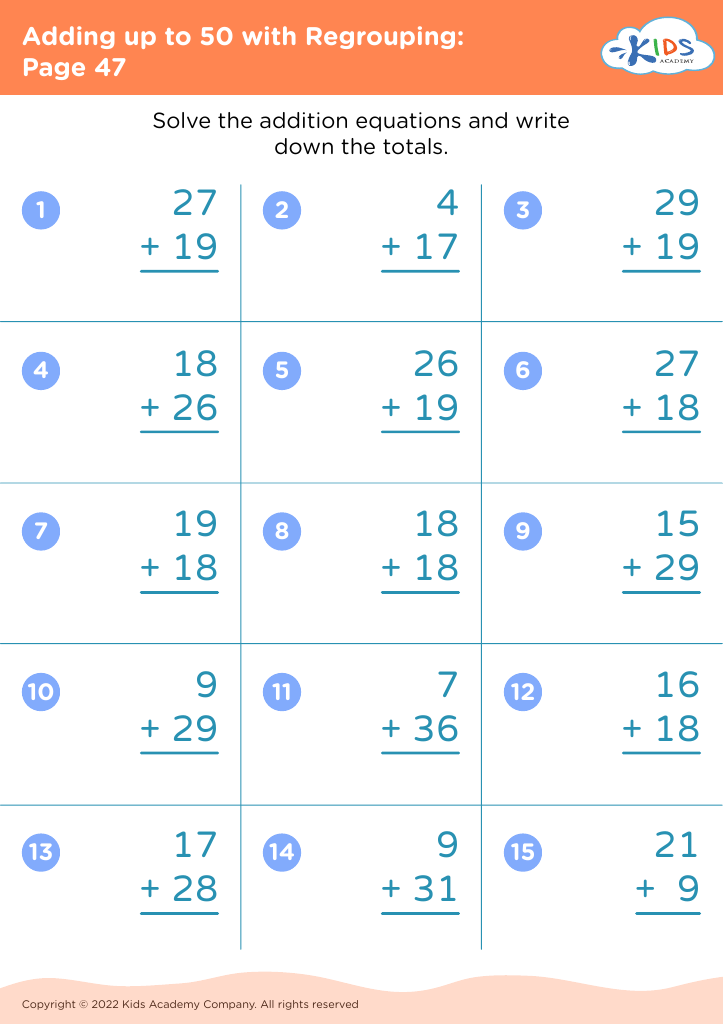
Adding up to 50 with Regrouping: Page 47
Worksheet
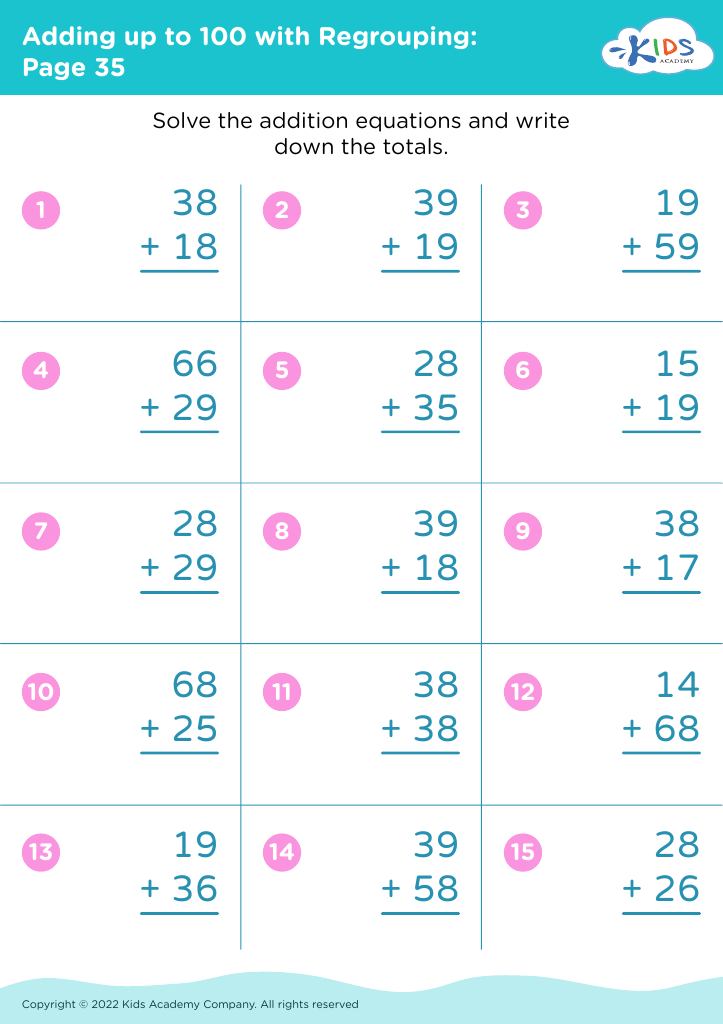
Adding up to 100 with Regrouping: Page 35
Worksheet
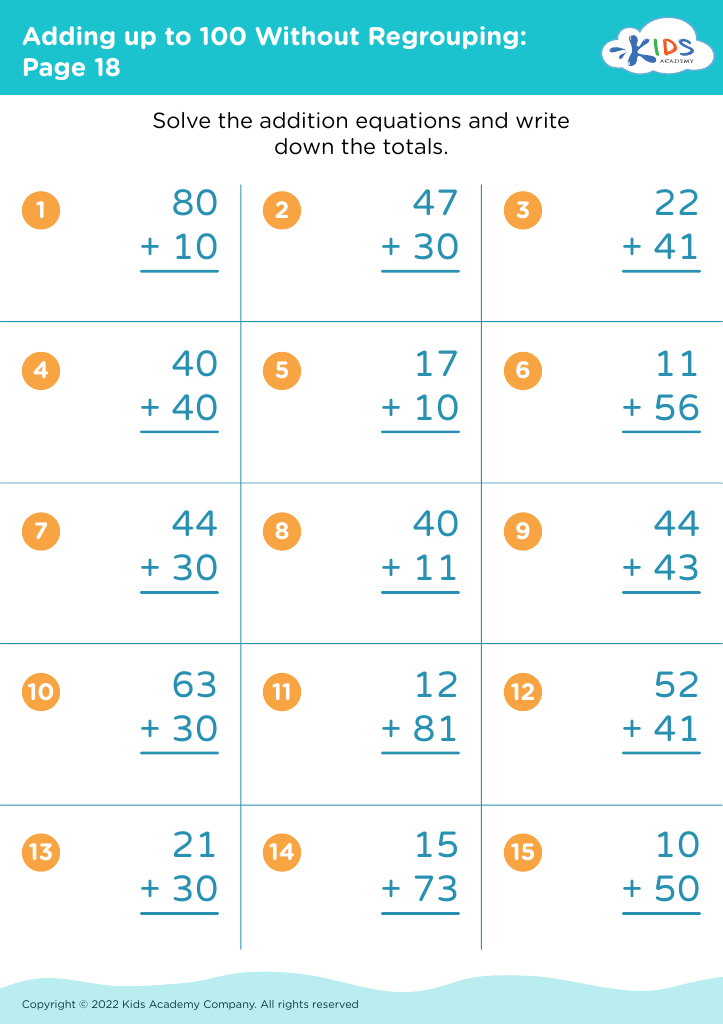
Adding up to 100 Without Regrouping: Page 18
Worksheet
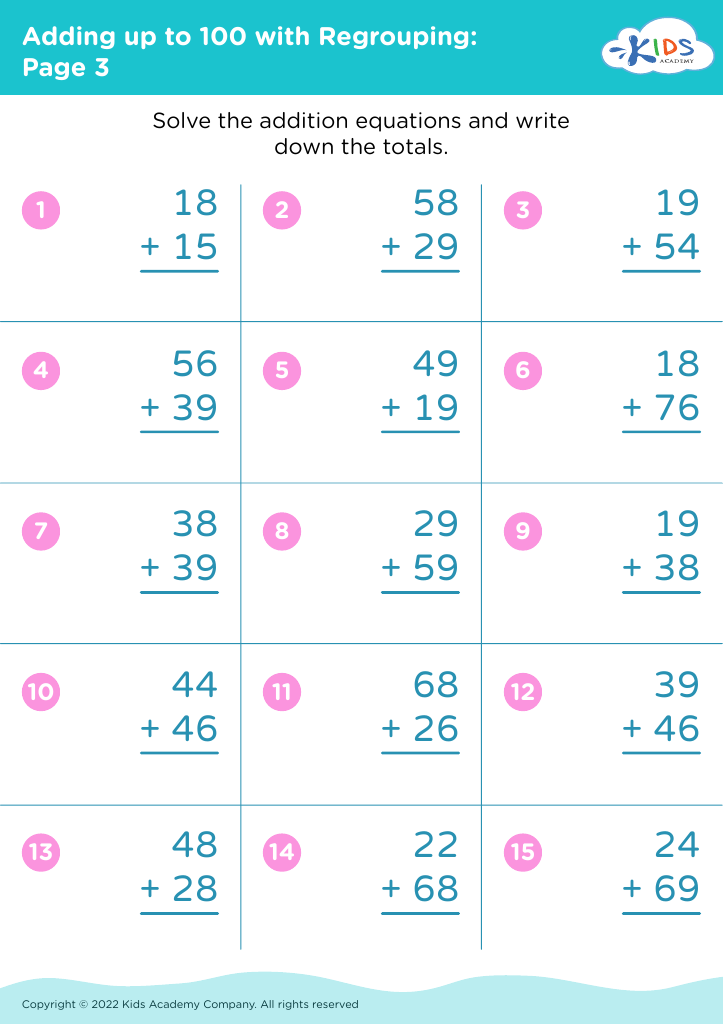
Adding up to 100 with Regrouping: Page 3
Worksheet
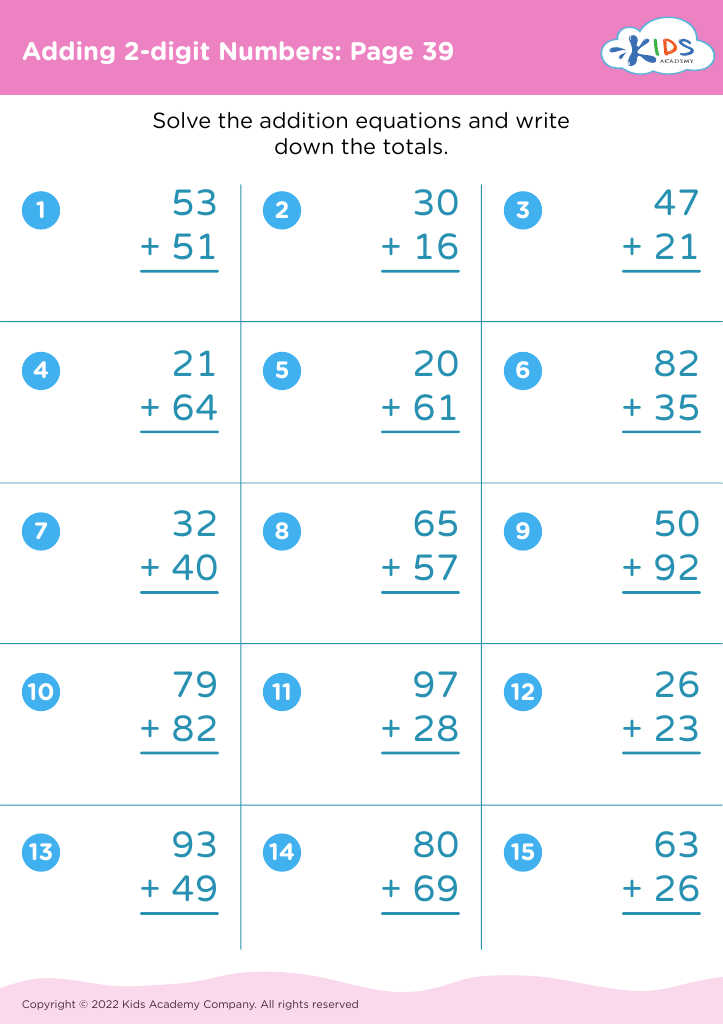
Adding 2-digit Numbers: Page 39

Adding 2-digit Numbers: Page 39

Adding 2-digit Numbers: Page 39
Worksheet
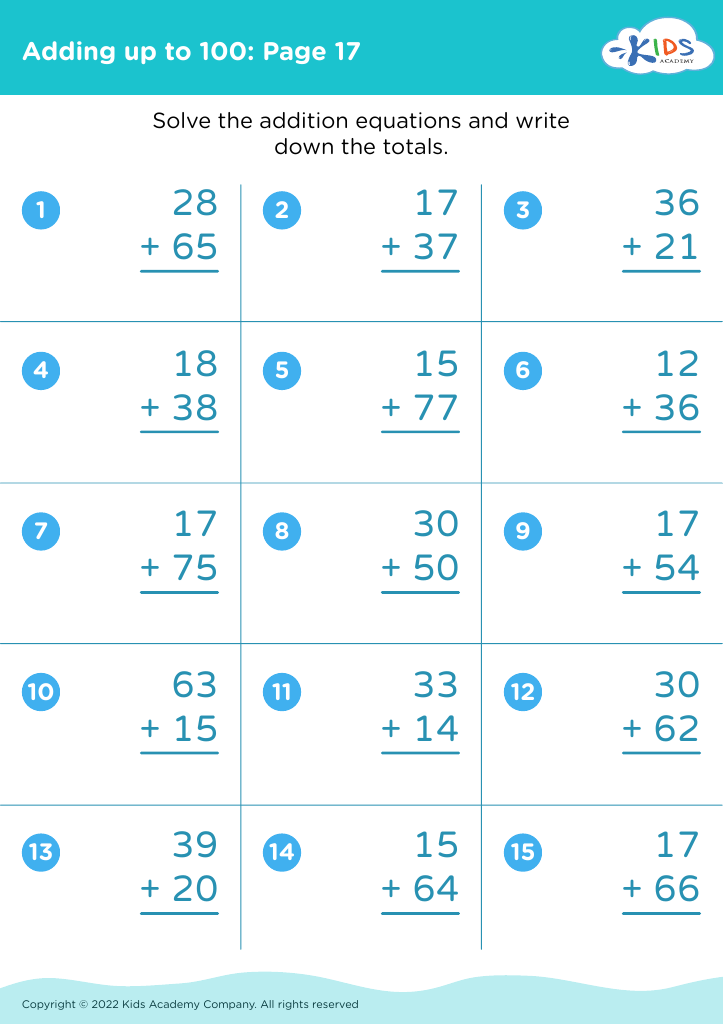
Adding up to 100: Page 17

Adding up to 100: Page 17

Adding up to 100: Page 17
Worksheet
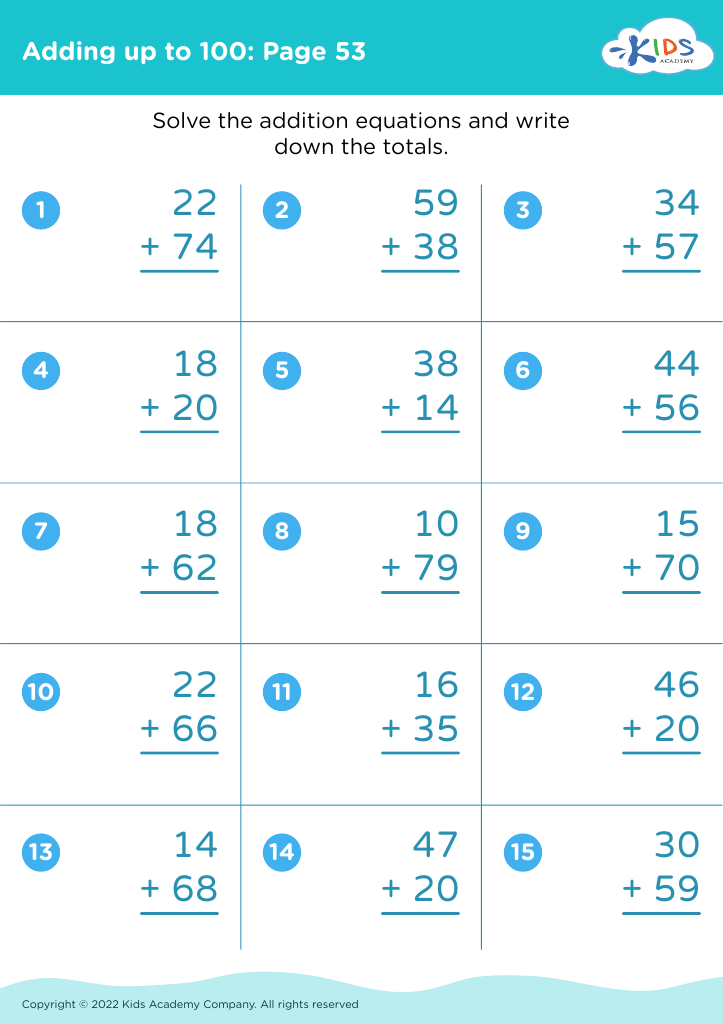
Adding up to 100: Page 53

Adding up to 100: Page 53

Adding up to 100: Page 53
Worksheet
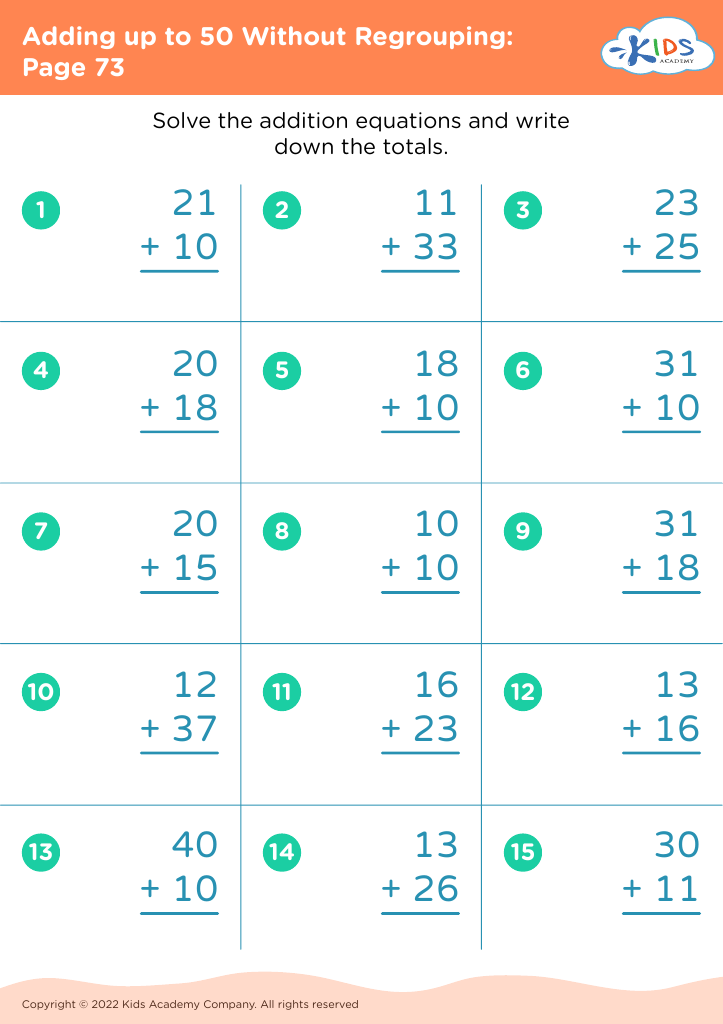
Adding up to 50 Without Regrouping: Page 73
Worksheet
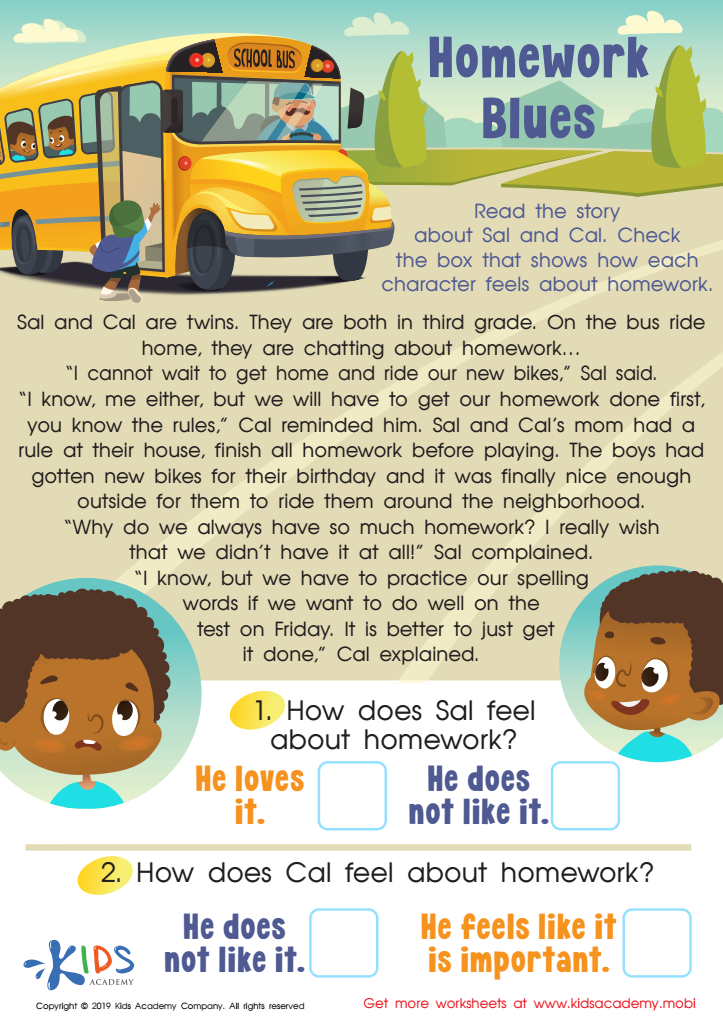
Homework Blues Worksheet

Homework Blues Worksheet

Cal and Sal don't love doing homework, just like your kids. Use this worksheet to help your children understand why homework is important. Read the passage together and then answer the questions at the bottom of the page. It's a fun way to learn together!
Homework Blues Worksheet
Worksheet


Introducing young children to the concept of fraction simplification sets the groundwork for essential mathematical skills that they will use throughout their lives. At ages 4-7, children are developing their fundamental understanding of numbers, and simplifying fractions is a critical aspect of this learning journey.

Grasping fraction simplification helps children understand the ideas of part-whole relationships and ratios. These concepts are not just fundamental in mathematics but are also important in everyday situations such as cooking measurements, dividing snacks, or understanding portions.

Early exposure to simplifying fractions enables children to think more abstractly and develop problem-solving skills. When children see that 2/4 is the same as 1/2, they begin to understand the economy of numbers and how quantities can be represented in the simplest form. This ensures that as they progress to more complex math topics, such as algebra and geometry, they have a strong, clear, and flexible understanding of how numbers work.

For teachers and parents, nurturing these early math skills helps build children's confidence and reduces math anxiety later. Encouraging curiosity about numbers and their relationships fosters a positive and beneficial approach to mathematics, paving the way for academic success and practical life skills.