Identifying shapes Worksheets for Ages 4-7
40 filtered results
-
From - To
Enhance your child’s learning experience with our "Identifying Shapes Worksheets for Ages 4-7," designed to boost shape recognition skills through fun and engaging activities. Our expertly crafted worksheets guide young learners in identifying and differentiating between various shapes, building a solid foundation in geometry. These printable resources are perfect for preschoolers and early elementary students, ensuring an enjoyable and productive learning experience. Watch your child's confidence soar as they master the basics of shapes and develop essential cognitive skills. Discover the joy of learning with our premier collection of identifying shapes worksheets today!
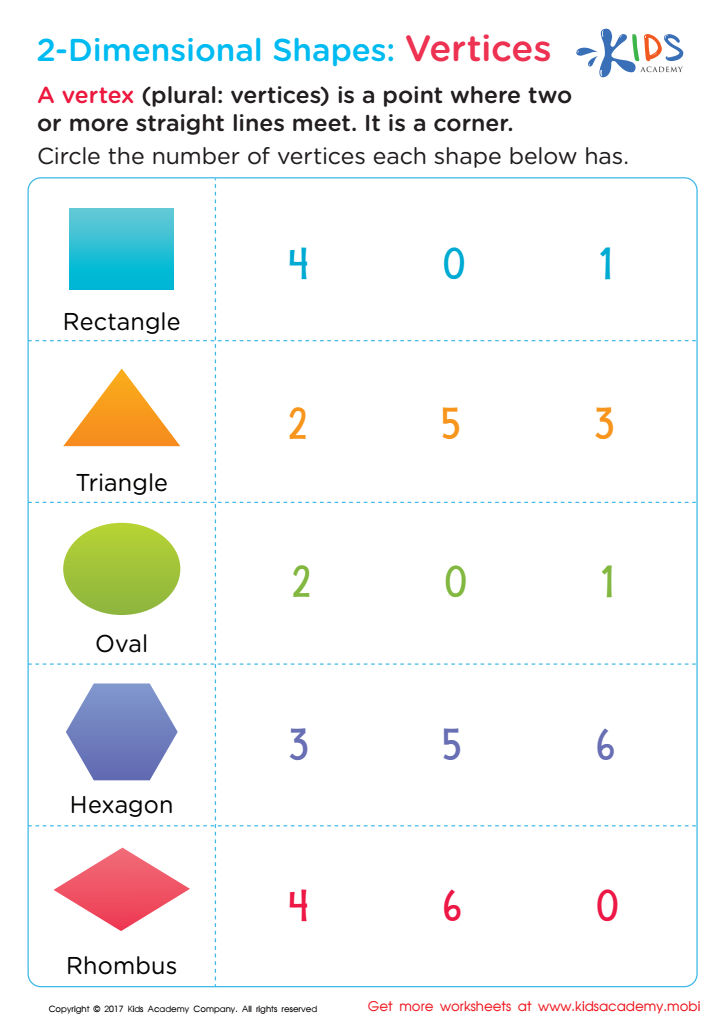
Two–Dimensional Shapes: Vertices Printable
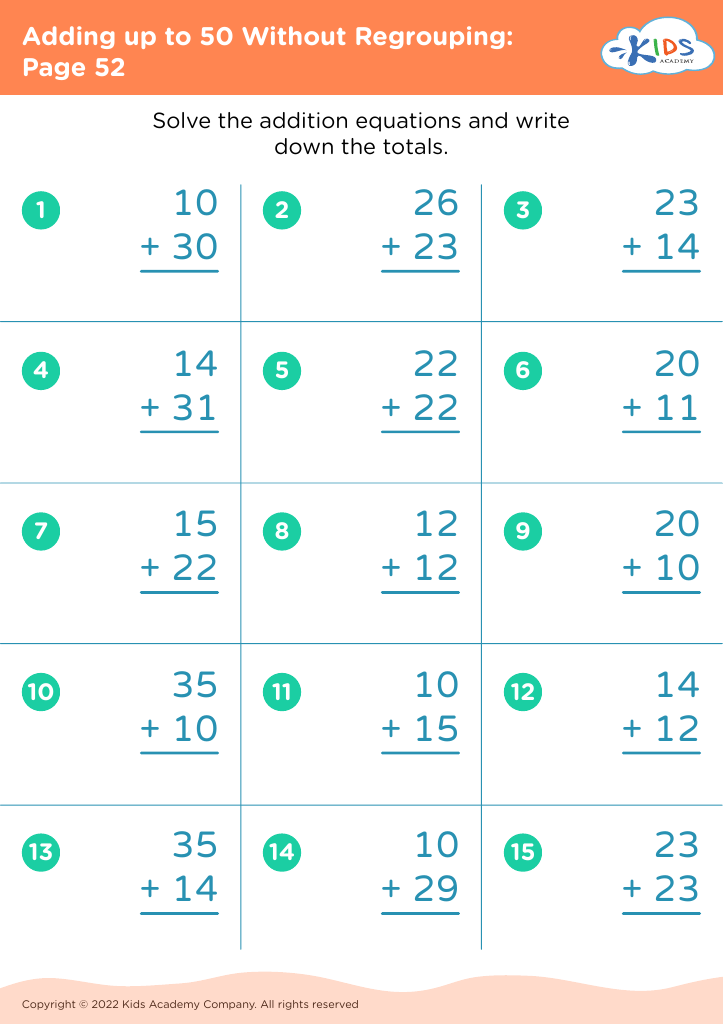
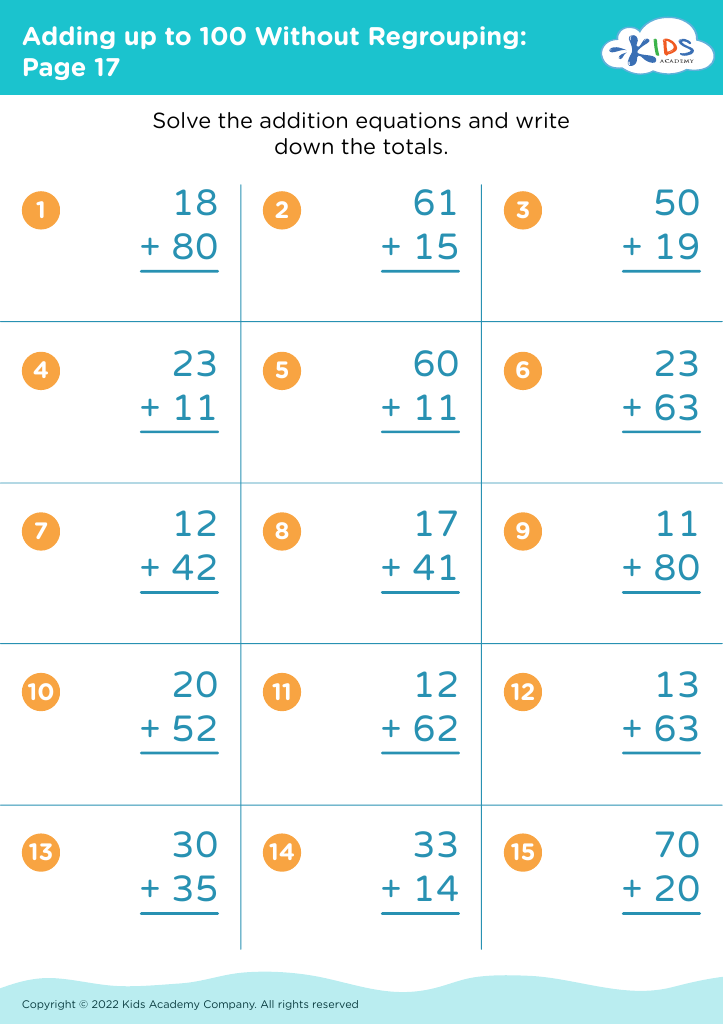
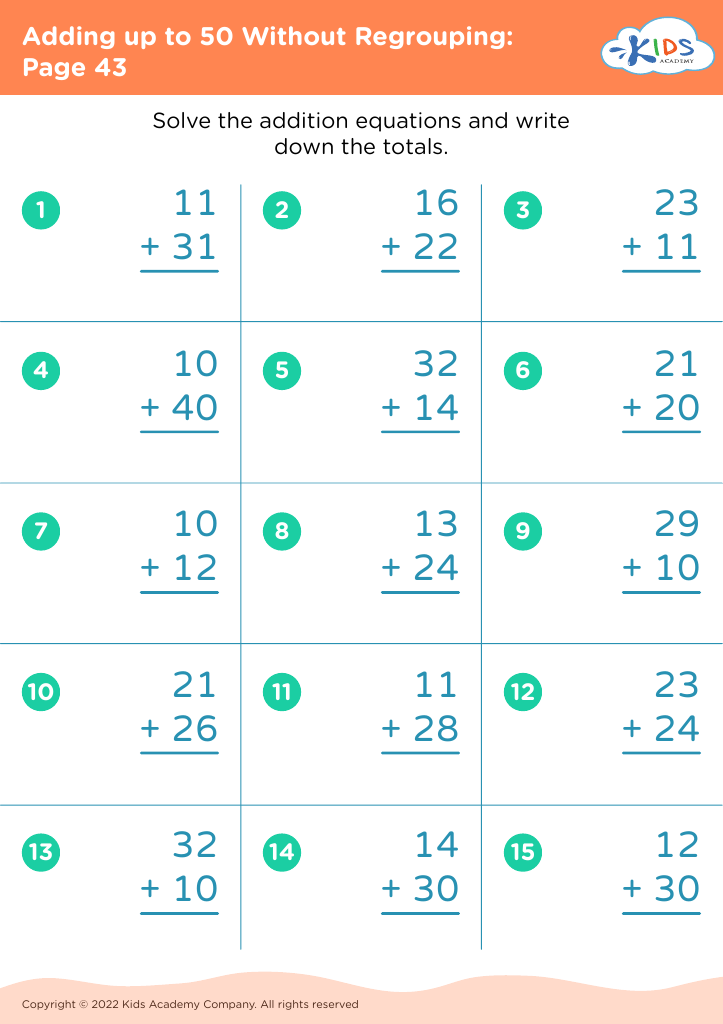
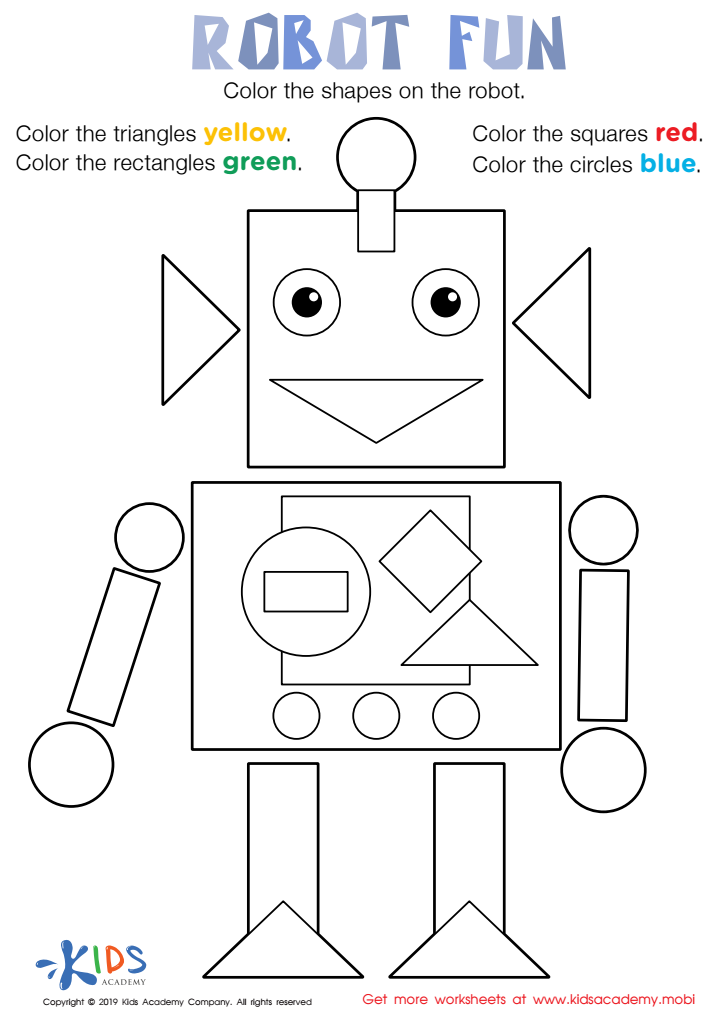
Robot Fun Worksheet
 Assign to My Students
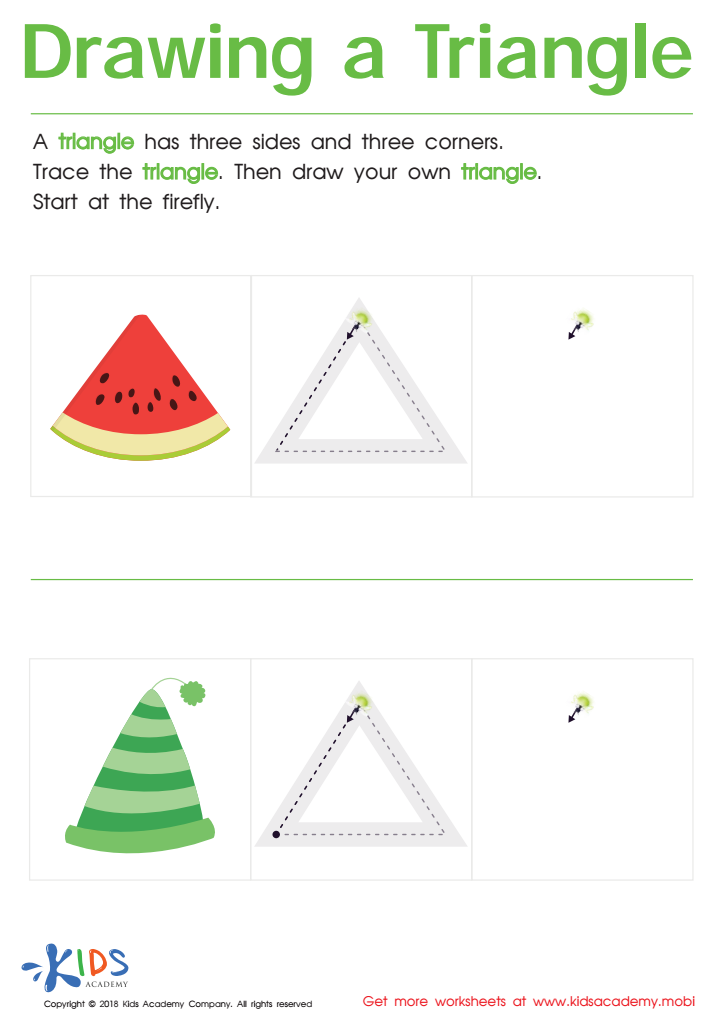
Drawing a Triangle Worksheet
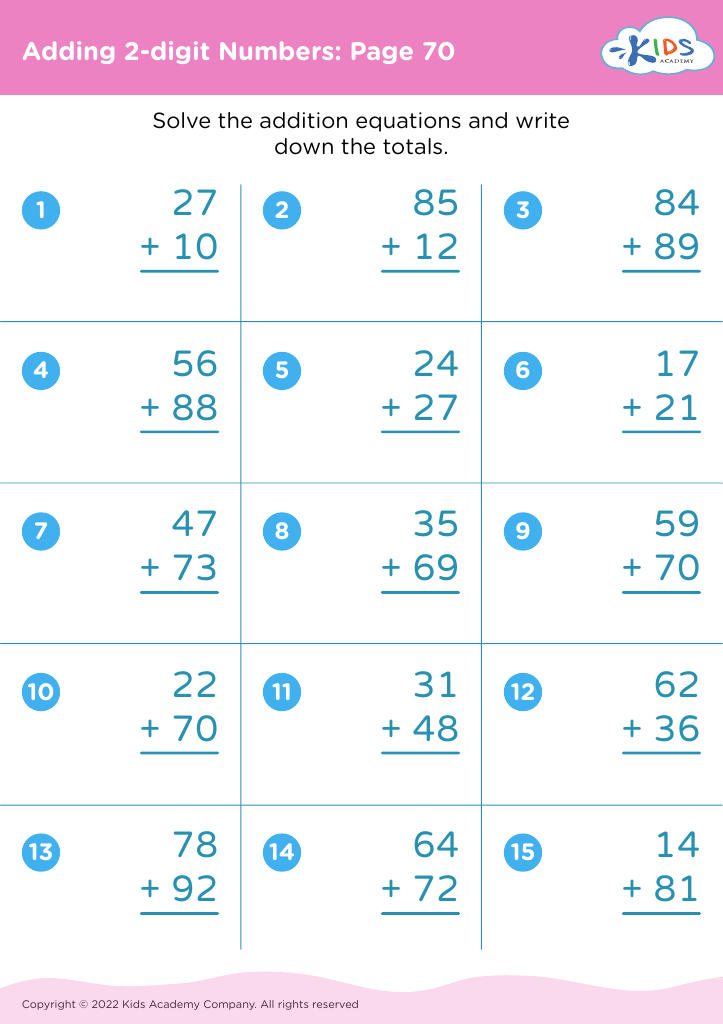
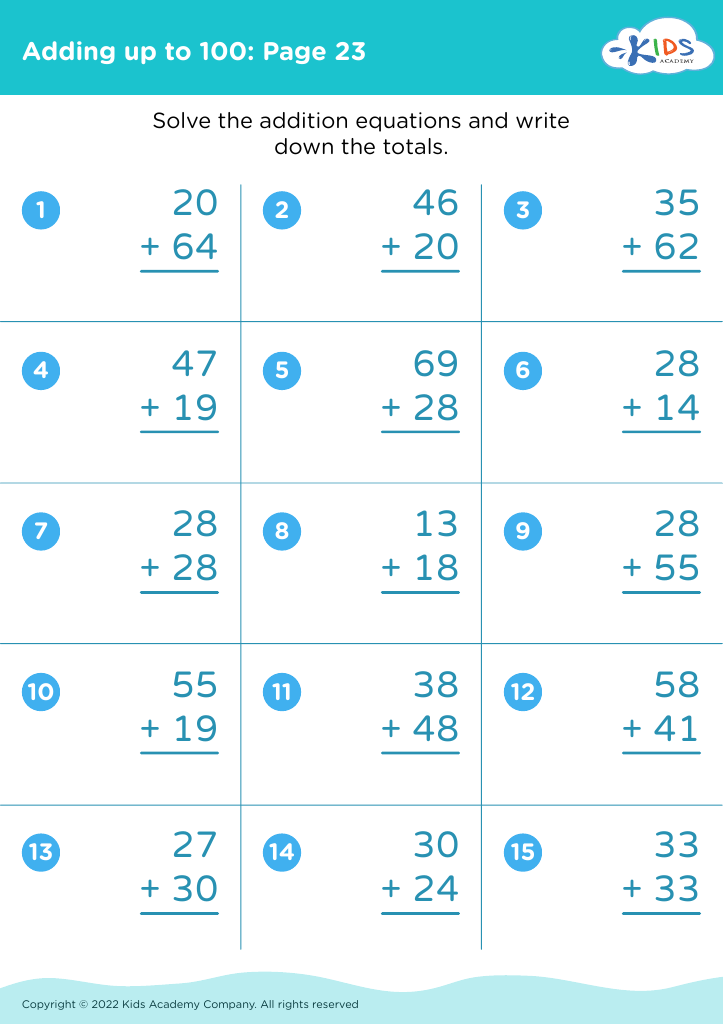
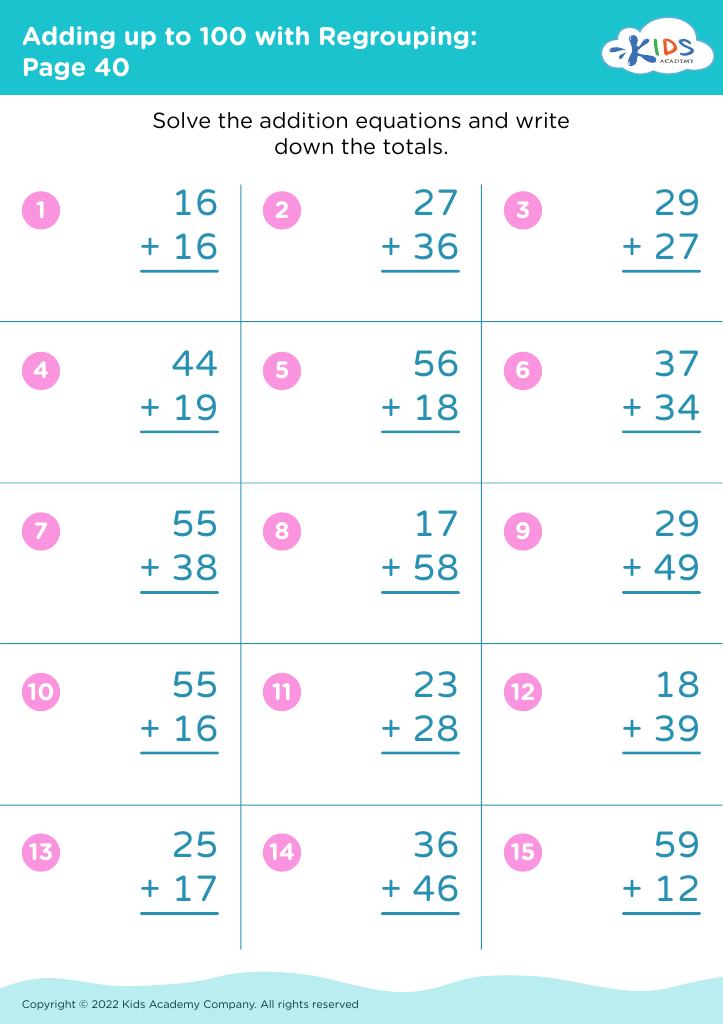
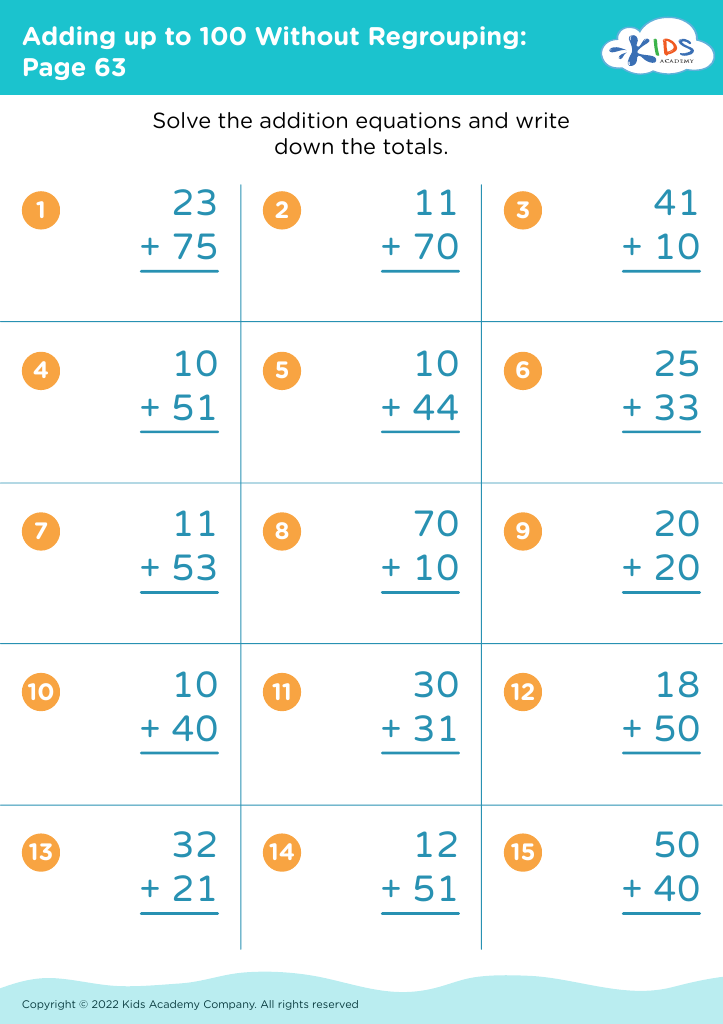
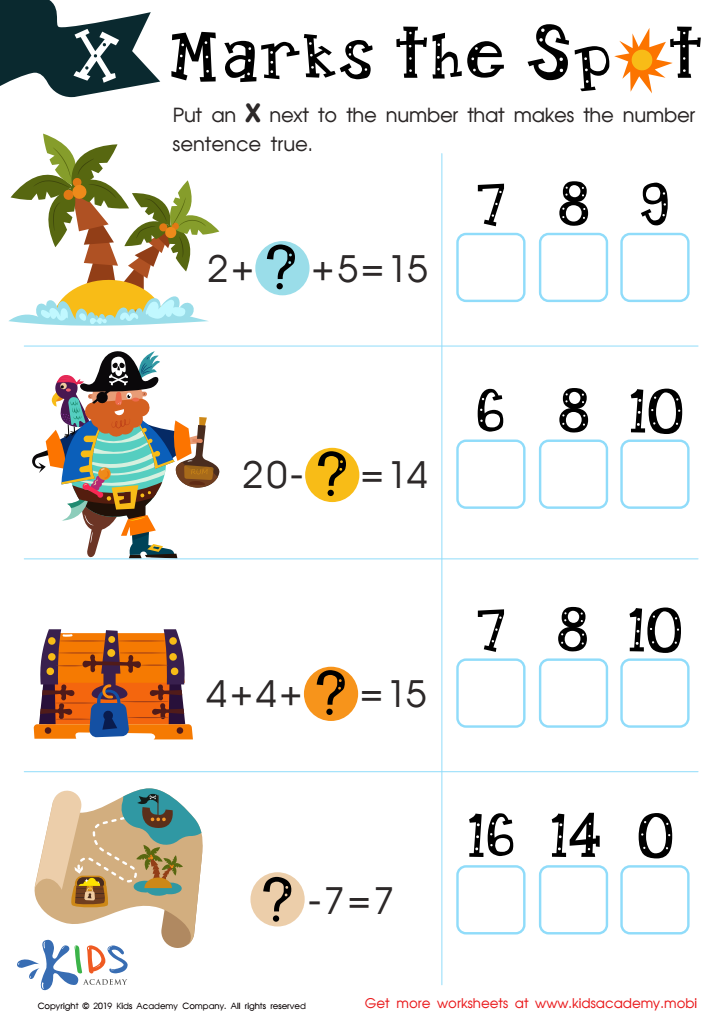
X Marks the Spot Worksheet
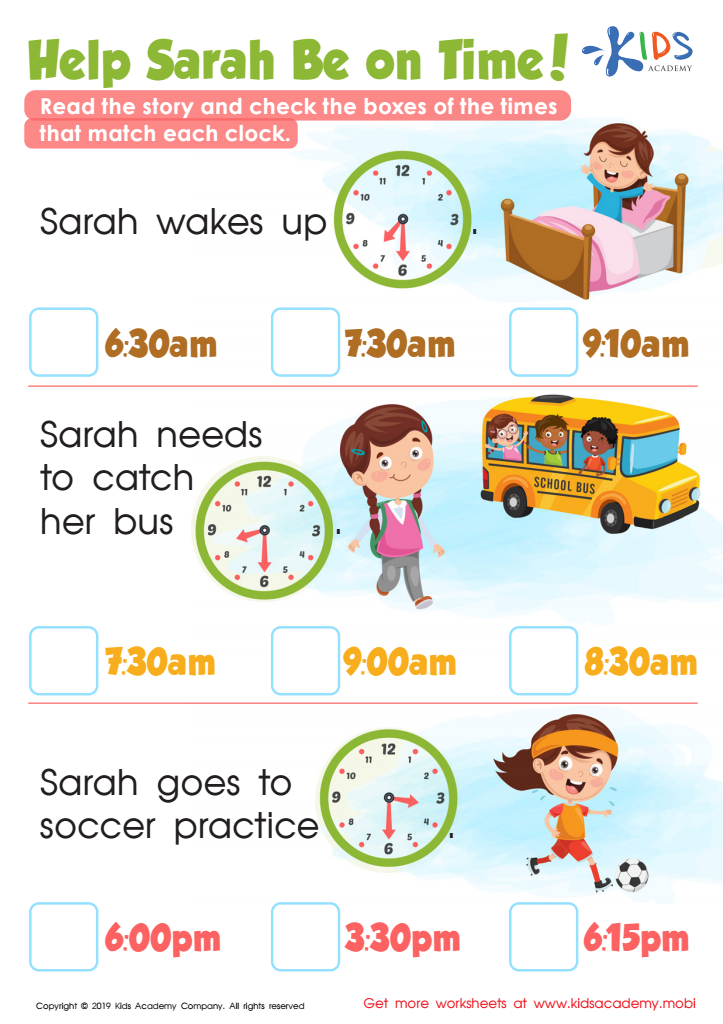
Help Sarah Be on Time! Worksheet
Earth's Systems: Assessment 1








Identifying shapes is a foundational skill for children aged 4-7 and plays a crucial role in their early development. Parents and teachers should care deeply about teaching shapes for several reasons.
First, learning about shapes enhances children's spatial reasoning, which is the ability to understand and remember the spatial relations among objects. This skill is not only critical for mathematics but also helps in everyday tasks, such as understanding maps, packing, and overall problem-solving.
Second, shape recognition improves cognitive skills by stimulating the brain to find differences and similarities among shapes, fostering categorization and systematic thinking. Recognizing patterns and shapes lays the groundwork for more complex concepts such as geometry.
Third, shape identification correlates strongly with reading readiness. Shapes help children discern letters and numbers effectively, as many letters and numbers are essentially formed from different shapes. Early shape recognition translates to better object recognition and, subsequently, reading comprehension.
Finally, identifying shapes enriches vocabulary as children learn terms like square, circle, triangle, and oval, which boosts their linguistic abilities and description skills. This learning becomes a fun, engaging way that makes them attentive and improves focus in educational activities.
By prioritizing shape identification, parents and teachers provide children with essential tools needed for both immediate developmental milestones and future academic success.








