Improve observational skills Worksheets for Ages 4-7
3 filtered results
-
From - To
Enhance your child’s observational prowess with our engaging worksheets tailored for ages 4-7. At Kids Academy, our meticulously designed activities help children sharpen their attention to detail and analytical thinking. Delightful exercises ranging from spotting differences to matching games foster critical observation skills crucial for academic success. Our printable worksheets are an ideal blend of fun and learning, ensuring youngsters stay focused and excited. Perfectly suited for home or classroom use, these resources provide an enriching foundation that supports cognitive development and attention span. Help your little ones observe, analyze, and succeed with Kids Academy’s expert-crafted materials.
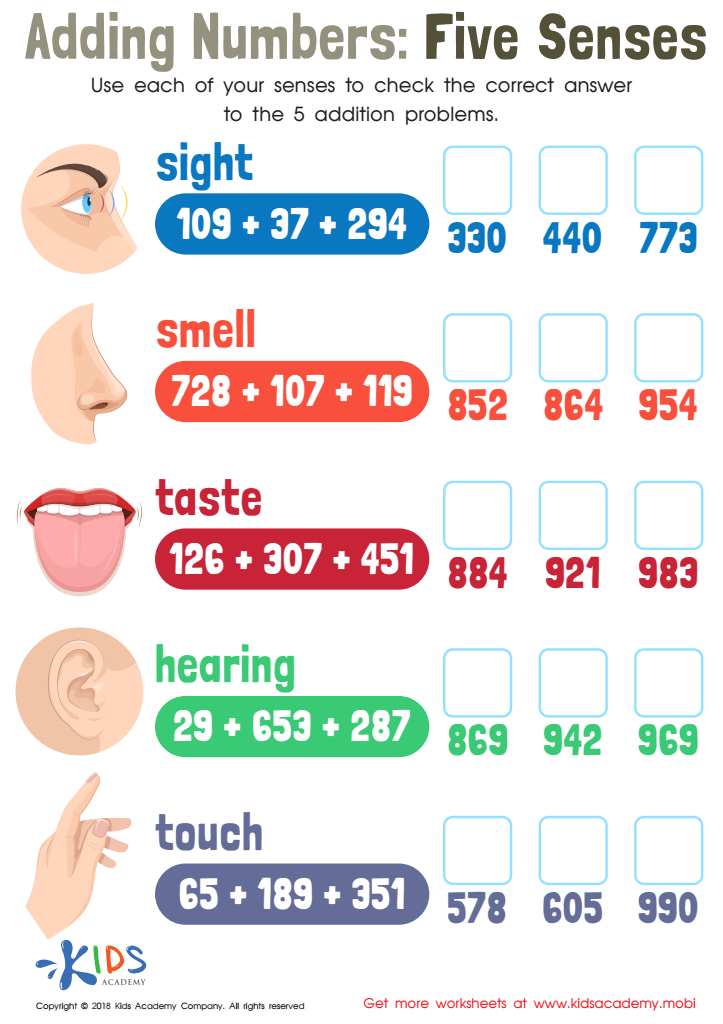
Adding Numbers: Five Senses Worksheet
 Assign to My Students
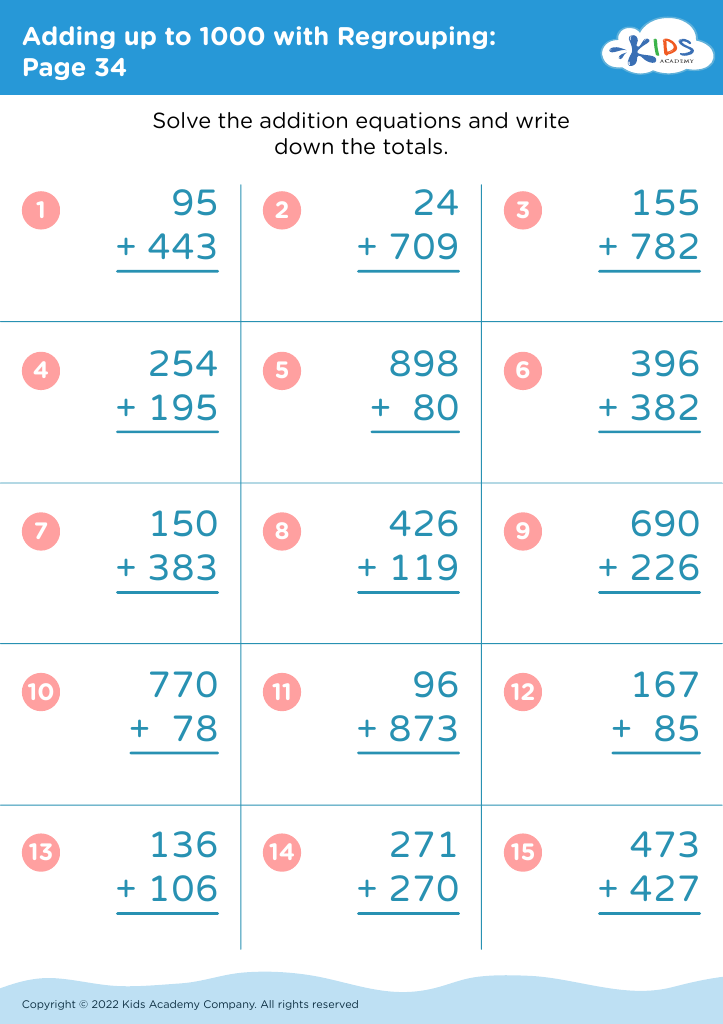
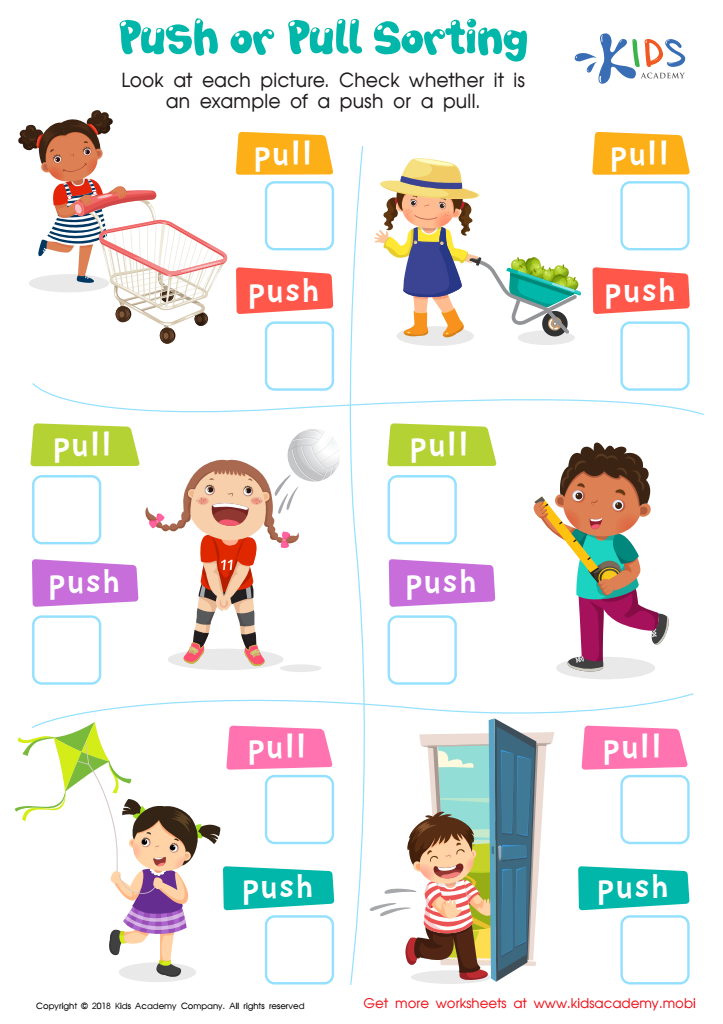
Push or Pull Sorting Worksheet








Improving observational skills in children aged 4-7 is crucial for their overall development and success in learning. At this formative stage, children are naturally curious and eager to make sense of the world around them. Strong observational skills can enhance their understanding and retention of information, making learning more meaningful and engaging. These skills lay the foundation for critical thinking, allowing children to notice patterns, details, and relationships that are essential for problem-solving.
When children are encouraged to observe closely, they become more aware of their surroundings and start to develop a keener sense of curiosity and imagination. This awareness stimulates cognitive development by fostering language skills, as children describe and discuss their observations. It also helps in honing their social skills, as they learn to notice and interpret the emotions and actions of others.
For teachers and parents, cultivating these abilities can be achieved through simple, everyday activities; for example, nature walks, storytelling, or playing "I Spy." By prioritizing observational skills, adults help children build a solid groundwork for academic achievement and effective interpersonal relationships. Ultimately, nurturing these skills supports a child's holistic growth, turning them into more mindful, attentive, and capable individuals ready to absorb and participate actively in their environments.








