Improving observational skills Worksheets for Ages 4-7
5 filtered results
-
From - To
Enhance your child's observational skills with our engaging worksheets designed specifically for ages 4-7! Our carefully crafted activities encourage young learners to sharpen their attention to detail, recognize patterns, and make connections in their environment. These worksheets feature fun visuals and interactive exercises that promote critical thinking and boost confidence in early learning. Ideal for pre-school and kindergarten settings, our resources help children develop vital skills they'll use throughout their educational journey. Download our free printable worksheets today and watch your little one's observational abilities flourish while they enjoy playful and captivating tasks! Foster curiosity and creativity in every young mind.
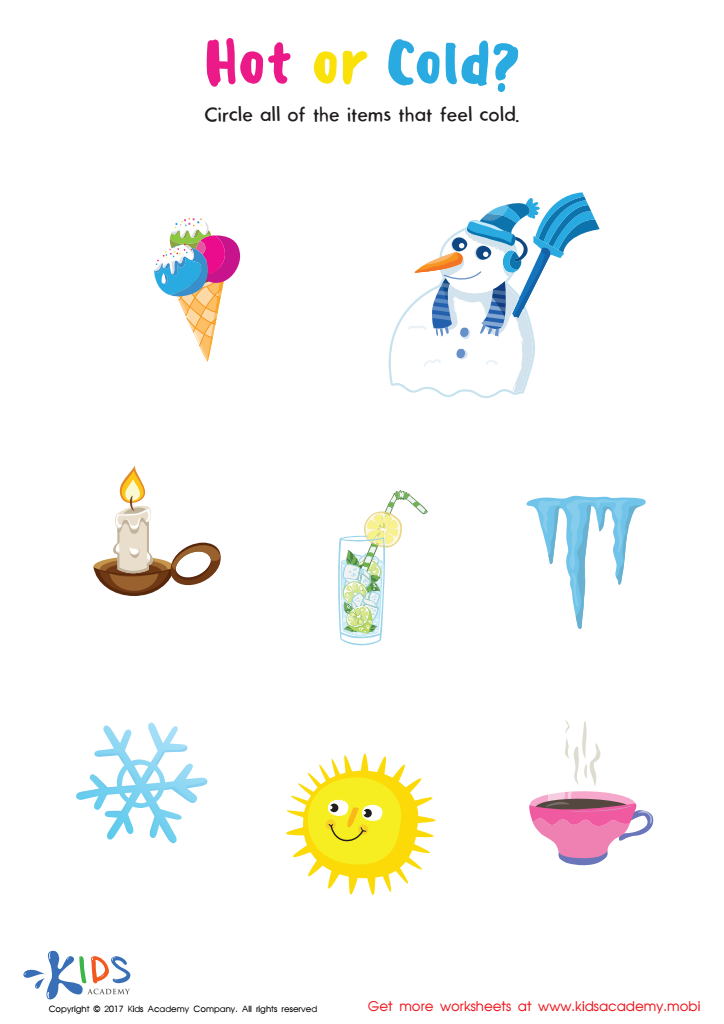
Hot or Cold Printable
 Assign to My Students
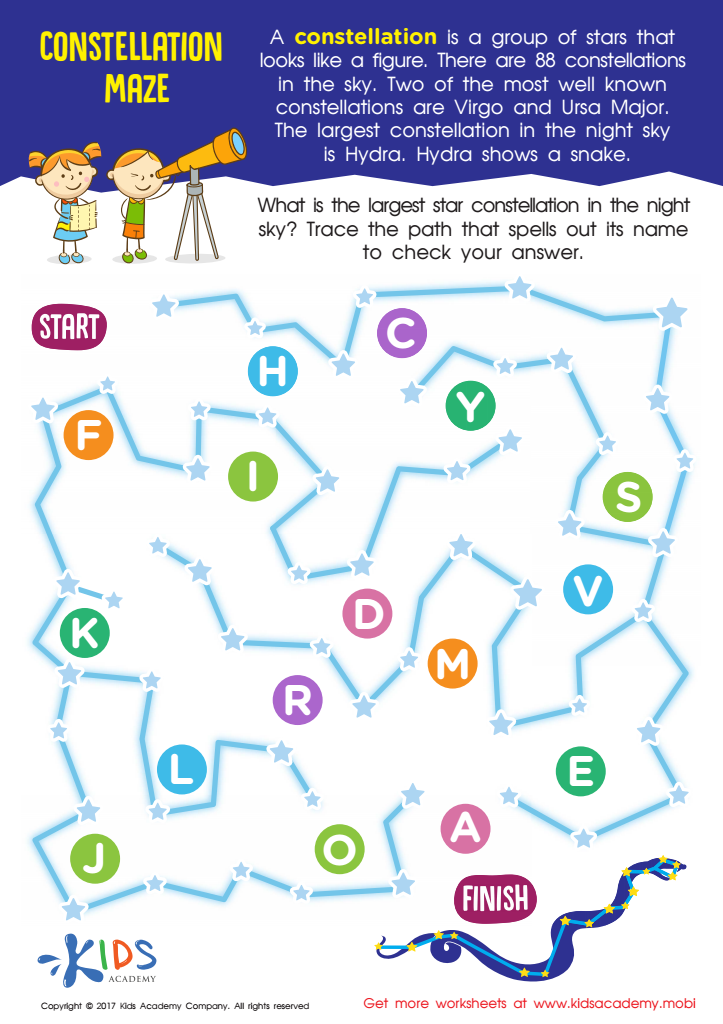
Constellations Worksheet





Improving observational skills in children aged 4-7 is crucial for their cognitive development, emotional intelligence, and academic success. During these formative years, children are naturally curious, and honing their observational abilities helps them make sense of the world around them. By encouraging kids to notice details, recognize patterns, and engage with their environment, parents and teachers lay the foundation for critical thinking and problem-solving skills.
Observation skills enhance a child's ability to communicate effectively. When they learn to articulate what they see, hear, and feel, they build their vocabulary and become more confident in expressing themselves. Furthermore, improved observation can lead to heightened emotional awareness; children learn to recognize their own emotions and those of others, fostering empathy and social interactions.
These skills are particularly relevant in a classroom setting, where attention to detail can improve learning outcomes. Engaging in activities like nature walks, storytelling, or interactive games that promote observation teach children not only to gather information but also to analyze and interpret it. Therefore, investing in the enhancement of observational skills is a vital step that parents and teachers can take to ensure children develop holistically and succeed academically and socially.








