Interpreting data Worksheets for Ages 4-7
8 filtered results
-
From - To
Discover our engaging "Interpreting Data Worksheets" designed for children aged 4-7! These worksheets introduce young learners to the basics of data interpretation through fun and interactive activities. Kids will explore concepts like sorting, categorizing, and graphing with colorful visuals that capture their attention. Each worksheet is crafted to enhance critical thinking skills while making learning enjoyable. Parents and educators can easily integrate these resources into home or classroom settings, fostering a love for learning about data. Perfect for reinforcing early math skills, our worksheets support children in gaining confidence as they interpret and analyze information. Start exploring today!
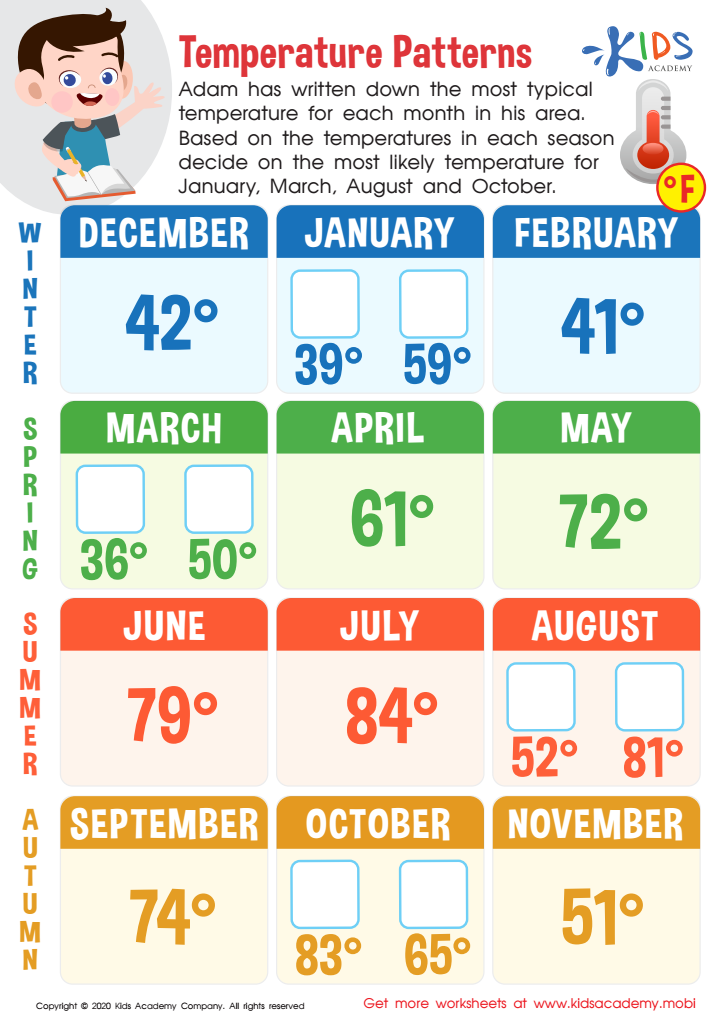
Temperature Patterns Worksheet
 Assign to My Students
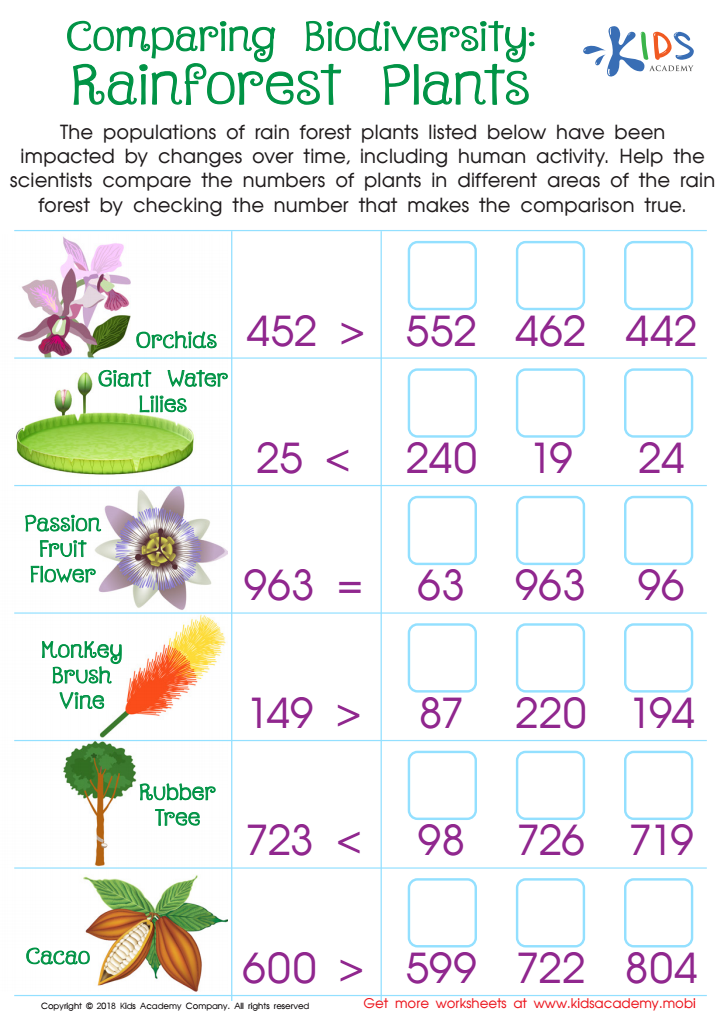
Comparing Biodiversity: Rainforest Plants Worksheet
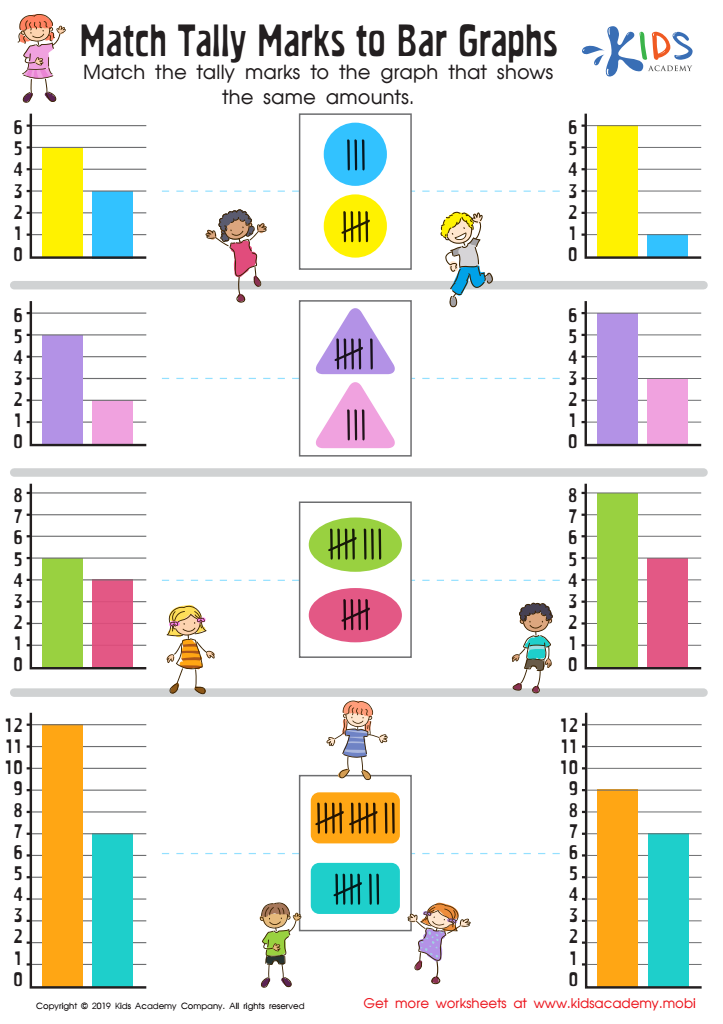
Match Tally Marks to Bar Graphs Worksheet
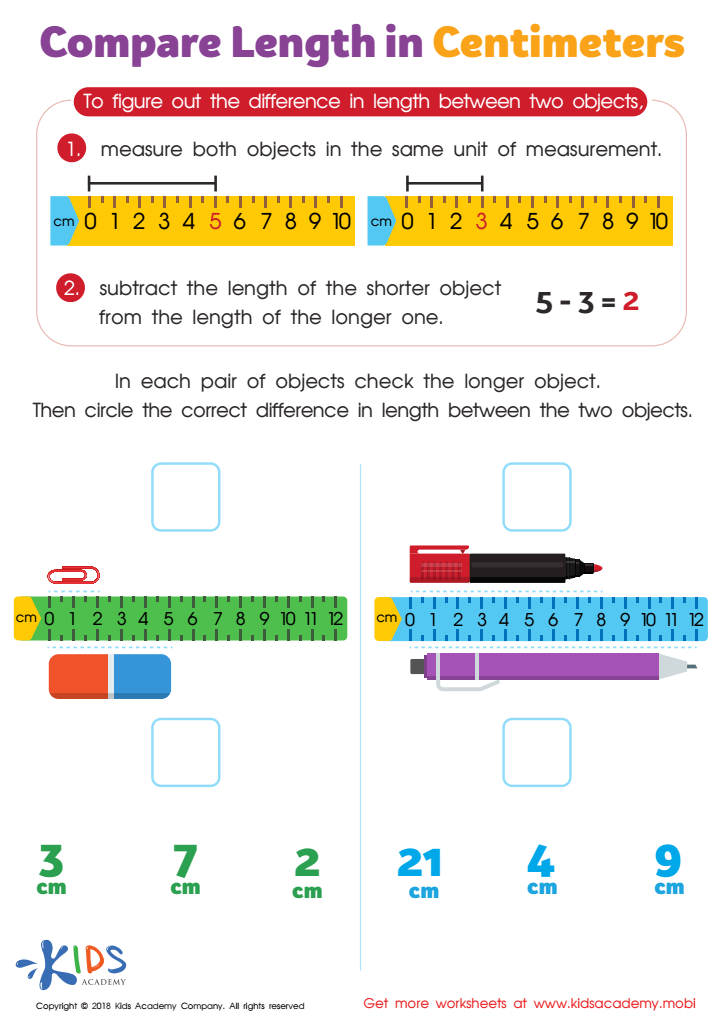
Compare Length in Centimeters Worksheet
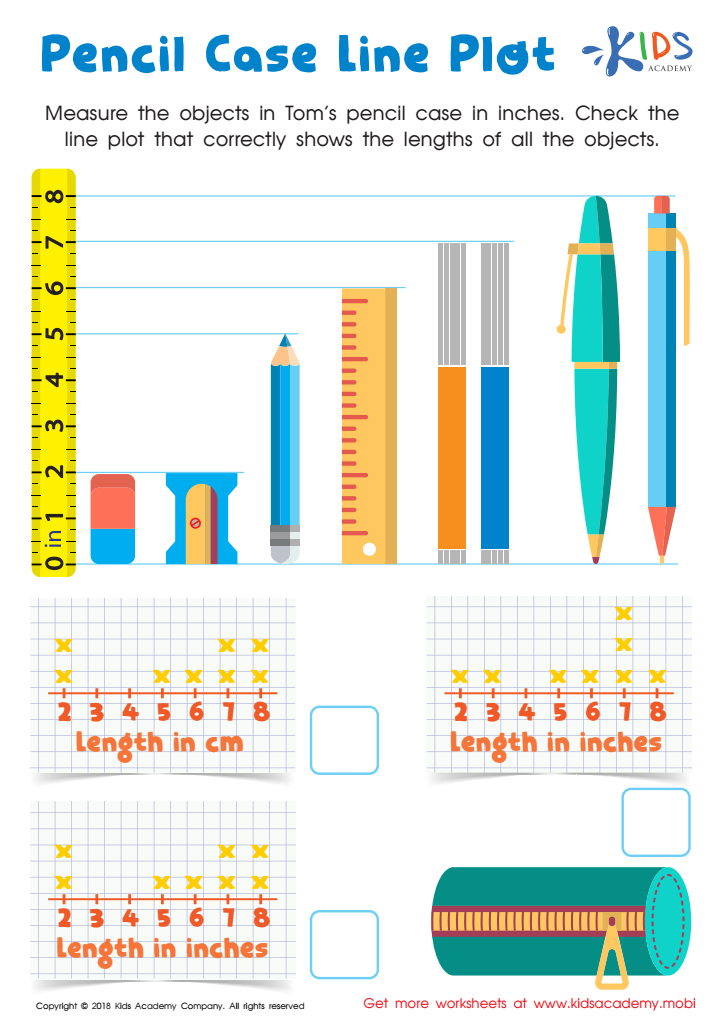
Pencil Case Line Plot Worksheet
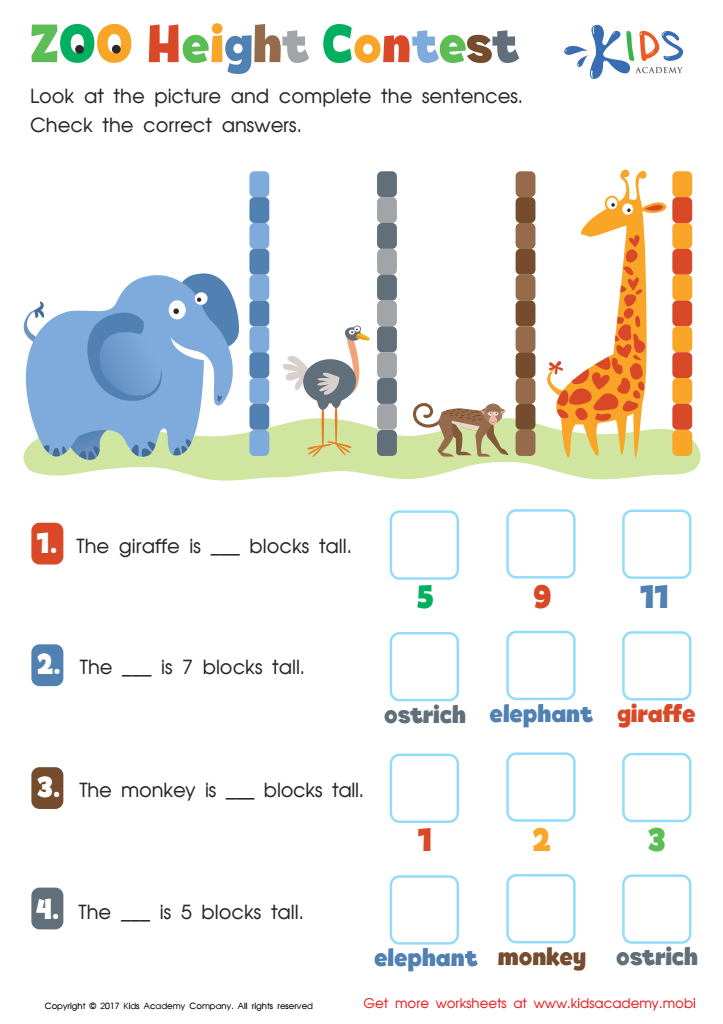
Zoo Height Contest Worksheet
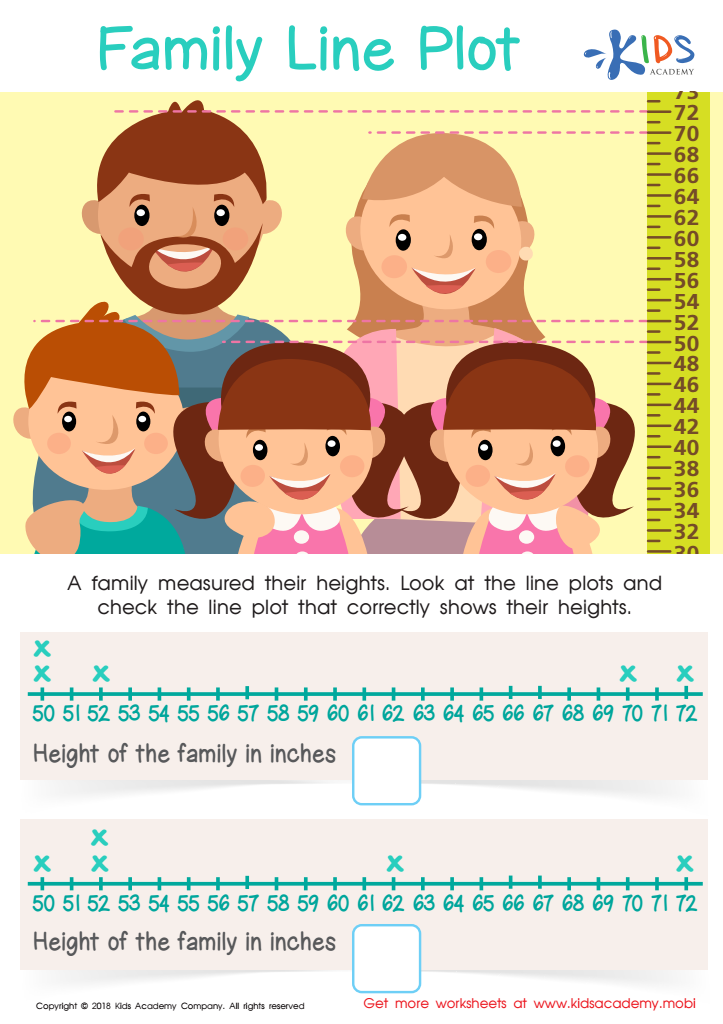
Family Line Plot Worksheet







Interpreting data for children aged 4 to 7 is crucial for both parents and teachers as it shapes how young learners grasp foundational concepts. At this age, children's cognitive capacities are rapidly developing, making it an essential time to introduce them to the world of information through data interpretation.
Understanding basic data concepts, such as counting, categorizing, and comparing, serves as the bedrock for their mathematical and critical thinking skills. For parents, knowing how to interpret their child's progress and learning patterns can reassure them about childhood development milestones and inform better educational choices. It also helps them foster a collaborative and supportive home learning environment.
For teachers, analyzing data allows for a tailored approach to instruction. By interpreting student responses and assessments, they can identify individual strengths and challenges, enabling them to adjust teaching strategies accordingly. This personalized attention is key to maintaining engagement and motivating students.
Moreover, teaching kids how to interpret data early on builds their confidence and instills a sense of curiosity about the world. As critical thinkers, they will eventually process information more effectively, laying the groundwork for lifelong learning and discovery. Ultimately, data interpretation nurtures informed decision-making skills essential for success in both school and everyday life.








