Learn subtraction Worksheets for Ages 4-7
4 filtered results
-
From - To
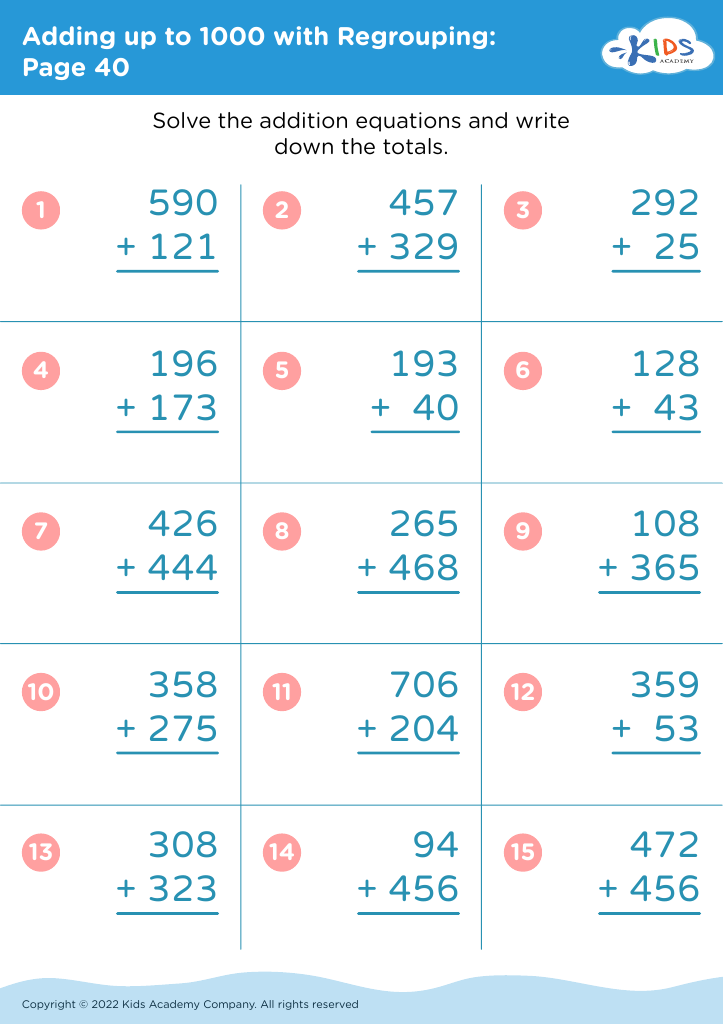
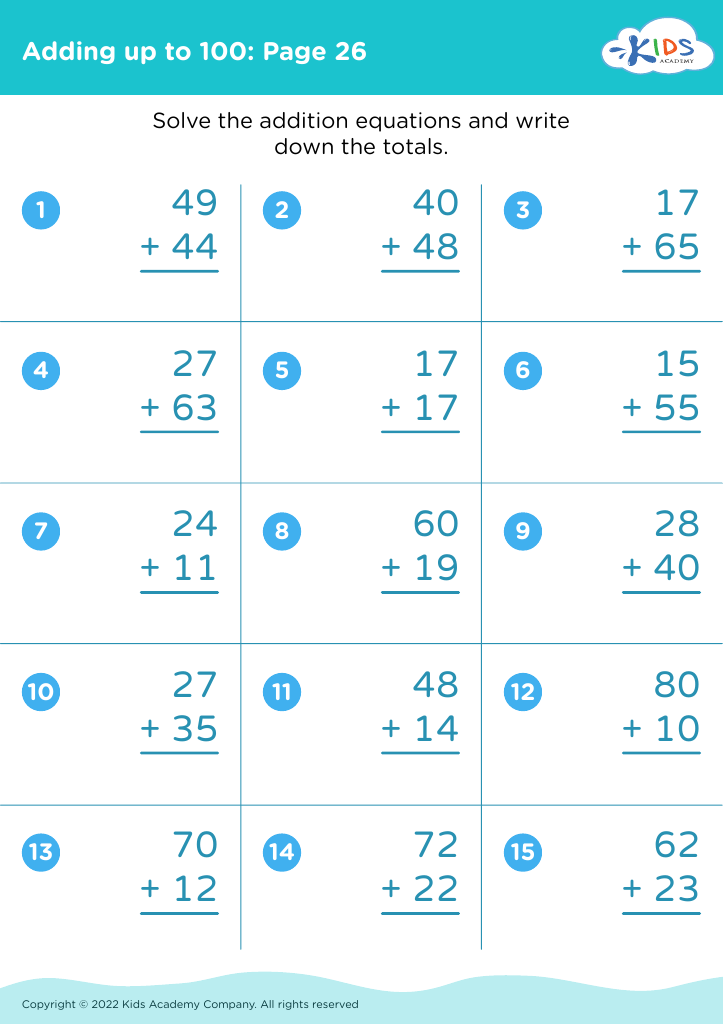
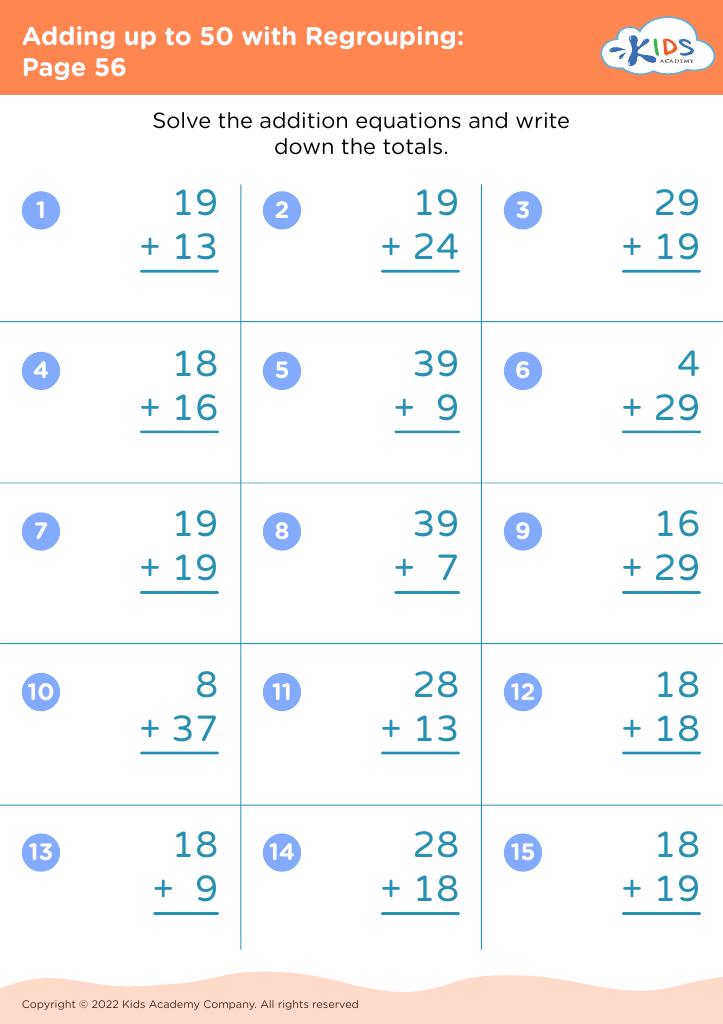
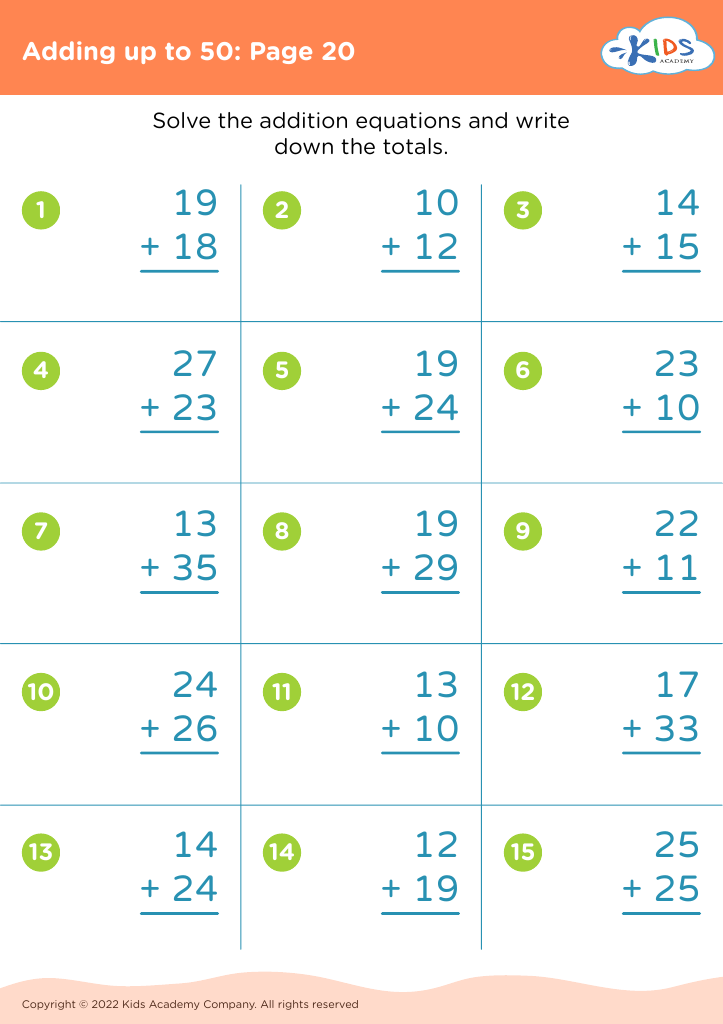
Discover our engaging Learn Subtraction Worksheets designed for children aged 4-7. At Kids Academy, we offer a colorful and interactive approach to mastering subtraction. Our worksheets help young learners build foundational math skills through fun and thoughtfully crafted activities. By integrating playful illustrations and practical exercises, each sheet encourages children to enjoy subtraction practice while improving their problem-solving capabilities and mathematical confidence. Foster your child’s early learning and make math enjoyable with these expertly designed resources. Visit our page to explore the collection and start your child’s exciting subtraction journey today!








Learning subtraction at an early age, between 4-7 years old, is crucial for several developmental and educational reasons. First, mastering subtraction establishes a strong numerical foundation. As one of the basic arithmetic operations, subtraction builds essential skills that are critical for understanding more complex math concepts in the future, such as multiplication, division, and fractions.
Additionally, subtraction supports problem-solving abilities. When young children practice taking away quantities, they learn to approach problems methodically and develop logical thinking and reasoning. These cognitive skills are invaluable not only in math but also in daily life.
Furthermore, learning subtraction boosts confidence and fosters a positive attitude towards mathematics. Early success in arithmetic encourages children to tackle more challenging tasks and reinforces the belief that they can overcome academic hurdles.
Moreover, early math skills correlate strongly with overall academic achievement. Research consistently shows that children who perform well in early math are more likely to succeed in other subjects, such as reading and science.
Finally, fostering a love for math at a young age can spark curiosity and a passion for learning. By making math engaging and accessible, parents and teachers can help children develop a lifelong interest and competence in the subject, setting them up for future success.








