Logical thinking improvement Worksheets for Ages 4-7
5 filtered results
-
From - To
Enhance your child's cognitive development with our engaging Logical Thinking Improvement Worksheets, specially designed for ages 4-7. These expertly crafted activities encourage critical thinking and problem-solving skills through fun and interactive tasks such as puzzles, pattern recognition, and analytical challenges. As your little ones explore these worksheets, they will build key reasoning abilities and boost their confidence in logical thinking. Perfect for parents and educators alike, our resources seamlessly integrate into at-home learning or classroom settings. Equip your child with the essential skills needed for future academic success while fostering creativity and enjoyment in learning. Get started today!
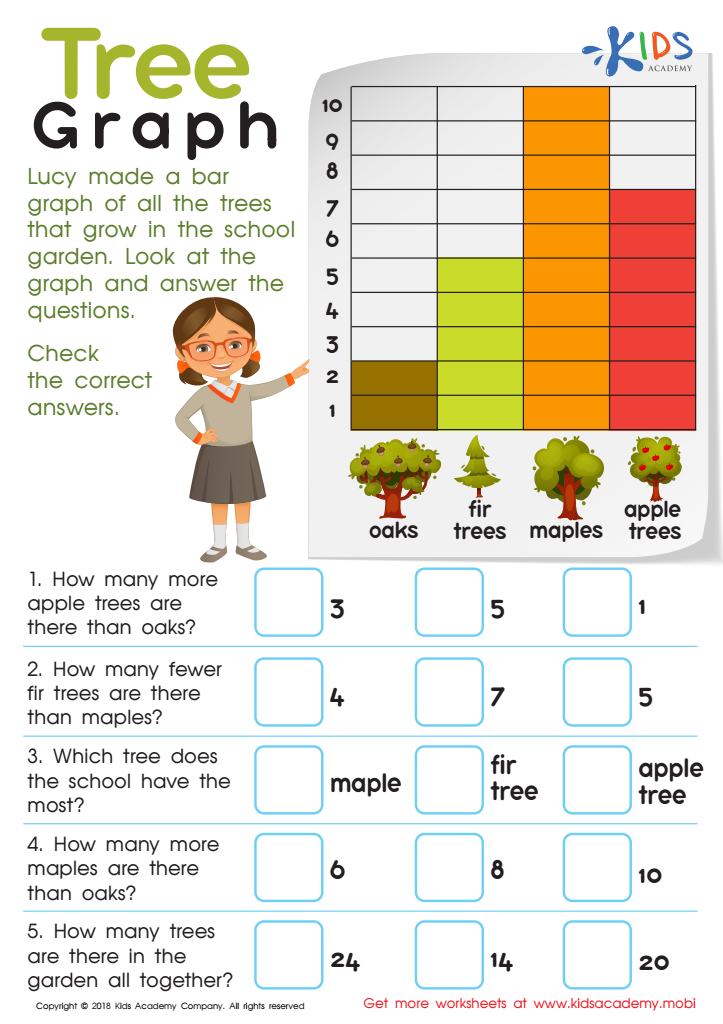
Tree Graph Worksheet
 Assign to My Students
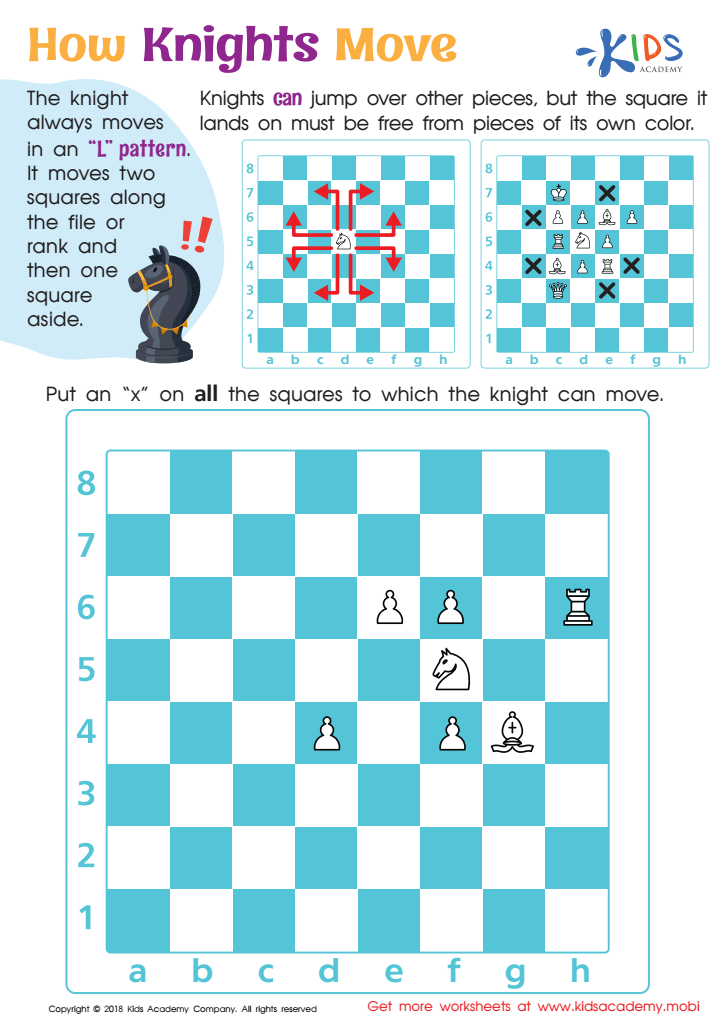
How Knights Move Worksheet
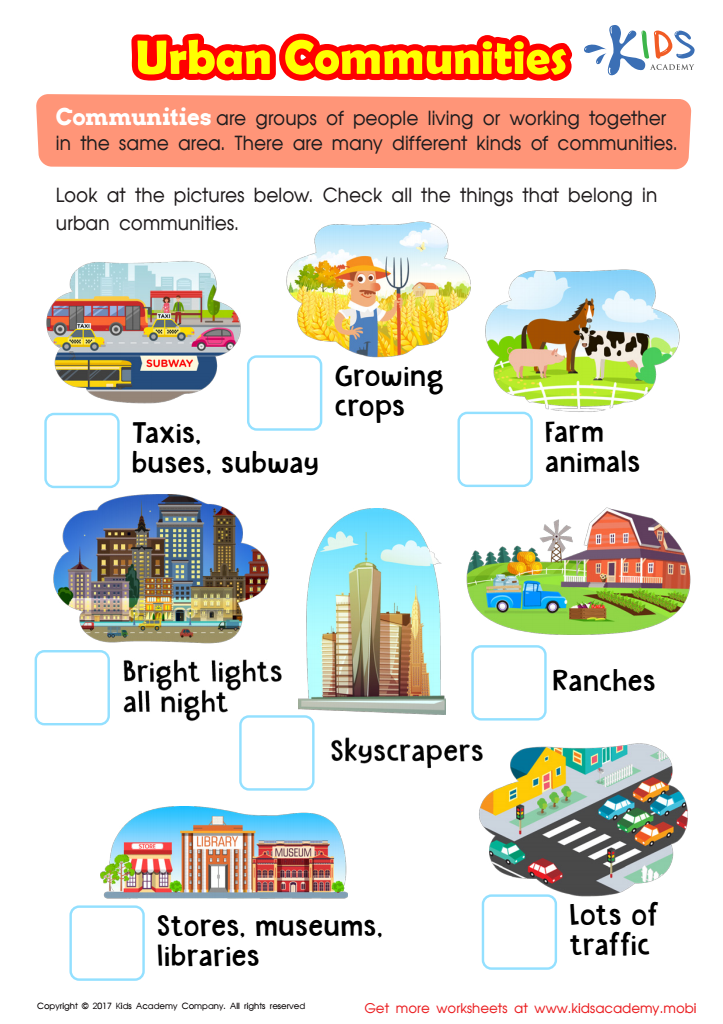
Urban Communities Printable
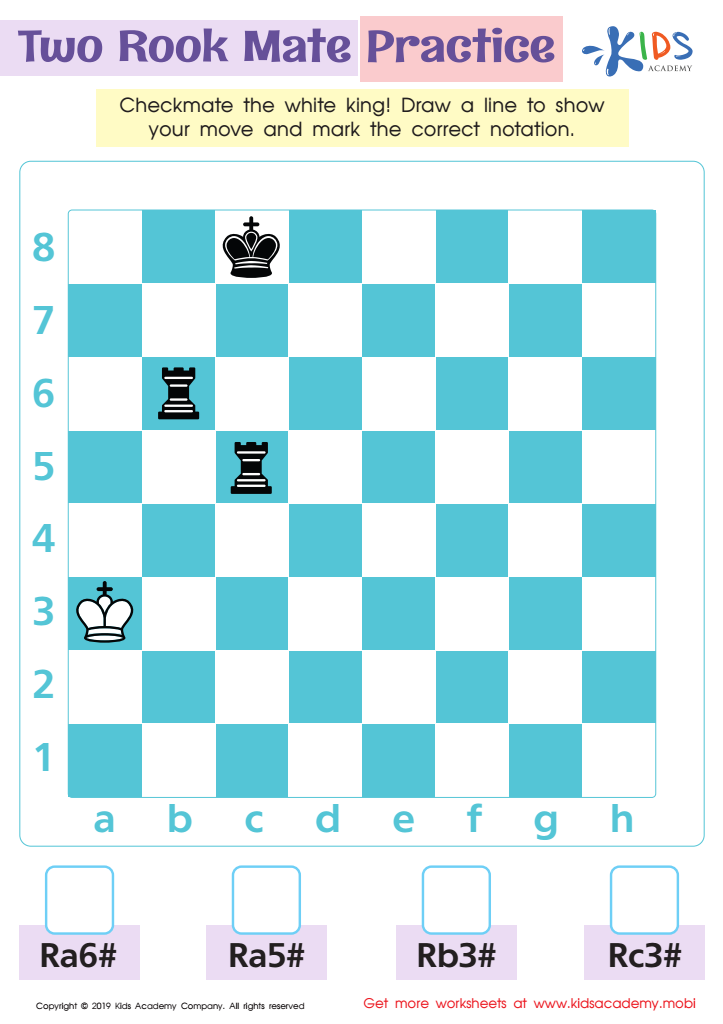
Two Rook Mate Practice Worksheet
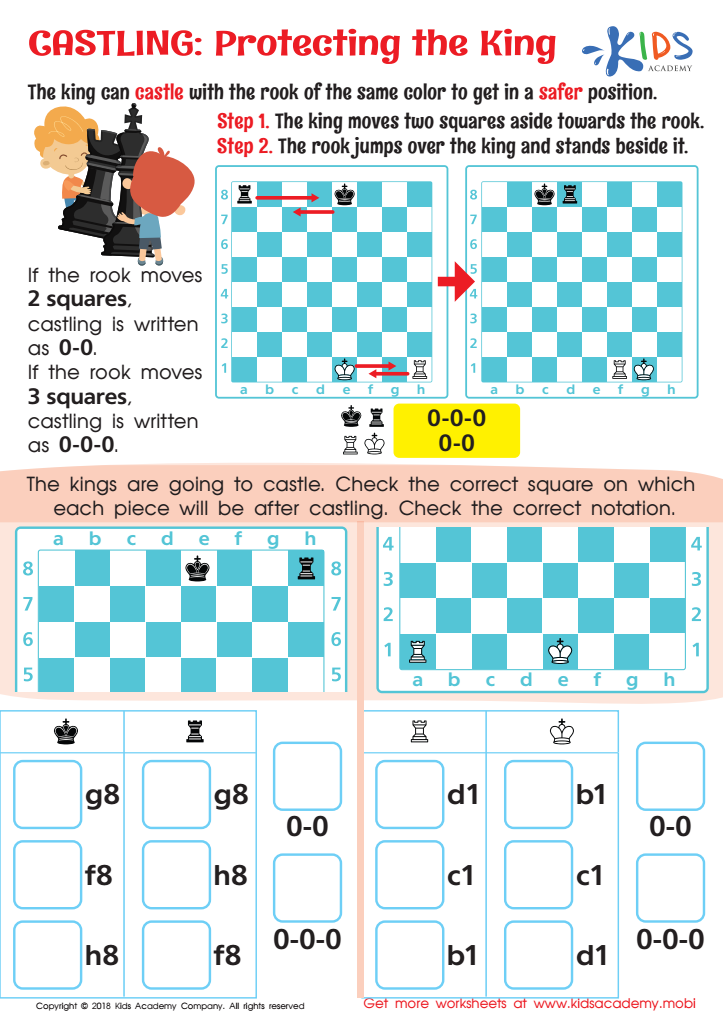
Castling: Protecting the King Worksheet


.jpg)



Parents and teachers play a crucial role in nurturing logical thinking in children ages 4-7, as this foundational skill significantly influences their cognitive development. At this young age, children are naturally curious and eager to understand the world around them. Enhancing their logical thinking abilities not only promotes problem-solving skills but also fosters critical and analytical thinking essential for academic success.
Logical thinking helps children make connections between concepts, improving their comprehension and ensuring they can process information effectively. This is especially vital as they start learning basic math, science, and language skills, where reasoning becomes key to learning.
Moreover, strong logical reasoning also enhances decision-making abilities and creativity. For instance, when engaged in activities like puzzles or games, children practice anticipating outcomes, recognizing patterns, and experimenting with alternatives—all critical components of logical thinking.
Parents and teachers thus should prioritize activities that promote these skills, such as storytelling, interactive games, and simple experiments. By investing time in logical thinking development, they can better equip children to navigate challenges and foster a love for learning, ultimately preparing them for future academic and life endeavors.








