Plant identification Worksheets for Ages 4-7
5 filtered results
-
From - To
Discover our engaging Plant Identification Worksheets designed specifically for children ages 4-7! These interactive resources encourage young learners to explore the vibrant world of plants while developing critical observation and identification skills. Each worksheet features colorful illustrations and simple prompts, making it easy for kids to recognize different plants, leaves, and flowers. Perfect for both classroom and home use, these worksheets aim to foster a love for nature and science. Enhance your child's learning experience today by downloading our fun, educational plant identification worksheets and watch their curiosity bloom! Ideal for parents, teachers, and nature enthusiasts alike.
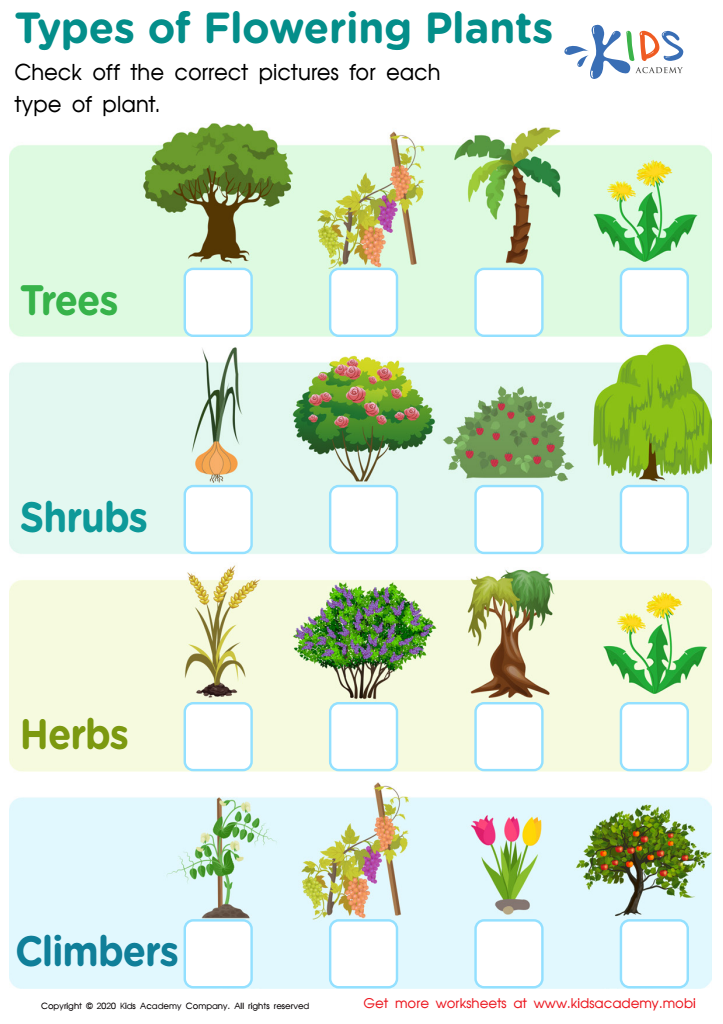
Types of Flowering Plants Worksheet
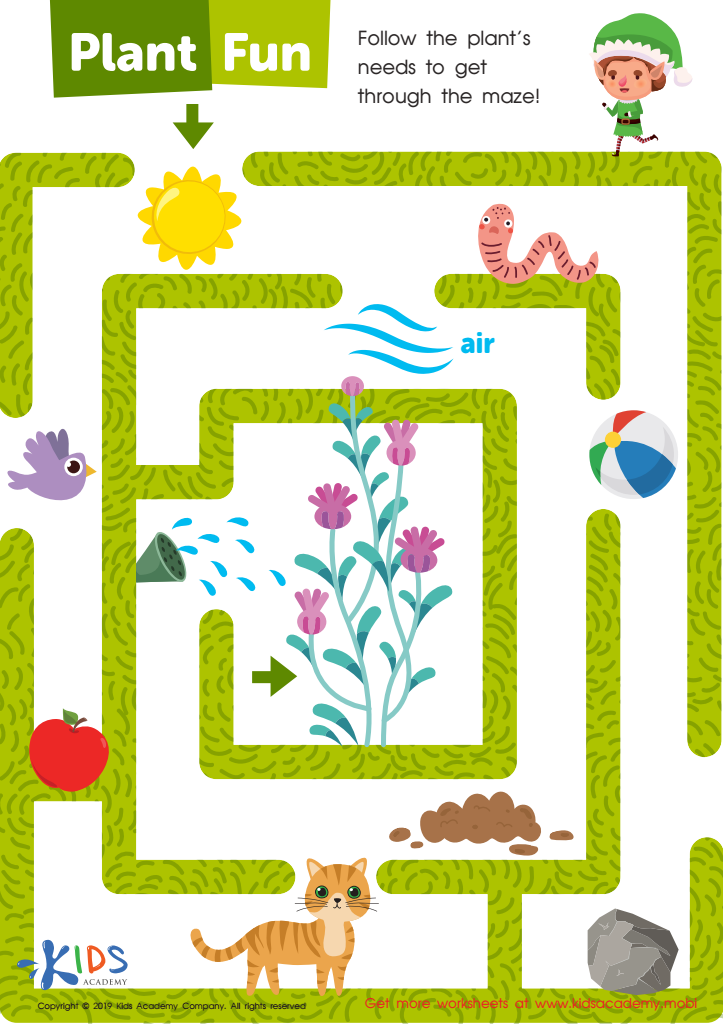
Plant Fun Worksheet
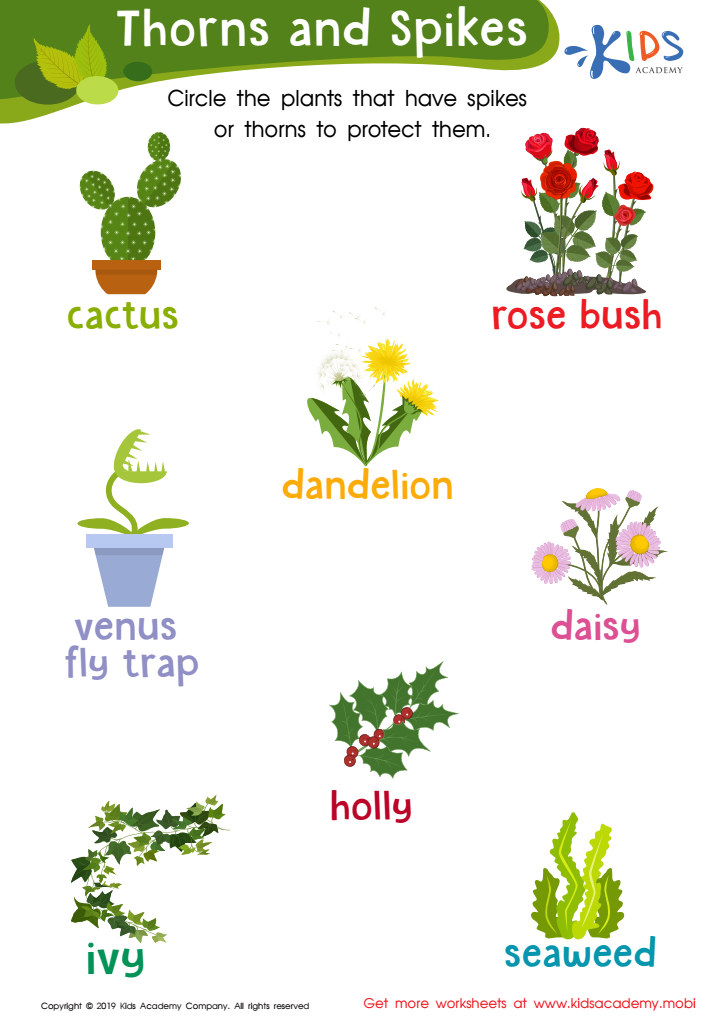
Thorns and Spikes Worksheet
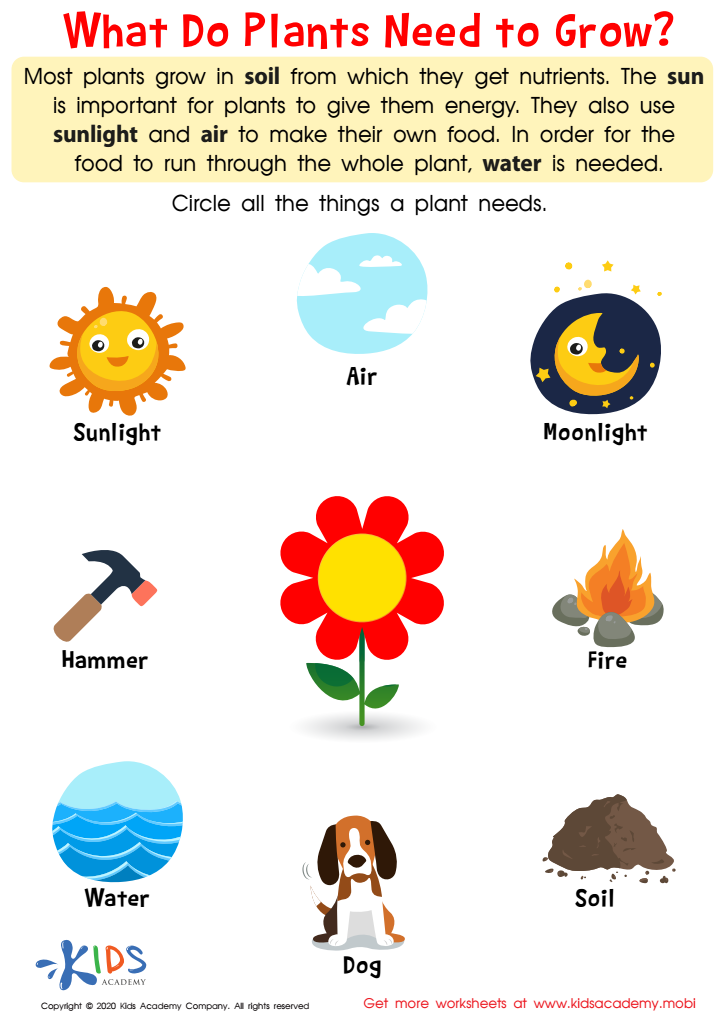
What Do Plants Need to Grow Worksheet
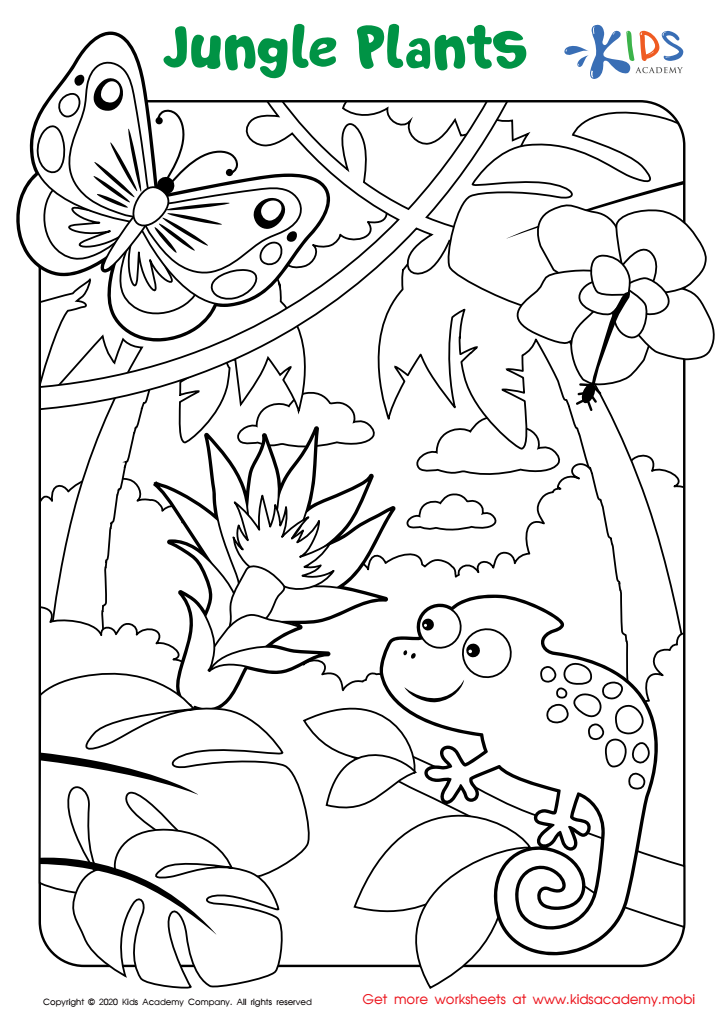
Jungle Plants Worksheet
 Assign to My Students








Plant identification is crucial for children aged 4-7 as it nurtures their curiosity and fosters a connection to the natural world. At this age, children's brains are uniquely receptive to learning, making it an ideal time to introduce them to the diversity of plants around them. Understanding different plant species enhances their observational skills, encouraging them to notice details, colors, and shapes in their environment.
Moreover, identifying plants plays a significant role in science education and environmental awareness. It lays the foundation for later scientific inquiry, helping young learners develop critical thinking and problem-solving skills. Engaging children in plant identification also cultivates a sense of stewardship for the environment, teaching them the importance of biodiversity and sustainability.
Additionally, identifying plants can motivate outdoor exploration, promoting physical activity and fostering emotional well-being. It offers opportunities for hands-on learning, creativity, and cooperative play, whether through nature walks, gardening, or interactive lessons.
Incorporating plant identification into early education benefits not only cognitive development but also social, emotional, and physical growth. Hence, parents and teachers should prioritize this educational activity to enrich children's learning experiences and forge a lifelong appreciation for nature.








