Practicing writing skills Worksheets for Ages 4-7
3 filtered results
-
From - To
Unlock the joy of learning with our engaging "Practicing Writing Skills Worksheets" specifically designed for ages 4-7! At Kids Academy, we provide a wide array of printable worksheets that spark creativity and build foundational writing skills, preparing young learners for future academic success. Our activities make writing fun and accessible, focusing on letter formation, spelling, simple sentences, and more, to encourage confident writers. These educator-approved resources are perfect for both classroom and at-home learning. Give your child the tools to succeed and help them develop a love for writing with our thoughtfully crafted worksheets today!
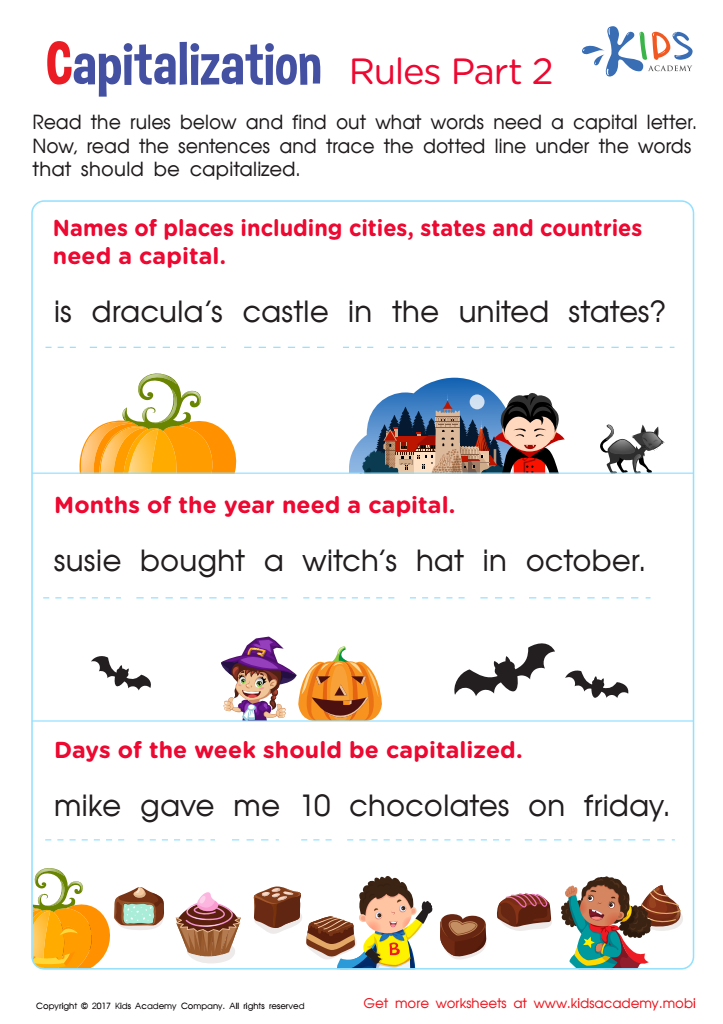
Capitalization Rules: Part 2 Worksheet
 Assign to My Students
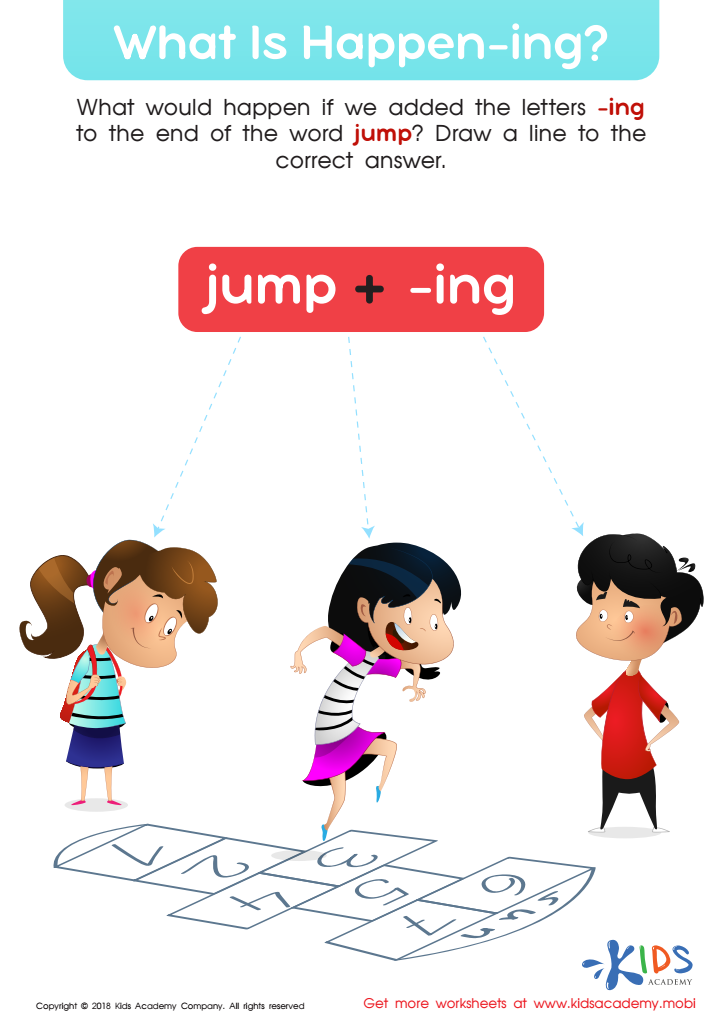
What Is Happen-Ing? Worksheet
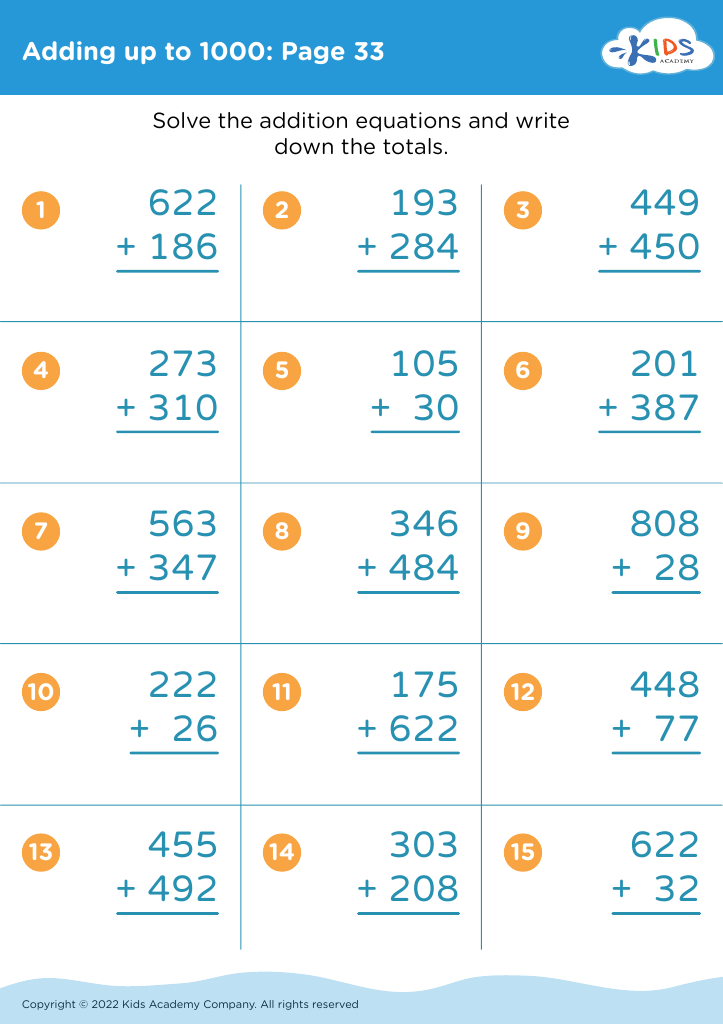






.jpg)

Practicing writing skills for children aged 4-7 is foundational for their academic and personal development. At this early age, children rapidly develop cognitive abilities, and writing forms a crucial part of this growth. Learning to write boosts their fine motor skills as they manage to hold pencils, control their hand movements, and form letters, all of which contribute to better hand-eye coordination.
Moreover, writing enhances literacy by reinforcing the connection between spoken and written language. As children learn to write, they also practice identifying alphabets, constructing words, and forming sentences, which improves reading skills and comprehension. A strong base in writing and reading is critical for future academic success in all subjects.
Writing also plays a key role in cognitive development by fostering imagination and critical thinking. It encourages children to organize their thoughts and express their ideas coherently, leading to better communication skills. Emotional and social development benefits, too, as writing can provide an outlet for kids to express their feelings and experiences.
For parents and teachers, investing time in developing a child's writing ability yields long-term benefits, making it an essential part of early education. Encouraging such practices builds a lifelong love for learning and self-expression, setting the stage for overall intellectual and emotional well-being.








