Reading thermometers Worksheets for Ages 4-7
3 filtered results
-
From - To
Discover our engaging Reading Thermometers Worksheets designed specifically for children ages 4-7! These fun and interactive resources will help your little ones learn to read thermometers and understand temperature concepts. Each worksheet features vibrant illustrations and easy-to-follow exercises that make learning enjoyable. Kids will practice identifying temperature readings, comparing hot and cold items, and developing essential math skills. Perfect for classroom use or at-home learning, our worksheets are tailored to foster curiosity and build foundational knowledge in early science. Explore this collection and empower your child’s learning journey while they master reading thermometers with confidence!
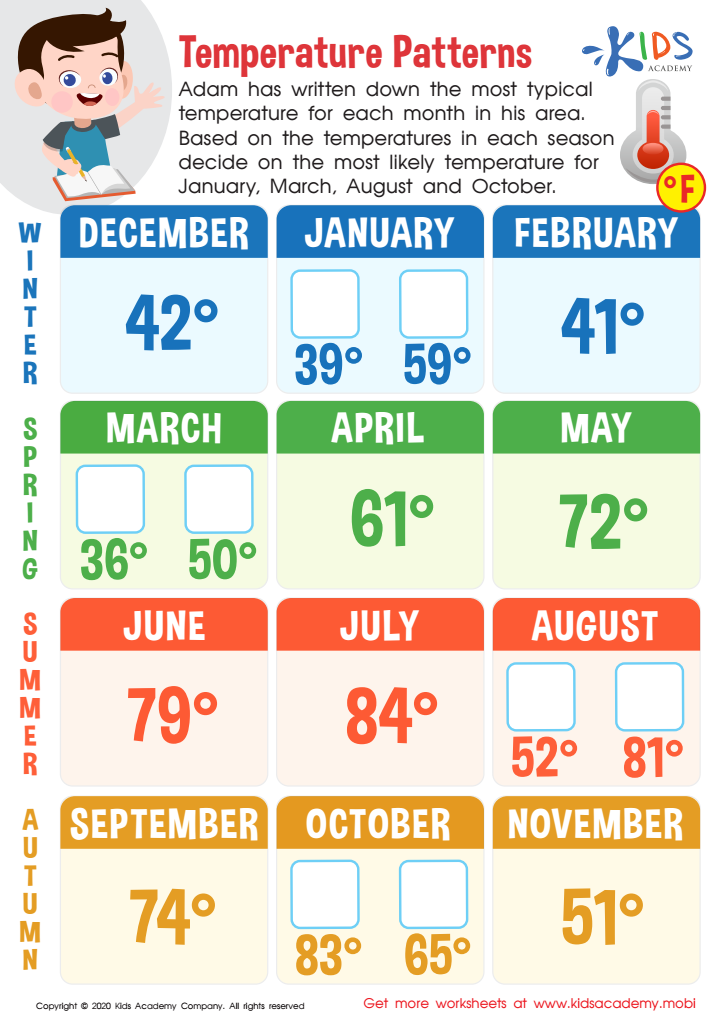
Temperature Patterns Worksheet
 Assign to My Students
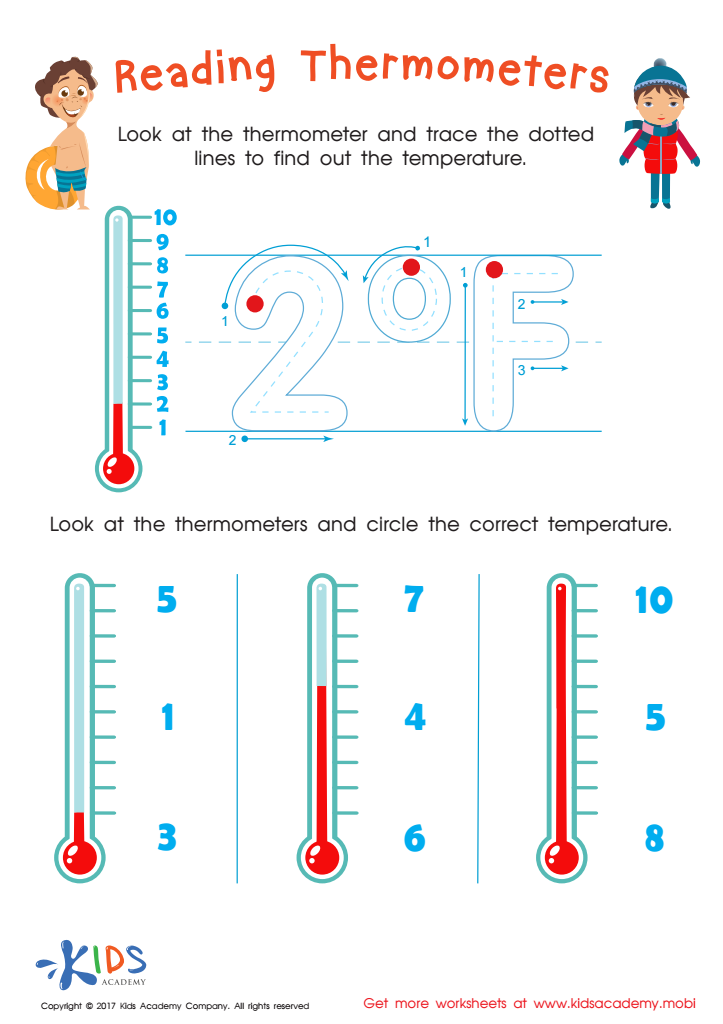
Reading Thermometers Printable
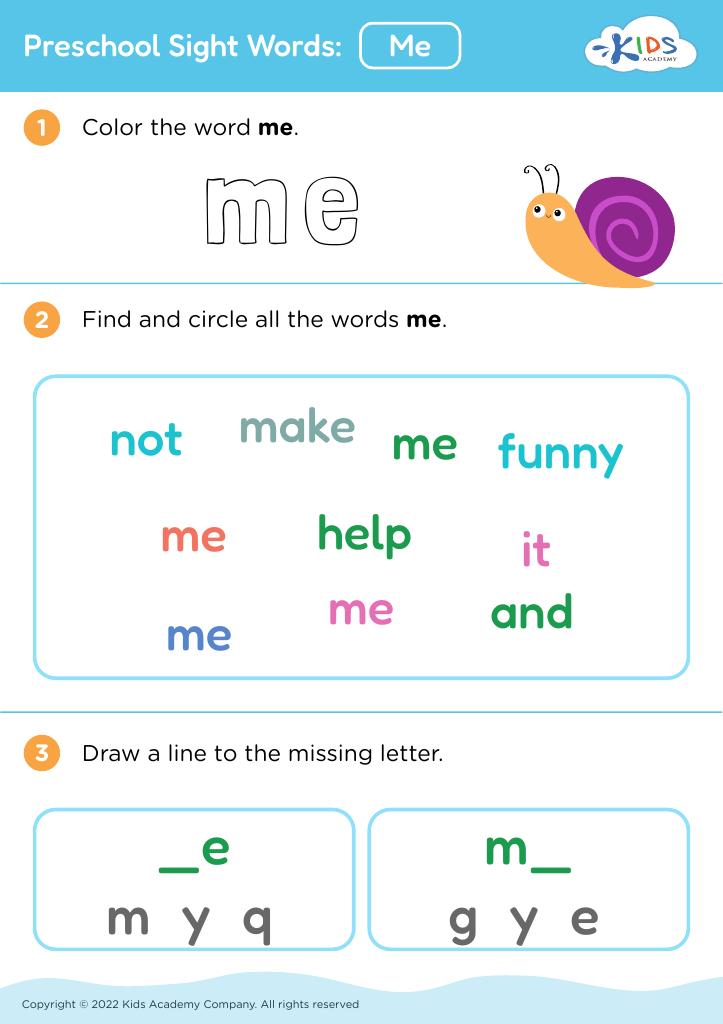







Reading thermometers is an essential skill for children aged 4-7, as it lays the foundation for understanding measurement and basic scientific concepts. At this age, children are naturally curious about the world, and activities that involve reading thermometers can enhance their observational skills, number recognition, and critical thinking.
For parents and teachers, incorporating thermometer reading into learning provides productive hands-on experiences. It helps children connect the dots between abstract numbers and real-world applications, such as weather changes or cooking. This not only engages young learners but also promotes the development of early math skills as they learn to interpret numerical values while using tools regularly encountered in everyday life.
Additionally, introducing thermometers can open discussions about health, encouraging children to understand body temperature in relation to wellness. This knowledge empowers them to communicate and recognize symptoms effectively.
In summary, teaching children to read and understand thermometers fosters curiosity, enhances mathematical skills, and promotes health awareness, making it a worthwhile endeavor for parents and educators keen on nurturing well-rounded, informed individuals.








