Understand sequences Worksheets for Ages 4-7
5 filtered results
-
From - To
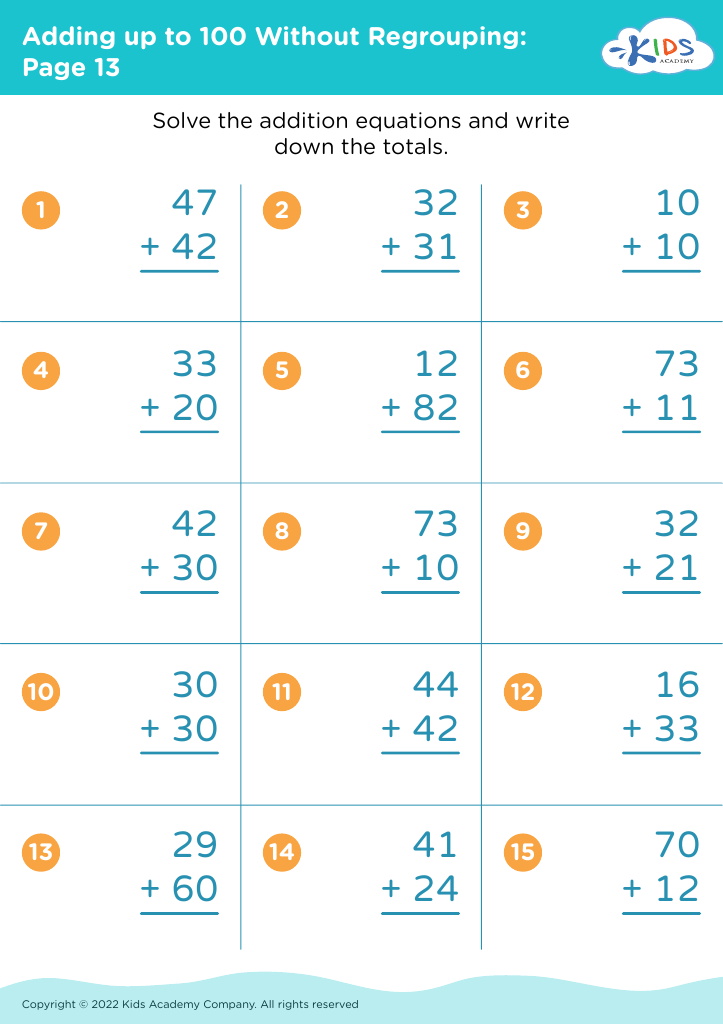
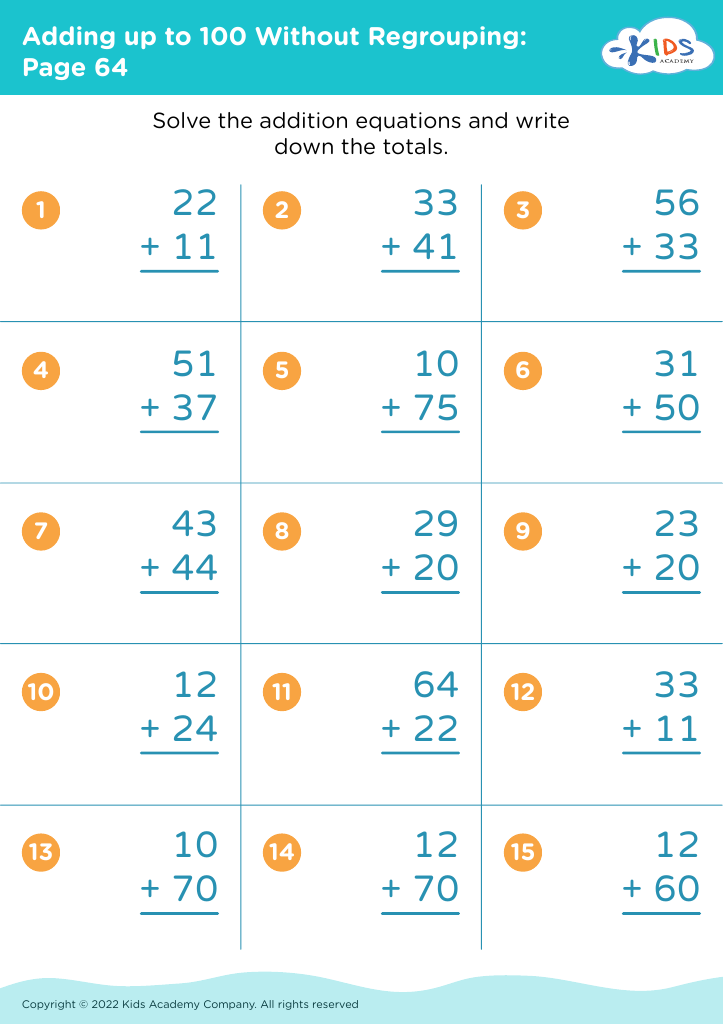
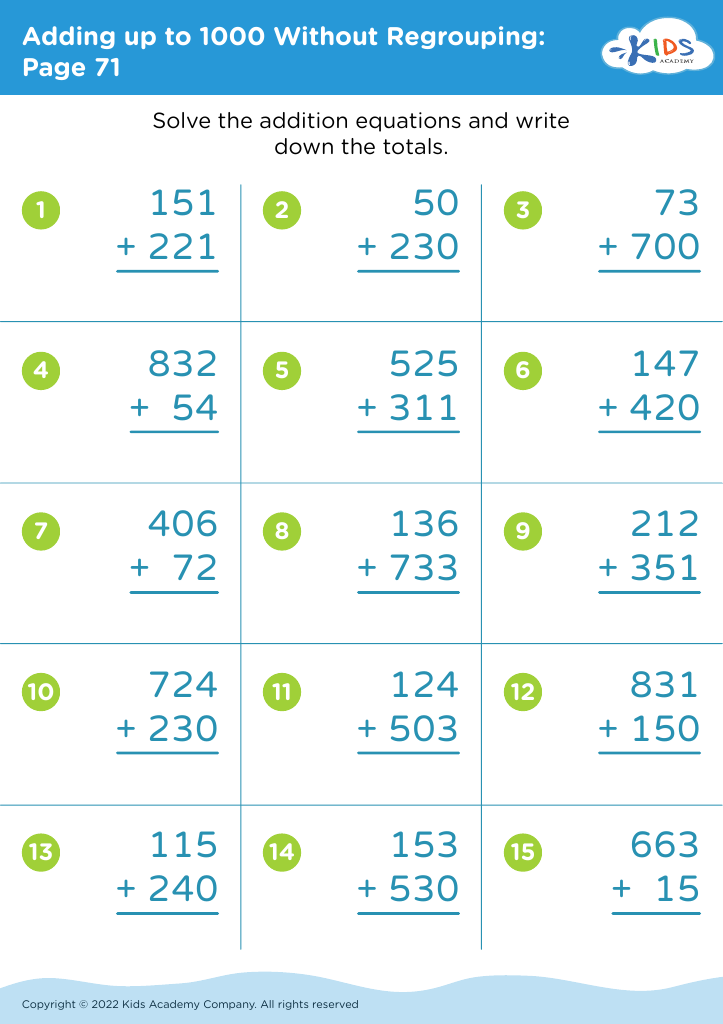
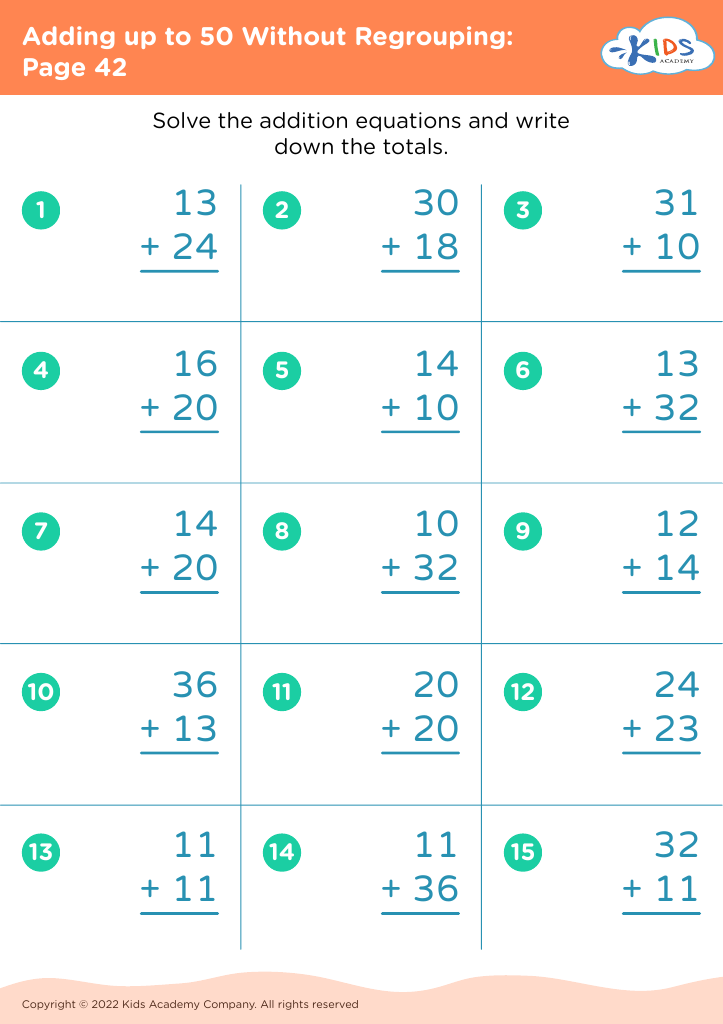
Unlock your child's potential with our "Understand Sequences Worksheets" designed specifically for ages 4-7. These engaging printable worksheets will help young learners grasp the concept of sequences through fun activities and colorful visuals. As children identify patterns and order various items, they develop critical thinking and problem-solving skills. Perfect for home learning or classroom use, our resources promote cognitive growth and enhance early math readiness. Download these worksheets to create an interactive learning experience and watch your child's confidence soar as they master sequences with joy and creativity! Start nurturing essential skills today for a brighter future!
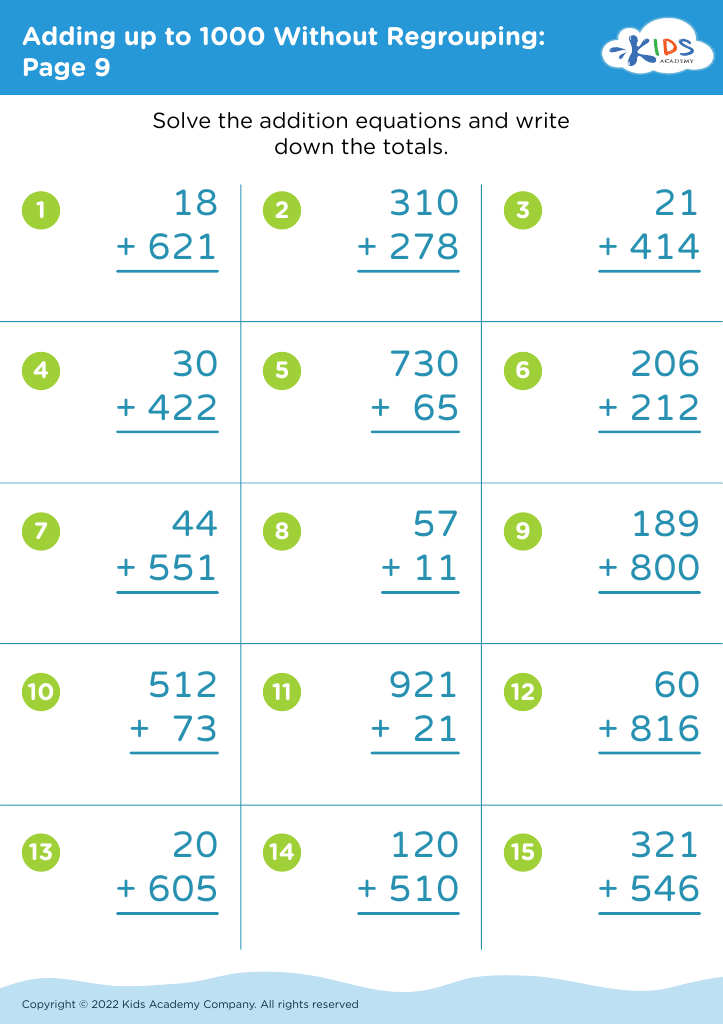








Understanding sequences is crucial for children aged 4-7, as it forms the foundation for essential cognitive skills that enhance their overall learning. At this age, children begin to grasp the concept of order and patterns, which are vital in multiple areas such as mathematics, reading, and daily routines.
For mathematics, recognizing sequences helps children learn to count, perform addition and subtraction, and understand time concepts like days of the week or months of the year. Similarly, in reading and language development, sequences assist children in comprehending storylines, allowing them to summarize events and predict outcomes.
Additionally, understanding sequences fosters critical thinking and problem-solving skills. When children can discern patterns, they develop the ability to make connections, which enhances their observational skills.
Furthermore, teaching sequences supports emotional and social development, as routines and schedules create a sense of security and predictability for young learners. This ultimately contributes to their confidence in navigating a rapidly changing environment.
For these reasons, both parents and teachers should prioritize activities and lessons that build children’s abilities to understand and create sequences, setting them on a path to success in various aspects of their lives.








