Understanding number sequence Worksheets for Ages 4-7
8 filtered results
-
From - To
Discover our engaging "Understanding Number Sequence Worksheets" designed specifically for children ages 4 to 7. These worksheets aim to teach young learners the concept of number sequences through fun and interactive activities. Each resource encourages the development of essential math skills as children practice identifying, completing, and creating number patterns. Ideal for classroom or home use, our worksheets support early numeracy and cognitive development. By integrating visuals and hands-on exercises, we make learning about number sequences enjoyable and effective. Explore our collection today to help your child build a strong foundation in math and gain confidence in their number skills!
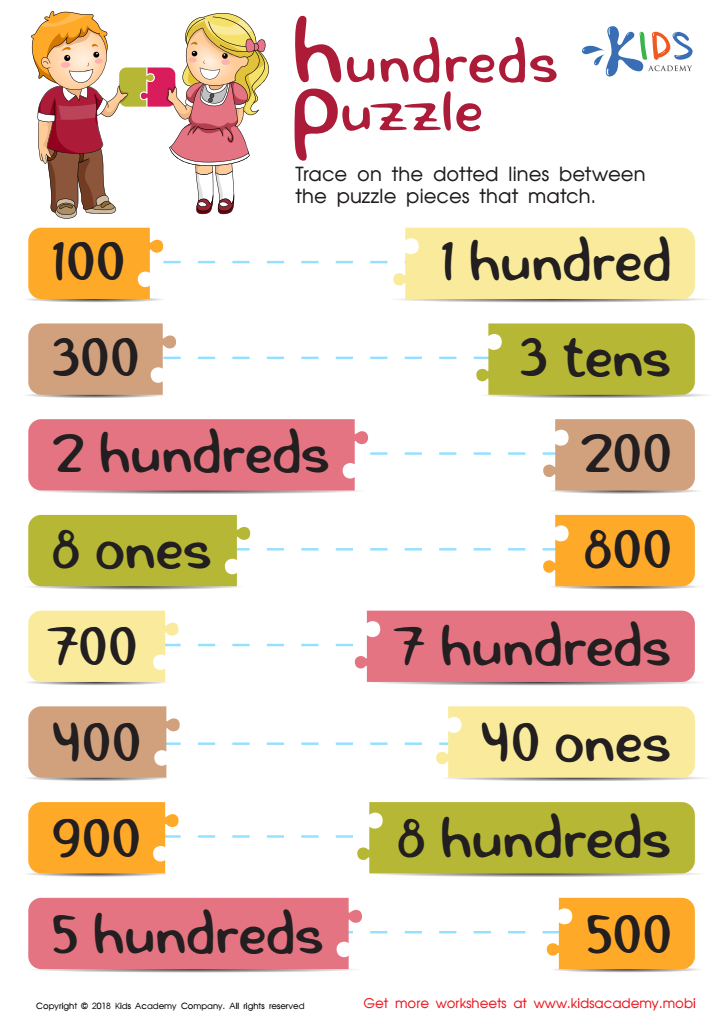
Hundreds Puzzle Worksheet
 Assign to My Students
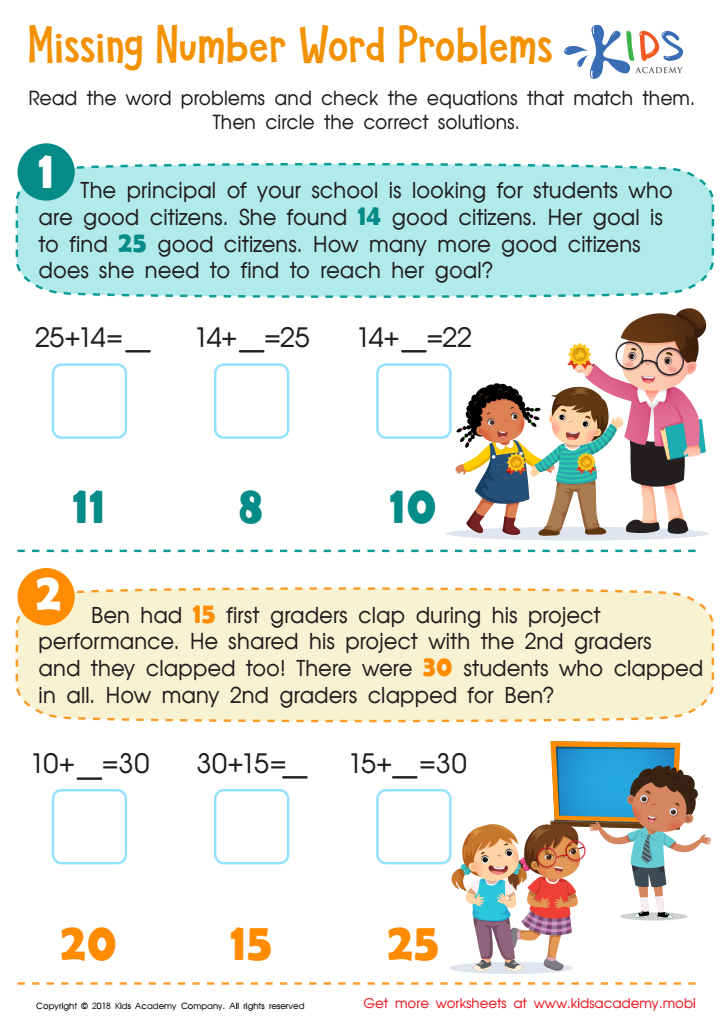
Missing Number Word Problems Worksheet
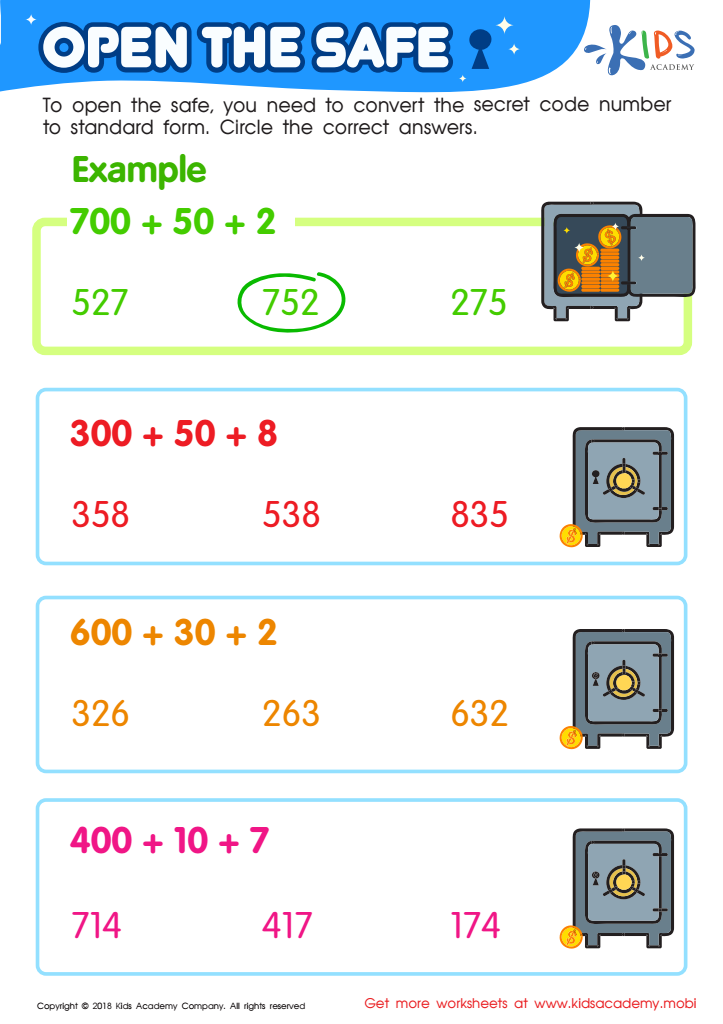
Open the Safe Worksheet
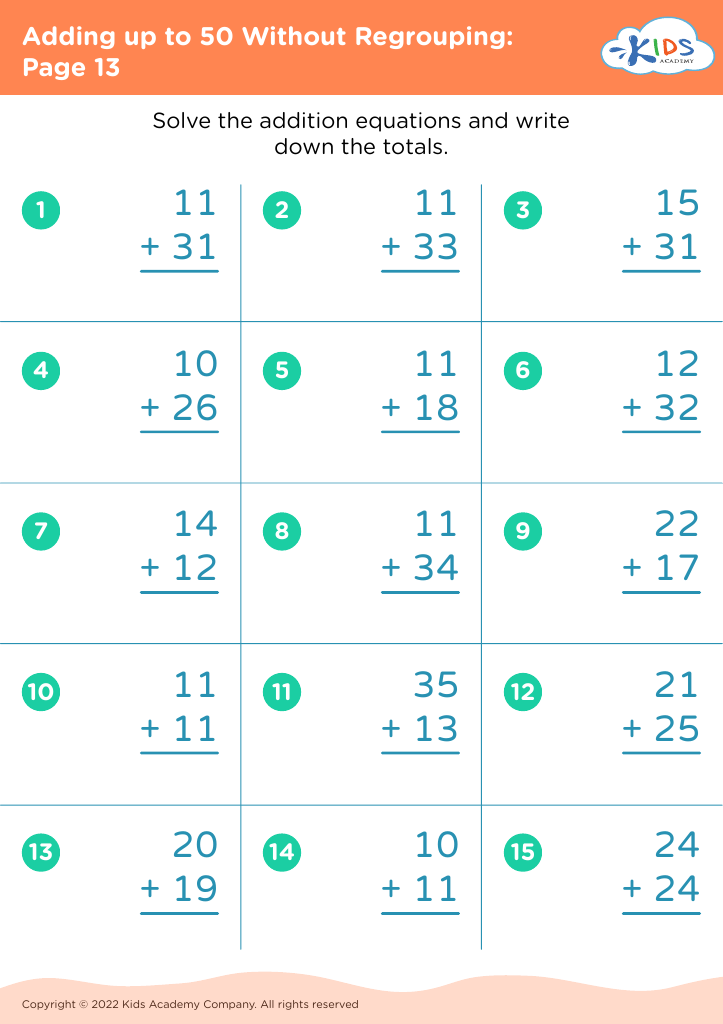
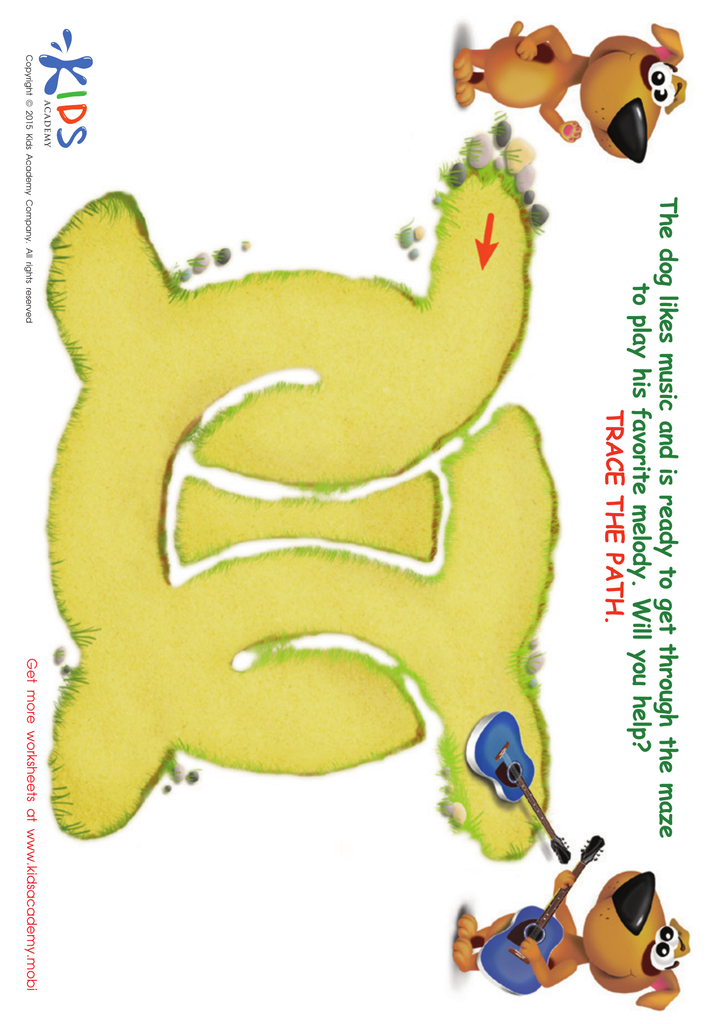
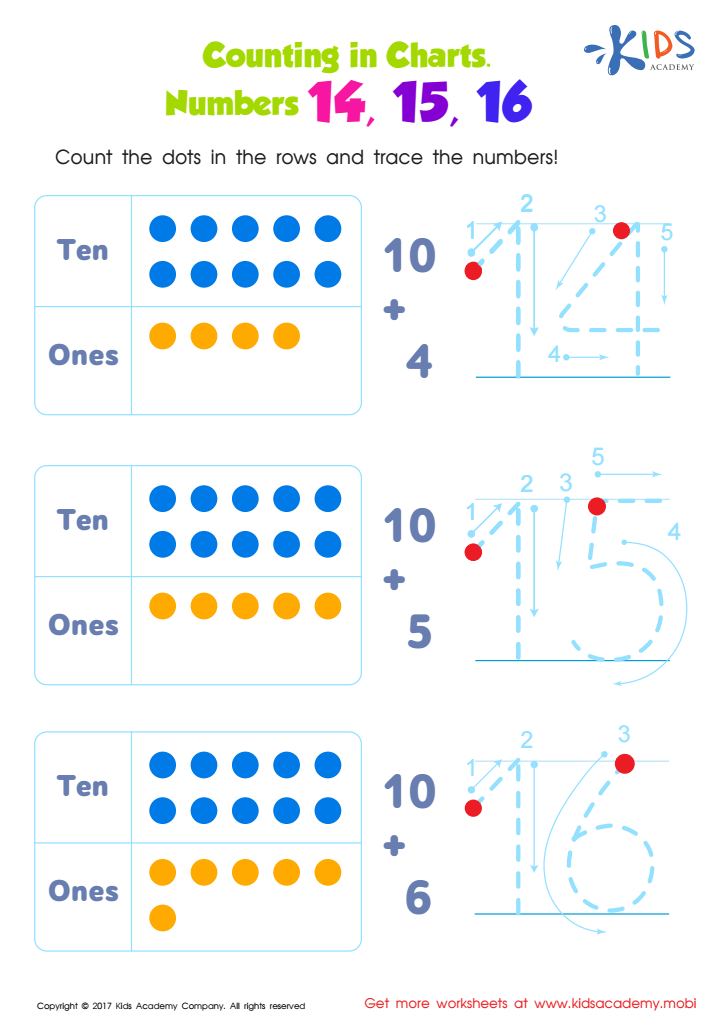
Number Tracing Worksheet








Understanding number sequences is crucial for children aged 4 to 7, and parents and teachers should care deeply about this foundational aspect of mathematics. Early exposure to number sequences fosters a strong mathematical background that is essential for future learning. When children grasp numbers in a sequential way, they develop essential skills like counting, comparing quantities, and performing simple arithmetic.
Learning number sequences helps children recognize patterns and relationships, which enhances their problem-solving abilities. For instance, understanding the patterns in counting provides a foundation for more complex mathematical concepts, such as addition and subtraction. This early mastery supports students as they transition into more advanced topics like multiplication and division.
Additionally, a solid understanding of number sequences can boost children’s confidence and enthusiasm towards math. When they comprehend numbers and their order, they experience a sense of accomplishment that encourages further exploration and curiosity.
Furthermore, parents and teachers play a crucial role in providing stimulating activities that reinforce these concepts, such as games, songs, and visual aids. By prioritizing the understanding of number sequences, adults help young learners build a strong mathematical foundation that benefits them throughout their educational journey. Building these skills early can lead to greater academic success in the future.








