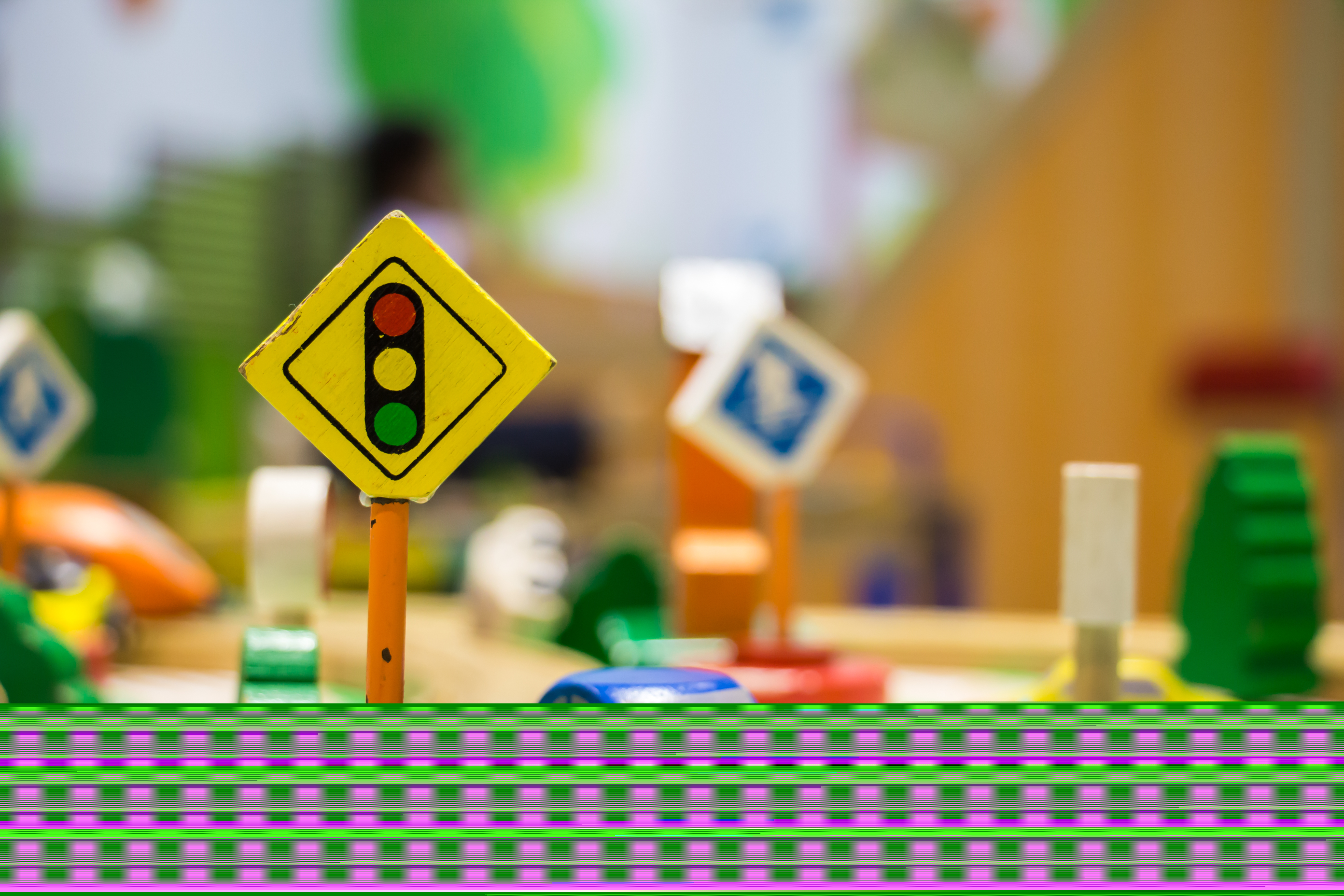
Introduce your young learners to the exciting world of visual interpretation with our carefully designed worksheets for ages 4-7! At Kids Academy, our printable worksheets are crafted to enhance your child’s learning skills by engaging in fun activities that boost their ability to comprehend and interpret visuals. Perfect for beginners, these tools promote cognitive development through colorful pictures, puzzles, and matching exercises. From identifying shapes to solving visual riddles, our worksheets make learning interactive and enjoyable. Start your child’s journey of visual exploration with us and see the inspiring results in their critical thinking and problem-solving abilities!

Check out this FREE "Visual interpretation" Trial Lesson for age 4-7!

Relationship Between Illustrations and the Story

Favorites
With answer key
Interactive
  • 4-7
  • Visual interpretation
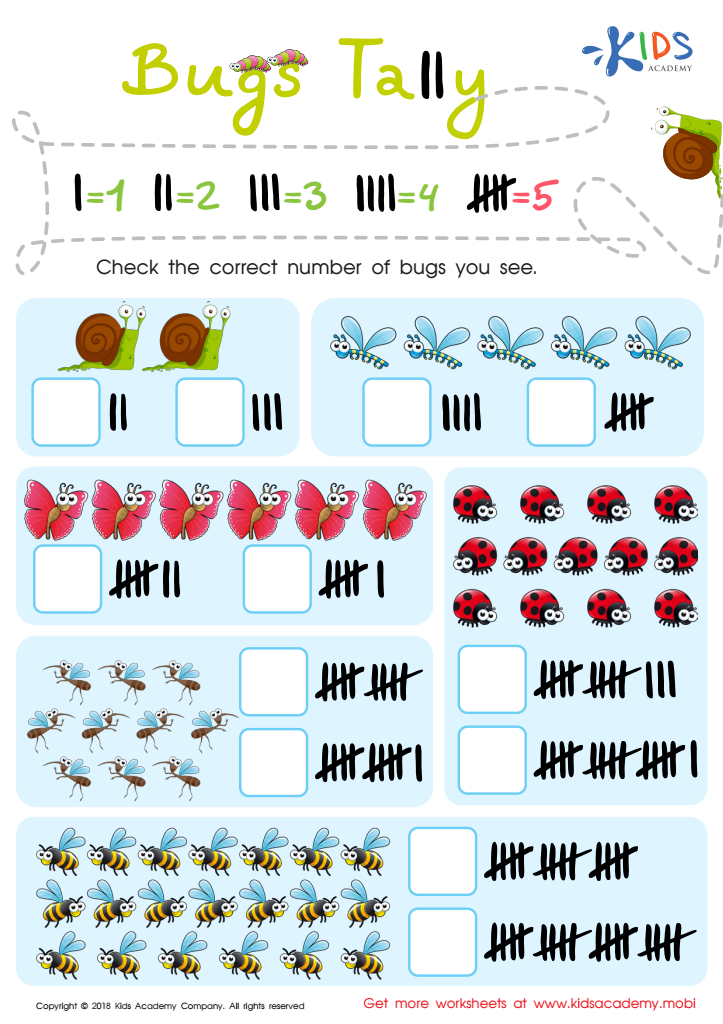
Bugs Tally Worksheet

Bugs Tally Worksheet

This fun worksheet uses friendly bugs to help young mathematicians learn numbers and tally marks. They'll gain real-world skills to help with adding, subtracting and counting. Representations will solidify number reasoning, aiding with game playing and more.
Bugs Tally Worksheet
Worksheet
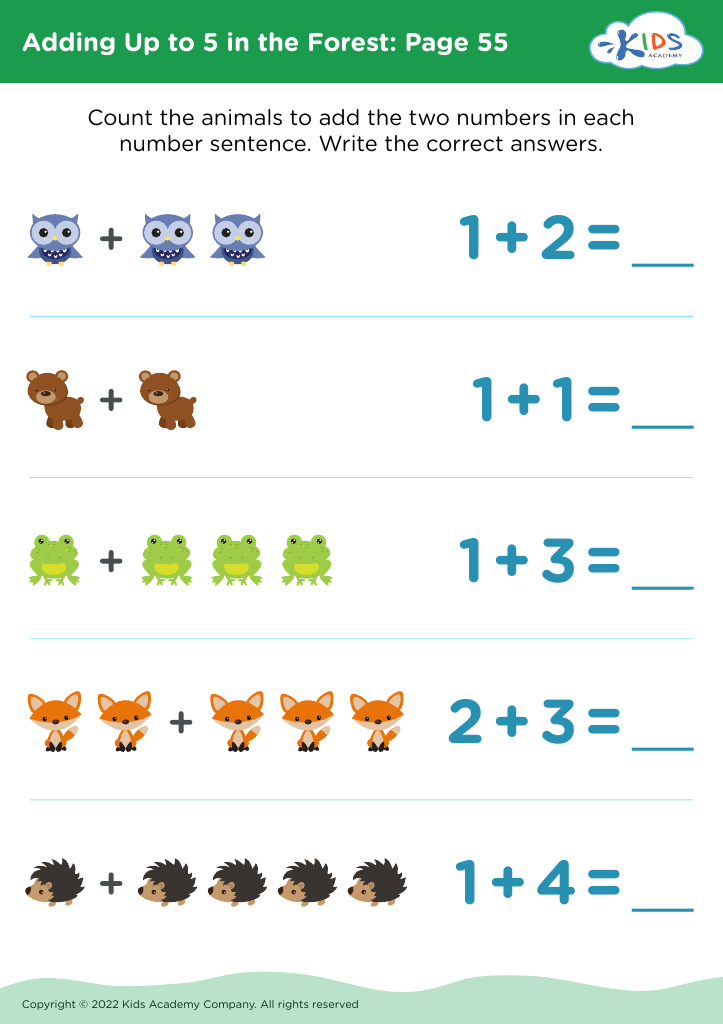
Adding Up to 5 in the Forest: Page 55
Worksheet
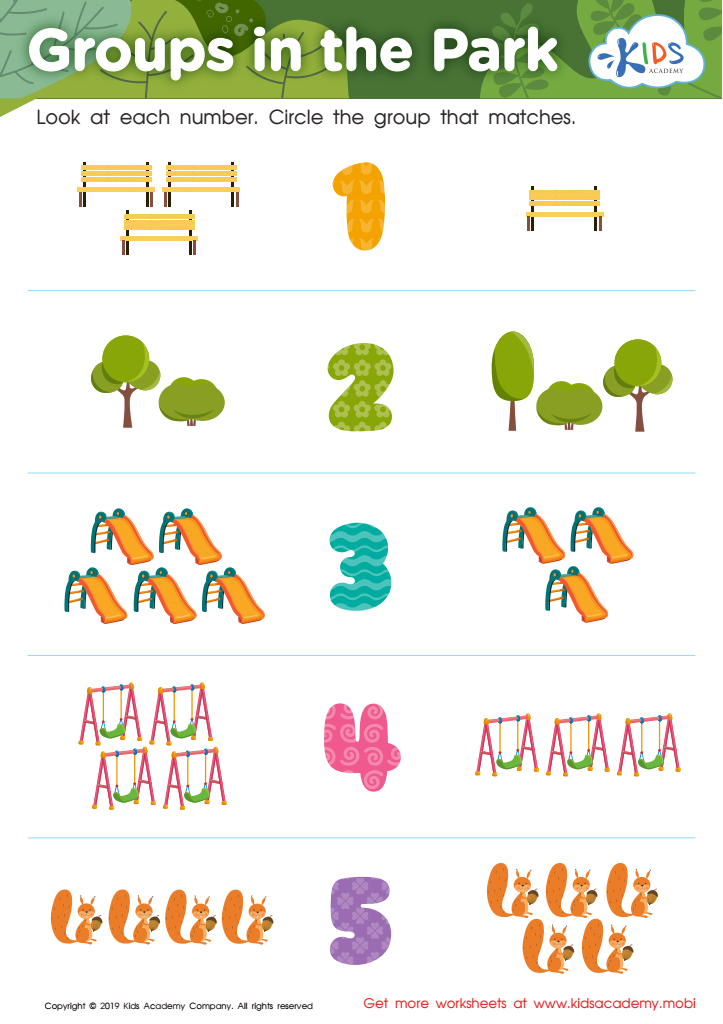
Groups in the Park Worksheet

Groups in the Park Worksheet

Take your kids to the park and let them enjoy the freedom to play! Ask them what they love doing most and study a picture together - name items and count objects in the sets, then circle the correct one. It's a fun way for your kids to learn.
Groups in the Park Worksheet
Worksheet
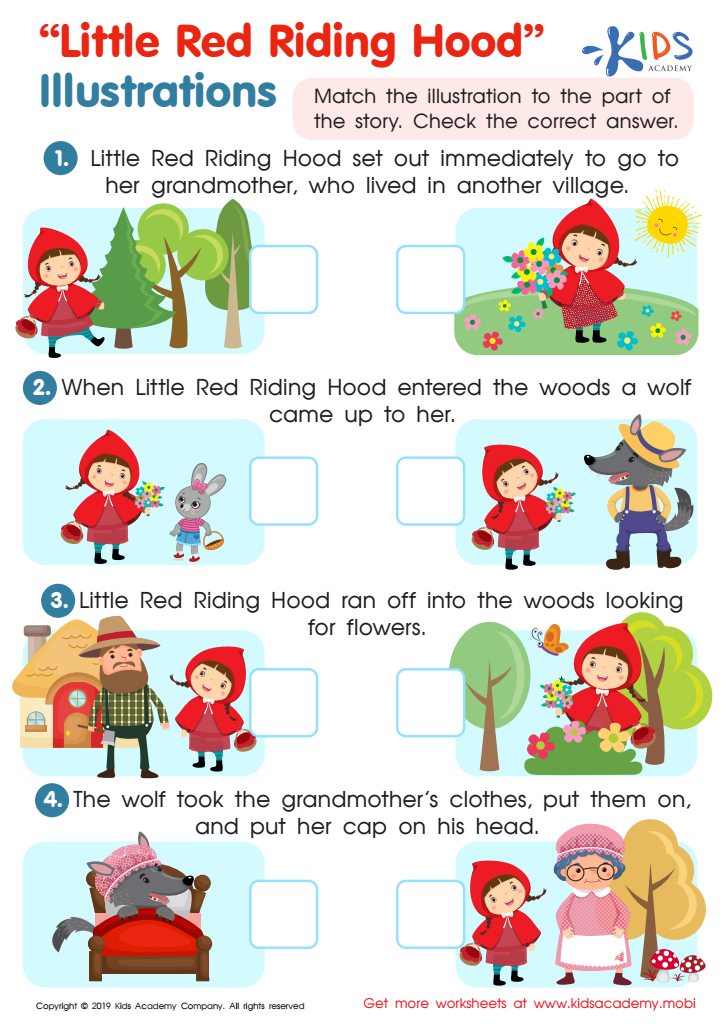
Little Red Riding Hood: Illustrations Worksheet
Little Red Riding Hood: Illustrations Worksheet

Comprehension is improved by having young readers recall and retell stories. This worksheet uses colorful illustrations of the fairytale Little Red Riding Hood. Children use their comprehension skills and strategy to match illustrations to the story parts, check off the appropriate boxes and use the pictures as clues.
Little Red Riding Hood: Illustrations Worksheet
Worksheet
Adding up to 1000 Without Regrouping: Page 23
Worksheet
Visit an Aquarium Worksheet
Visit an Aquarium Worksheet

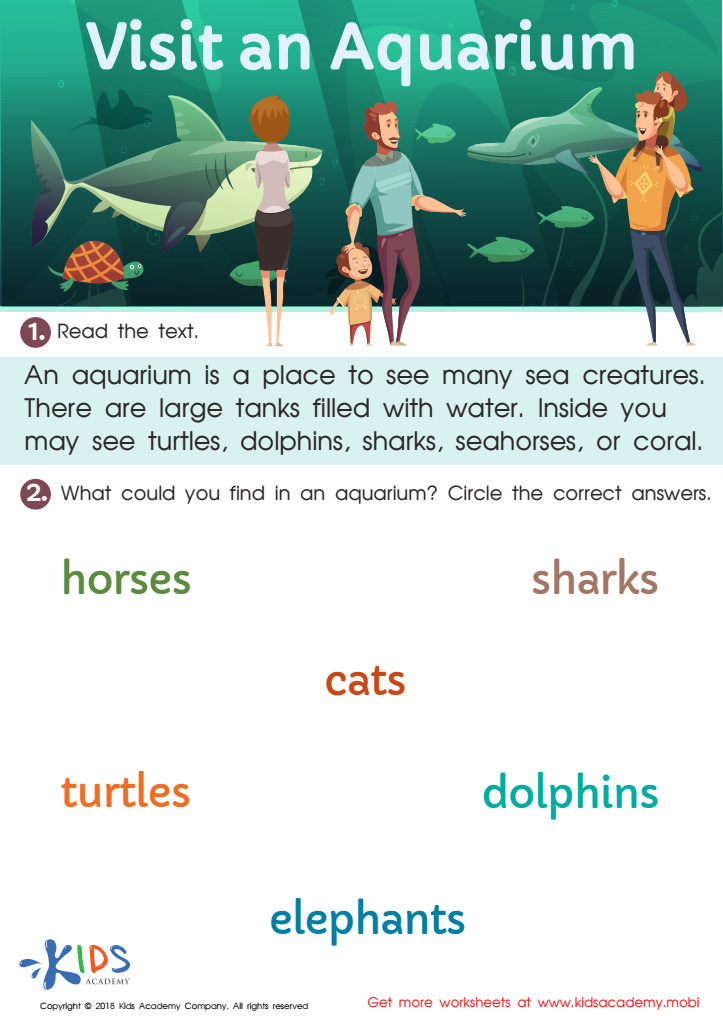
Have your kids ever been to an aquarium? It's a great place to see a variety of sea creatures, like turtles, dolphins, sharks and fish. If they're fascinated by sea life, this worksheet is perfect! Help them circle the aquarium animals among the words in the picture.
Visit an Aquarium Worksheet
Worksheet
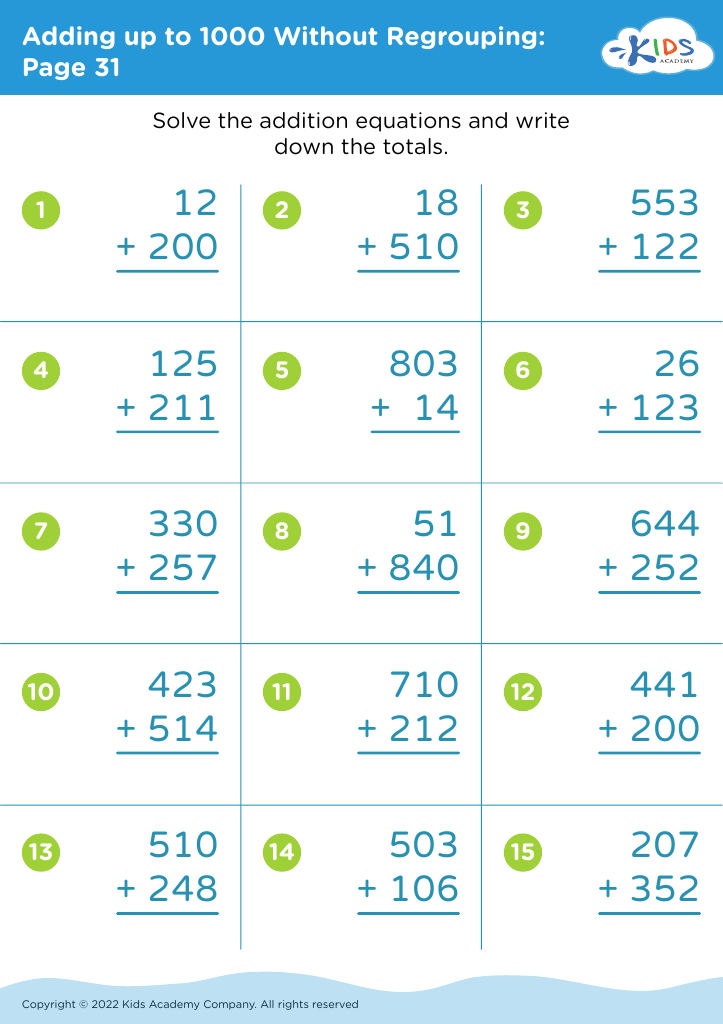
Adding up to 1000 Without Regrouping: Page 31
Worksheet
The Ant and the Grasshopper worksheet PDF

The Ant and The Grasshopper Printable
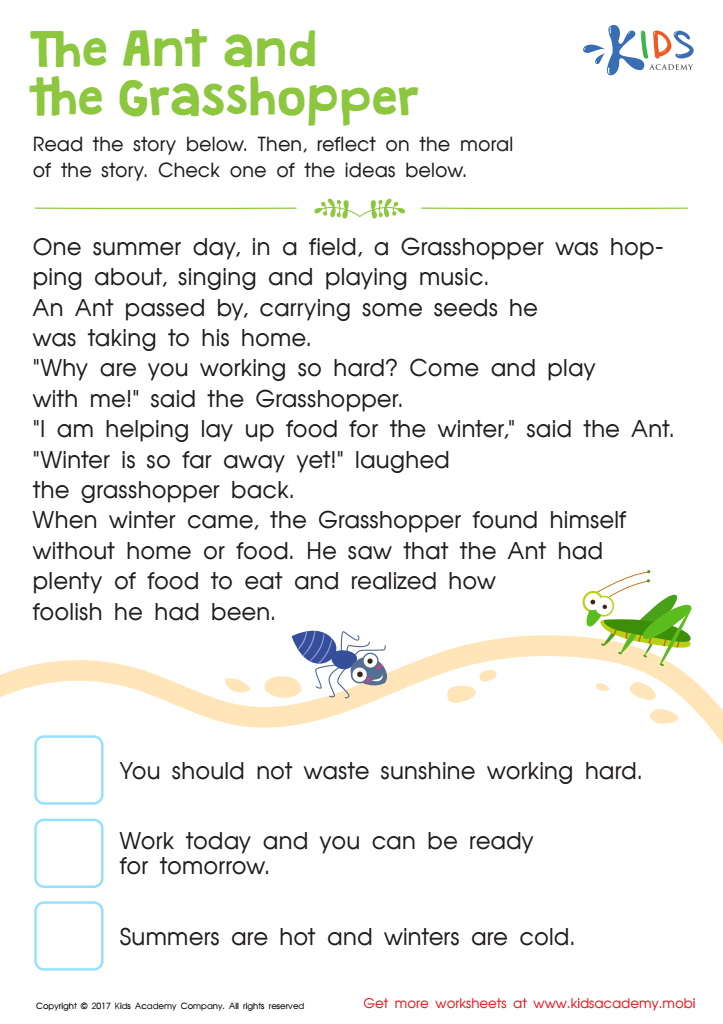
Aesop's fables have clear messages, which make them memorable and loved by children and adults. Use Kids Academy's ant and grasshopper worksheet to help your child reflect on stories and discover the life lesson.
The Ant and The Grasshopper Printable
Worksheet
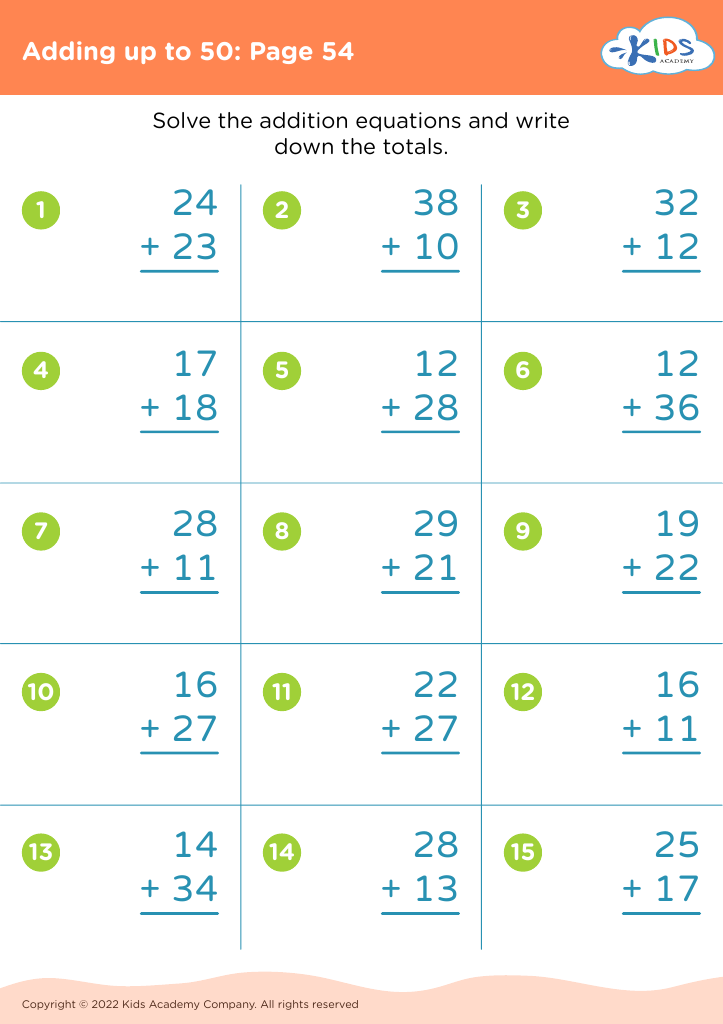
Adding up to 50: Page 54

Adding up to 50: Page 54

Adding up to 50: Page 54
Worksheet
Wash Your Hands Worksheet

Wash Your Hands Worksheet

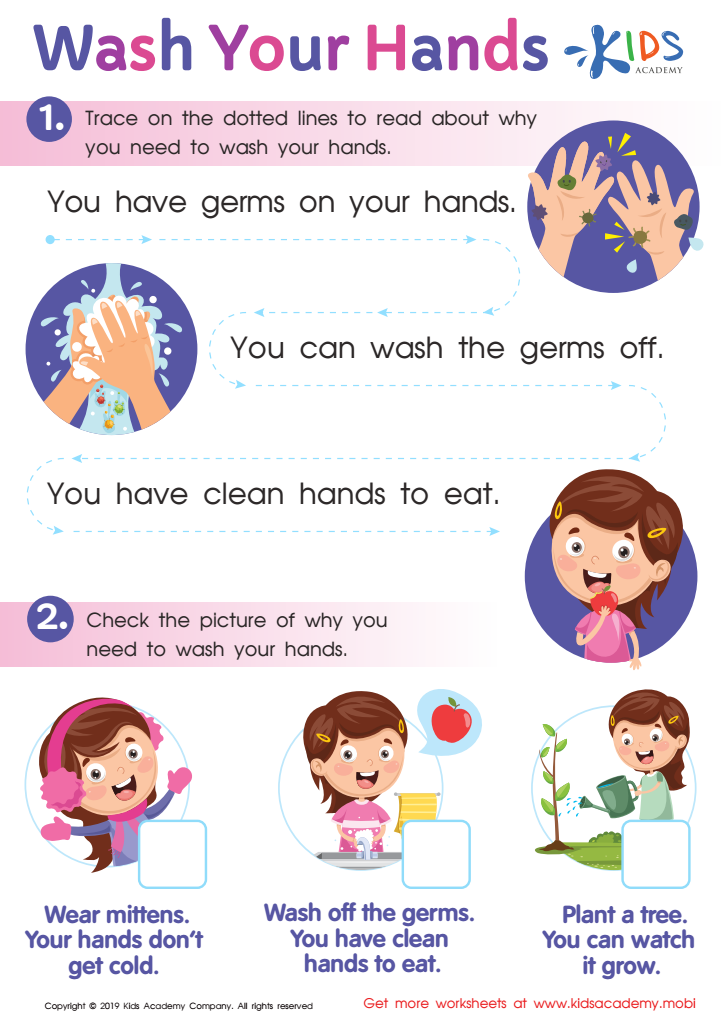
Kids learn best when they understand why they need to do something. This free worksheet uses traceable lines and pictures to teach them about germs and why washing hands is important. The child follows a left-to-right sequence and must check the correct picture to show they understand.
Wash Your Hands Worksheet
Worksheet
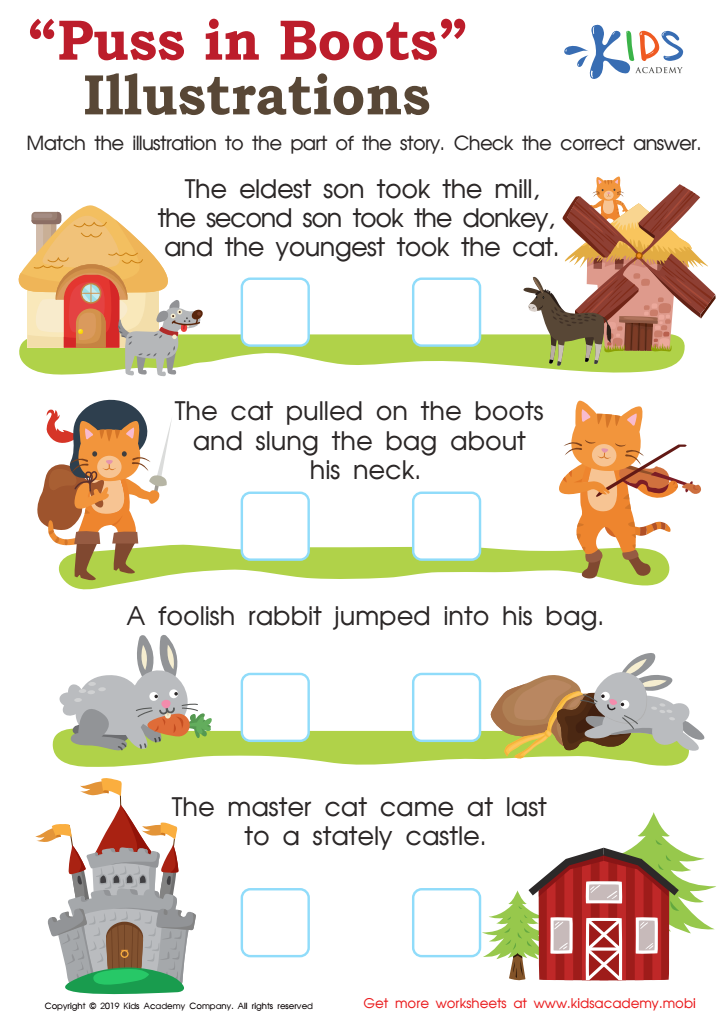
Puss in Boots Illustrations Worksheet
Puss in Boots Illustrations Worksheet

This Puss In Boots Illustrations worksheet is a great way to help kids learn about retelling stories. They'll match images to different parts of the story and check off the correct answer. As they recall events and put them in sequence they'll enjoy this fun and creative activity.
Puss in Boots Illustrations Worksheet
Worksheet
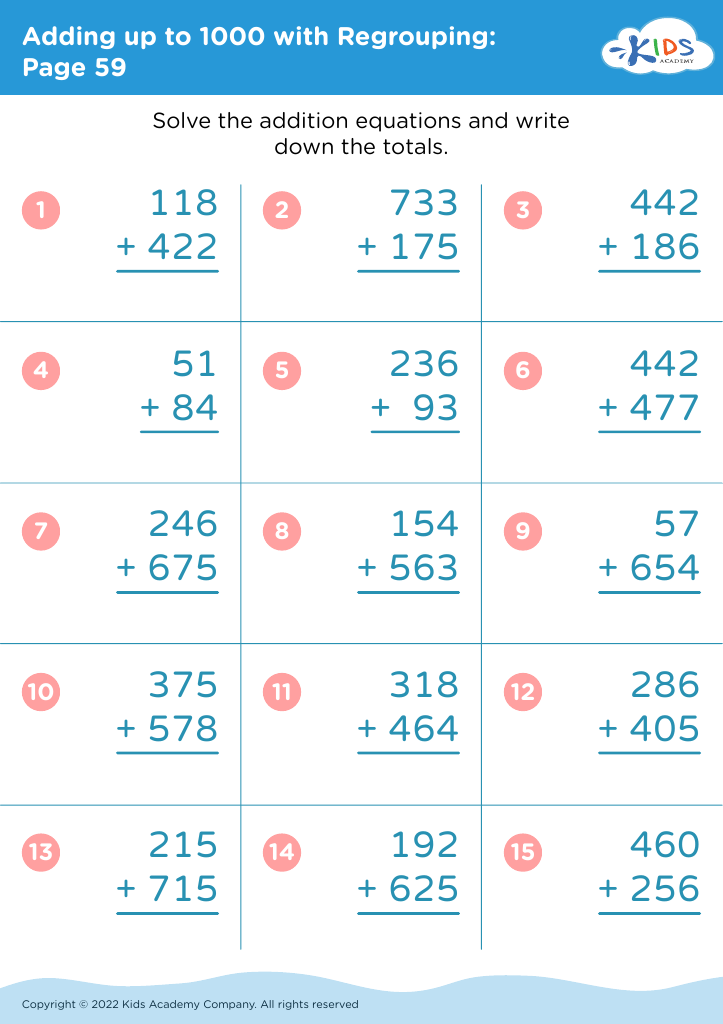
Adding up to 1000 with Regrouping: Page 59
Worksheet
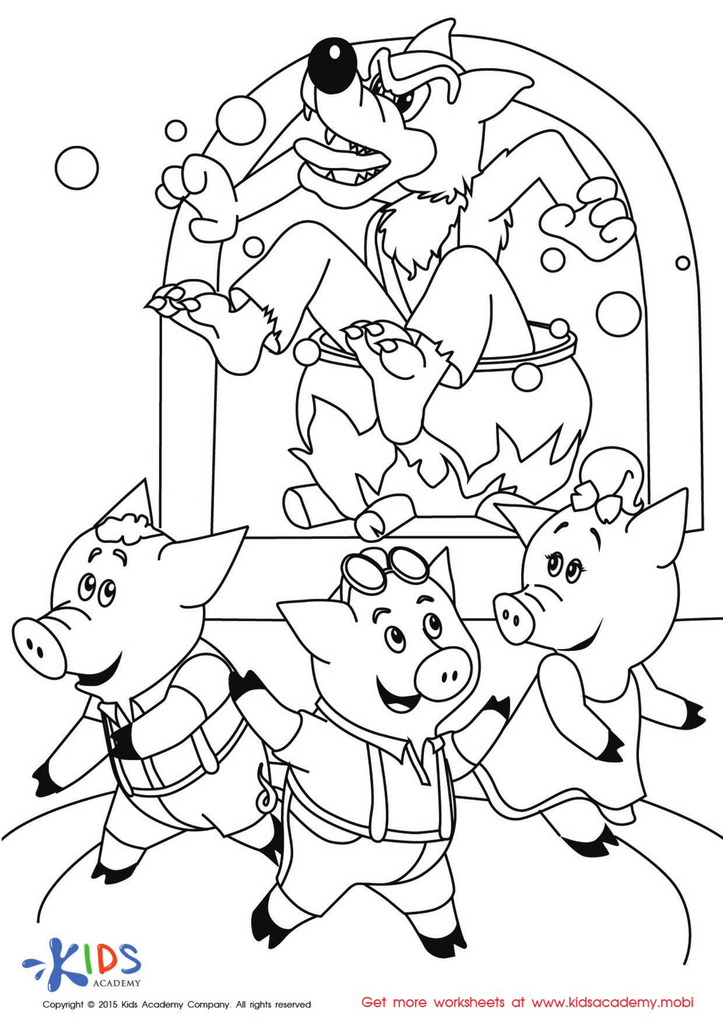
The Three Little Pigs and The Big Bad Wolf

The Three Little Pigs and The Big Bad Wolf Printable
The Big Bad Wolf has learned his lesson: never bully little pigs! This free printable worksheet shows him falling into boiling water, while the three little pigs are safe and happy. Let your kids bring this scene to life by coloring it in whatever way they like. When they're done, ask them if they think the Big Bad Wolf will ever return.
The Three Little Pigs and The Big Bad Wolf Printable

Worksheet
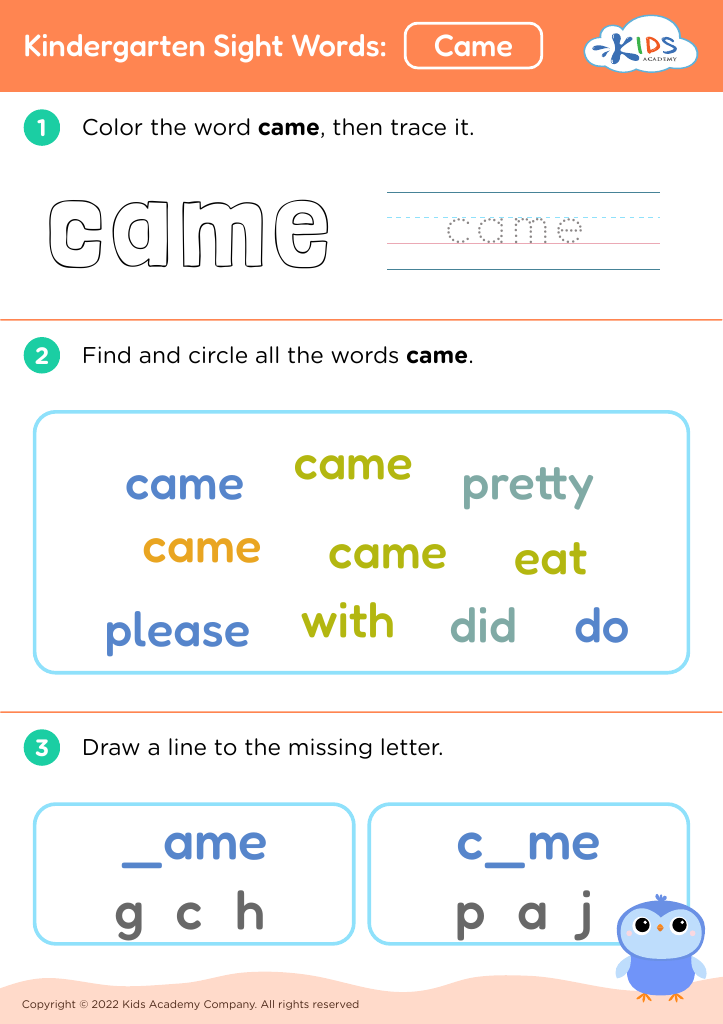
Kindergarten Sight Words: Came

Kindergarten Sight Words: Came

Kindergarten Sight Words: Came
Worksheet


Visual interpretation skills, especially for children aged 4-7, are crucial as they lay the foundation for literacy, cognitive development, and effective communication. At this developmental stage, kids are naturally more attuned to visual stimuli, making visual interpretation an effective gateway to learning and understanding complex concepts.

Firstly, visual interpretation aids in literacy by helping children connect images with words. Picture books, for example, enhance comprehension by pairing visuals with text. This synergy helps children as they acquire new vocabulary and grasp narrative sequences. Moreover, visual cues can simplify abstract ideas, such as math concepts, making them more accessible and engaging.

Second, these skills bolster cognitive development. Visual interpretation requires children to observe details, differentiate between objects, and recognize patterns, all of which are critical thinking skills. Activities like puzzles and drawing encourage spatial awareness and problem-solving, preparing young minds for more structured educational challenges later.

Lastly, visual interpretation aids in social and emotional learning. It helps kids understand non-verbal cues like facial expressions and body language, fostering empathy and effective interpersonal communication. Recognizing how visuals relate to emotions and actions enhances social interactions and emotional intelligence.

Caring about visual interpretation ensures a holistic approach to childhood development, setting the stage for future academic success and emotional well-being.