Visual recognition Worksheets for Ages 4-7
11 filtered results
-
From - To
Discover our engaging Visual Recognition Worksheets for ages 4-7, designed to enhance children's observation and categorization skills! These fun and colorful activities help young learners develop their ability to identify shapes, colors, patterns, and more. Our worksheets are perfect for promoting visual perception, critical thinking, and fine motor skills through a variety of interactive exercises. Ideal for teachers, parents, and guardians, these printable resources ensure a dynamic learning experience that keeps children excited about learning. Boost your child's confidence and cognitive abilities with our carefully crafted visual recognition activities today! Explore our collection and watch your little ones thrive!
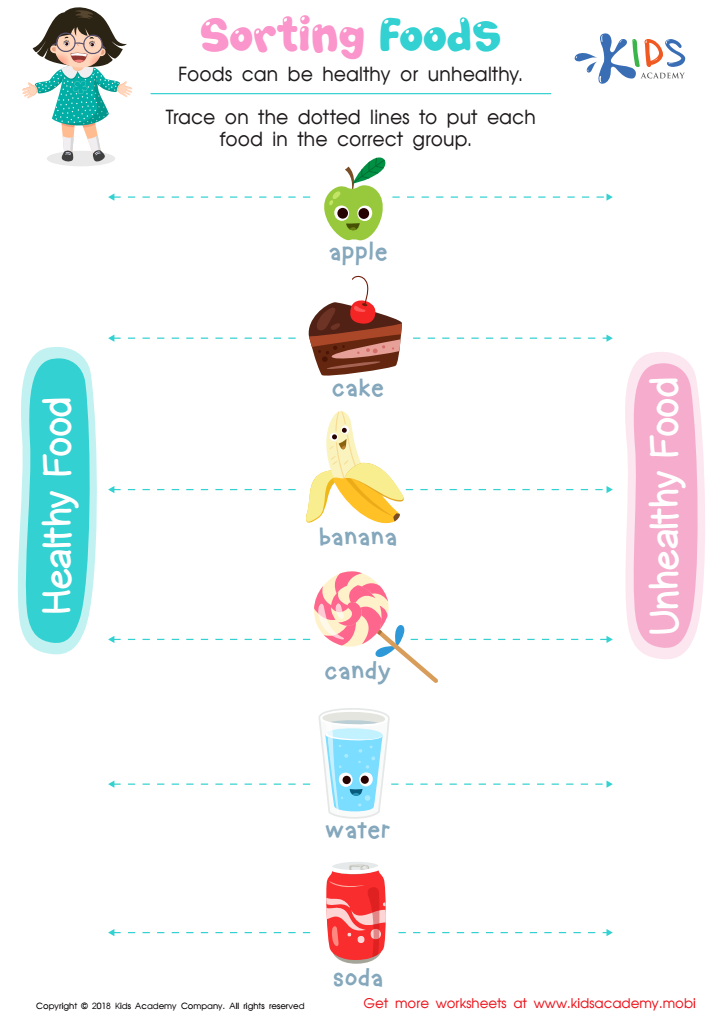
Sorting Food Worksheet
 Assign to My Students
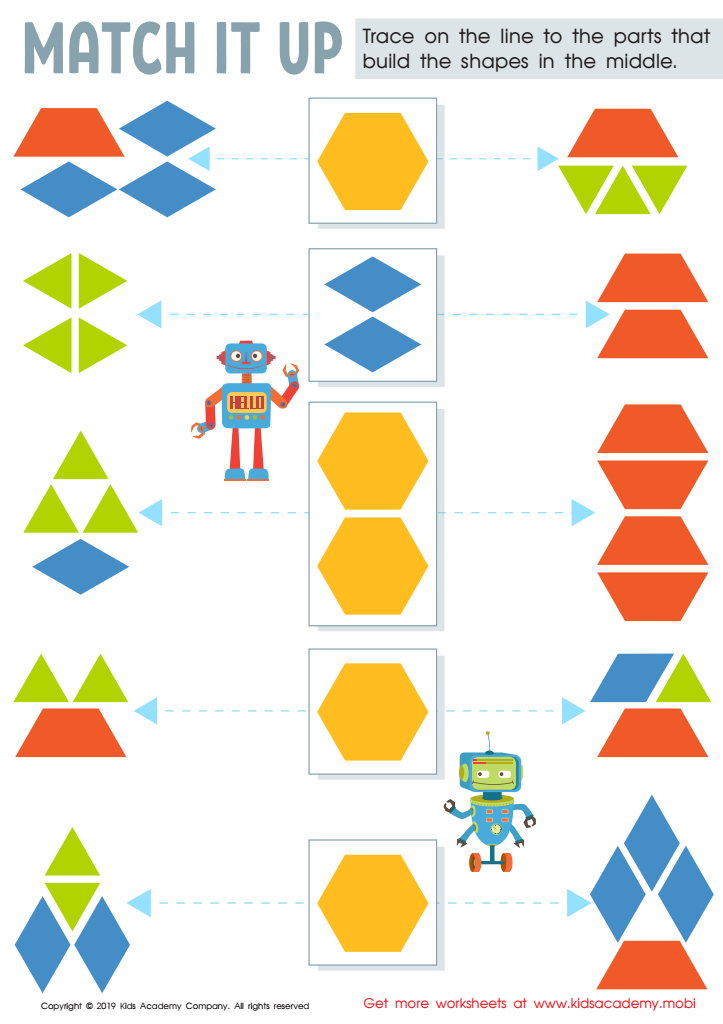
Match It up Worksheet
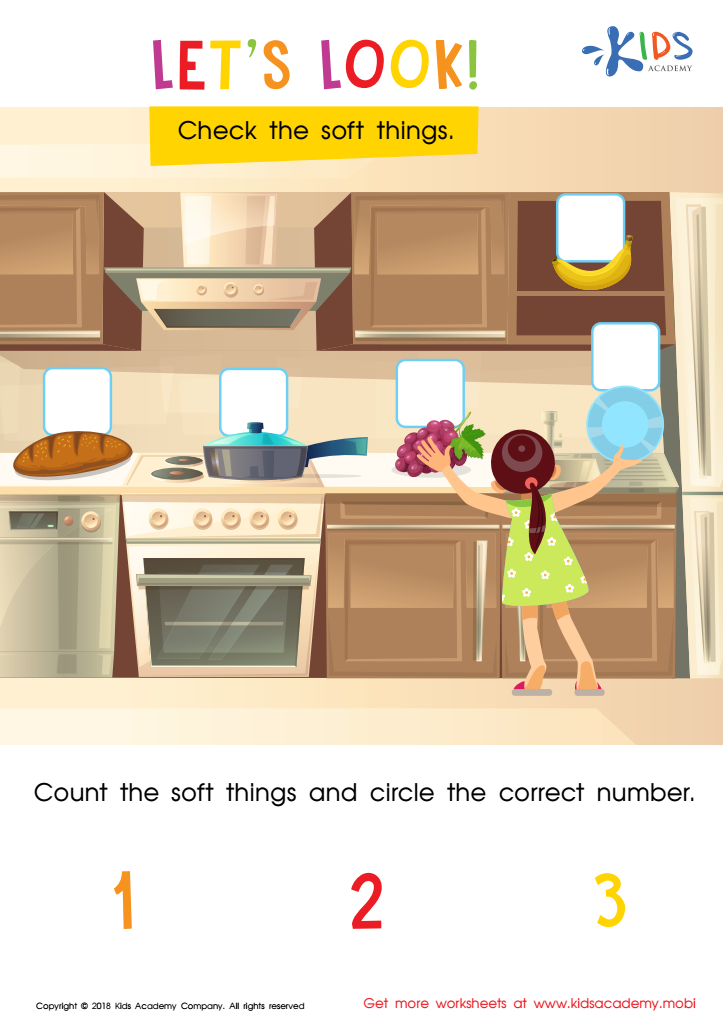
Let's Look! Assessment Worksheet
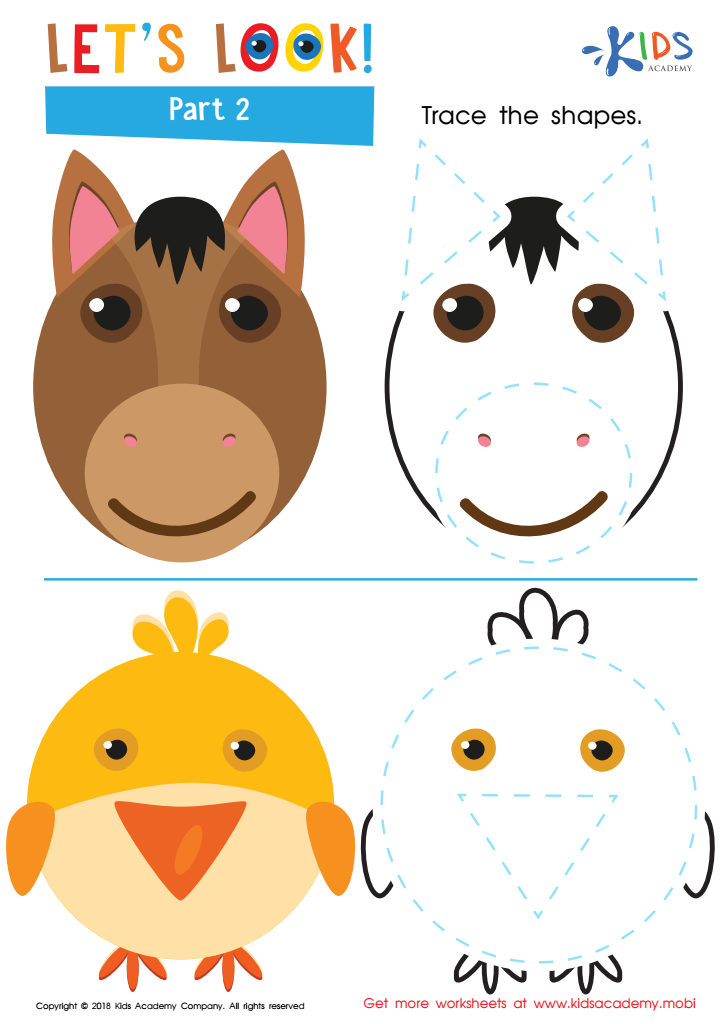
Let's Look! Part 2 Worksheet
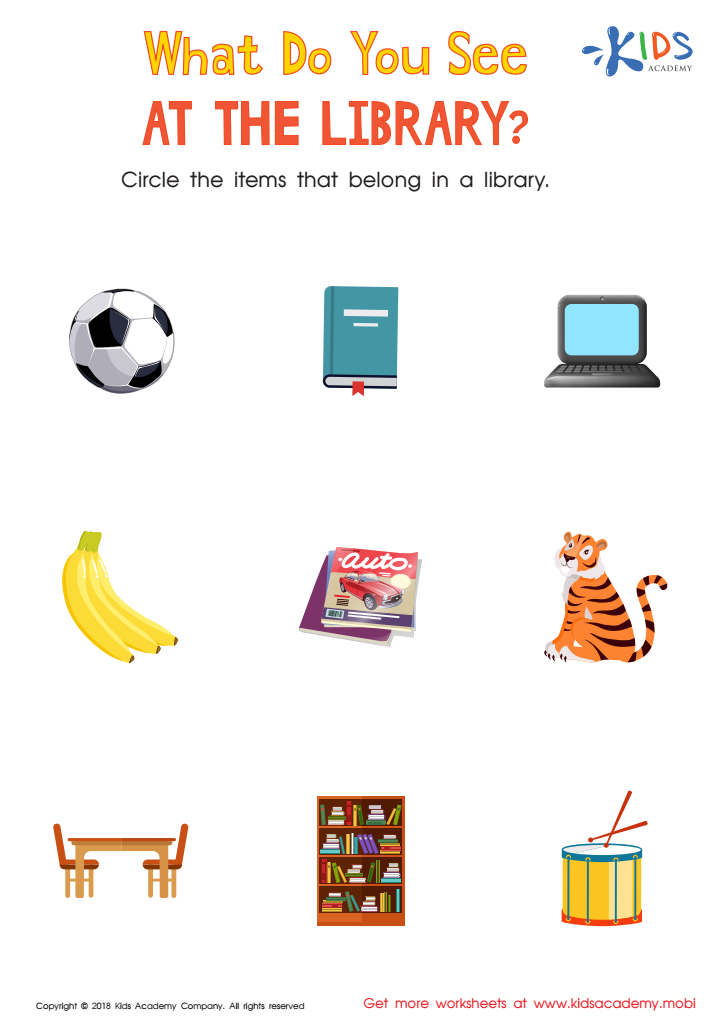
What Do you See at the Library? Worksheet
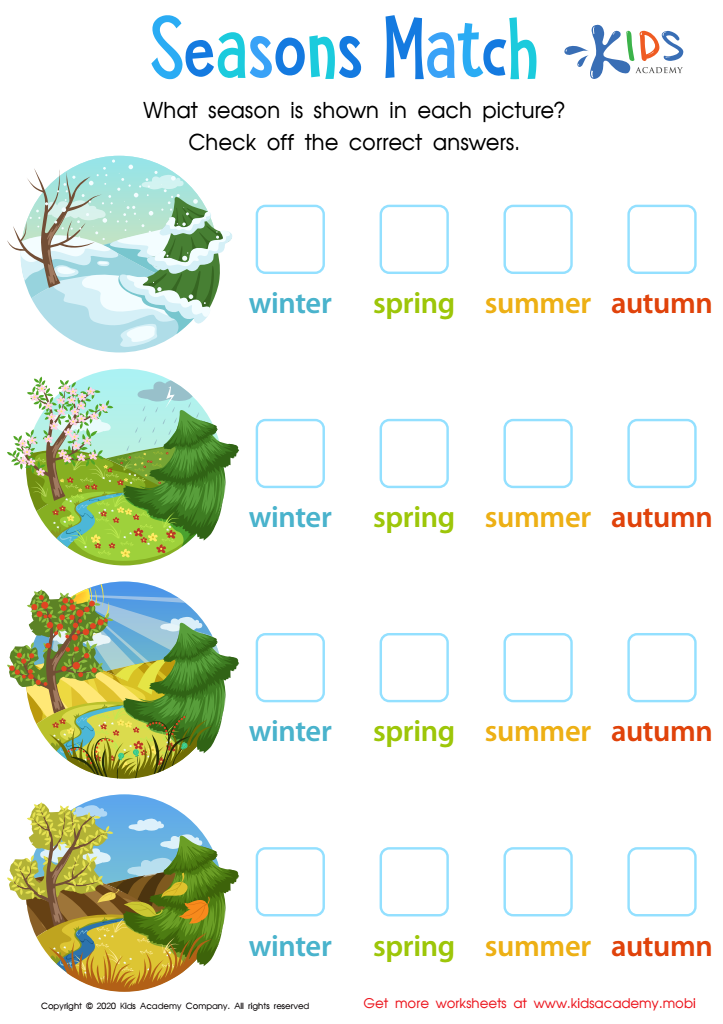
Seasons Match Worksheet
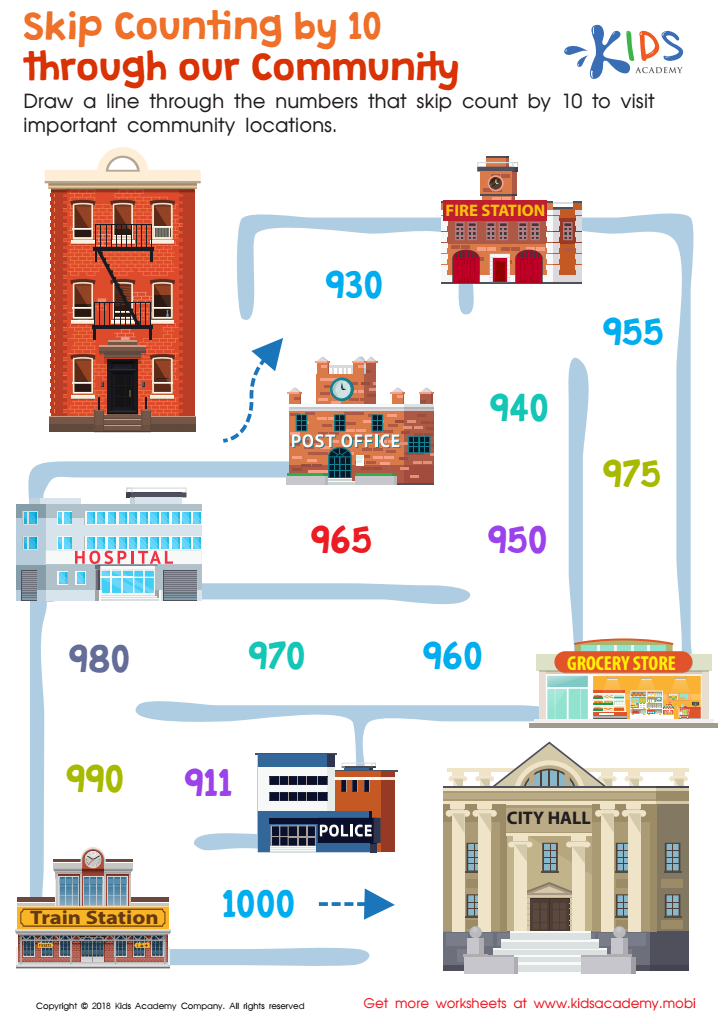
Skip Counting by 10 Through Our Community Worksheet
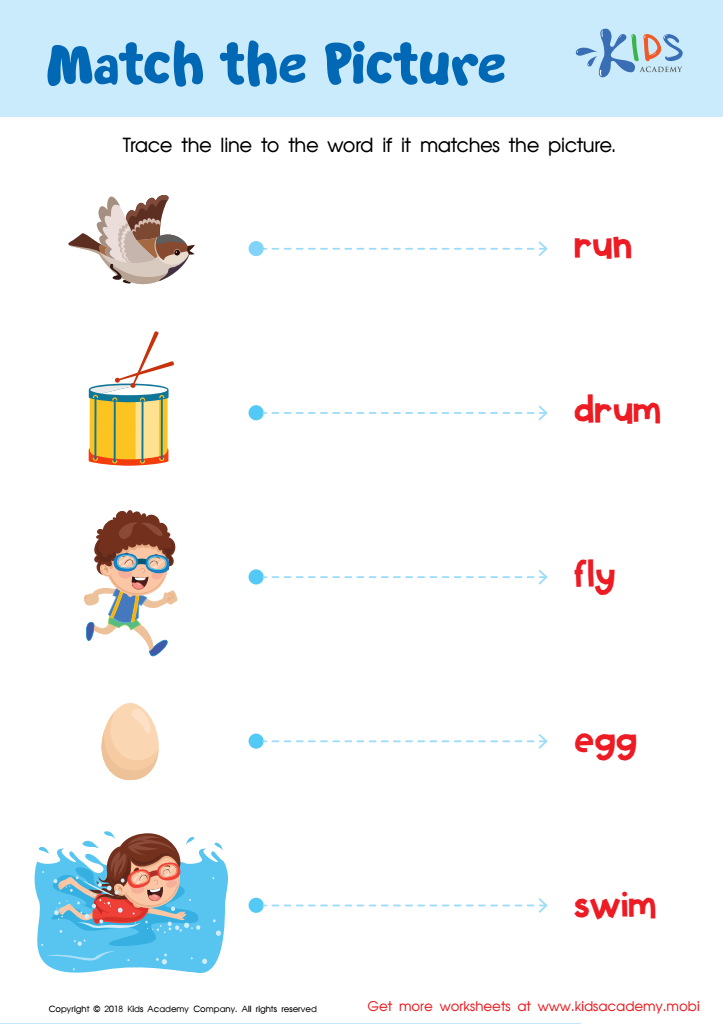
Match the Picture Worksheet
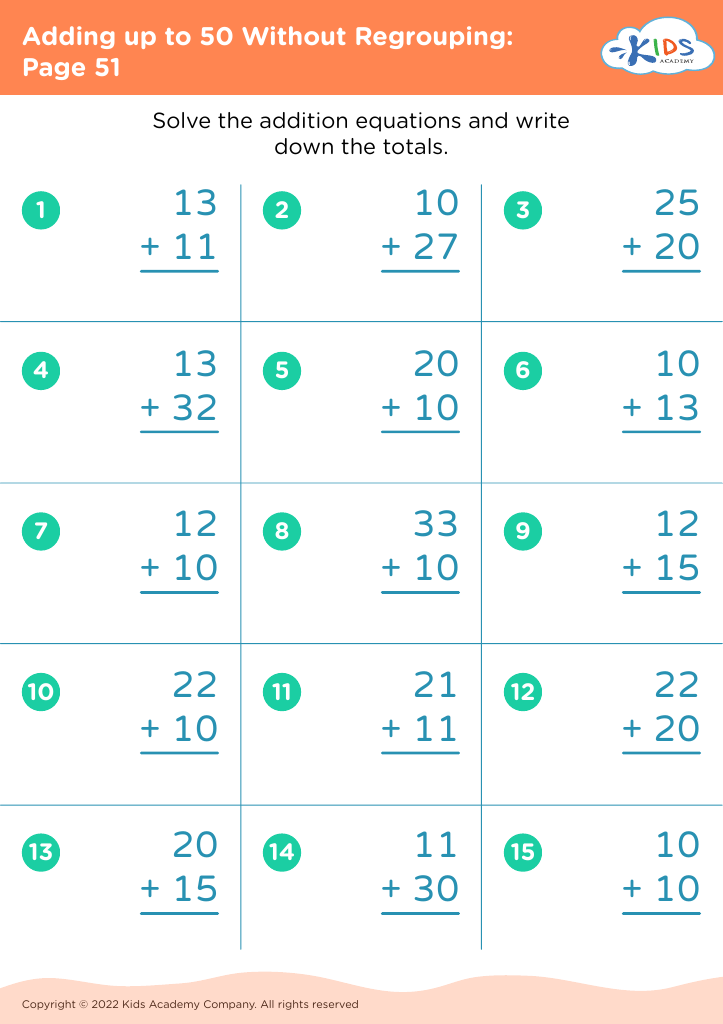
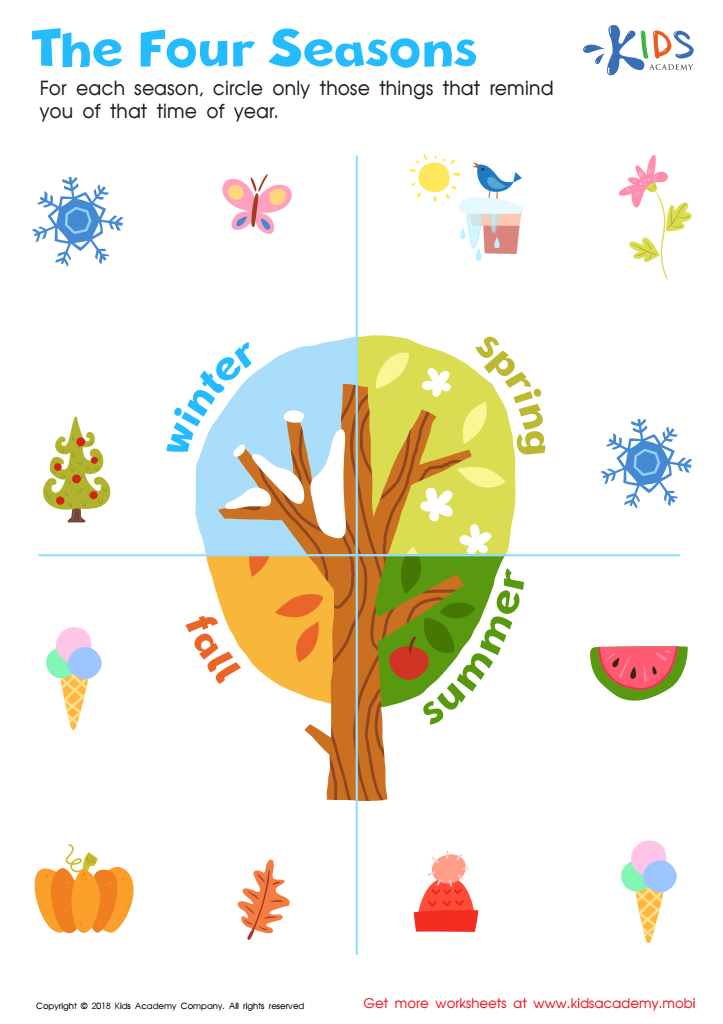
The Four Seasons Worksheet
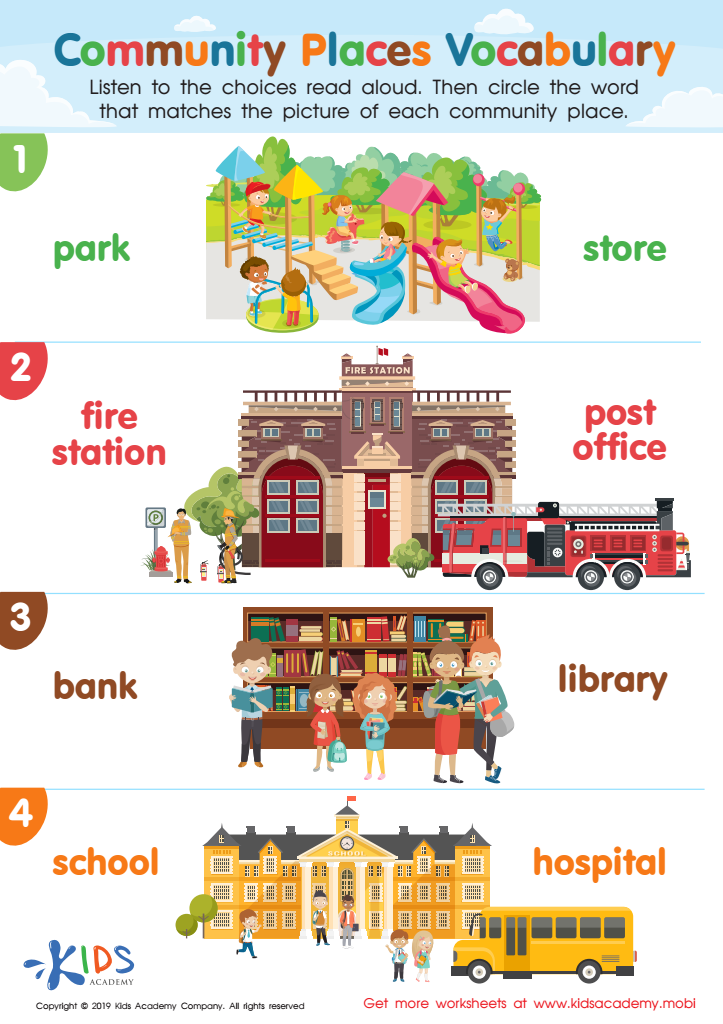
Community Places Vocabulary Worksheet







Visual recognition is a critical skill for children aged 4-7, impacting their overall cognitive development and learning abilities. During this developmental stage, children are rapidly absorbing information and interpreting the world around them. Strong visual recognition skills enable them to identify letters, numbers, shapes, and colors, which are foundational for reading, math, and general literacy. By honing these skills, children build the confidence needed to engage with their educational materials.
Parents and teachers should care about visual recognition because it plays a direct role in academic success. Children who struggle with visual recognition may face challenges in reading comprehension and mathematical problem-solving, which can affect their motivation and self-esteem. By providing opportunities for visual recognition practice—such as through games, flashcards, or interactive activities—adults can significantly enhance a child's learning experience.
Additionally, visual recognition supports vital life skills like observation, memory, and attention to detail. Infusing everyday moments with visual recognition activities can foster a more enriching environment, making learning enjoyable and effective. Ultimately, nurturing visual recognition skills in early learners lays a solid foundation for future academic achievements and social interactions. Investing time and resources in this area can yield long-term benefits for children's education and personal development.








