
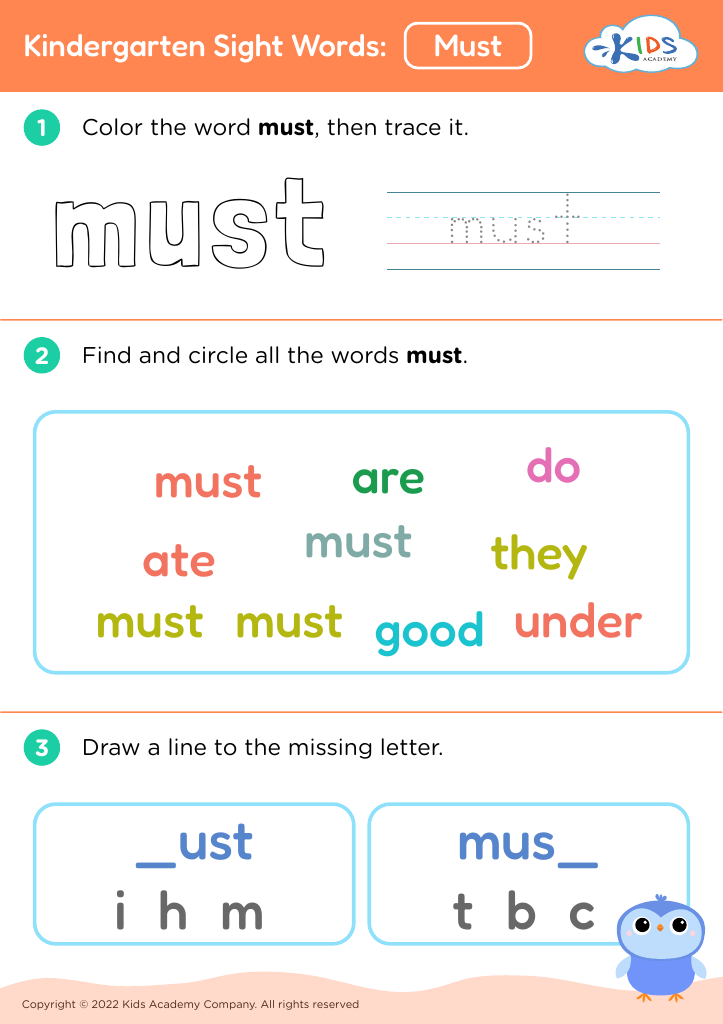








Vocabulary development in children aged 4-7 is crucial for several reasons that directly impact their overall learning and future success. During these formative years, children’s brains are highly receptive to language acquisition. A robust vocabulary supports their reading comprehension skills, enabling them to understand texts more deeply. As new concepts and ideas are introduced in school, a strong vocabulary helps kids articulate their thoughts and engage more effectively in discussions.
Moreover, vocabulary is linked to cognitive development. When children learn new words, they also learn new concepts, enhancing their critical thinking skills. This also fosters better writing abilities as they gain the words needed to express themselves clearly and creatively.
In social contexts, strong vocabulary skills help children communicate their needs and feelings, which is essential for building relationships and peer interactions. It also boosts their self-confidence, enabling them to participate in group activities and share ideas openly.
For parents and teachers, nurturing vocabulary development is a priority that facilitates not just academic achievement but also emotional and social growth. Engaging in dialogues, reading together, and introducing rich language experiences can significantly impact a child’s linguistic journey, setting the foundation for lifelong learning.








