
Learn new vocabulary Adding up to 1000 Worksheets for Ages 4-7
3 filtered results
Difficulty Level
Grade
Age
-
From - To
Subject
Activity
Standards
Explore our expansive collection of over 1000 engaging worksheets designed to enrich vocabulary for children aged 4-7! Each worksheet focuses on essential language skills, incorporating fun themes and interactive activities tailored to young learners. By integrating vocabulary development with math concepts, kids will enhance their word knowledge while grasping fundamental mathematical ideas. Our expertly crafted resources ensure that learning is both educational and exciting, fostering a love for words and numbers alike. Perfect for home or classroom use, these worksheets provide a valuable opportunity for parents and teachers to support children’s language growth in a playful and stimulating way. Start their vocabulary journey today!
Favorites
With answer key
Interactive
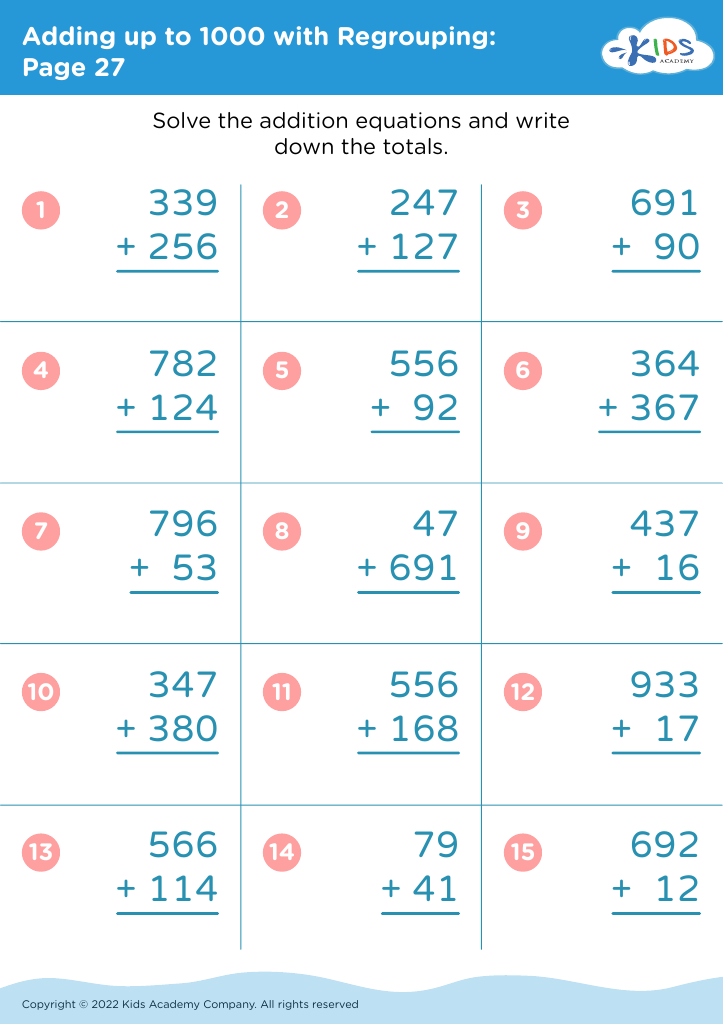
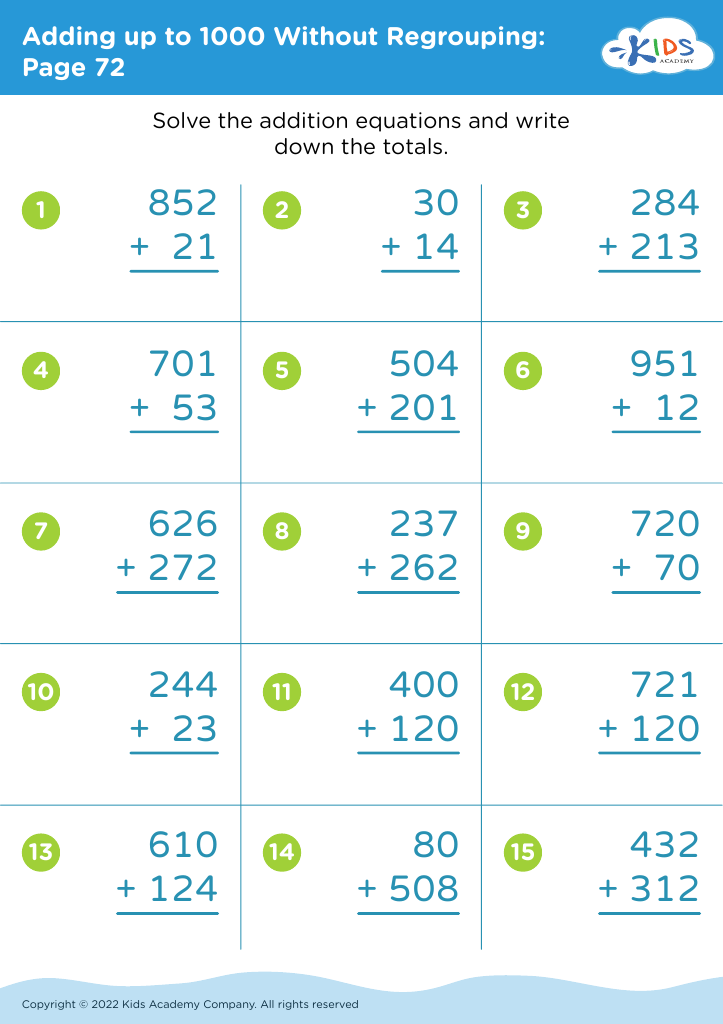
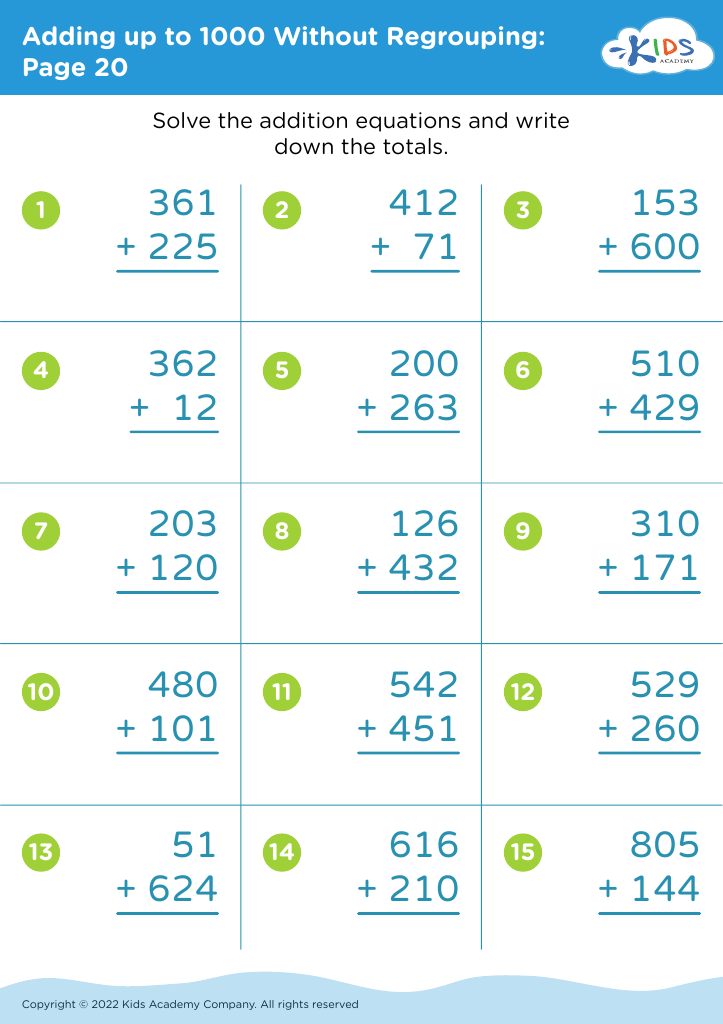
Join Kids Academy for Free
Who is primarily going to use this learning content?



Expanding vocabulary is crucial for children aged 4-7 as it lays the foundation for their communication skills, comprehension, and overall cognitive development. At this developmental stage, children are like sponges, eager to absorb new information and language. Building a robust vocabulary not only aids in effective expression of thoughts and feelings but also enhances reading and writing skills, contributing to academic success later on.
When parents and teachers prioritize vocabulary enrichment, they cultivate curiosity and encourage critical thinking. Engaging children in discussions about new words and their meanings helps with cognitive processing, making it easier for them to understand more complex concepts in the future. These new vocabulary skills foster social interactions as kids learn to communicate clearly, share ideas, and collaborate with peers effectively.
Furthermore, researching indicates that a strong vocabulary correlates with better literacy outcomes. By introducing 1000 new vocabulary words through fun and engaging activities, educators and caregivers can support children’s language development systematically. This investment contributes to creating confident learners equipped with essential skills for lifelong learning. In sum, nurturing vocabulary growth at an early age empowers children, opening doors to endless possibilities in learning and personal growth.








