Addition skills Addition & Subtraction Worksheets for Ages 4-7 - Page 6
126 filtered results
-
From - To
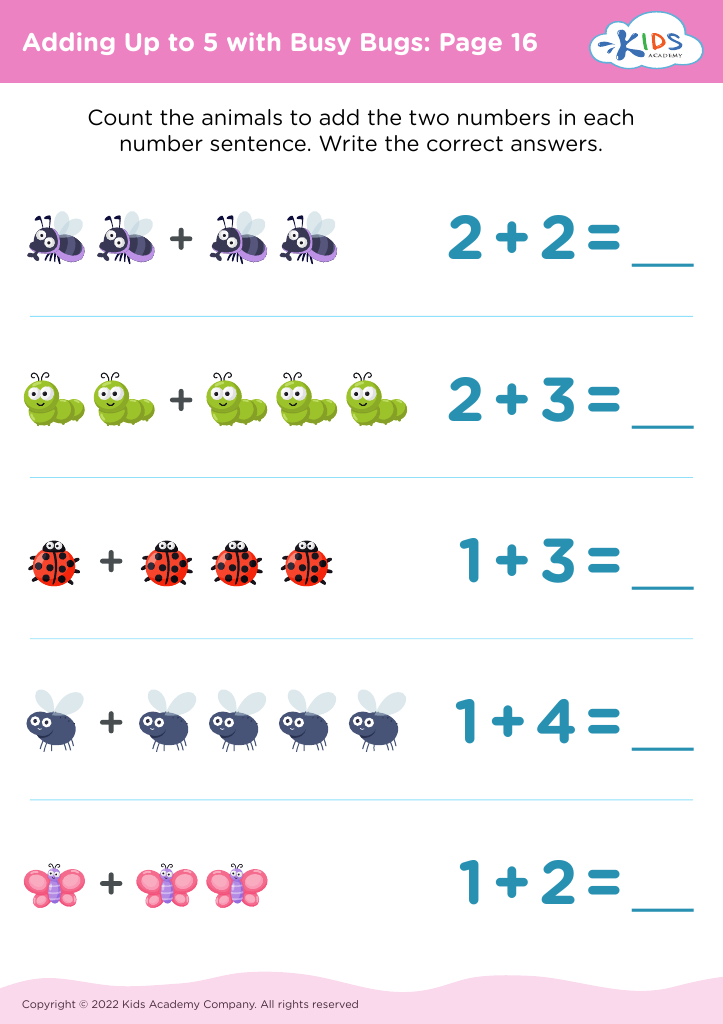
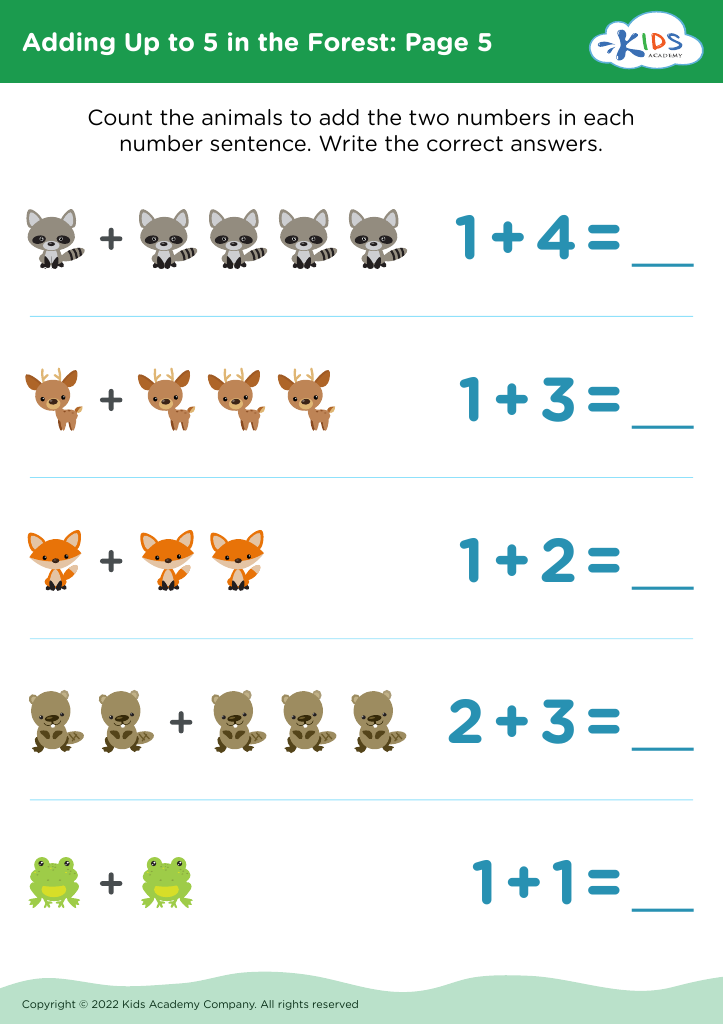
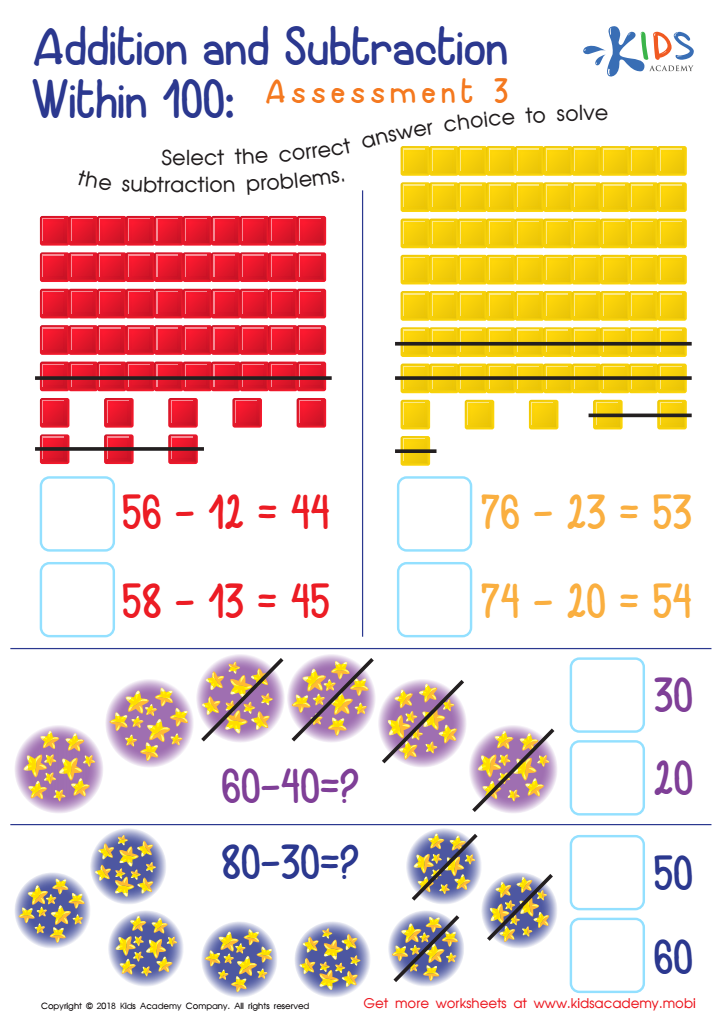
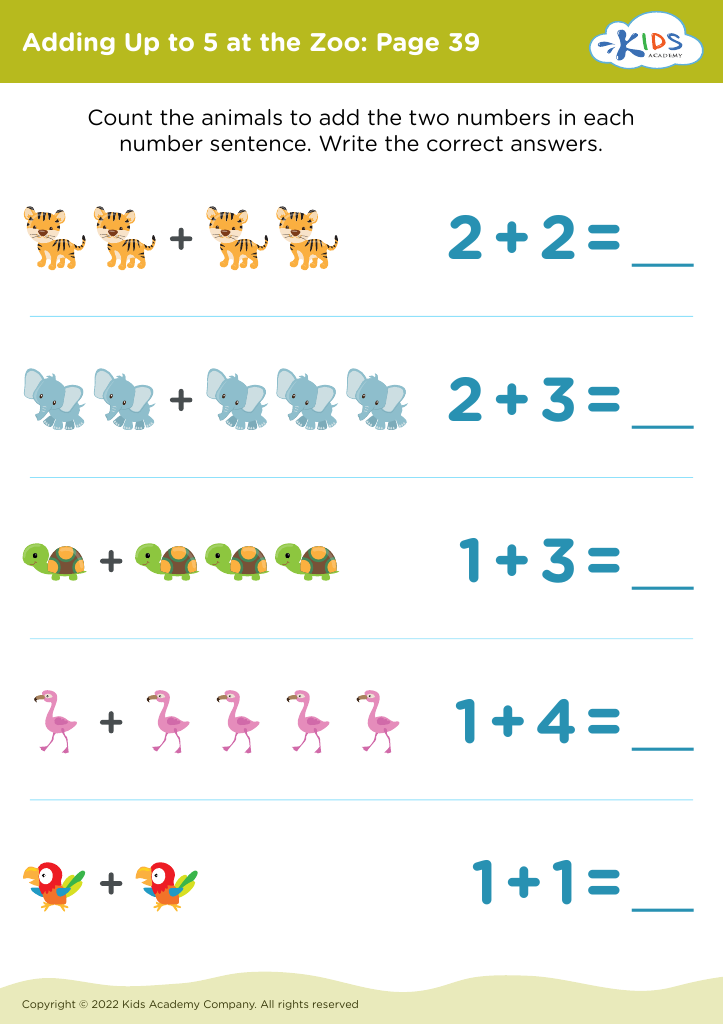
Addition and Subtraction Within 1: Assessment 3 Worksheet
 Assign to My Students
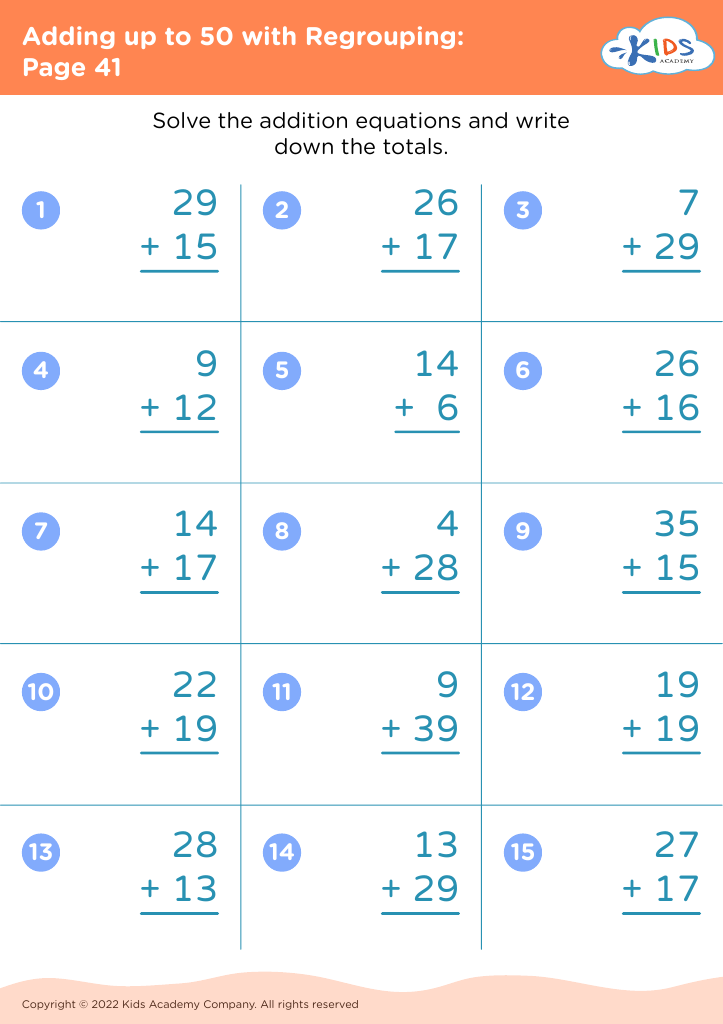
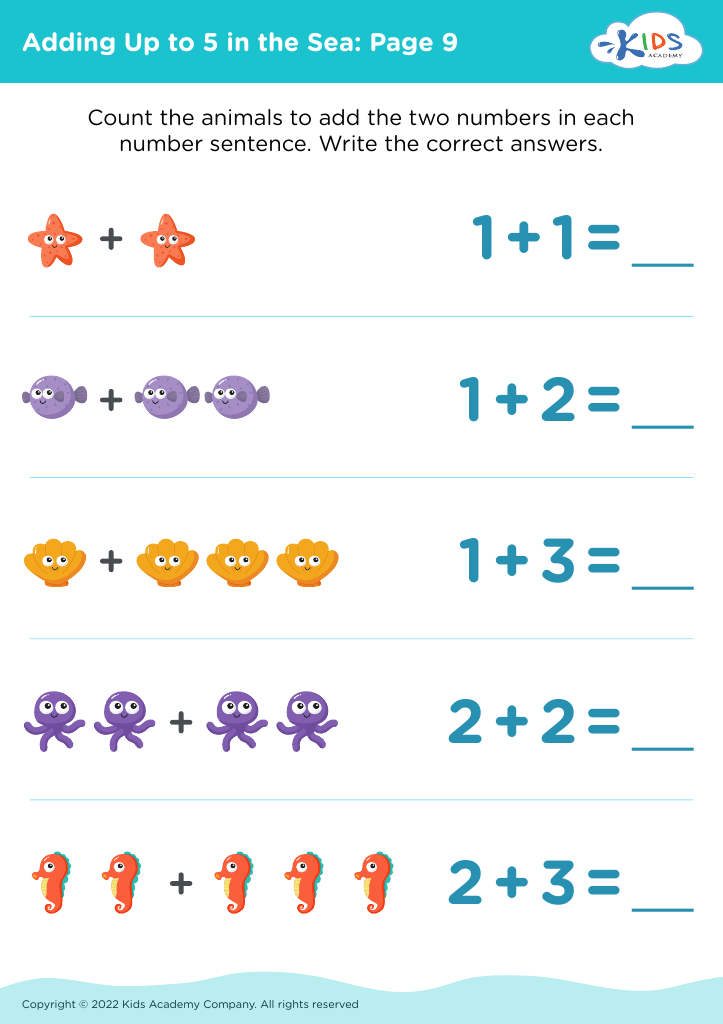








Addition and subtraction skills are foundational for young children aged 4-7, and both parents and teachers should prioritize them for several reasons. Firstly, mastering these basic math operations enhances cognitive development. Children who engage with numbers early on develop critical thinking and problem-solving abilities, honing their analytical skills that are vital in all areas of learning.
Moreover, addition and subtraction serve as cornerstones for understanding more complex mathematical concepts later on. By having a firm grasp on these operations, children will find it easier to tackle multiplication and division, which are introduced in later grades. This foundational knowledge builds their confidence in math, fostering a positive attitude toward the subject.
Beyond academics, these skills have practical applications in everyday life. Children encounter addition and subtraction in various situations, from sharing snacks to counting toys, which makes learning relatable and engaging.
Additionally, fostering these skills promotes collaboration and communication among children. Working in pairs or small groups during activities encourages peer learning, as they discuss and solve problems together.
In summary, developing addition and subtraction skills is crucial for overall development, academic success, practical life skills, and collaborative learning. Parents and teachers play vital roles in nurturing these skills, paving the way for future achievements.








