Enhance vocabulary skills Addition & Subtraction Worksheets for Ages 4-7
4 filtered results
-
From - To
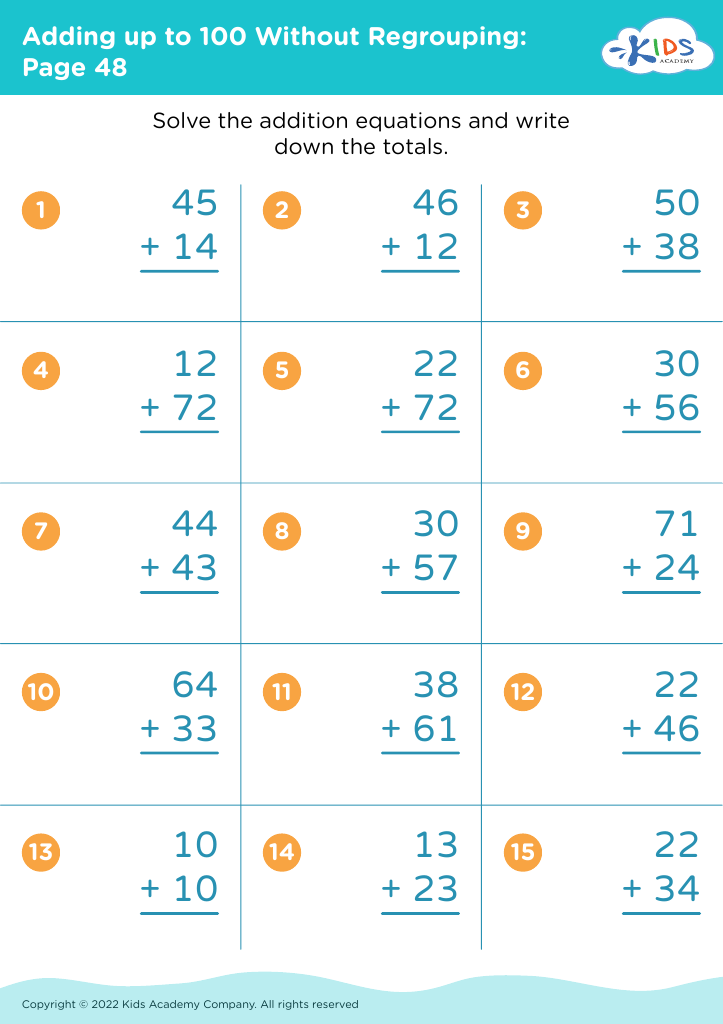
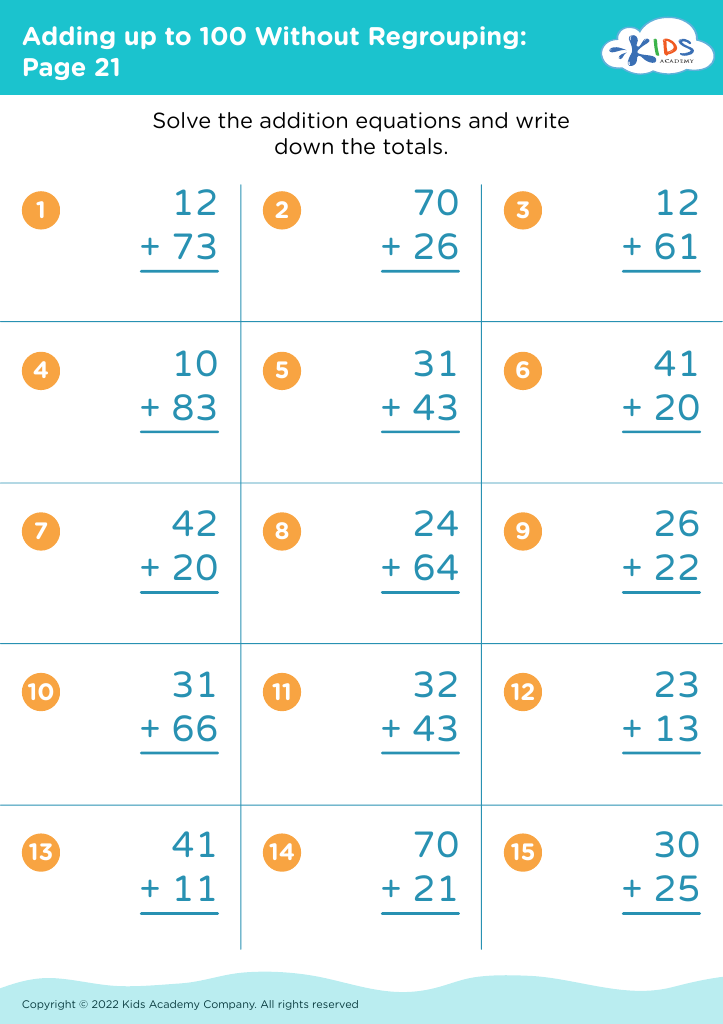
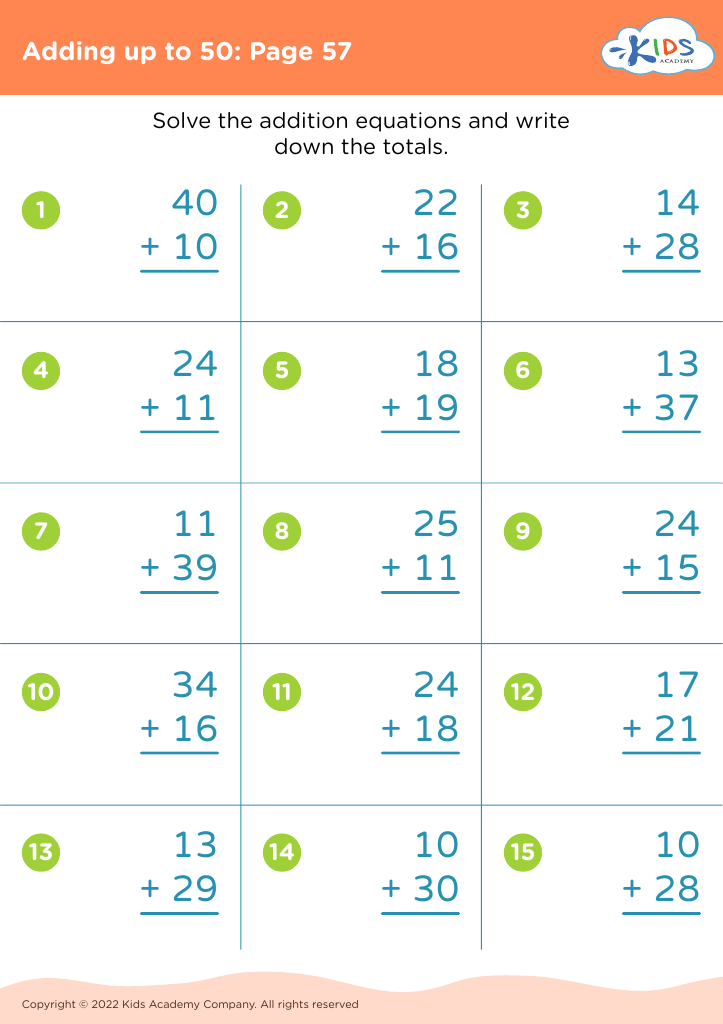
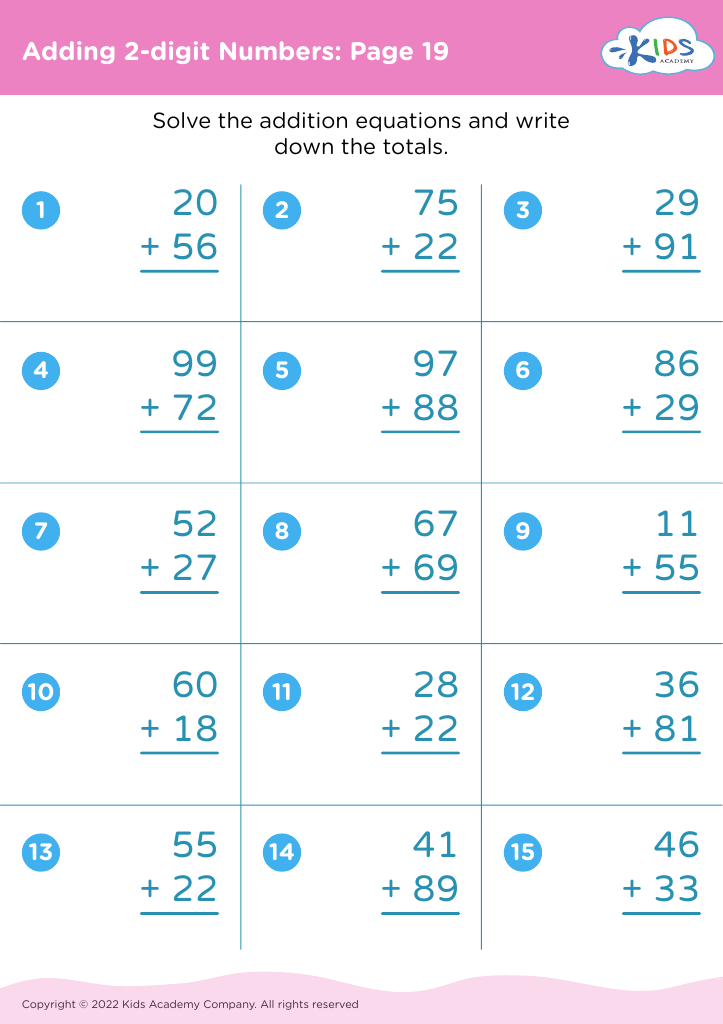
Boost your child's mathematical journey with our captivating Addition & Subtraction Worksheets designed for ages 4-7. These engaging resources not only strengthen fundamental math skills but also enhance vocabulary development. Through a variety of themed activities and colorful illustrations, children will enjoy learning while improving their word recognition and problem-solving abilities. Perfect for both classroom and home use, our worksheets foster a love for learning and provide a solid foundation for future academic success. Help your little ones flourish academically and linguistically with our expertly crafted addition and subtraction materials. Discover a world of learning at Kids Academy!








Developing strong vocabulary skills and mastering basic addition and subtraction are critical for children between the ages of 4-7. During these formative years, a child's brain is exceptionally receptive to learning new concepts, making it a prime time to build foundational skills that will support future academic success.
Firstly, a rich vocabulary enables better communication. Children who possess a diverse vocabulary can express their thoughts more clearly and understand others more effectively. This not only enhances their social interactions but also supports reading comprehension, a cornerstone for learning across all subjects. A strong vocabulary helps children decode new words, grasp complex texts, and boosts their confidence in their ability to learn.
Secondly, basic math skills like addition and subtraction are crucial for developing logical thinking and problem-solving capabilities. Early proficiency in these areas lays the groundwork for more complex mathematical concepts. It also builds confidence in their mathematical abilities, reducing math anxiety in later years. Engaging children in math activities fosters a sense of curiosity and enjoyment in learning, making them more likely to approach future academic challenges with a positive attitude.
In conclusion, focusing on vocabulary and basic math skills during early childhood sets the stage for lifelong learning. Parents and teachers should prioritize these areas to equip children with the tools they need for academic and personal success.








