Fraction conversion Addition & Subtraction Worksheets for Ages 4-7
3 filtered results
-
From - To
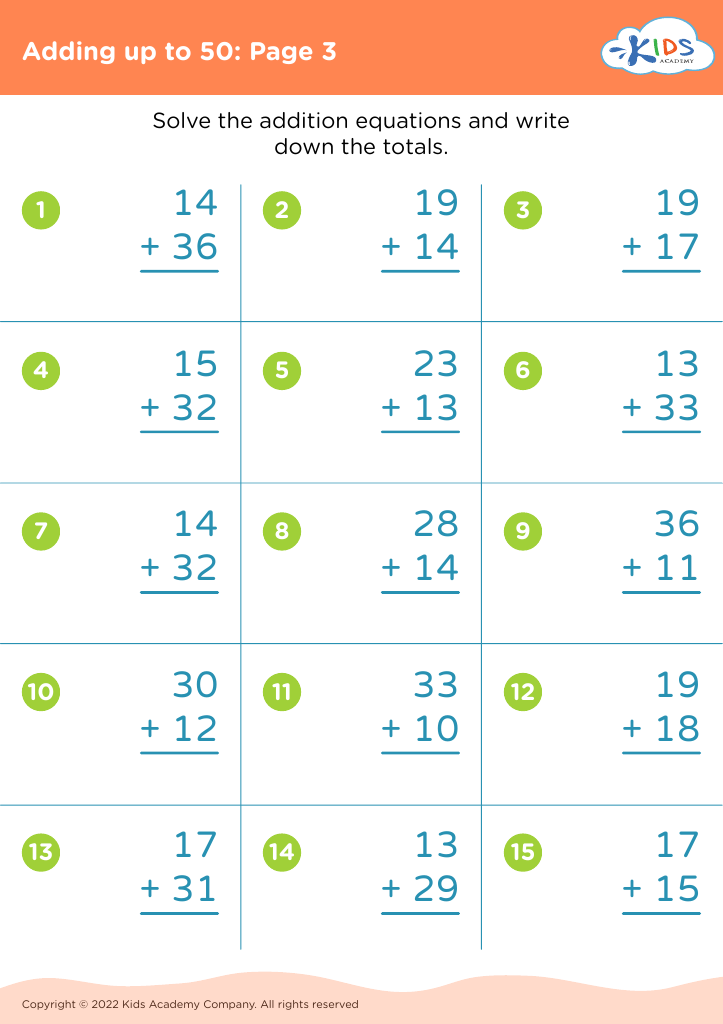
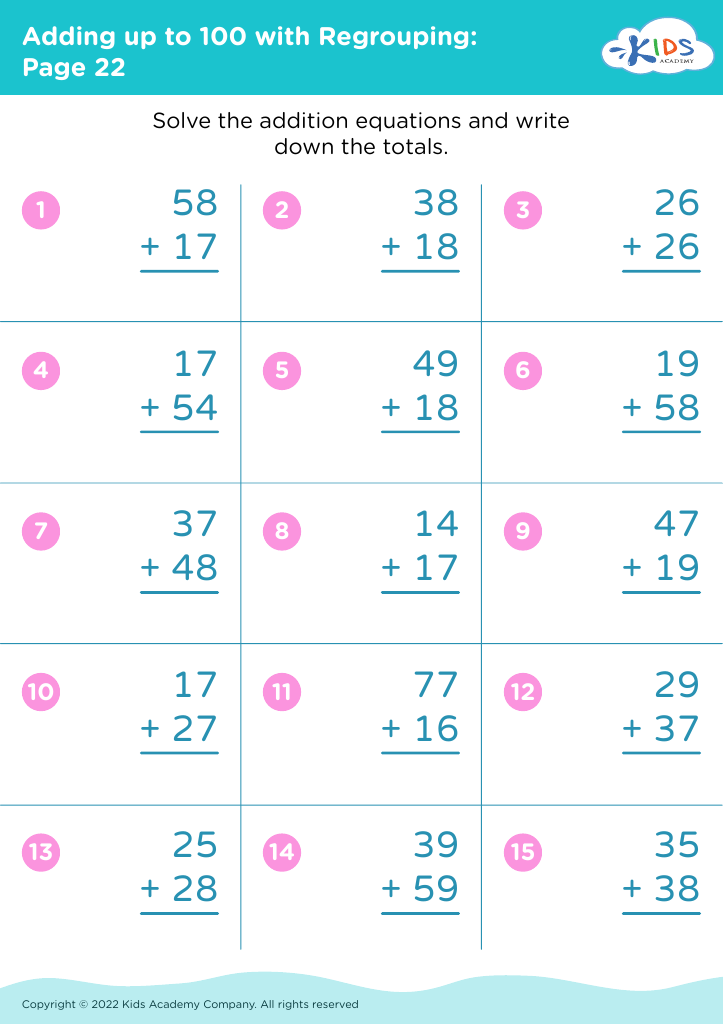
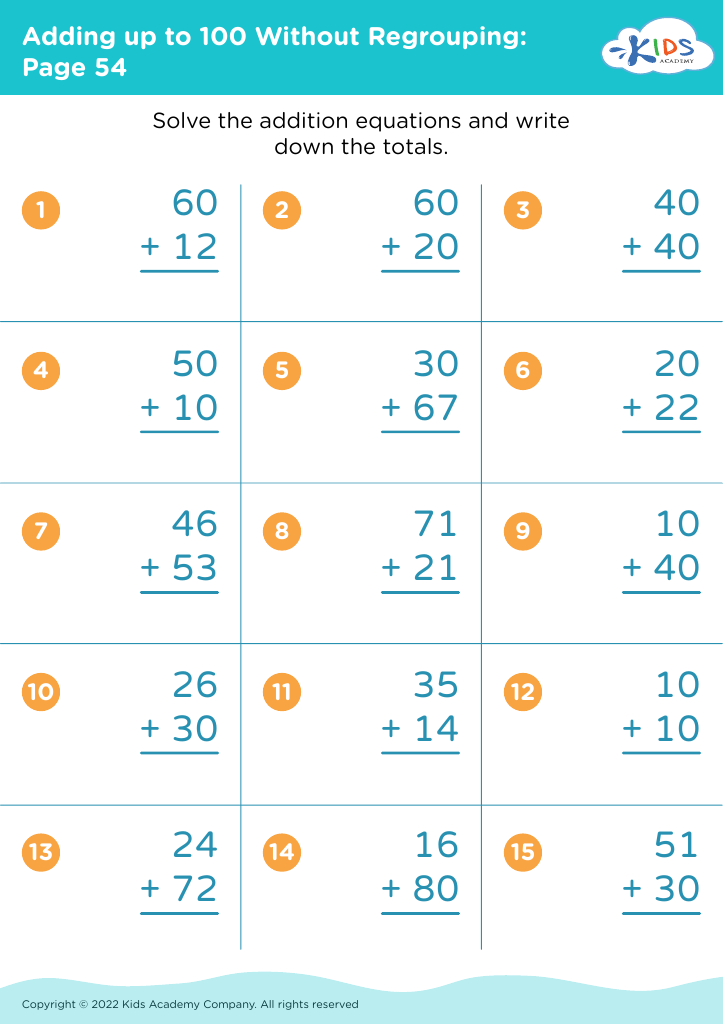
Welcome to our engaging "Fraction Conversion Addition & Subtraction Worksheets" designed specifically for children ages 4-7! These interactive worksheets aim to introduce young learners to the foundational concepts of fractions in a fun and captivating way. With vibrant illustrations and age-appropriate exercises, kids will practice converting and calculating fractions through addition and subtraction activities. Our expertly crafted resources align with early learning standards, making math simple and enjoyable while building essential skills. Empower your child with confidence in their math abilities as they explore the exciting world of fractions! Download your worksheets today and watch their enthusiasm for learning grow!








Parents and teachers should care about fraction conversion, addition, and subtraction for children aged 4-7 because these foundational concepts are essential for developing critical mathematical skills. At this young age, children are naturally curious and the introduction of fractions serves to enhance their understanding of numbers as parts of a whole. It fosters an early grasp of mathematical reasoning, helping children recognize the importance of relationships between numbers and quantities.
Moreover, engaging with fractions encourages cognitive development and problem-solving skills. It provides opportunities for hands-on, visual learning experiences, such as using objects or drawings to illustrate concepts, which can significantly benefit young learners. As they manipulate fractions, children also start developing their ability to work on more complex surfaces such as ratios and proportions later in their education.
Additionally, early exposure to these concepts can reduce anxiety associated with mathematics later on, building confidence and a positive attitude towards the subject. Ultimately, a solid understanding of fractions not only enhances numeracy but also cultivates a foundation for advanced mathematical operations, making early childhood education crucial in shaping future academic success. Teachers and parents should collaborate to make learning fractions engaging and relatable to strengthen these skills while fostering a love for math.








