Shape identification Addition & Subtraction Worksheets for Ages 4-7
14 filtered results
-
From - To
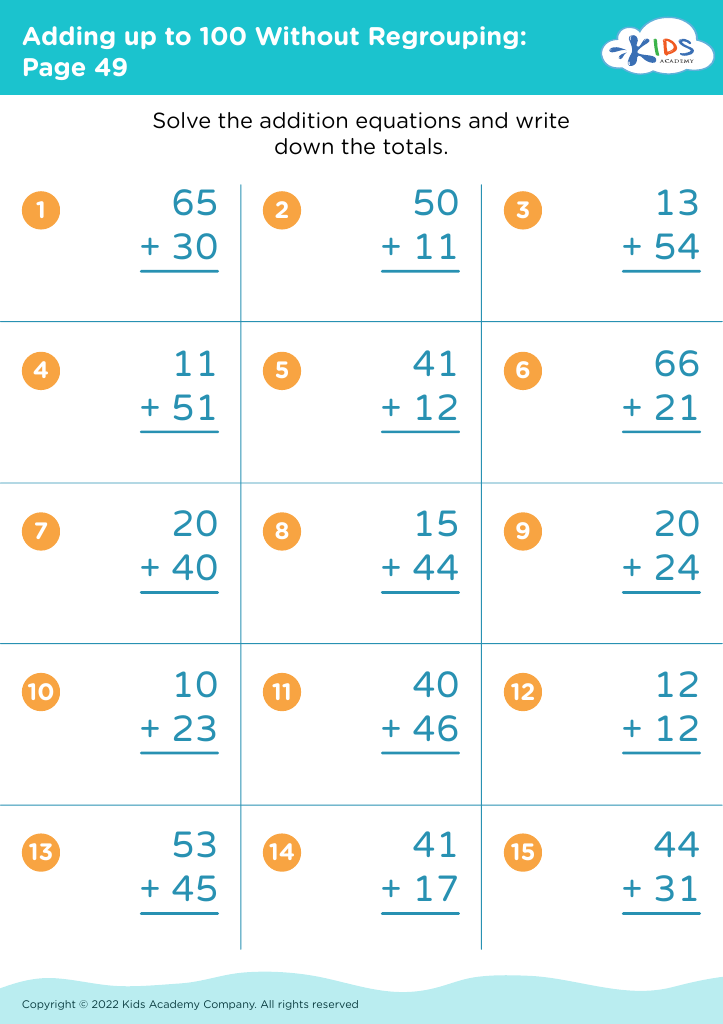
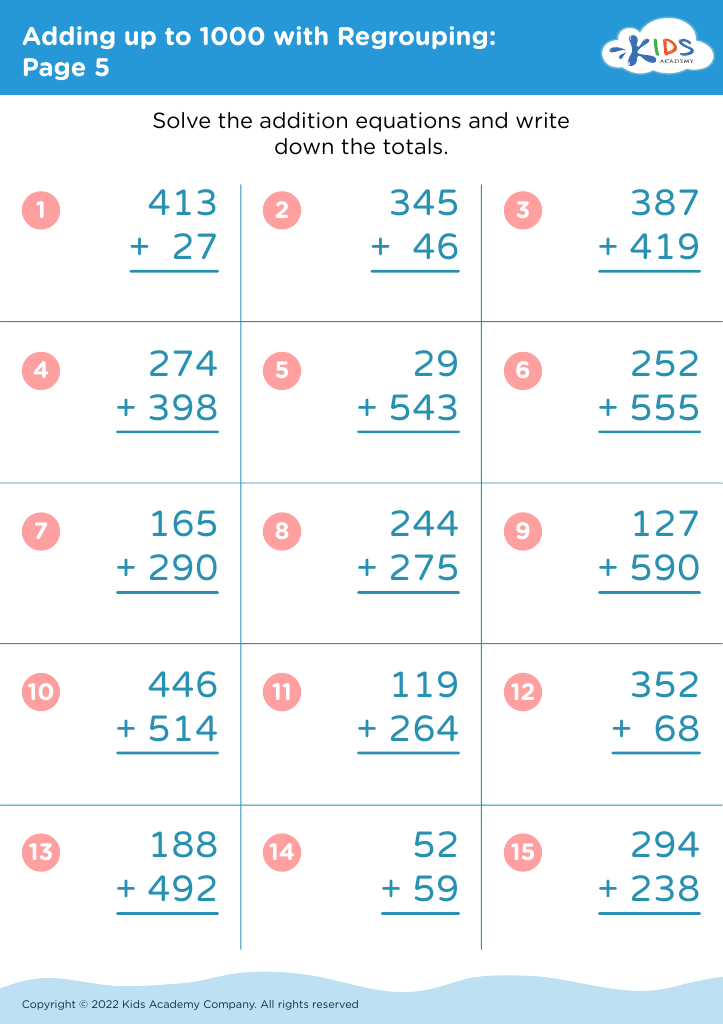
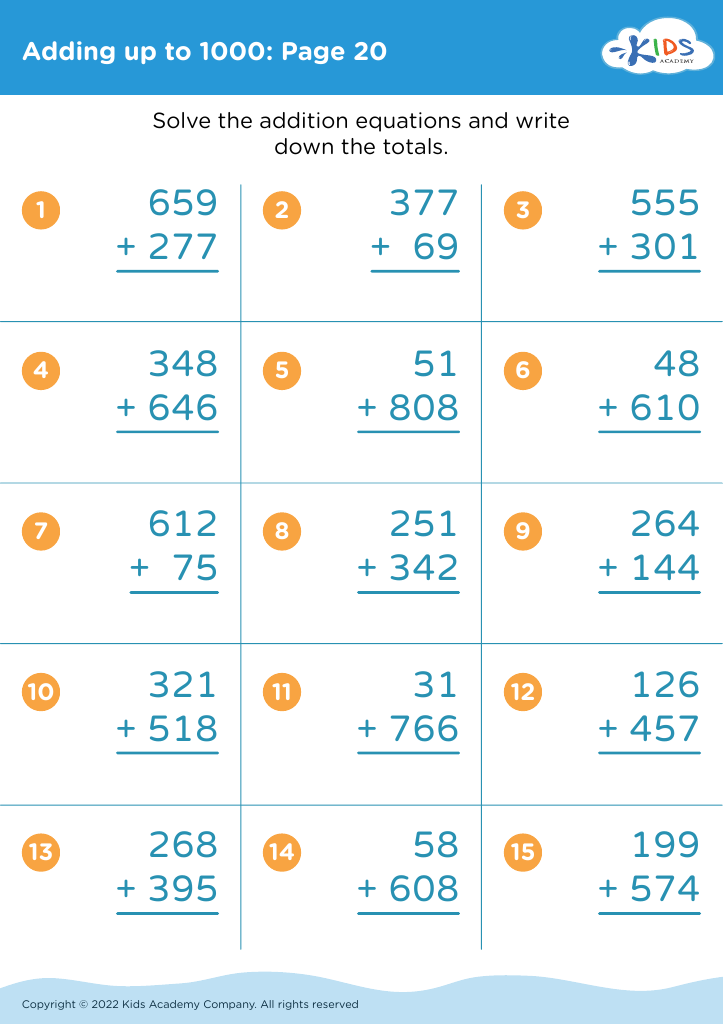
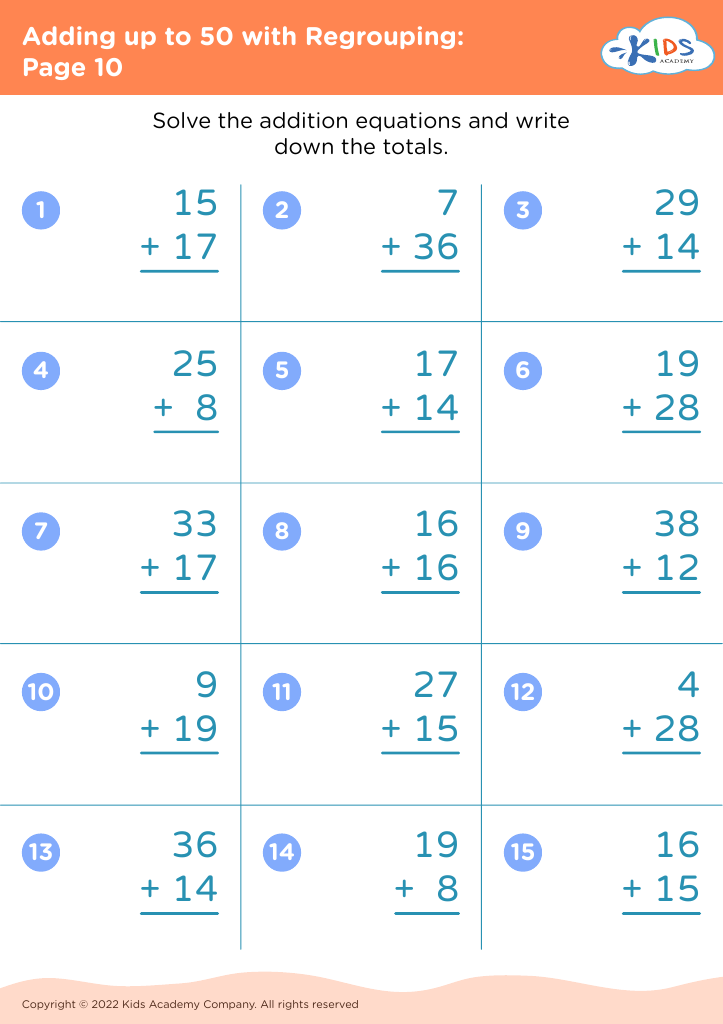
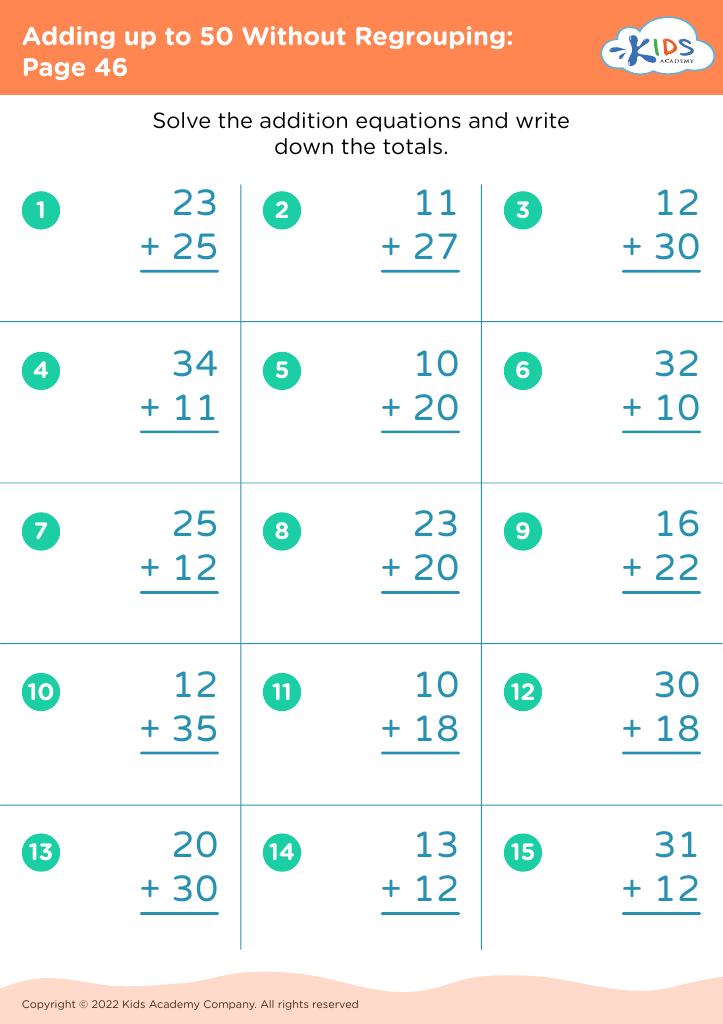
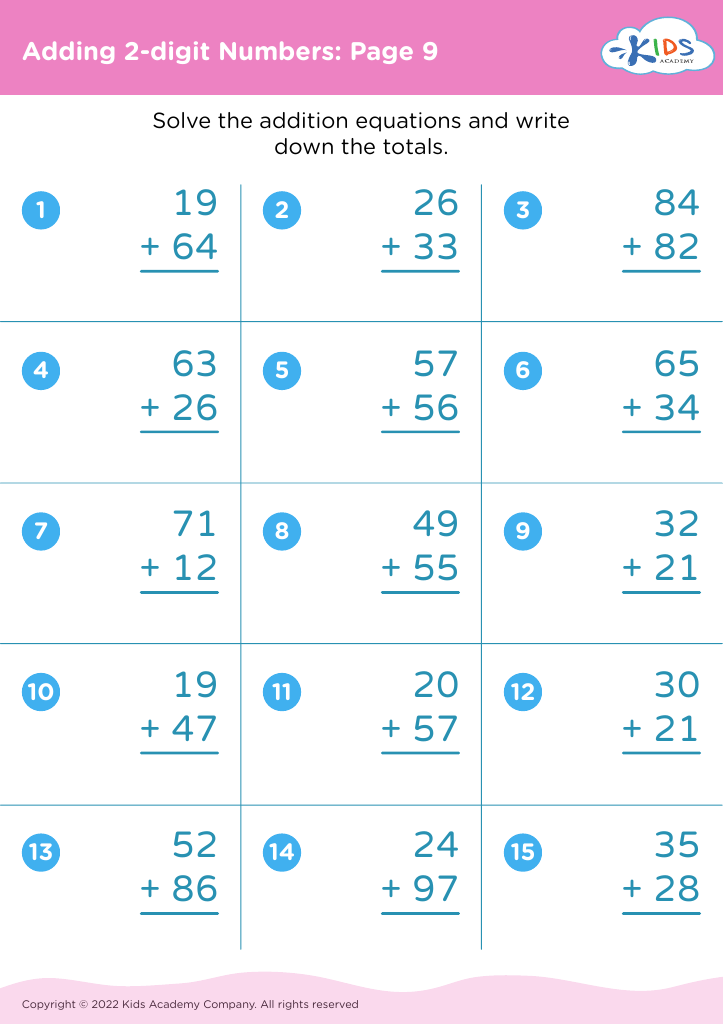
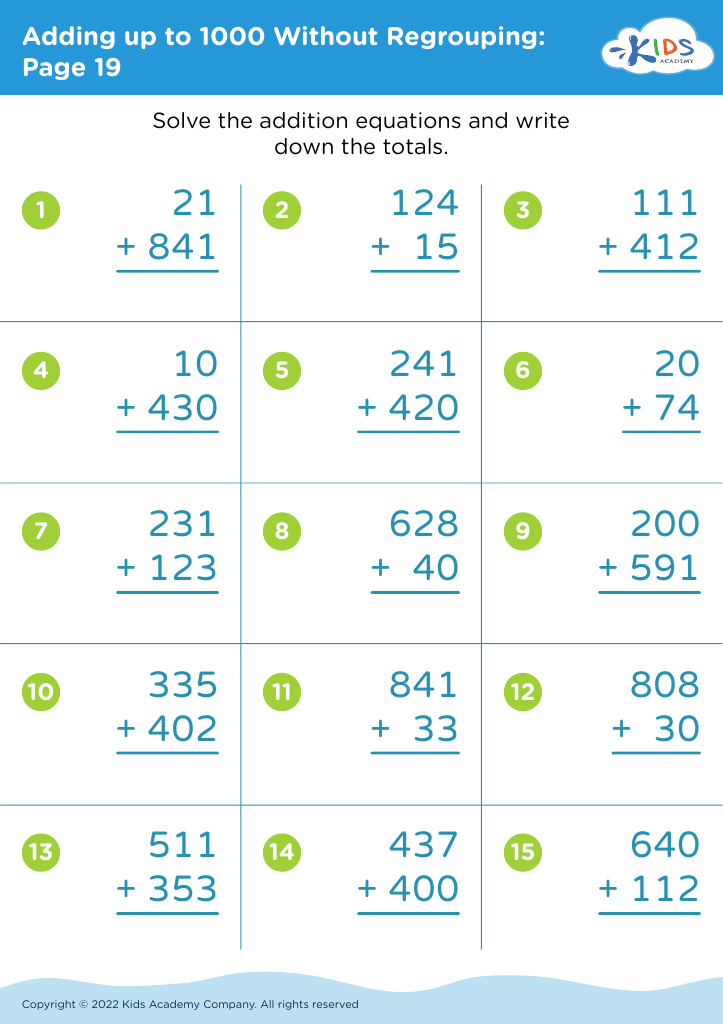
Introduce your child to the exciting world of math and geometry with our "Shape Identification, Addition & Subtraction Worksheets for Ages 4-7." These engaging, printable worksheets are designed to blend fundamental math skills with shape recognition, creating a fun and educational experience. Perfect for young learners, they enhance problem-solving abilities, logical thinking, and fine motor skills by combining colorful shapes with basic maths operations. Ideal for both classroom and home use, our resources help children confidently master addition, subtraction, and shape identification, laying a solid foundation for future success in mathematics and beyond. Download today and watch your child’s skills grow!
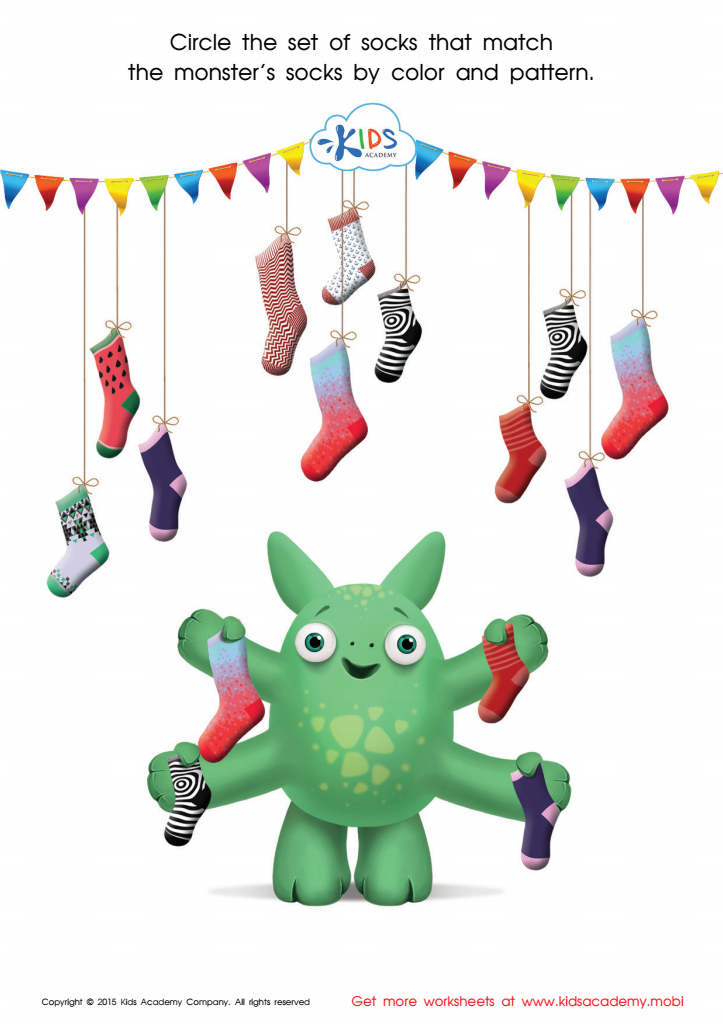
Sort the Monster's Socks Worksheet
 Assign to My Students
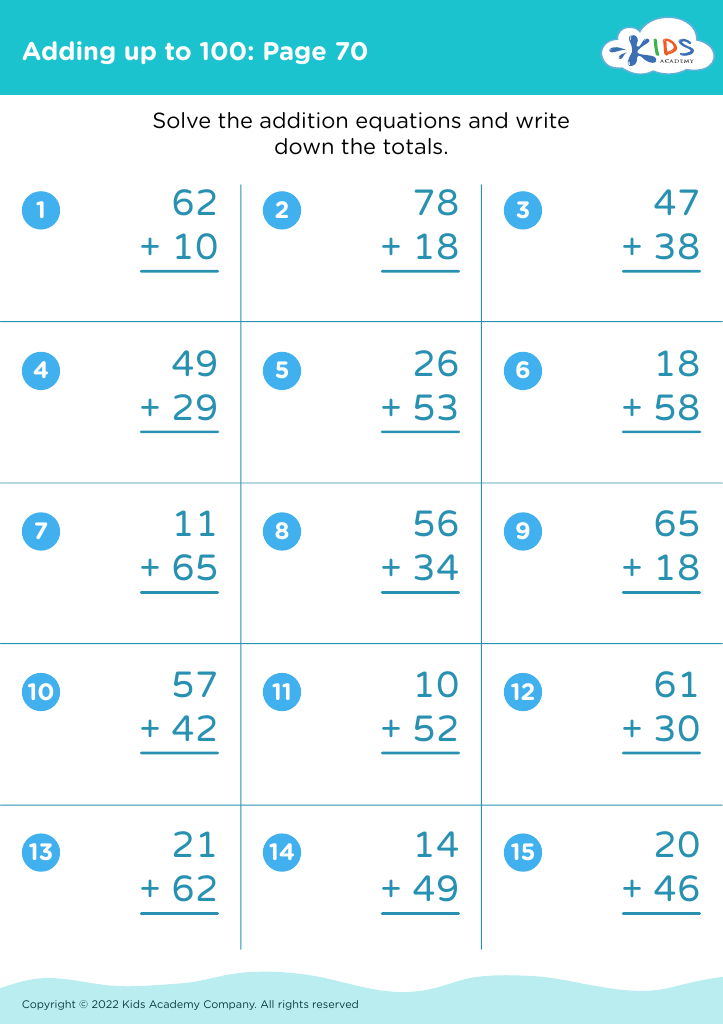
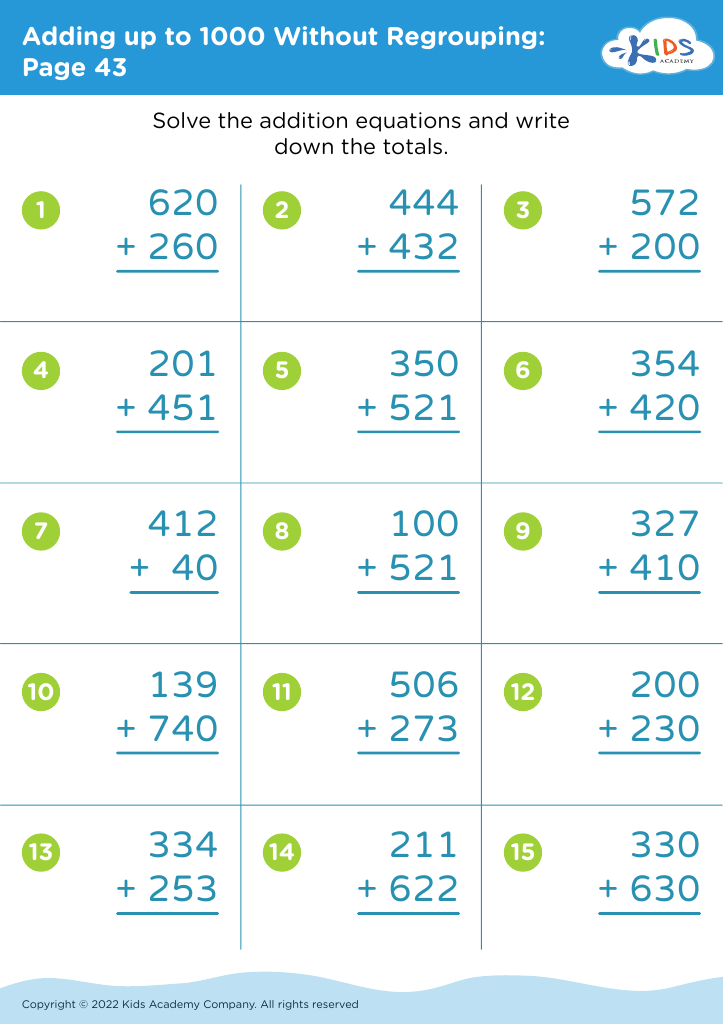








Parents and teachers should care about shape identification, addition, and subtraction for children ages 4-7 because these fundamental skills lay the groundwork for future academic success and critical thinking development. Recognizing geometric shapes helps children understand the world around them, encourages spatial awareness, and supports fine motor skills. These activities foster visual information processing, which is crucial for reading and writing. Identifying shapes also forms the basis for more complex mathematical concepts like geometry and spatial reasoning.
Early proficiency in addition and subtraction is equally important since these basic arithmetic skills are the building blocks of more advanced mathematical operations. Mastery of addition and subtraction helps develop problem-solving abilities, logical thinking, and the ability to perform mental math. These skills are not just important in mathematics but are also transferable across other subjects and in day-to-day activities. For example, understanding numbers and simple calculations is vital for managing time, handling money, and comprehending instructions.
Overall, engaging children ages 4-7 in shape identification and basic arithmetic tasks instills a love for learning, builds self-confidence, and opens pathways to life-long academic and real-world success. By prioritizing these early educational experiences, parents and teachers are investing in the holistic development of the child.








