
Understanding adjectives Addition & Subtraction Worksheets for Ages 4-7
5 filtered results
Difficulty Level
Grade
Age
-
From - To
Subject
Activity
Standards
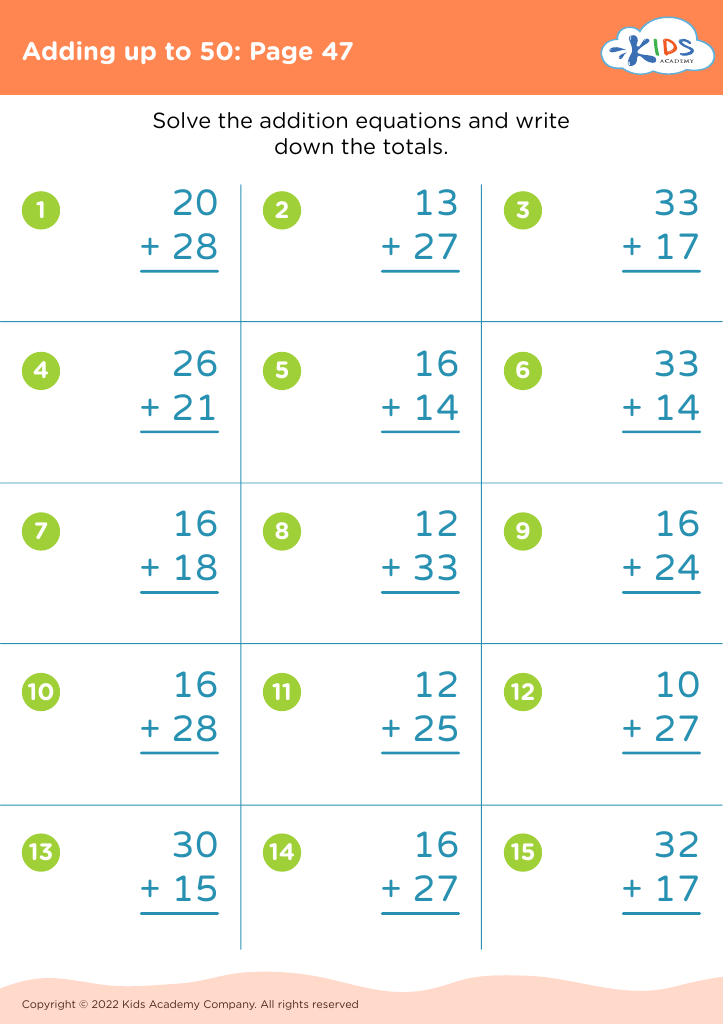
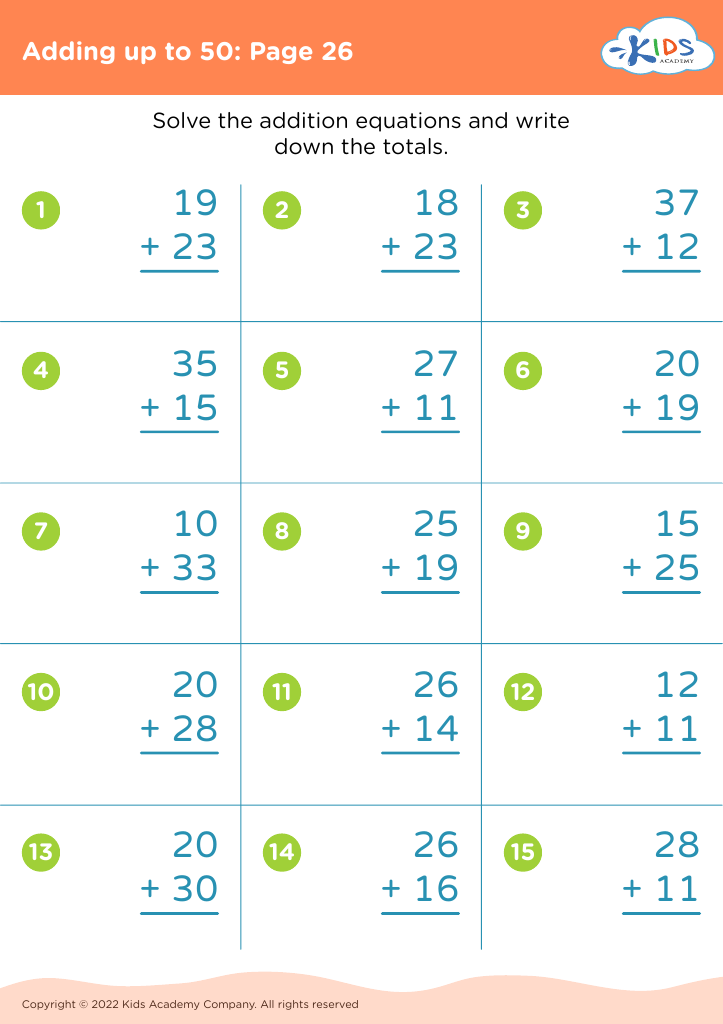
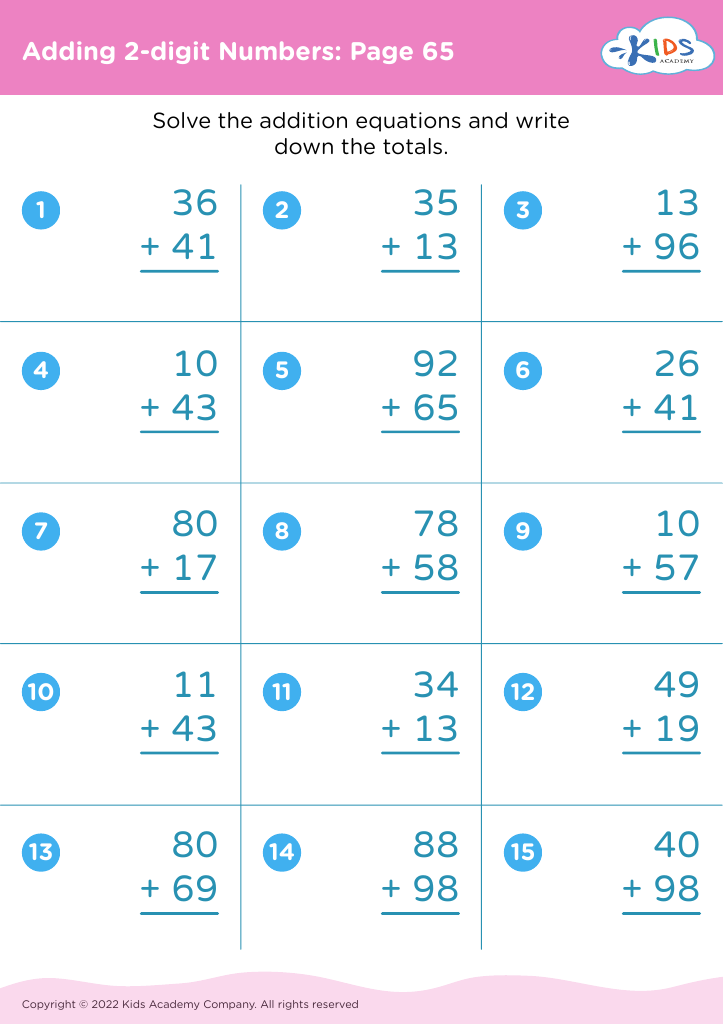
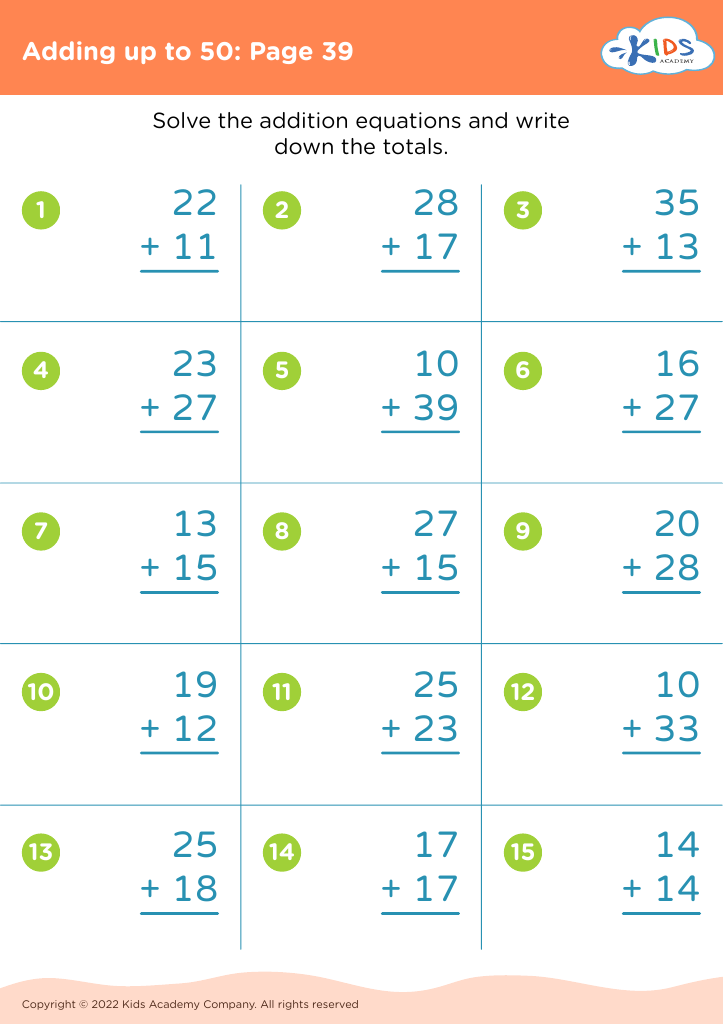
Help your child enhance their math skills while learning about adjectives with our engaging worksheets designed for ages 4-7! Our "Understanding Adjectives Addition & Subtraction Worksheets" offer creative activities that blend language and math, making learning fun and interactive. Each worksheet features vibrant illustrations and simple problems that encourage children to identify and use adjectives related to addition and subtraction concepts. By connecting math with descriptive language, kids will improve their vocabulary, critical thinking, and problem-solving skills. Perfect for classroom or home use, these worksheets provide a comprehensive approach to developing foundational math abilities in young learners. Start the adventure today!
Favorites
With answer key
Interactive
Join Kids Academy for Free
Who is primarily going to use this learning content?








Parents and teachers should prioritize understanding adjectives and the foundational concepts of addition and subtraction for children aged 4 to 7, as these skills are critical for cognitive and academic development.
Adjectives enrich children's language skills, enabling them to describe the world around them. At this age, children are developing their vocabulary and comprehension abilities, which are essential for effective communication and literacy. Understanding adjectives lays the groundwork for reading comprehension and helps children articulate their thoughts and feelings, fostering confidence and social interaction.
Similarly, mastering addition and subtraction is crucial as these concepts form the basis of all future mathematics learning. Early mathematical skills enhance critical thinking and problem-solving abilities. By practicing these operations, children develop a sense of numerical fluency, essential for more complex math concepts later on.
Moreover, incorporating adjectives into math activities—such as describing the size of numbers or the characteristics of shapes—can make learning more engaging and relatable.
In essence, nurturing both language and numerical skills allows children to become well-rounded learners, setting them up for success in school and beyond. Teachers and parents play a pivotal role in creating a supportive environment that encourages exploration and mastery in these fundamental areas.








