Understanding number sequences Addition & Subtraction Worksheets for Ages 4-7
5 filtered results
-
From - To
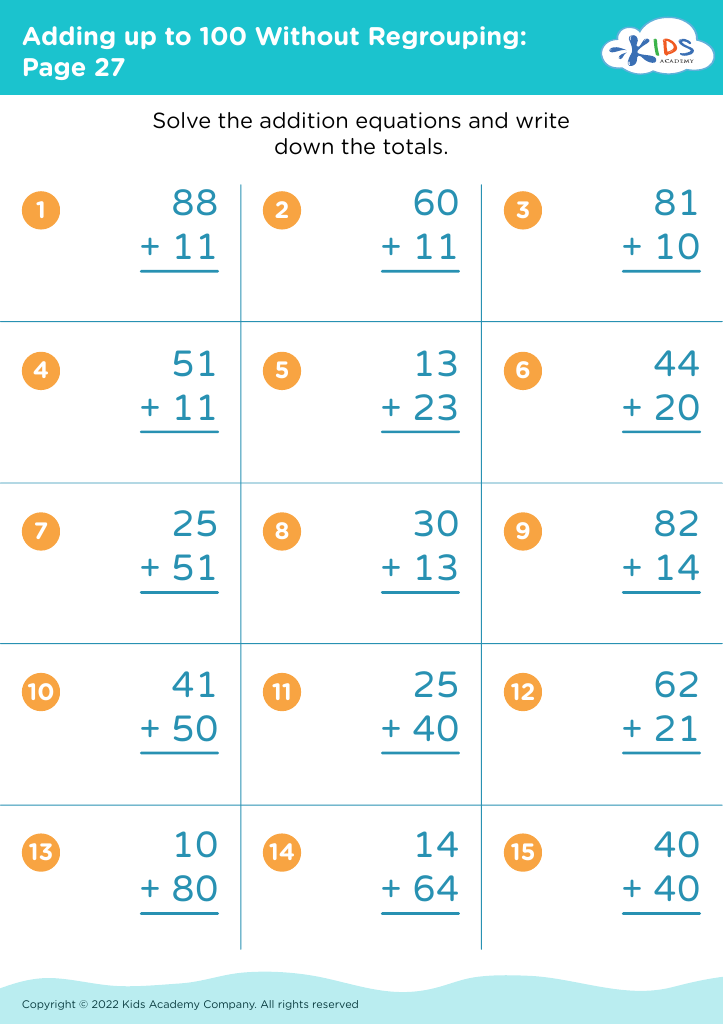
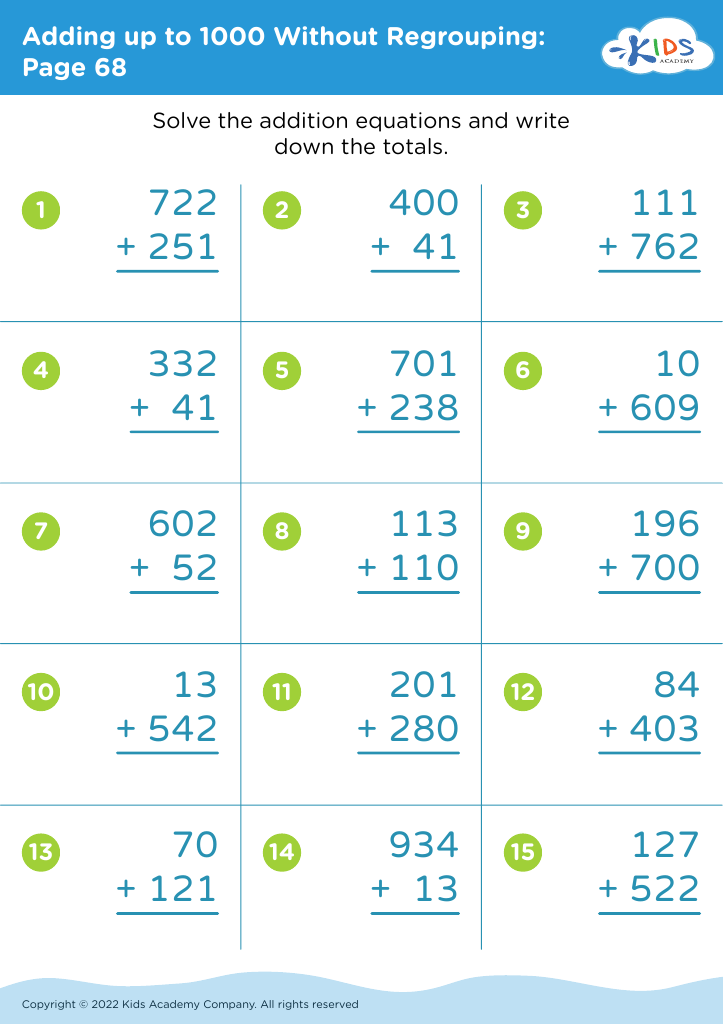
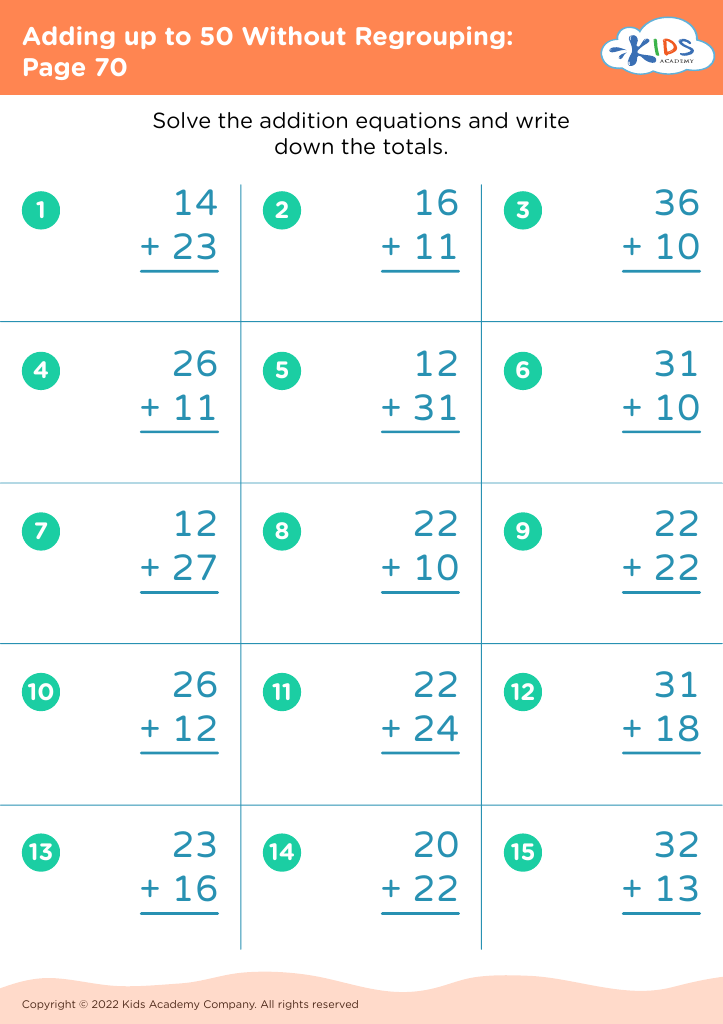
Explore our engaging "Understanding Number Sequences Addition & Subtraction Worksheets" designed for young learners aged 4-7! These interactive worksheets foster foundational math skills by introducing kids to number sequences through addition and subtraction. With colorful visuals and fun exercises, children will enhance their ability to identify patterns in numbers, helping them develop critical thinking and problem-solving skills. Perfect for classroom use or at-home practice, our worksheets ensure learning math is enjoyable and effective. Support your child's math journey and boost their confidence with these accessible resources designed to make understanding number sequences a fun and rewarding experience!
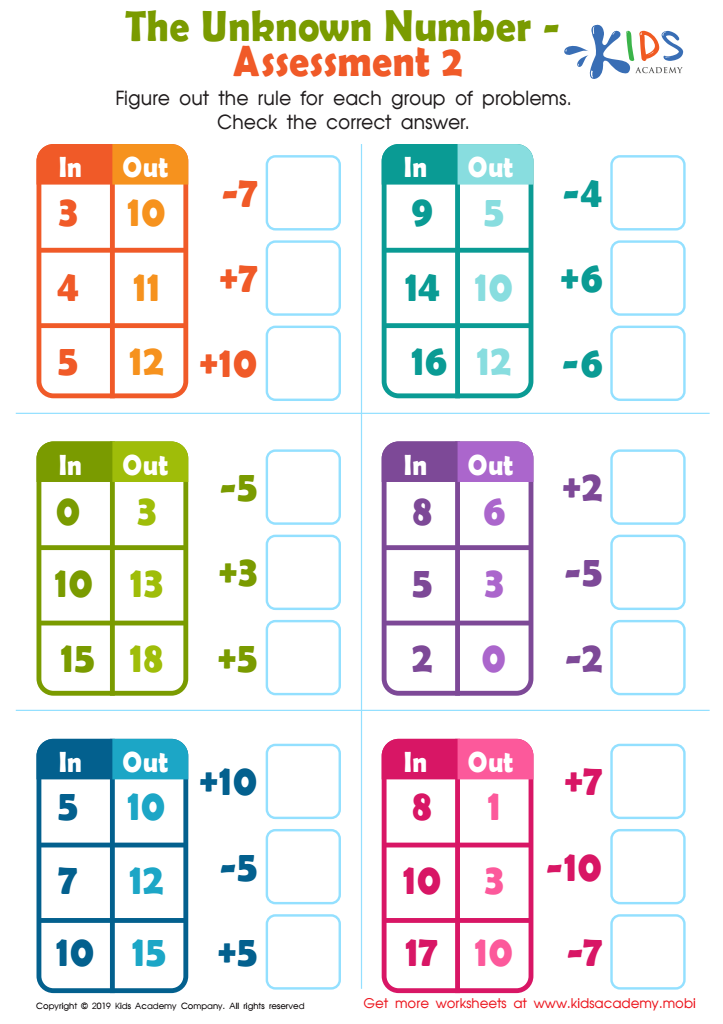
The Unknown Number - Assessment 2 Worksheet
 Assign to My Students
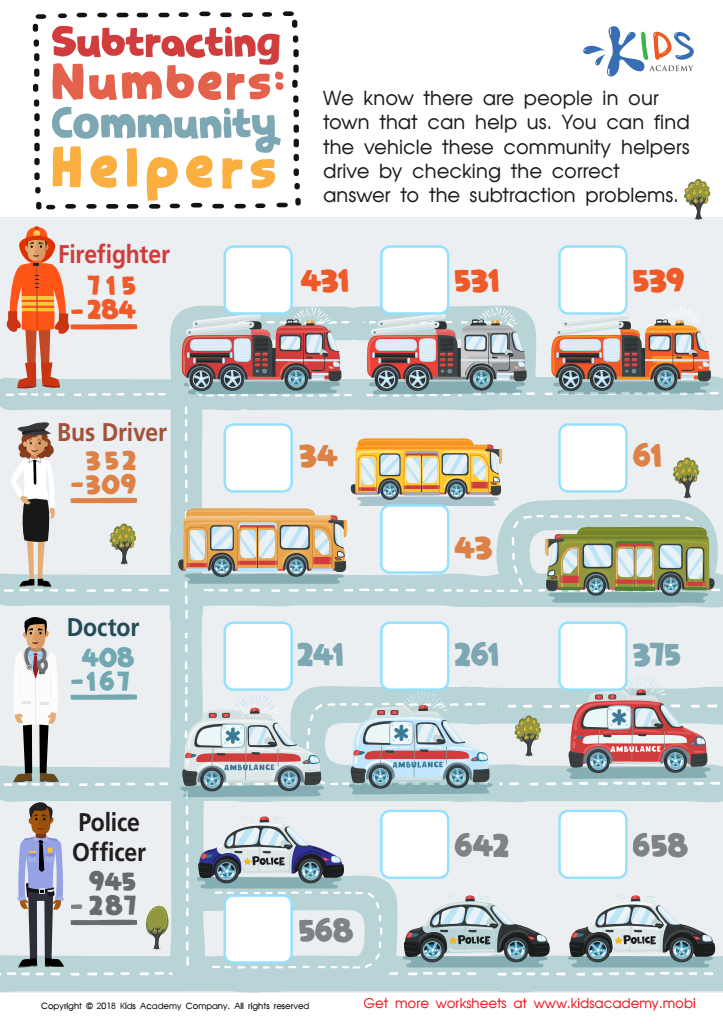
Subtracting Numbers: Community Helpers Worksheet








Understanding number sequences and the concepts of addition and subtraction is crucial for children aged 4-7, serving as the foundation for their mathematical development. At this early stage, students begin to grasp how numbers are related, fostering logical thinking and problem-solving skills. Parents and teachers should prioritize this understanding to promote a child's numeracy, which is essential for everyday tasks and later academic success.
Learning about number sequences helps children recognize patterns, which enhances their ability to predict outcomes and make connections between different mathematical ideas. It builds the groundwork for more complex operations, such as multiplication and division, and embeds confidence in mathematical reasoning.
Moreover, mastery of addition and subtraction helps children navigate their daily lives more effectively, whether counting toys, managing allowances, or sharing snacks. It encourages critical thinking as they learn to formulate strategies to solve problems.
Investing time in reinforcing these basic math skills fosters a positive association with mathematics at an early age, reducing anxiety and building a more profound appreciation for the subject. Ultimately, supporting young learners in understanding these foundational concepts prepares them for advanced math skills in the future, setting the stage for lifelong learning and success.








