Understanding numeracy Addition & Subtraction Worksheets for Ages 4-7
4 filtered results
-
From - To
Explore our "Understanding Numeracy: Addition & Subtraction Worksheets" designed specifically for children aged 4-7. These engaging worksheets aim to build a solid foundation in basic arithmetic through interactive and fun activities. By using colorful illustrations and age-appropriate exercises, young learners will master essential addition and subtraction skills while developing critical problem-solving abilities. The worksheets focus on practical applications, helping children understand numbers, quantities, and their relationships. Perfect for both classroom use and at-home learning, these resources strive to ignite a love for math in young minds. Begin the journey to numerical confidence with our thoughtfully designed materials for early learners!
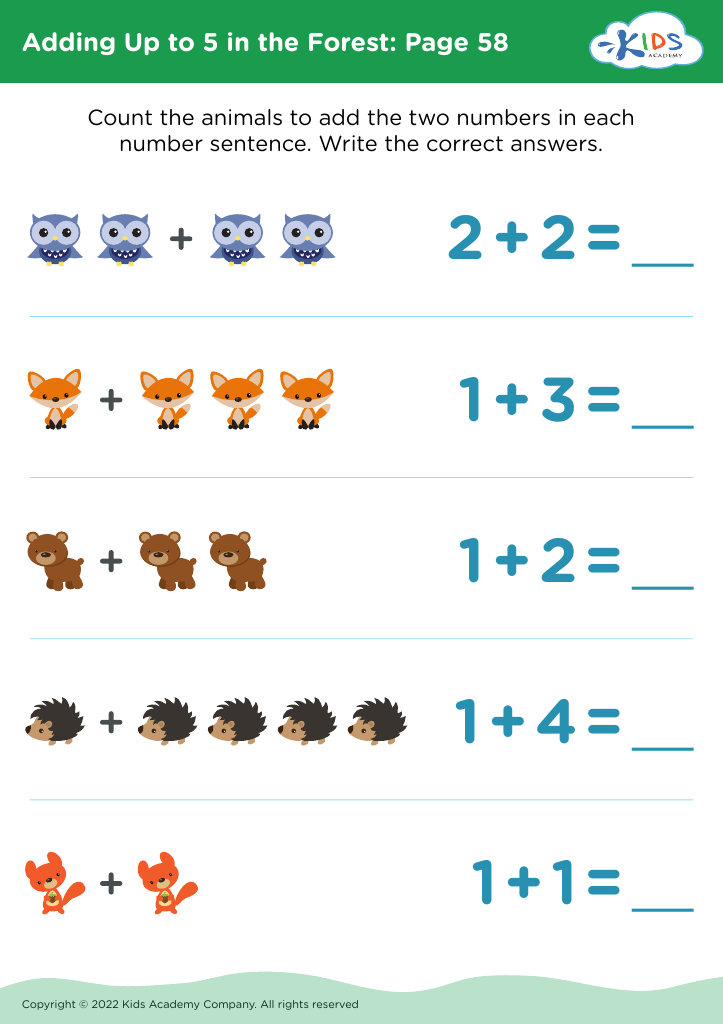
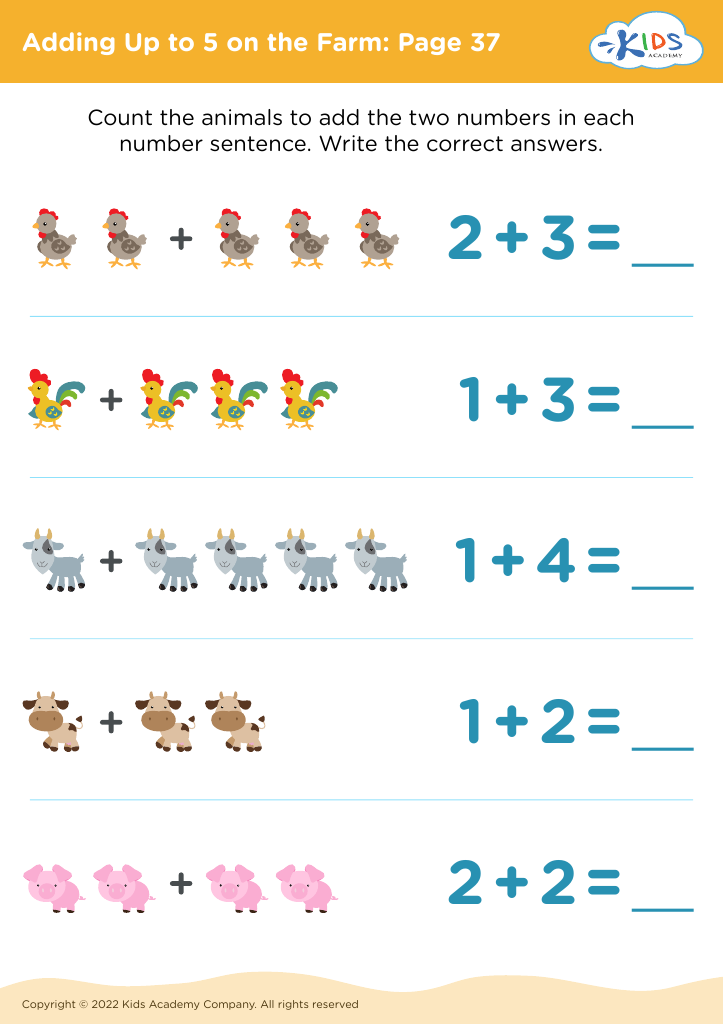
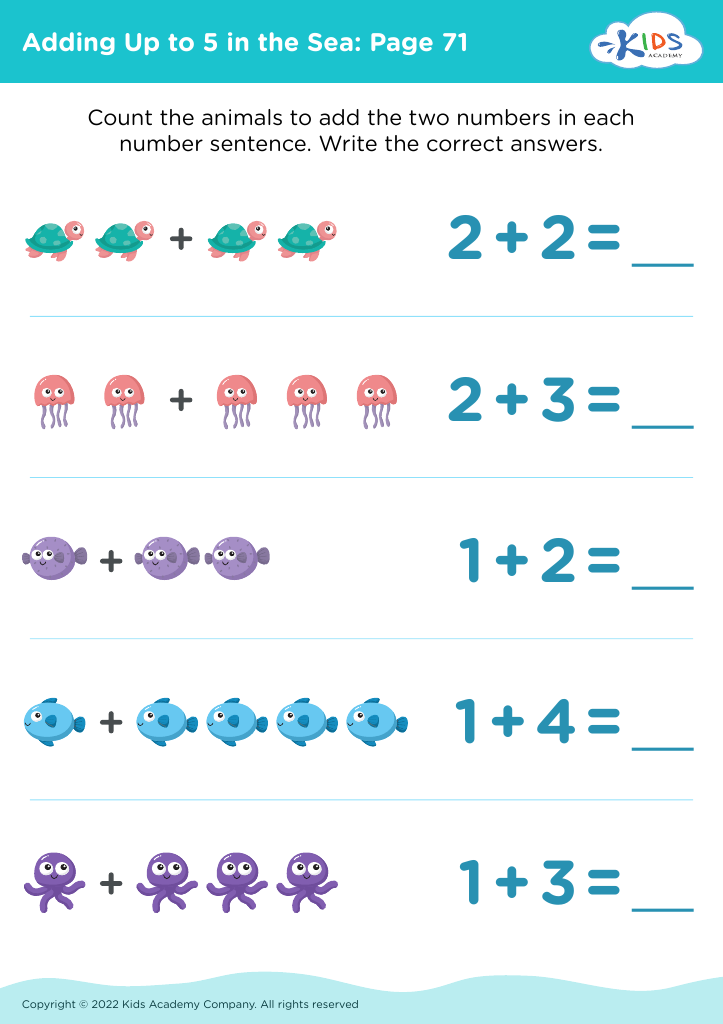
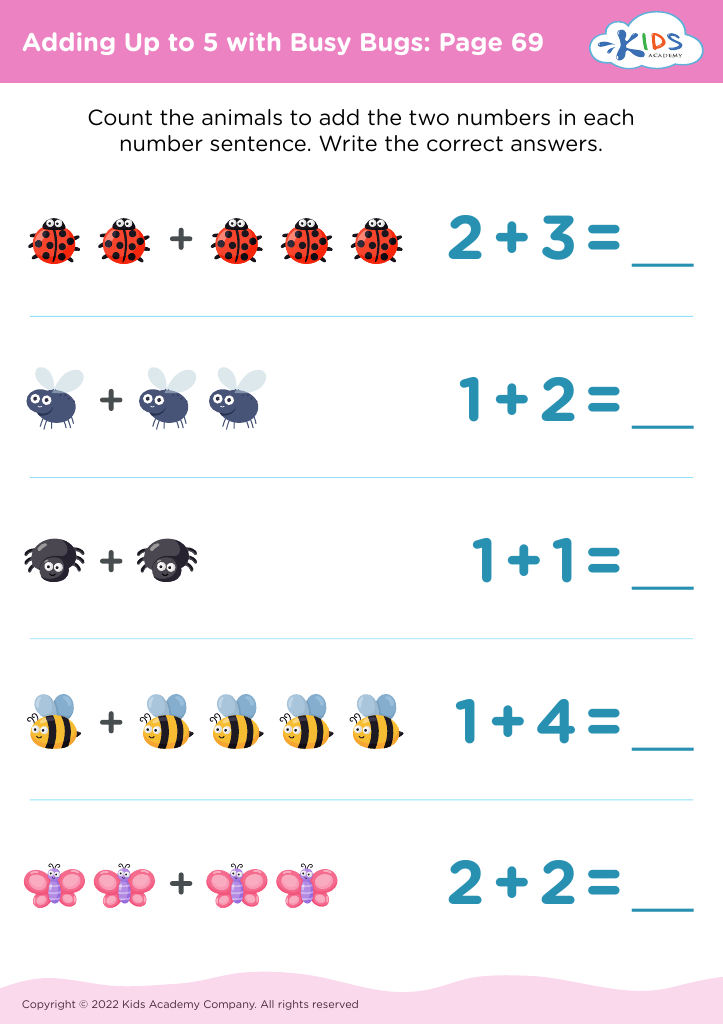








Understanding numeracy, particularly addition and subtraction, is crucial for children aged 4-7 as it lays the foundation for their future mathematical learning. During these formative years, children are developing cognitive skills, and acquiring numeracy skills boosts their reasoning and problem-solving abilities. Addition and subtraction are fundamental operations that encompass essential concepts such as quantity, value, and relationships between numbers.
When parents and teachers prioritize numeracy, they facilitate a child's ability to perform basic math, which is essential in daily life scenarios—be it counting items, understanding change, or problem-solving. Moreover, a strong grasp of these operations fosters confidence, enabling kids to engage more fully in interactive learning experiences. It also supports emotional and social development through collaborative activities such as games.
Best practices in teaching addition and subtraction can nurture a child's love for math, making it enjoyable rather than a chore. In turn, this engagement promotes perseverance and resilience when confronting challenges. Understanding numeracy goes beyond mere computation; it's about developing a well-rounded thinker capable of facing a range of academic and real-world challenges. Therefore, it’s imperative for parents, educators, and caregivers to emphasize and support these critical skills to ensure children flourish both academically and socially.








