Filters

270 filtered results

Clear all filters
Favorites
With answer key
Interactive

270 filtered results

Difficulty Level

Grade


Check out this FREE Trial Lesson on Addition for age 4-7!

Making 13

Favorites
With answer key
Interactive
  • 4-7
  • Basic Addition Skills
  • Addition
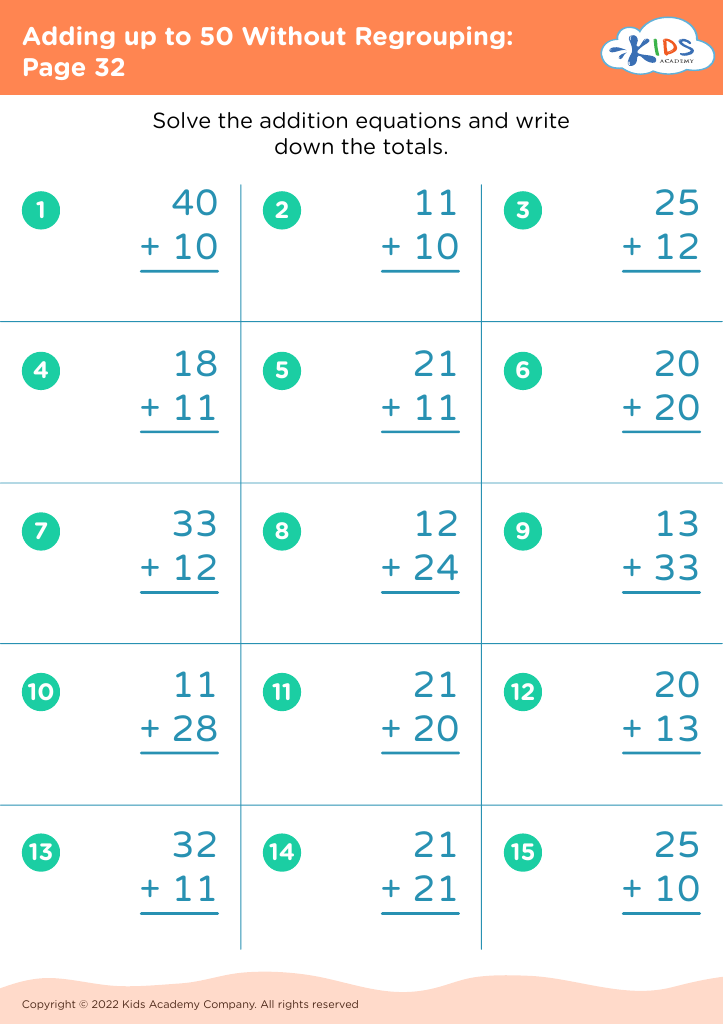
Adding up to 50 Without Regrouping: Page 32
Worksheet
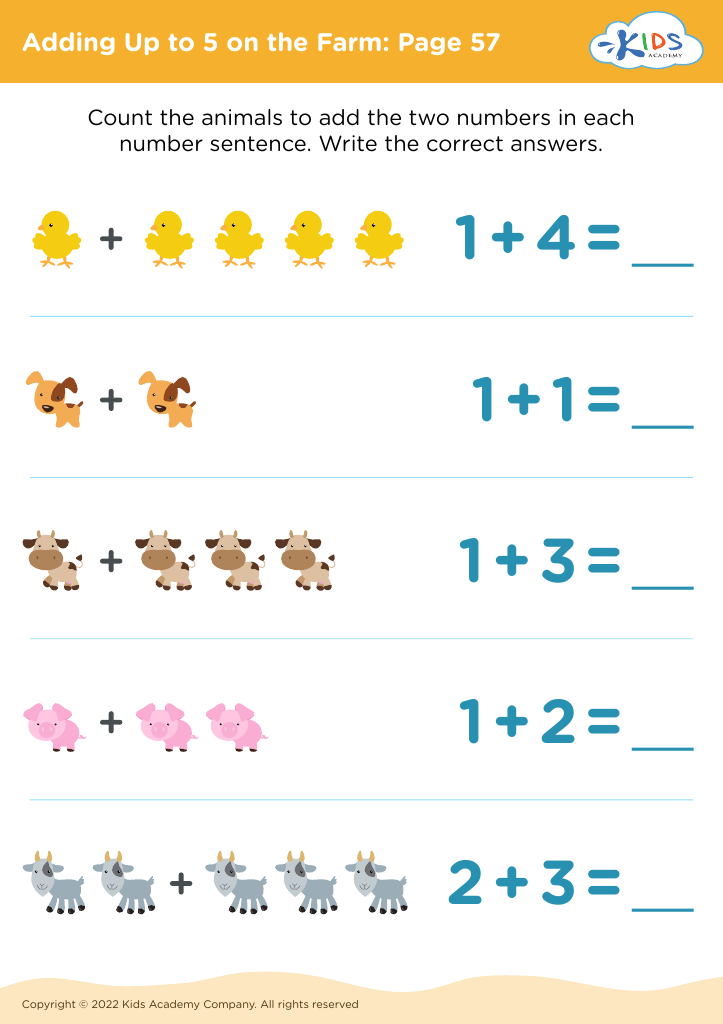
Adding Up to 5 on the Farm: Page 57
Worksheet
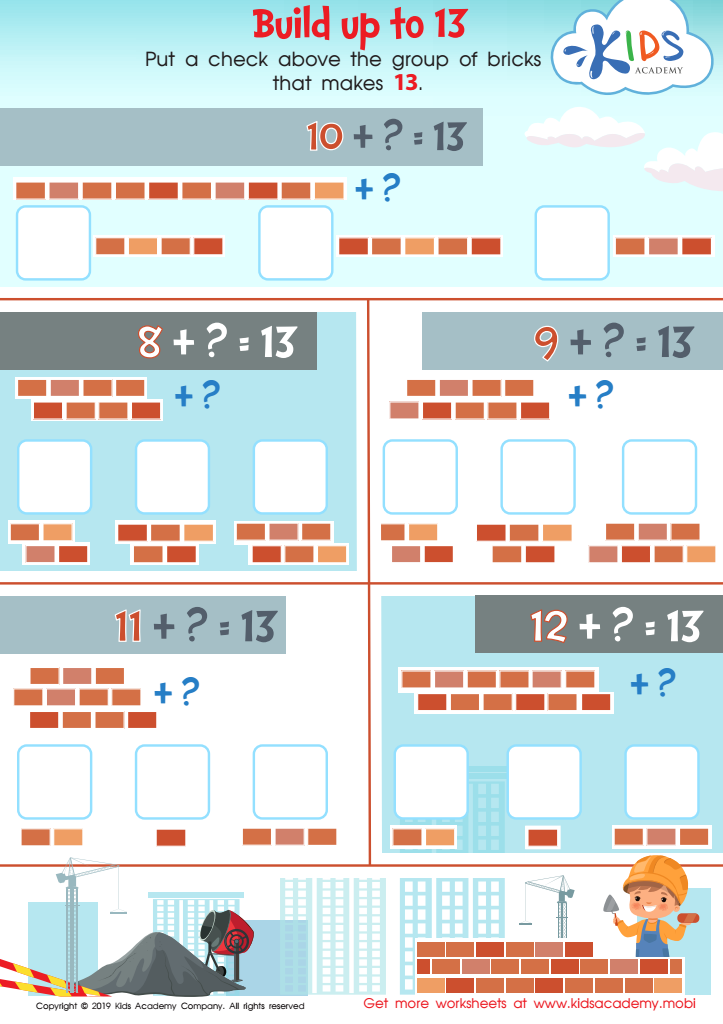
Build up to 13 Worksheet

Build up to 13 Worksheet

Help your kids master addition and subtraction with this worksheet! It'll help clear up any confusion they may have with adding different numbers. Have them add up the simple equations and mark the group of bricks that makes 13. It's a great way for them to get familiar with the basics.
Build up to 13 Worksheet
Worksheet
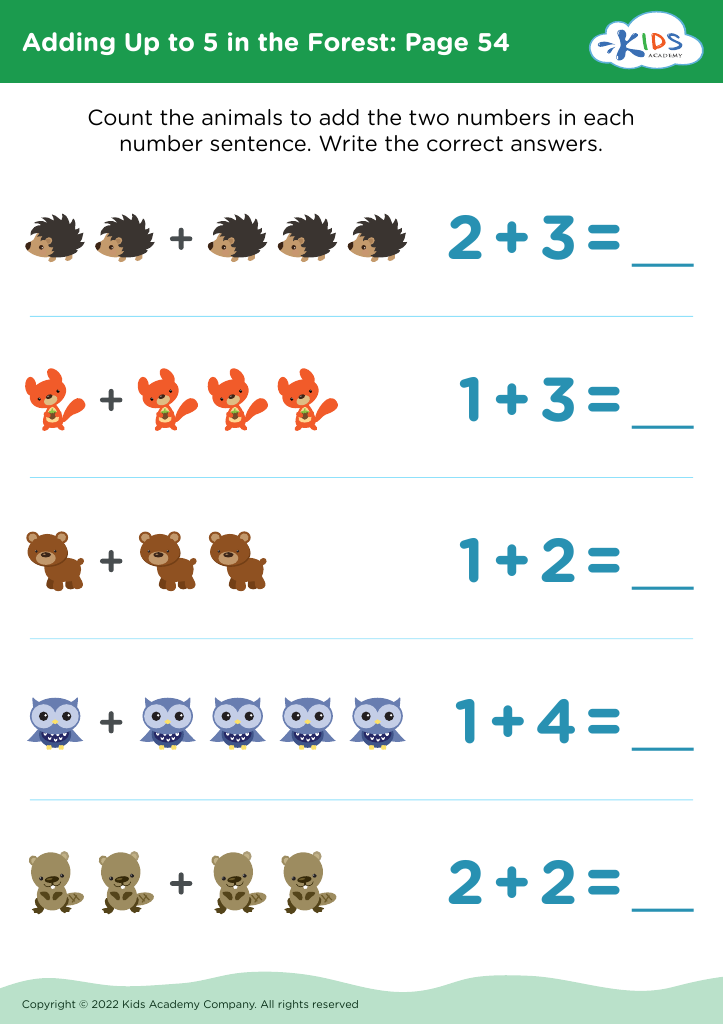
Adding Up to 5 in the Forest: Page 54
Worksheet
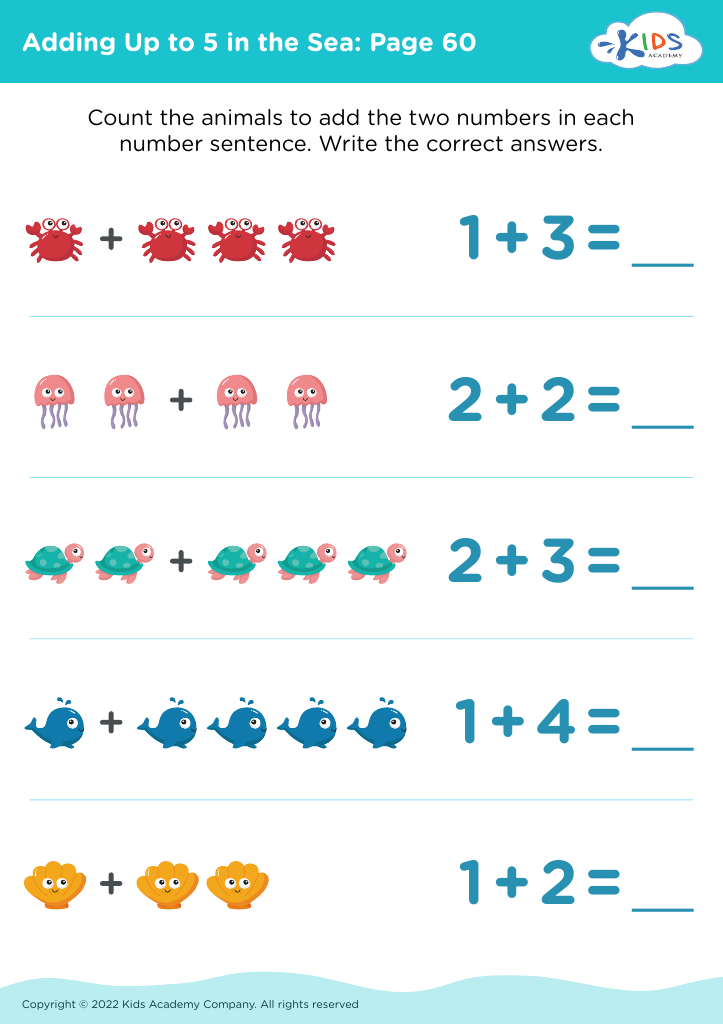
Adding Up to 5 in the Sea: Page 60
Worksheet
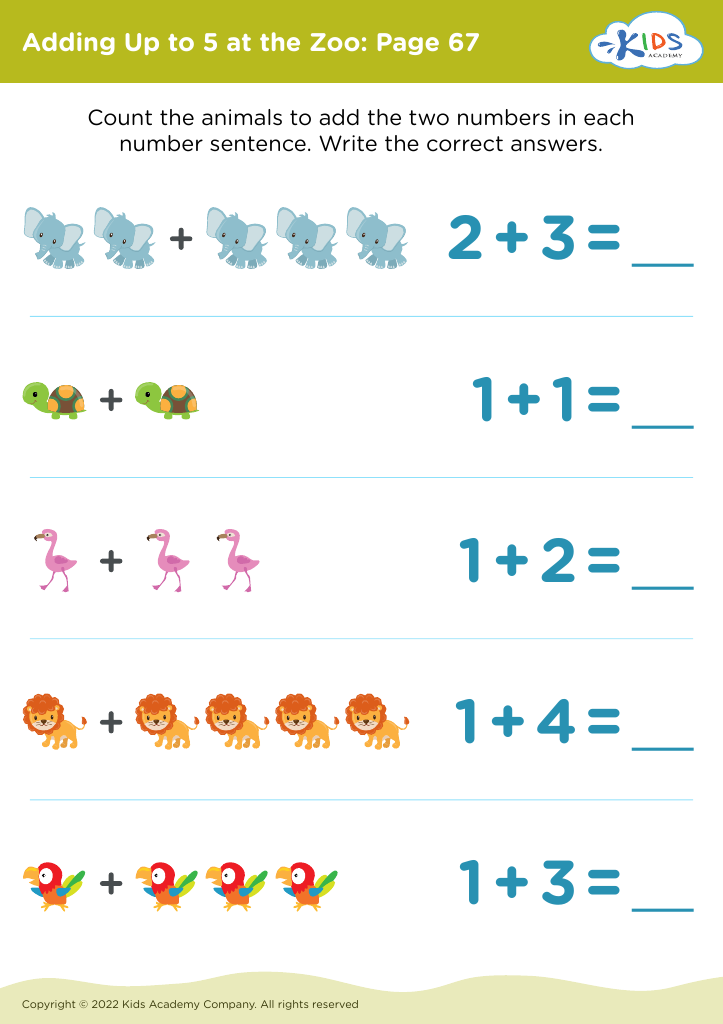
Adding Up to 5 at the Zoo: Page 67
Worksheet
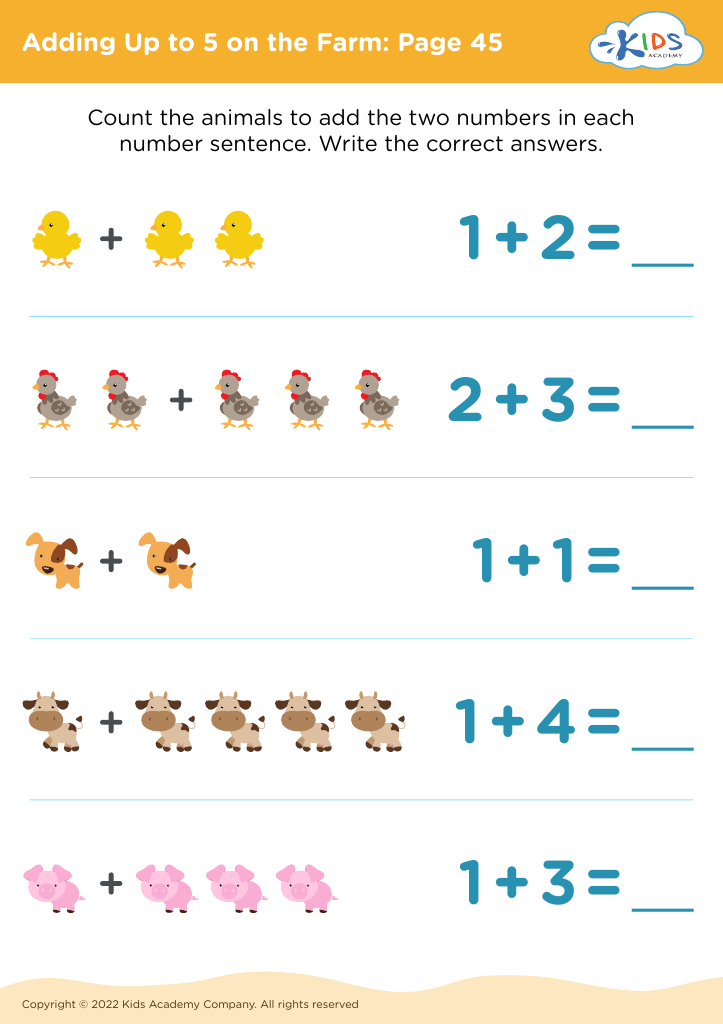
Adding Up to 5 on the Farm: Page 45
Worksheet
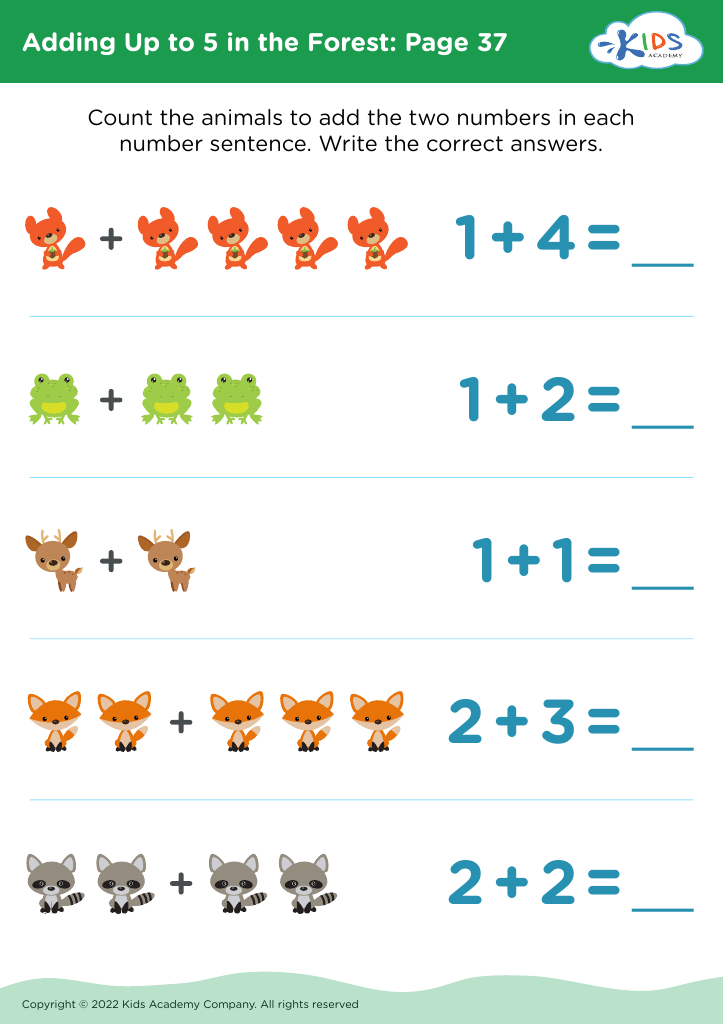
Adding Up to 5 in the Forest: Page 37
Worksheet
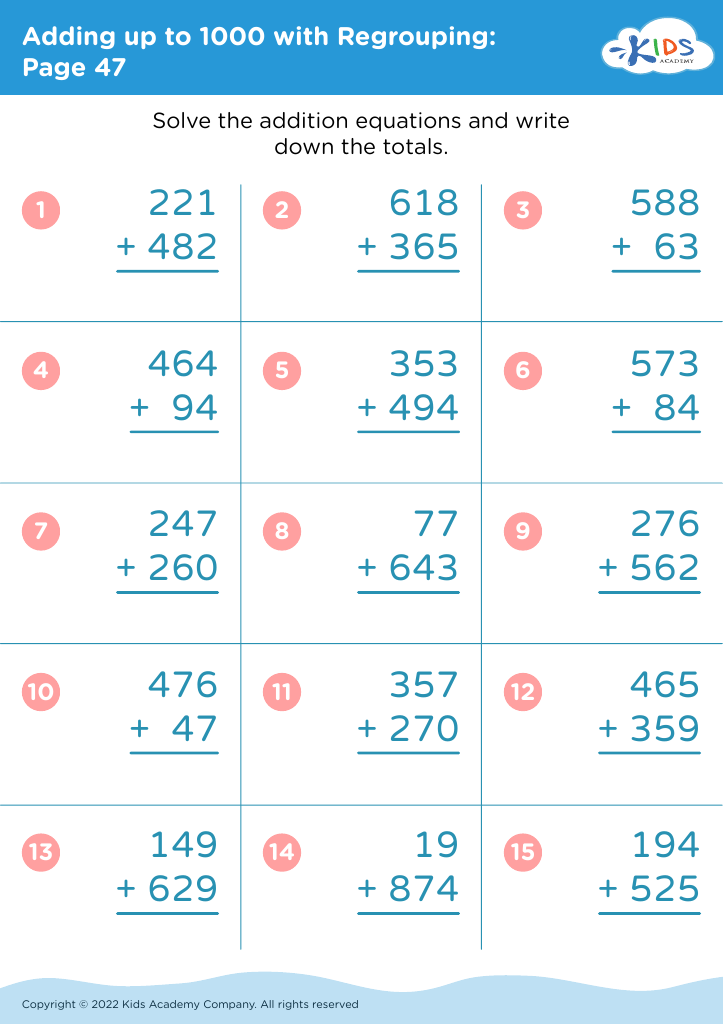
Adding up to 1000 with Regrouping: Page 47
Worksheet
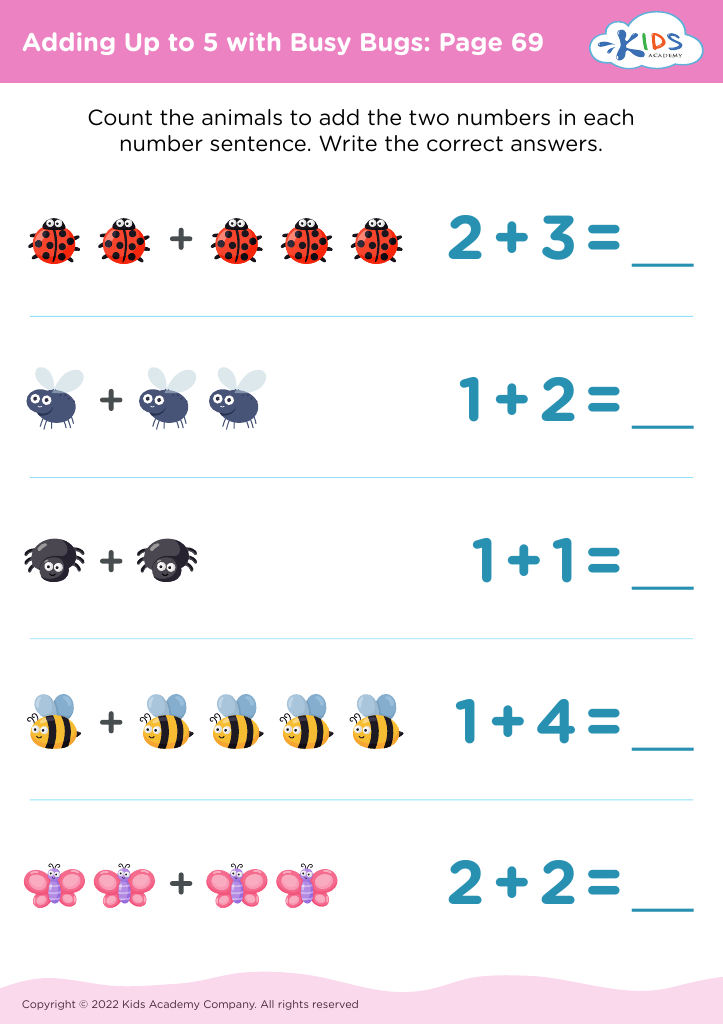
Adding Up to 5 with Busy Bugs: Page 69
Worksheet
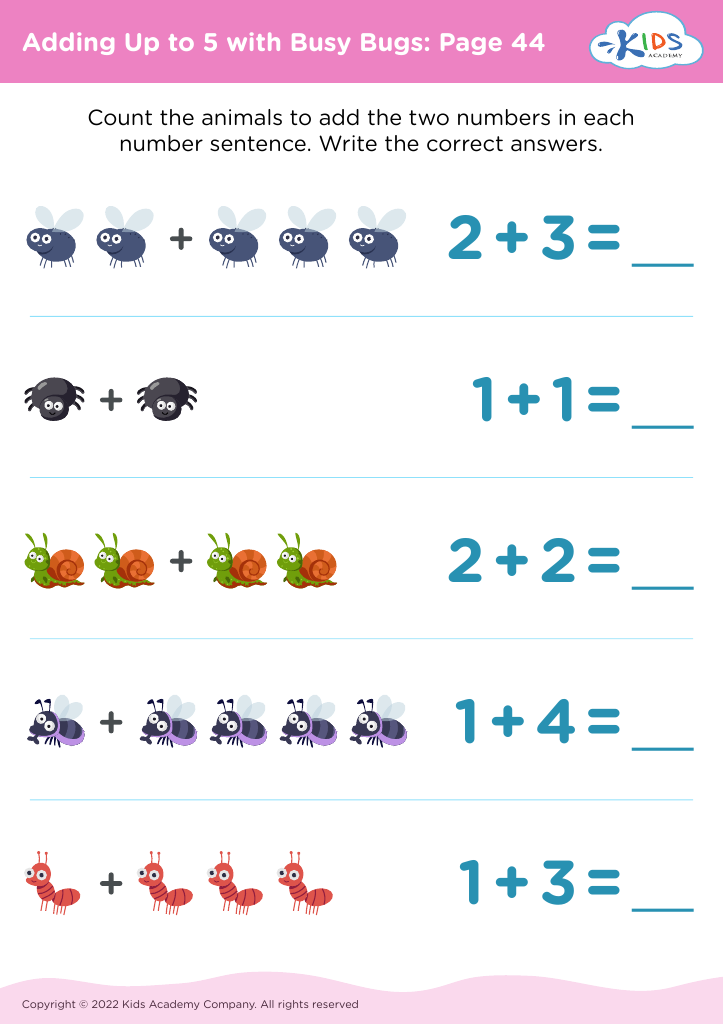
Adding Up to 5 with Busy Bugs: Page 44
Worksheet
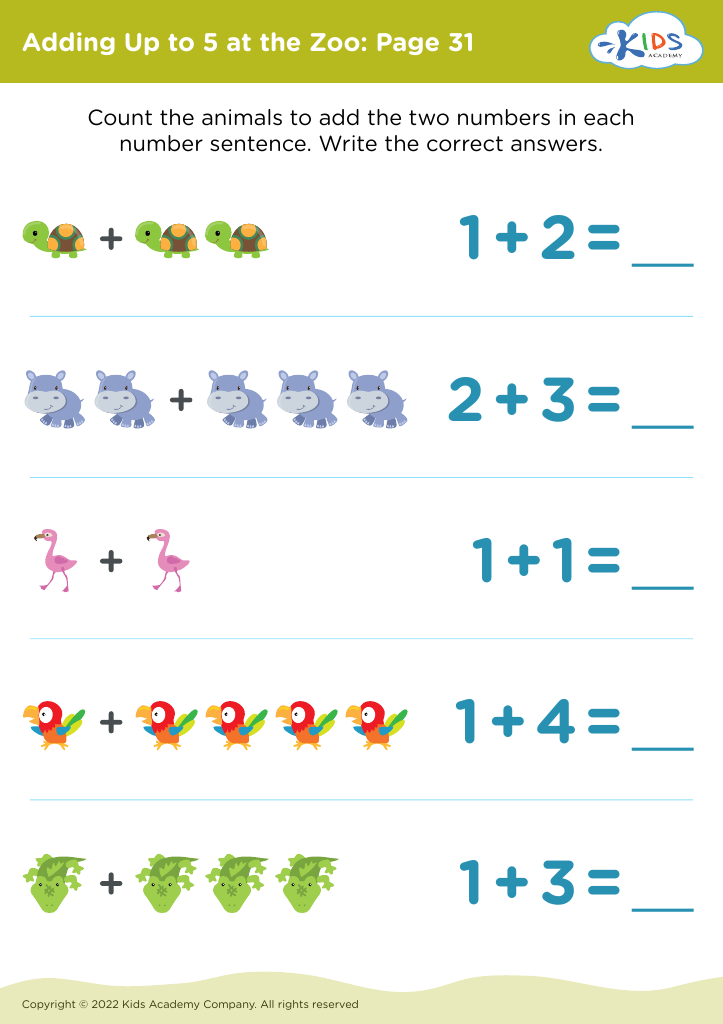
Adding Up to 5 at the Zoo: Page 31
Worksheet
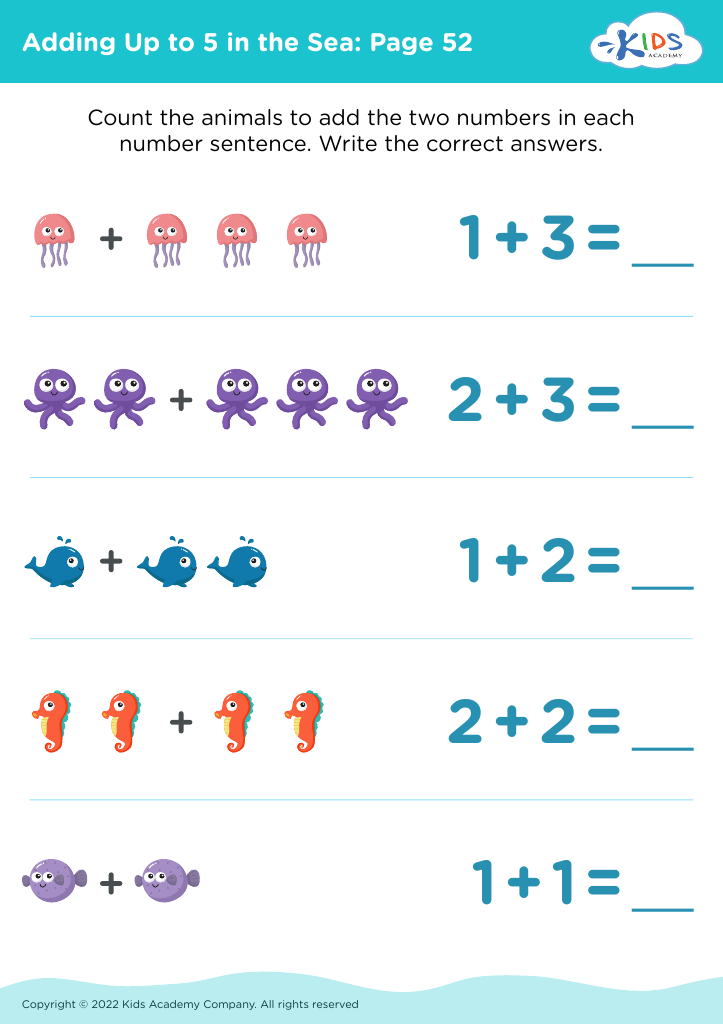
Adding Up to 5 in the Sea: Page 52
Worksheet
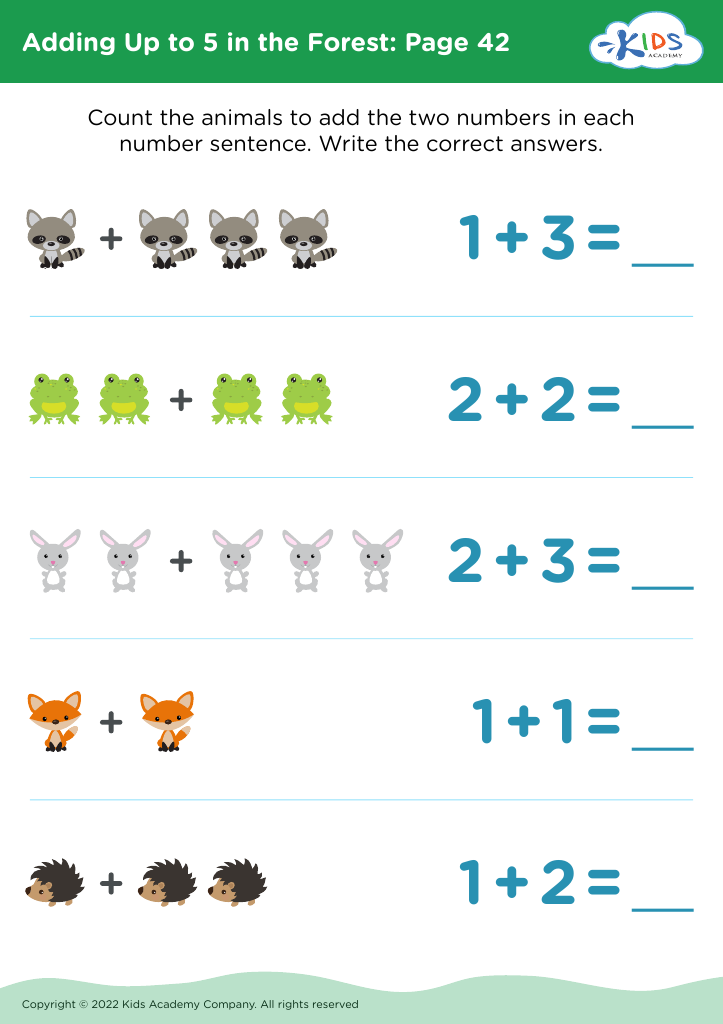
Adding Up to 5 in the Forest: Page 42
Worksheet
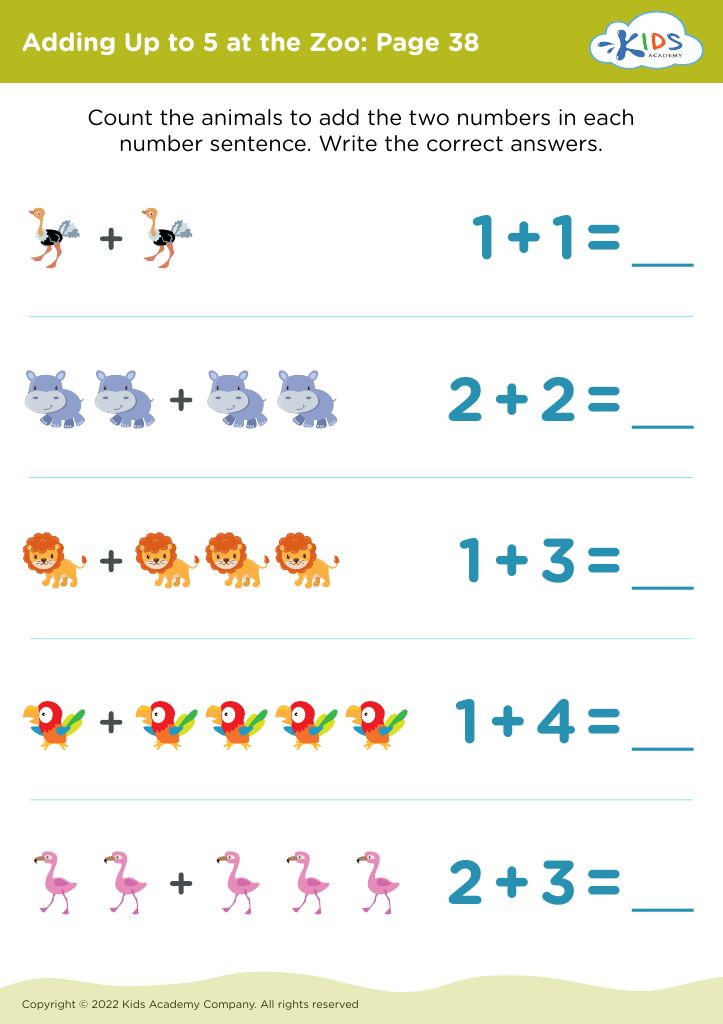
Adding Up to 5 at the Zoo: Page 38
Worksheet
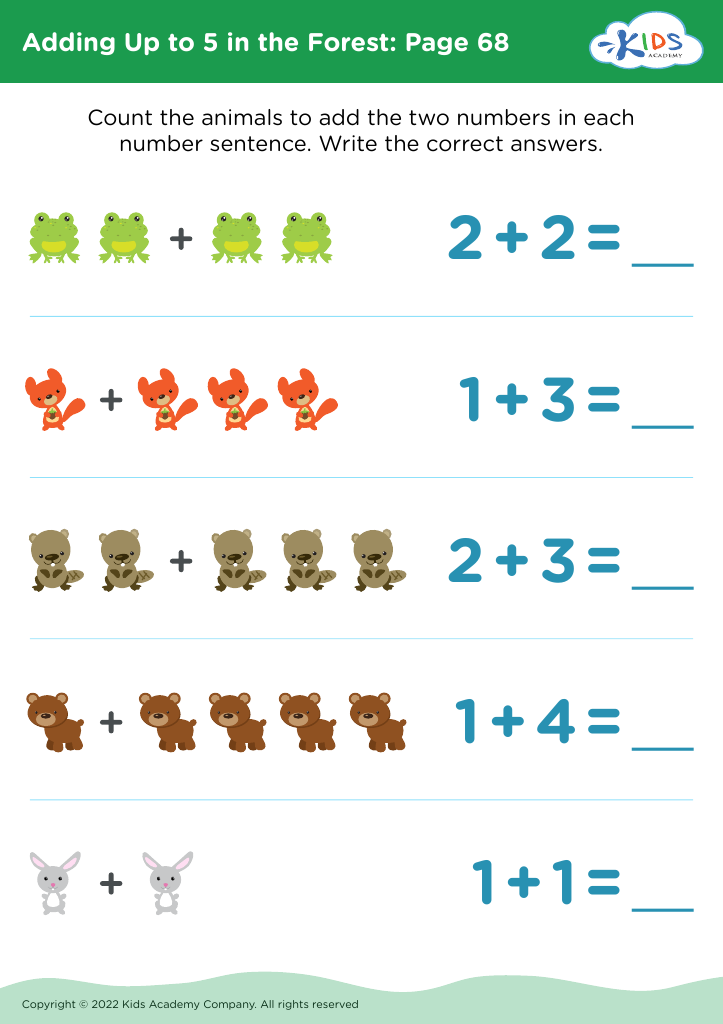
Adding Up to 5 in the Forest: Page 68
Worksheet
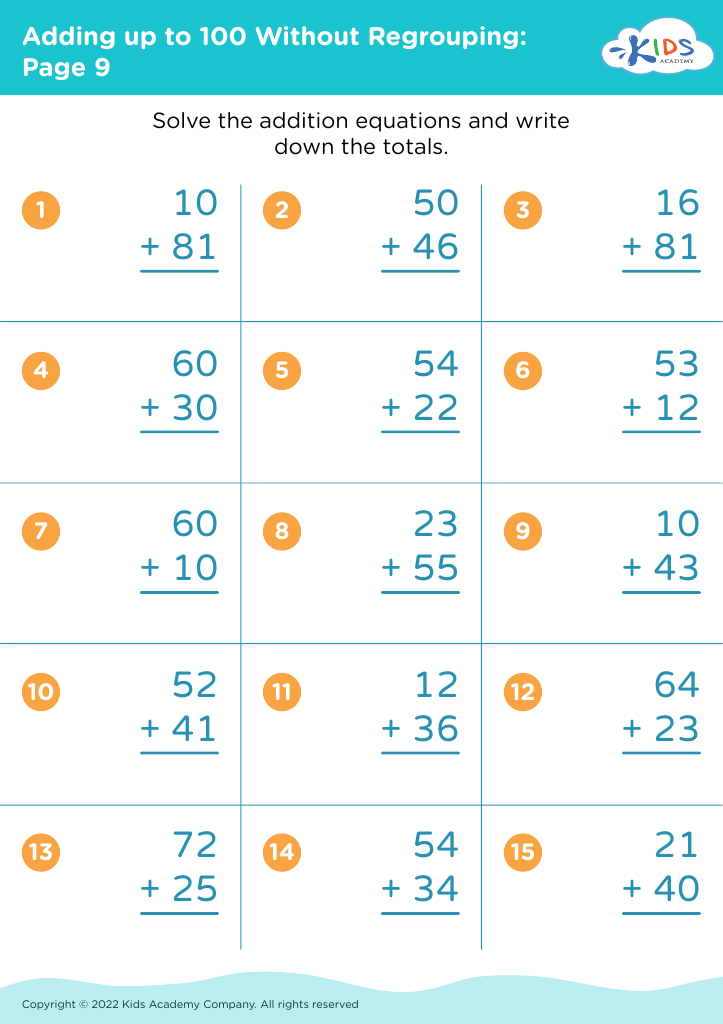
Adding up to 100 Without Regrouping: Page 9
Worksheet
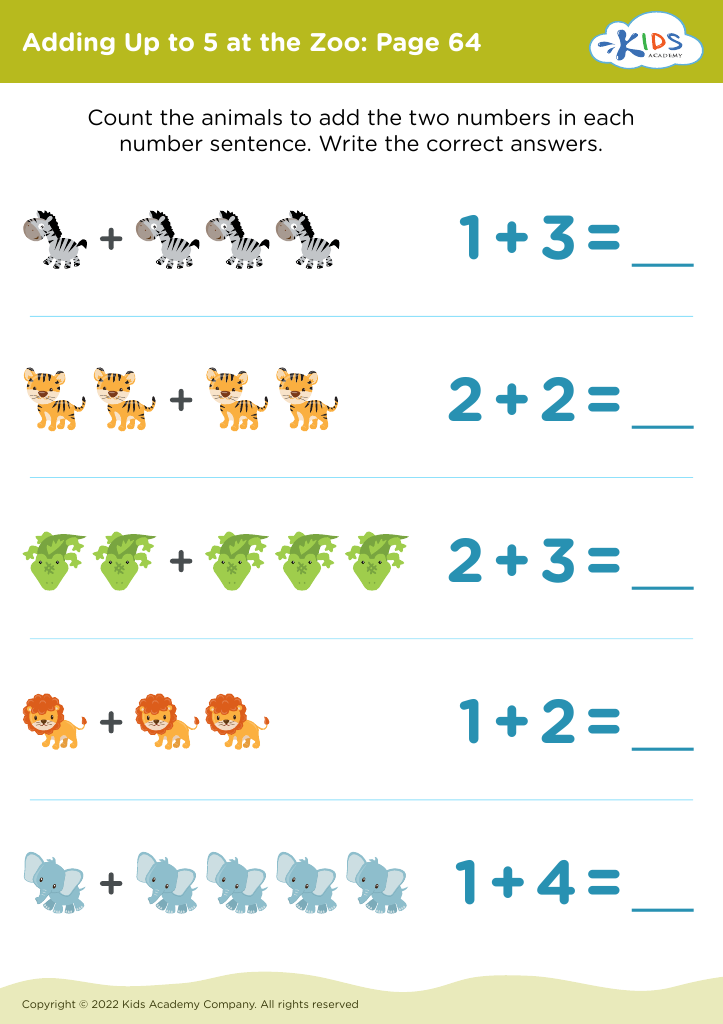
Adding Up to 5 at the Zoo: Page 64
Worksheet
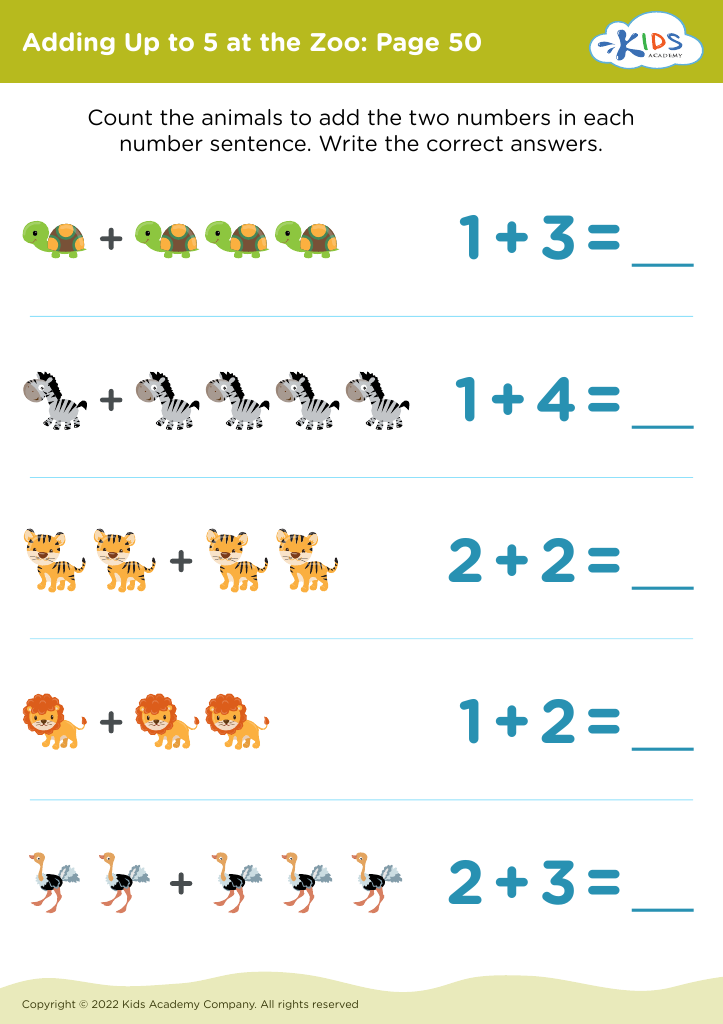
Adding Up to 5 at the Zoo: Page 50
Worksheet
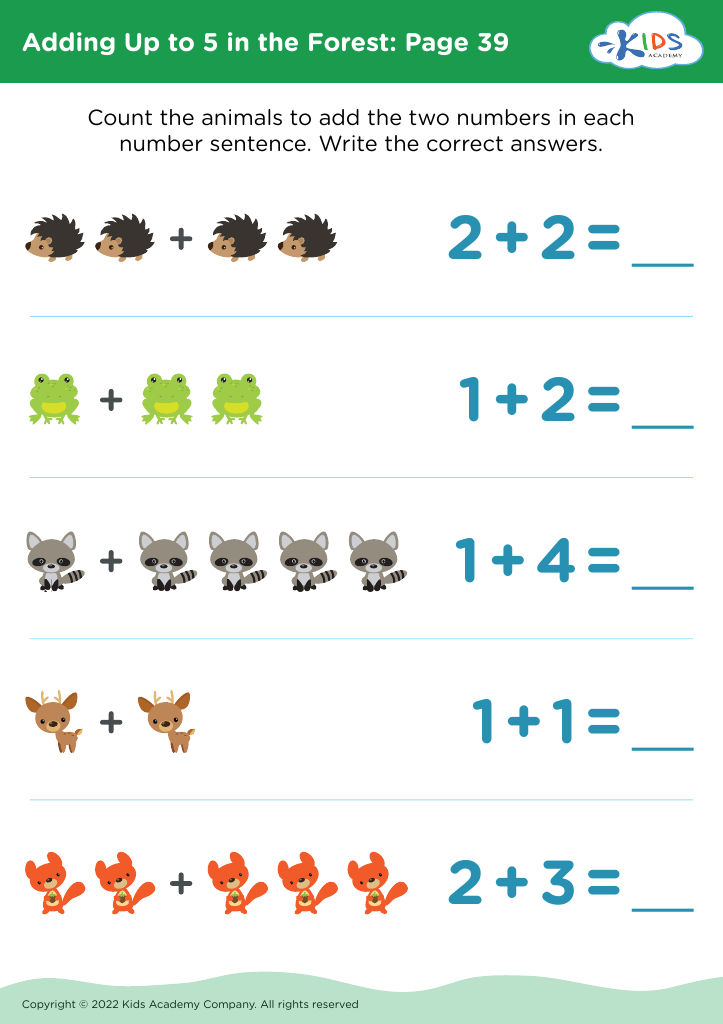
Adding Up to 5 in the Forest: Page 39
Worksheet
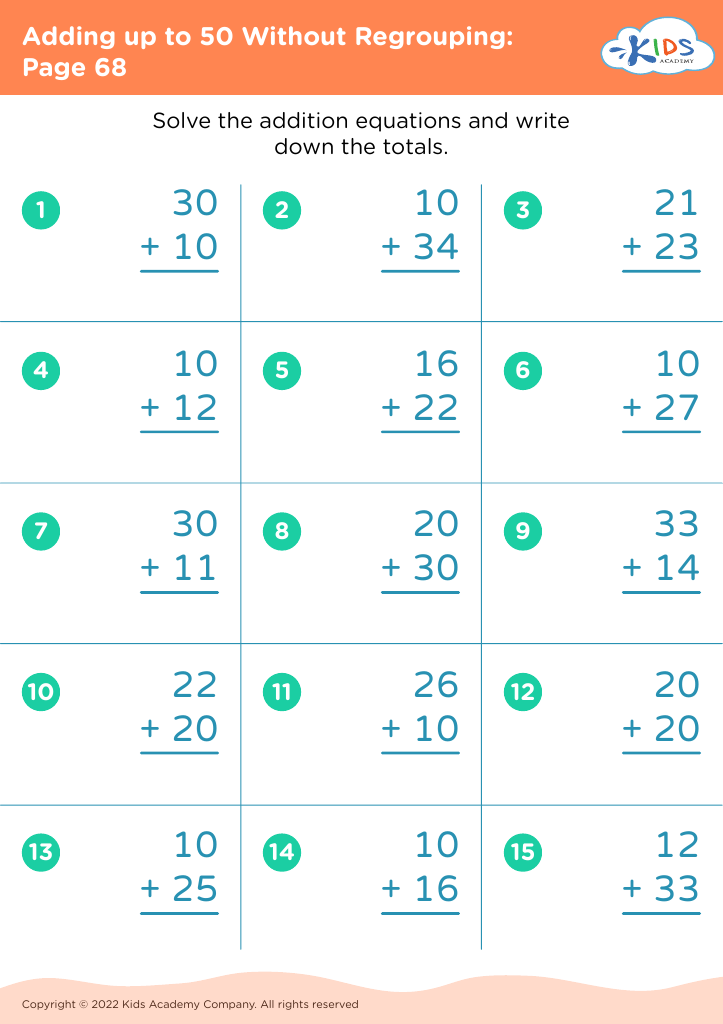
Adding up to 50 Without Regrouping: Page 68
Worksheet
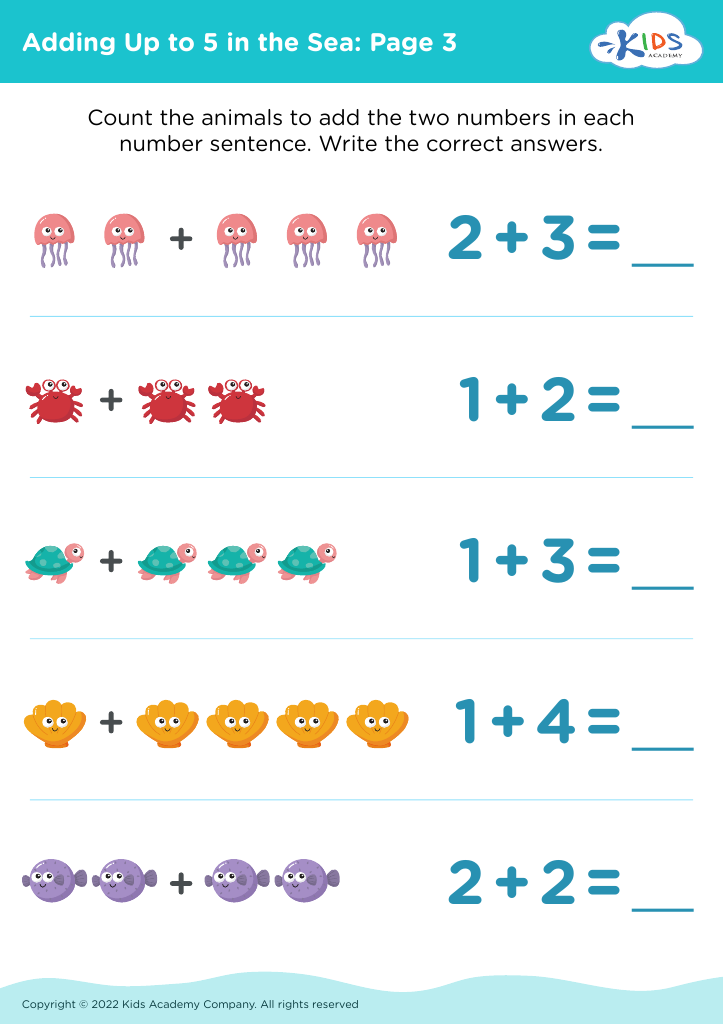
Adding Up to 5 in the Sea: Page 3

Adding Up to 5 in the Sea: Page 3

Adding Up to 5 in the Sea: Page 3
Worksheet
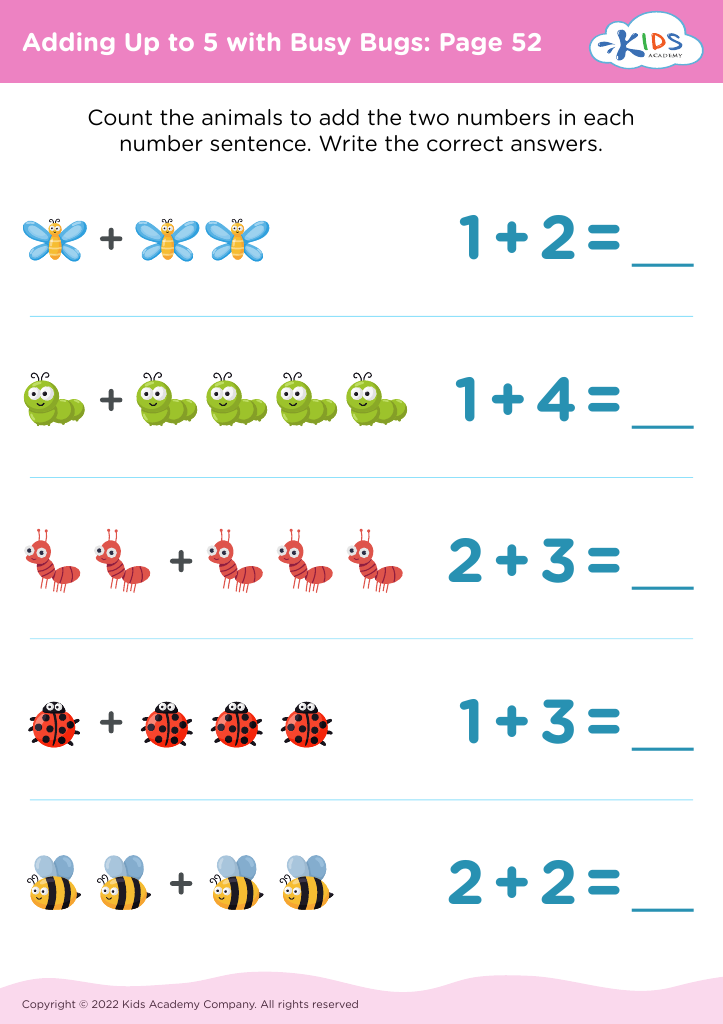
Adding Up to 5 with Busy Bugs: Page 52
Worksheet
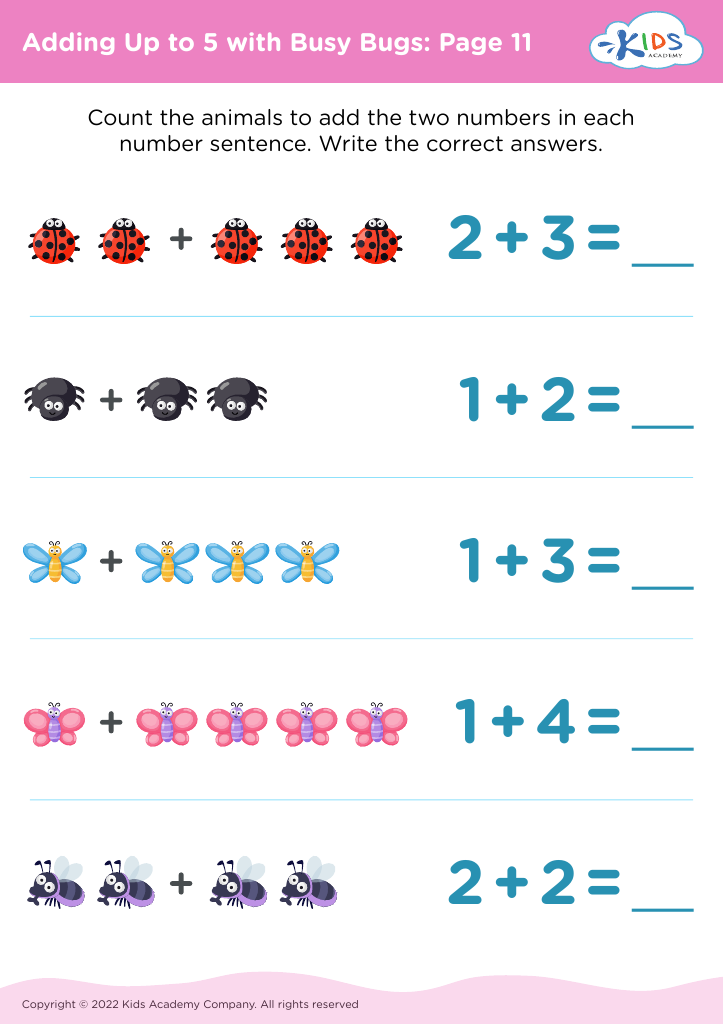
Adding Up to 5 with Busy Bugs: Page 11
Worksheet


Basic addition skills are foundational for young learners aged 4-7, making their development vital for several reasons. First, mastering addition offers children a sense of accomplishment and boosts their confidence in handling numbers, laying the groundwork for future mathematical concepts. As children progress, these skills serve as stepping stones to more complex math, including subtraction and problem-solving.

Additionally, addition is not just about numbers; it enhances critical thinking and cognitive development. Engaging in addition activities allows children to practice logical reasoning and pattern recognition. Parents and teachers can further enrich these skills through games, everyday scenarios, and interactive learning methods, making the process enjoyable and engaging.

Moreover, proficiency in addition improves everyday life skills. For example, when shopping, counting items, or dividing snacks, children with strong addition skills can better navigate real-world situations. Furthermore, fostering these skills early encourages a positive attitude towards math and reduces anxiety surrounding the subject, which can persist into later education.

Ultimately, prioritizing basic addition skills in young children sets the stage for lifelong learning, equipping them with essential tools for academic success and practical life applications. Parents and teachers play a crucial role in nurturing these skills, making a significantly positive impact on children's futures.