Improving concentration Addition Worksheets for Ages 4-7
15 filtered results
-
From - To
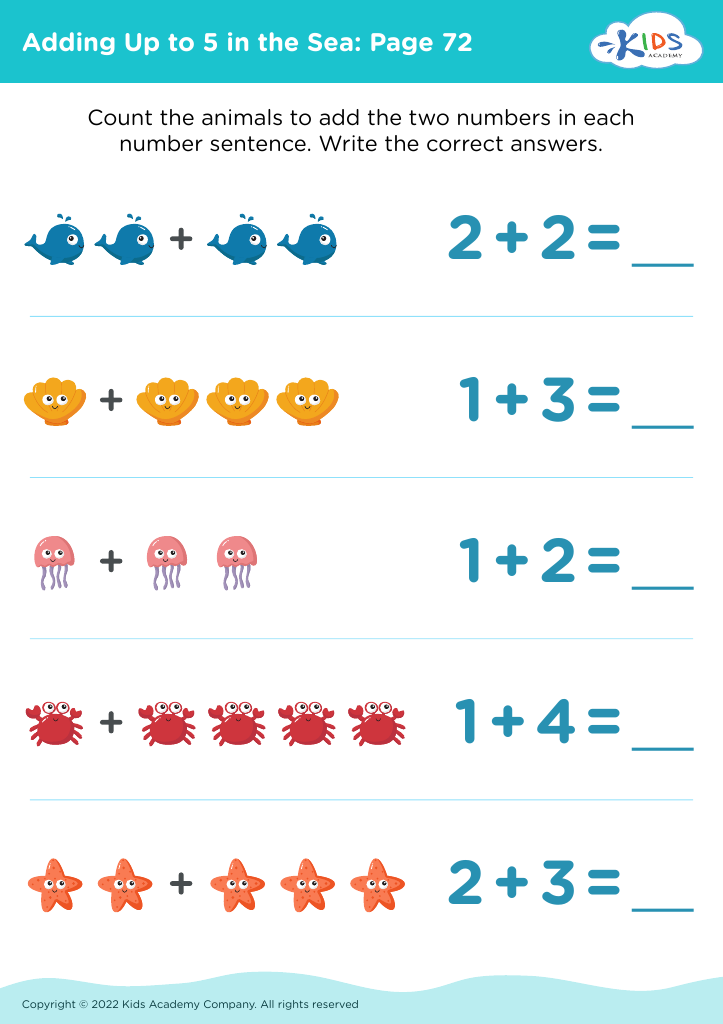
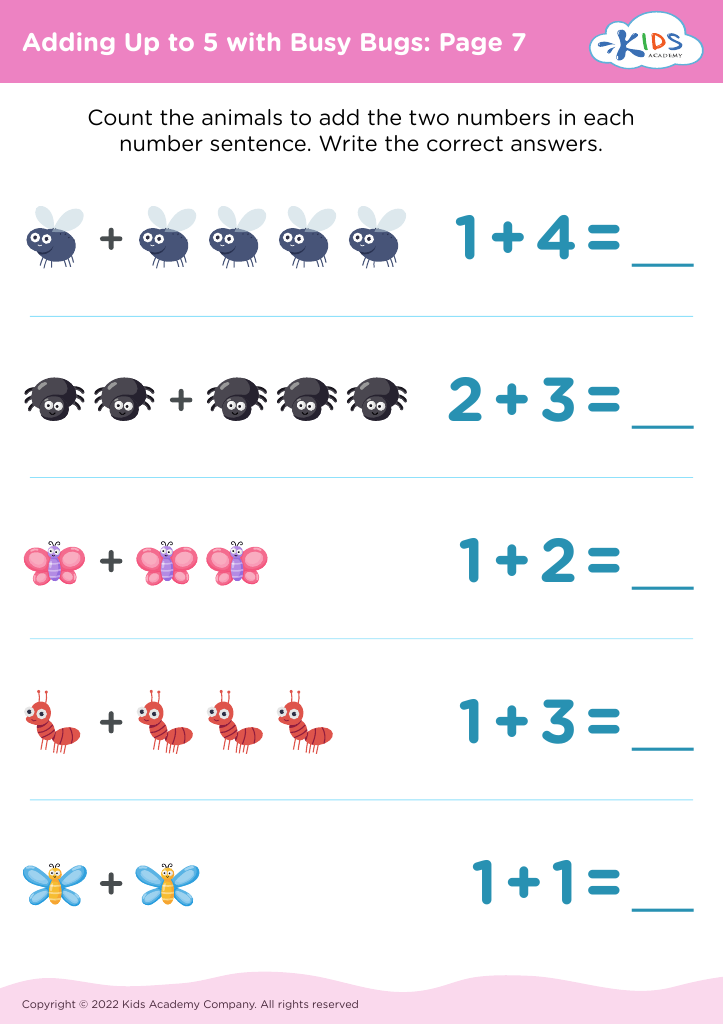
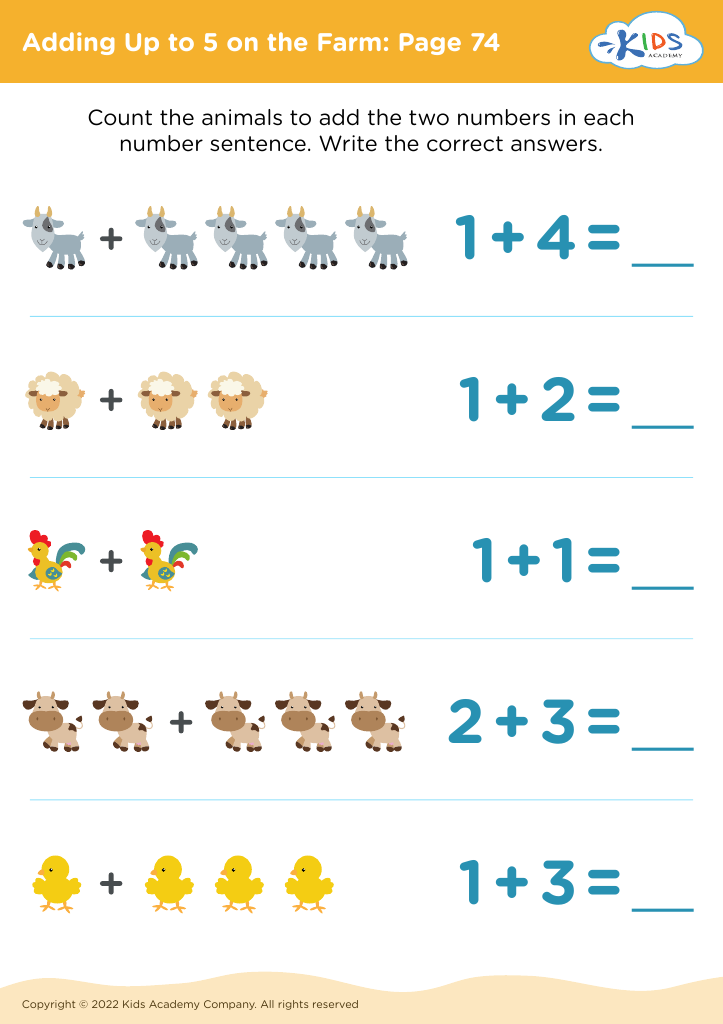
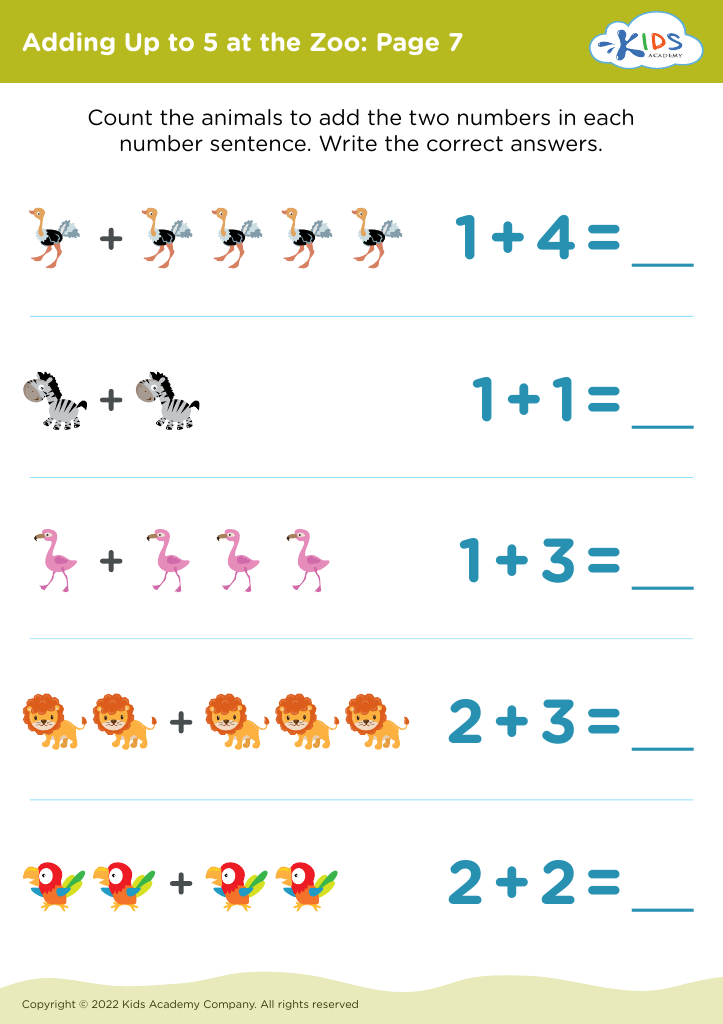
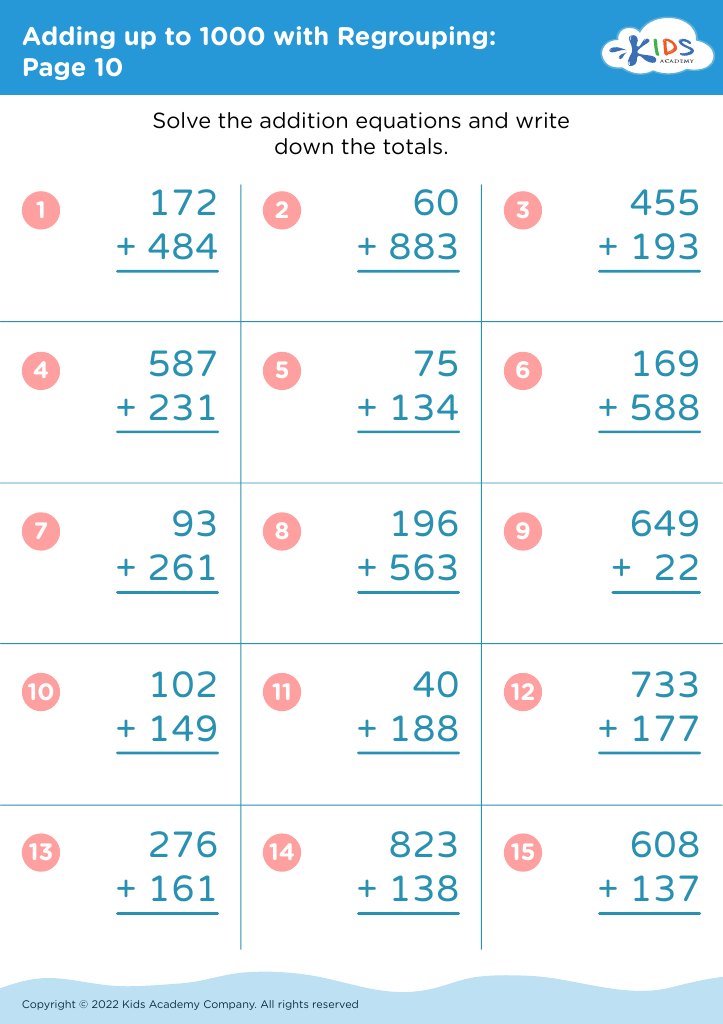
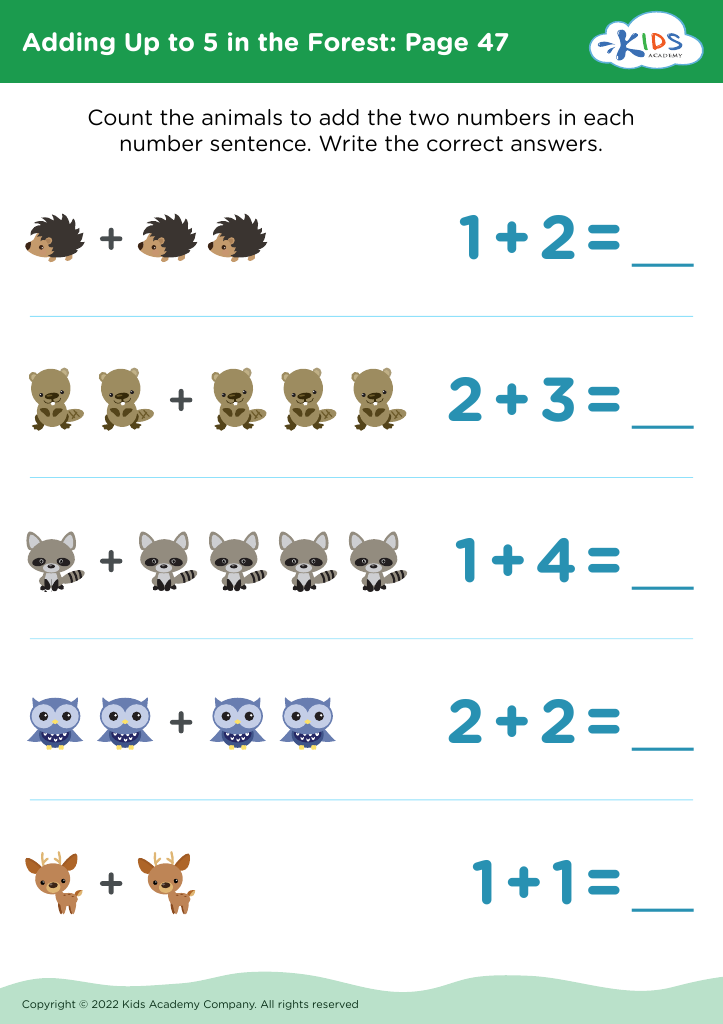
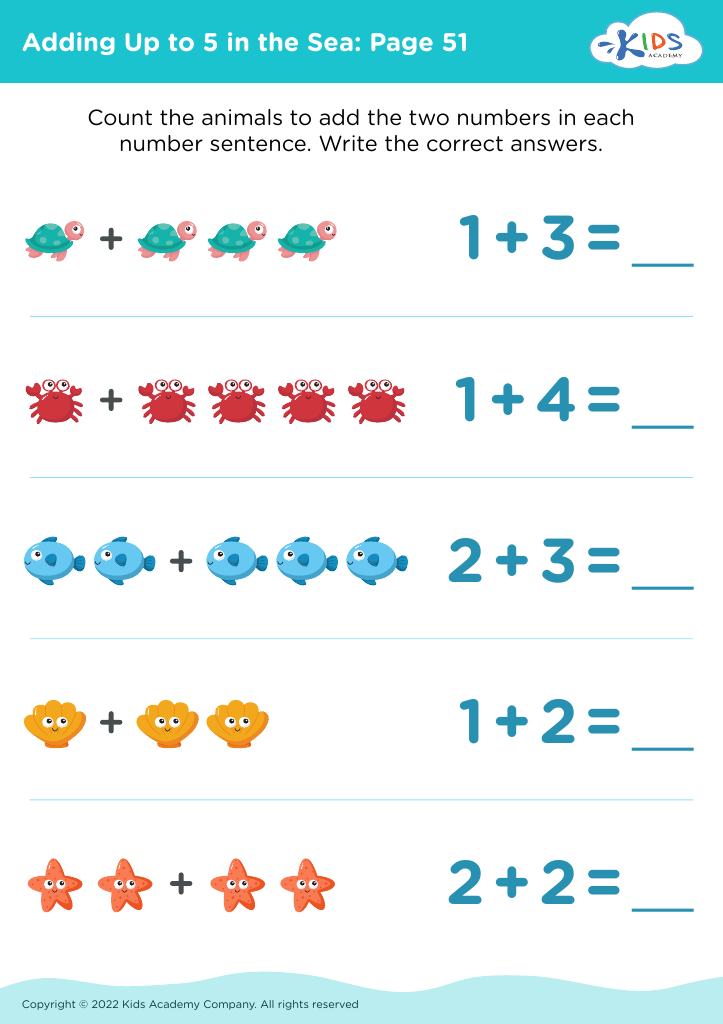
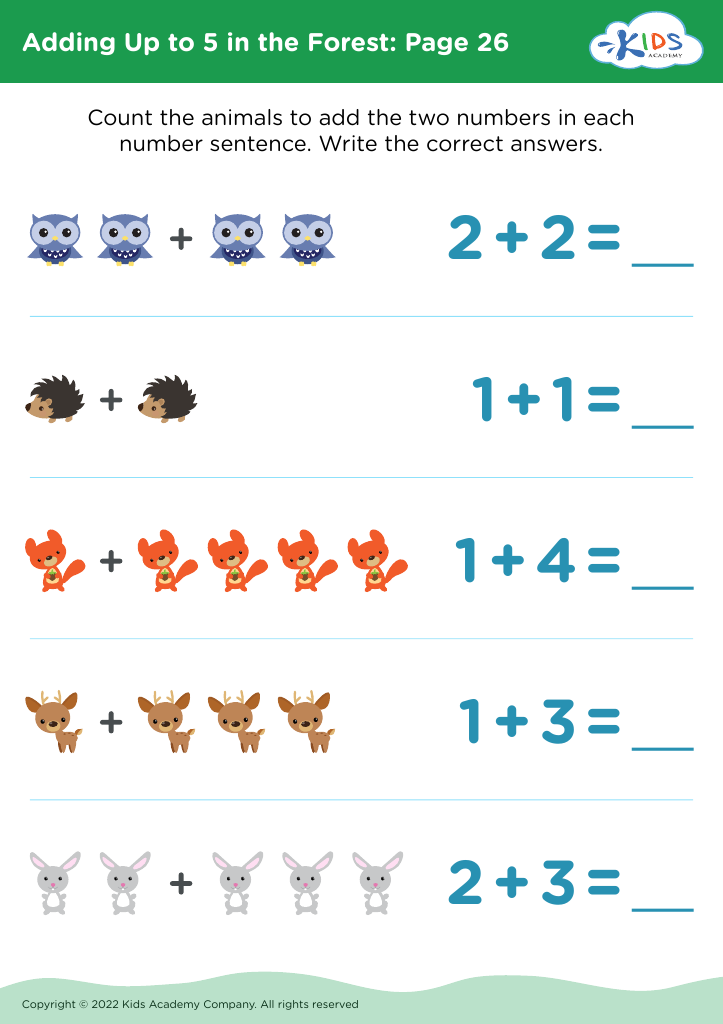
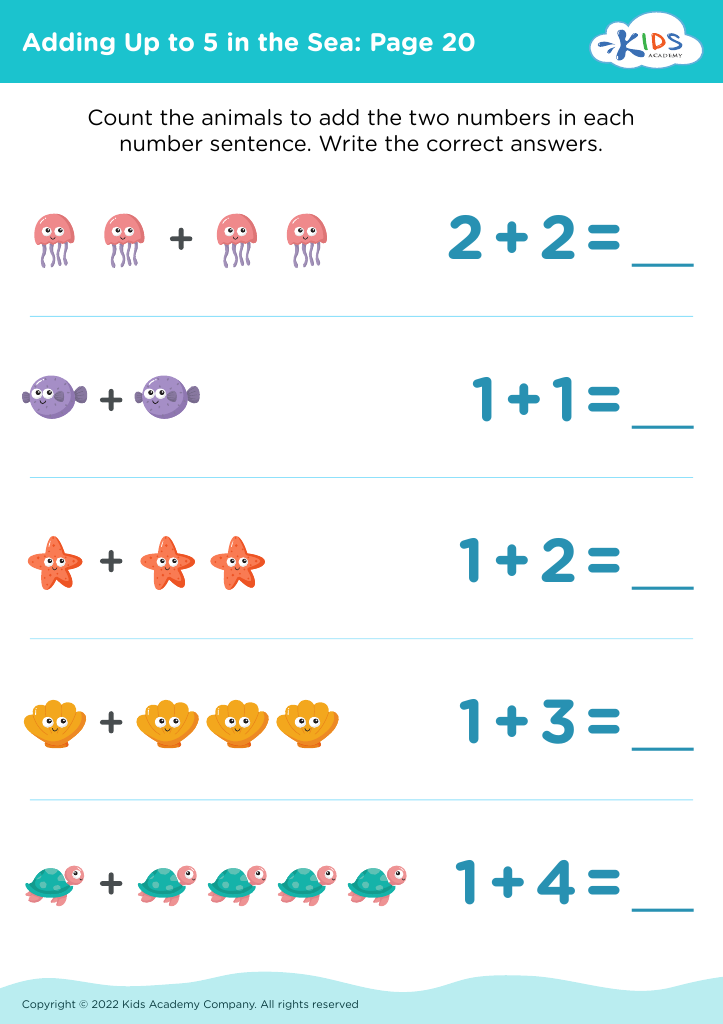
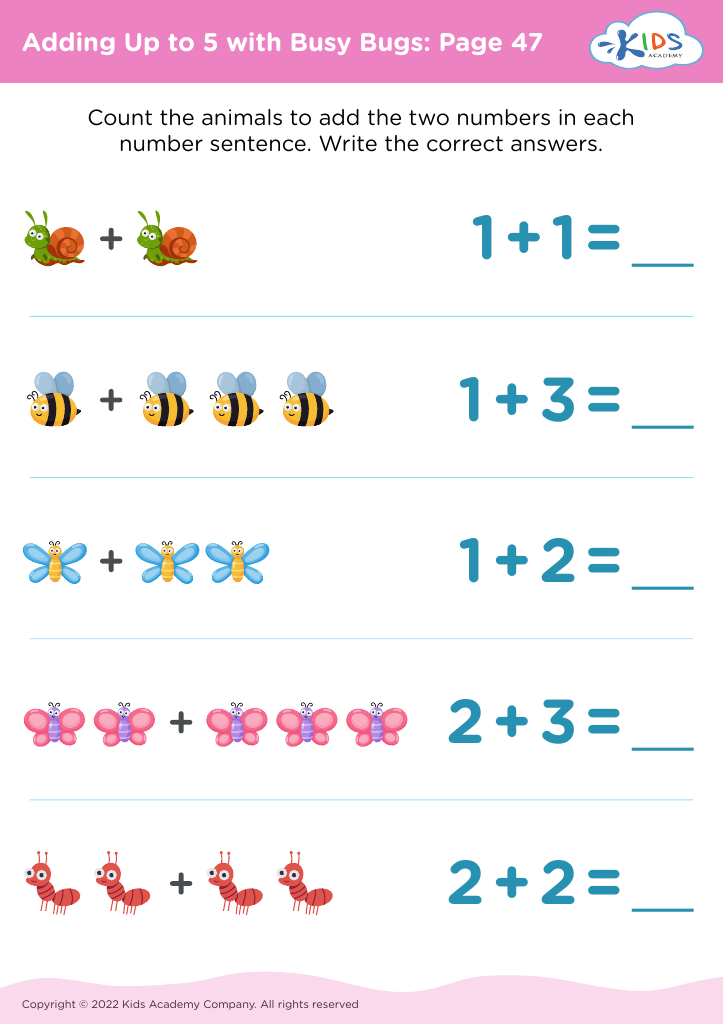
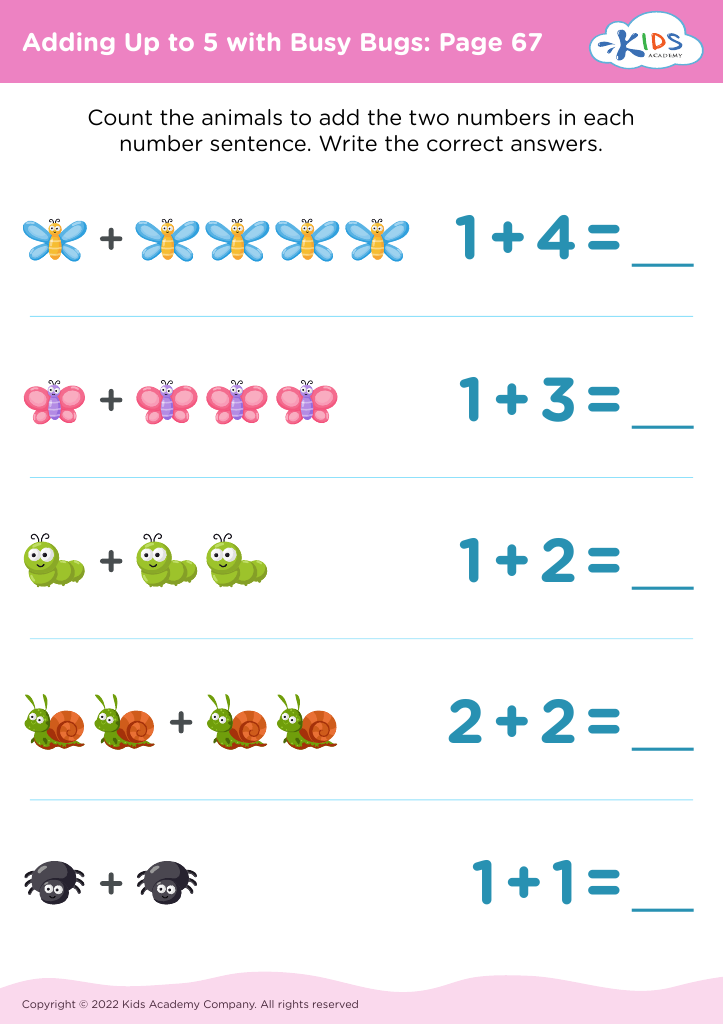
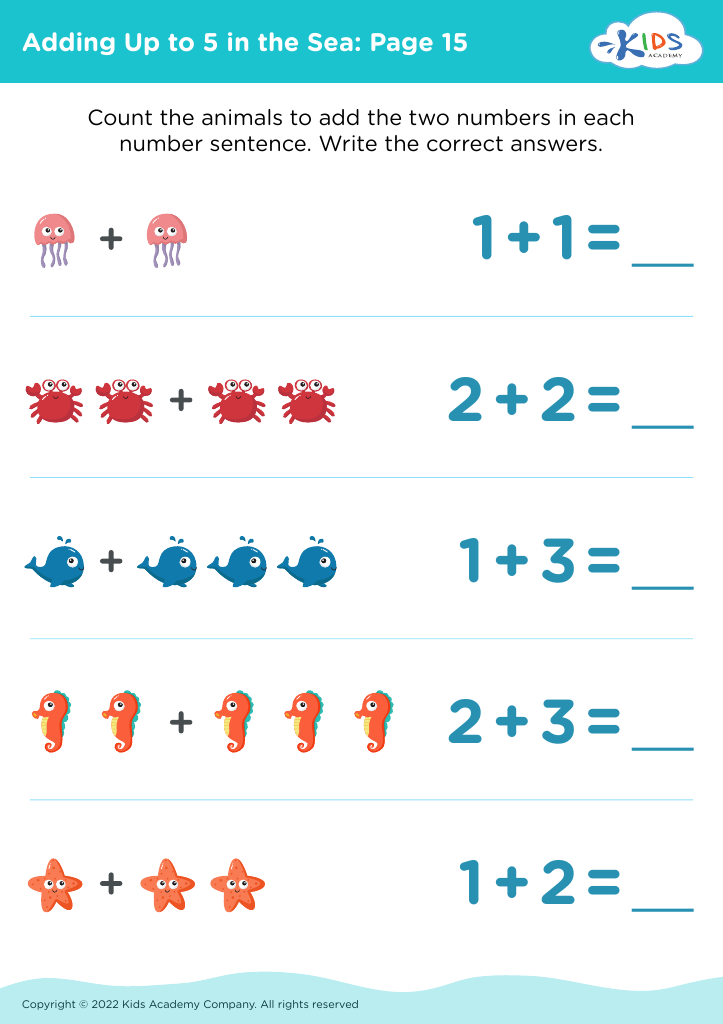
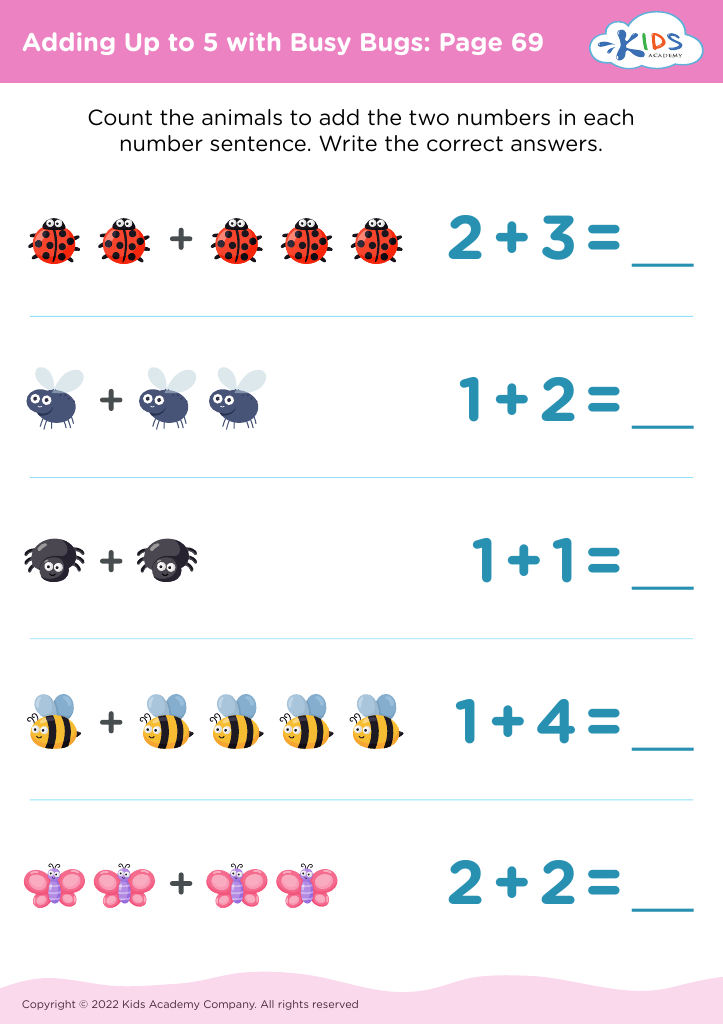
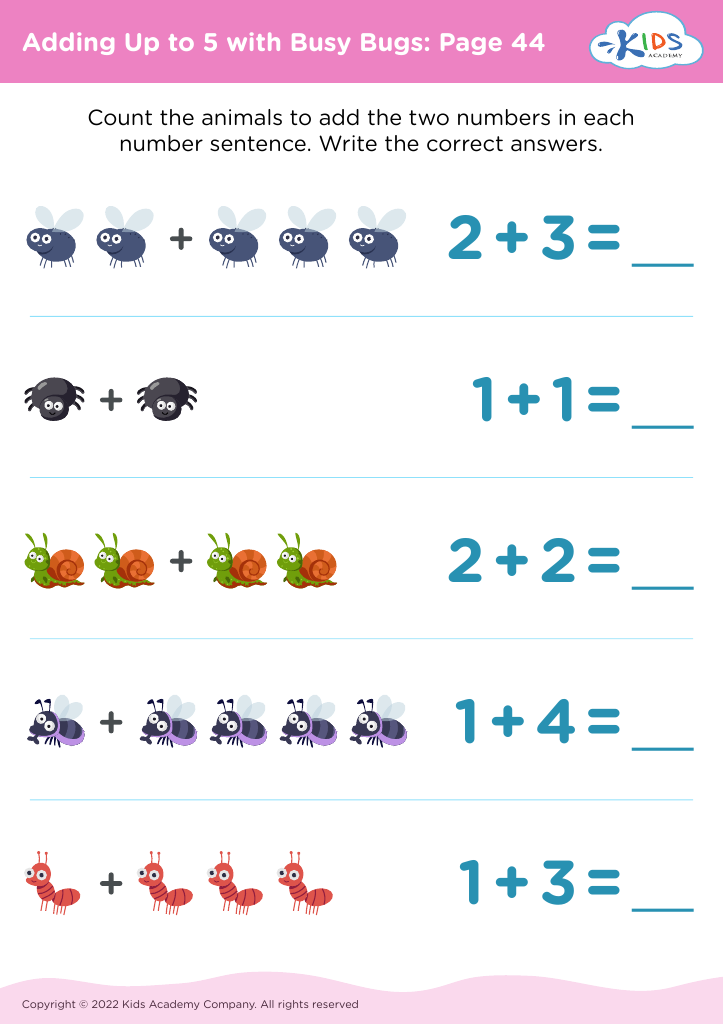
Welcome to our "Improving Concentration Addition Worksheets" tailored specifically for children ages 4-7! These engaging worksheets are designed to bolster your child's focus while developing essential addition skills. Each activity incorporates fun themes and interactive elements to keep kids motivated and excited about learning. From simple problems to fun, colorful puzzles, our worksheets help reinforce math concepts and enhance concentration abilities. Parents and educators can easily incorporate these resources into daily routines, making math enjoyable and effective. Help your child build a strong foundation in addition while sharpening their concentration skills today! Explore our collection and start learning through play!
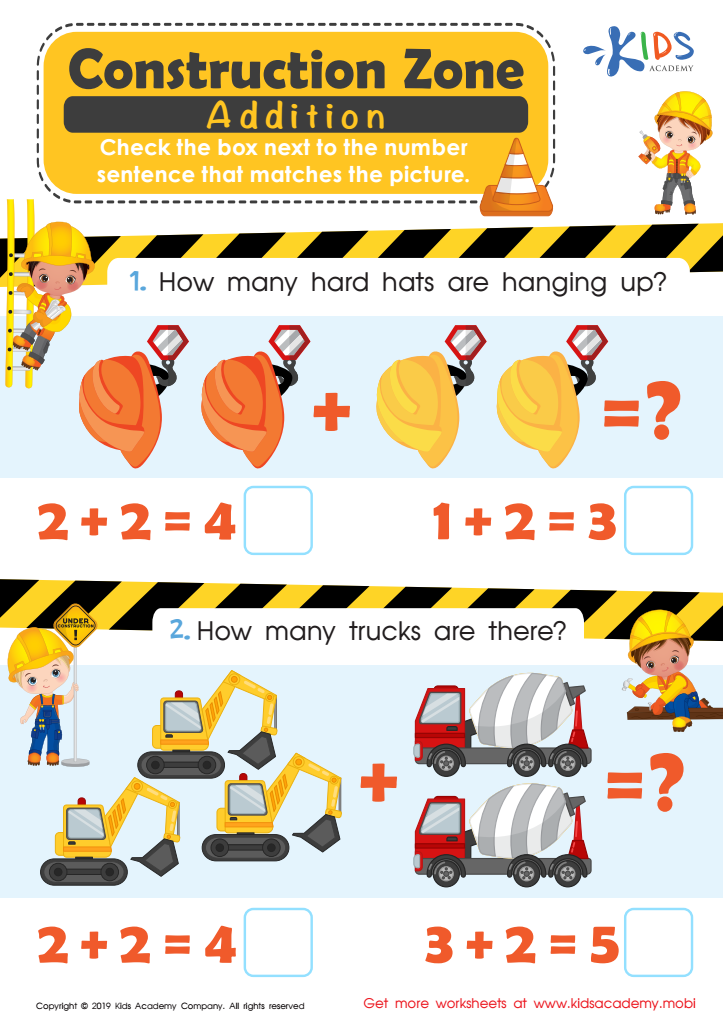
Construction Zone Addition Worksheet
 Assign to My Students








Improving concentration in children aged 4-7 is crucial for their academic and social development. At this age, children are naturally curious, and enhancing their focus can significantly impact their learning outcomes. When parents and teachers prioritize concentration skills, they lay the groundwork for successful learning experiences.
Improved concentration helps children absorb information more effectively during lessons and activities. It allows them to engage meaningfully, which fosters a deeper understanding of concepts like addition. Mastering basic math skills, such as addition, is foundational for future academic success in more complex subjects.
Additionally, enhancing concentration supports emotional and behavioral development. Children who can focus are less likely to become frustrated or distracted, which can lead to better relationships with peers and adults. This improves classroom behavior, as focused children tend to follow directions and complete tasks more efficiently.
Furthermore, developing concentration through fun and engaging activities can also instill a love of learning. Parents and teachers can implement games, storytelling, and hands-on activities to create enjoyable learning environments that promote focus. Ultimately, a commitment to improving concentration yields a lifelong impact, enabling children to become confident, capable learners with a passion for exploration and understanding.








