







Recognizing shapes and mastering addition are fundamental skills for children aged 4-7, forming the building blocks of their math education. First, understanding shapes enhances spatial awareness, critical thinking, and creativity. By recognizing different geometric forms, children develop an ability to categorize and describe the world around them. This plays a crucial role in problem-solving skills and lays the groundwork for more advanced mathematics, including geometry.
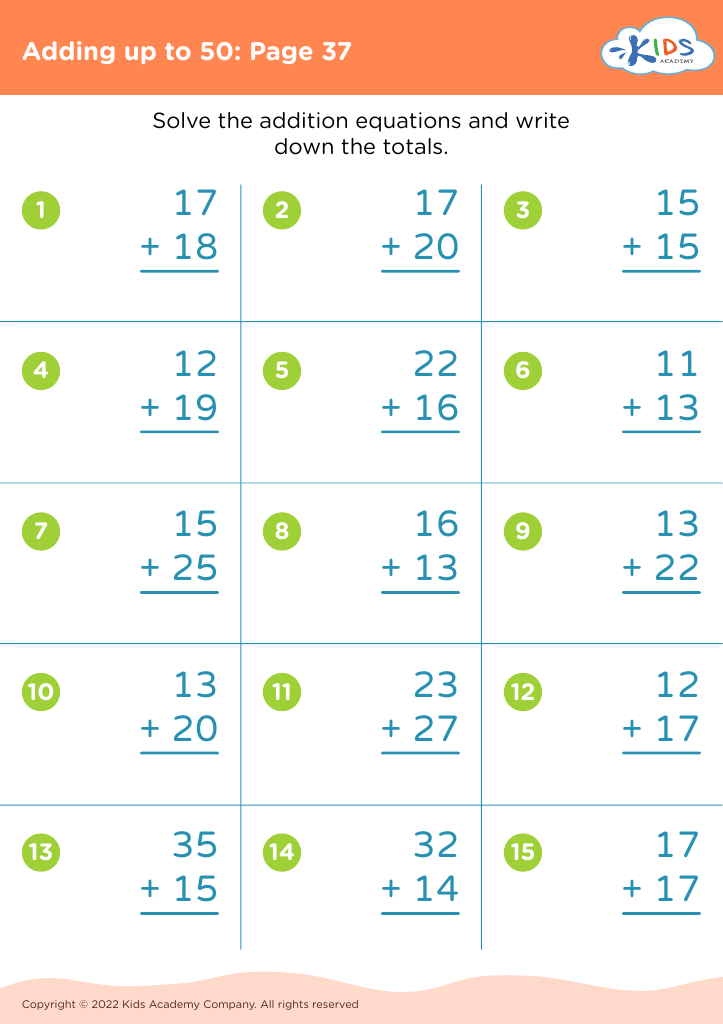
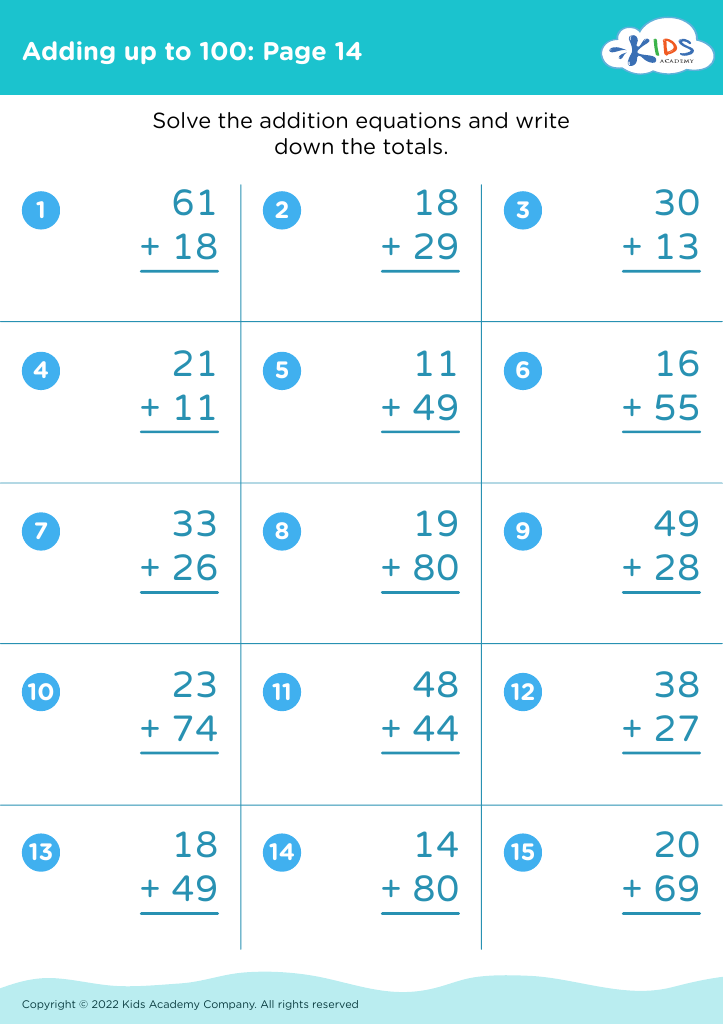
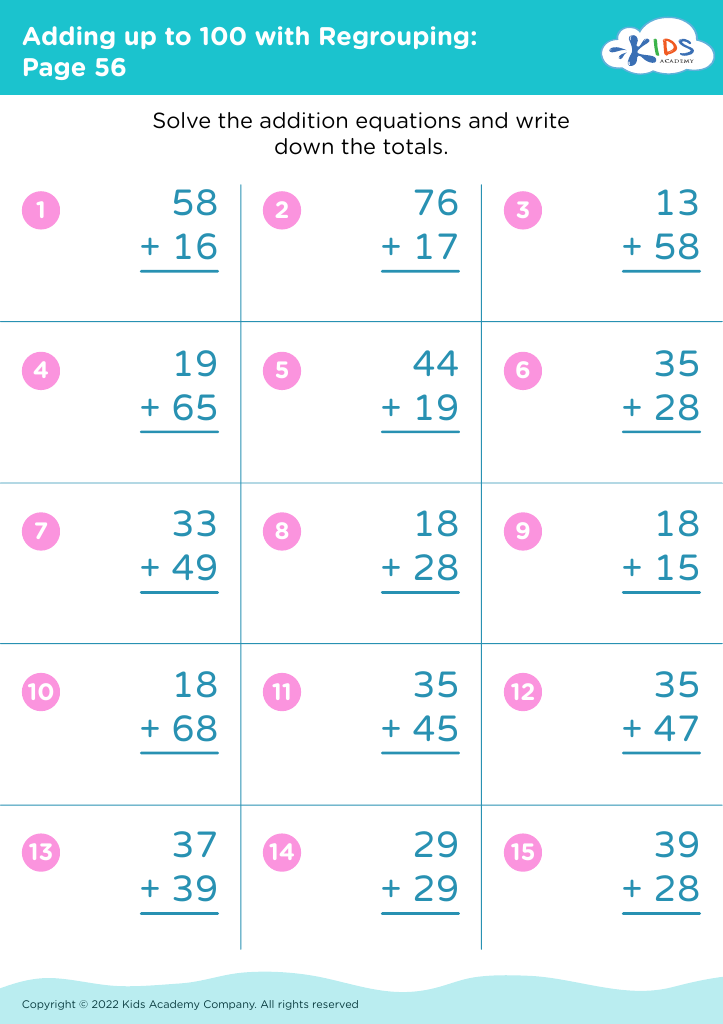
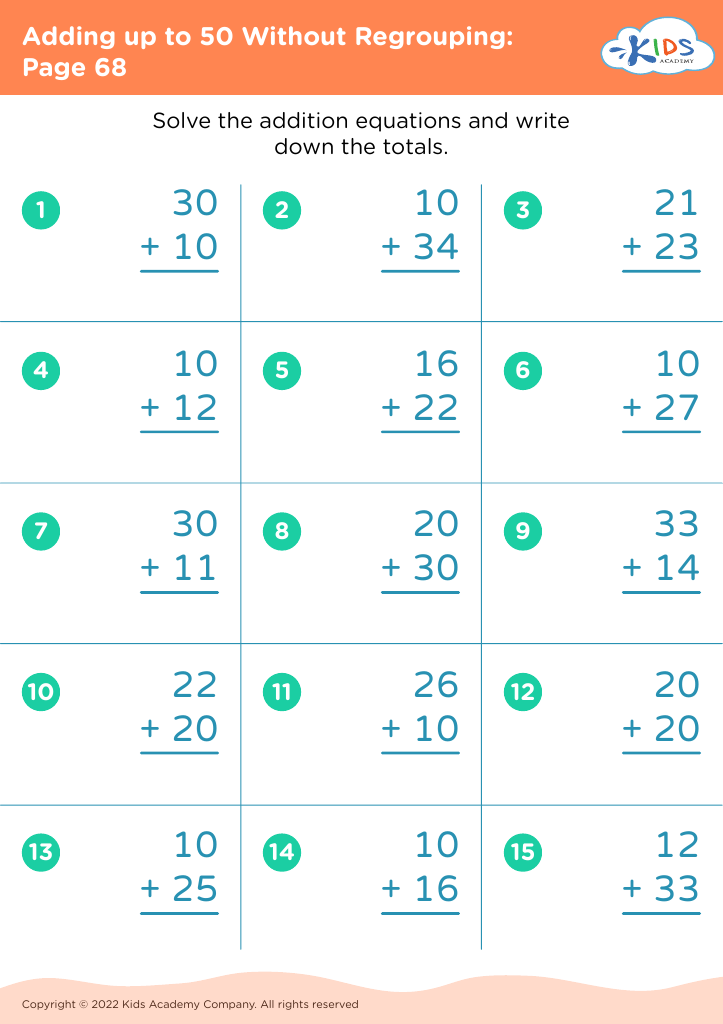
Addition, on the other hand, introduces children to basic arithmetic concepts. It enhances logical thinking, leading to greater cognitive skills. When children learn to add, they start to grasp the idea of quantity, increase their number sense, and build confidence in their ability to handle numbers.
Moreover, these skills are essential for real-life applications. Math is everywhere – from cooking to shopping – and knowing shapes and addition can help children make sense of daily activities. Therefore, parents and teachers play a significant role in creating engaging learning experiences that foster these abilities. By focusing on shape recognition and addition, they can empower children, making mathematics enjoyable and accessible while preparing them for future academic success. Nurturing these skills early on sets the stage for lifelong learning and critical thinking.








