Understanding seasons Addition Worksheets for Ages 4-7
3 filtered results
-
From - To
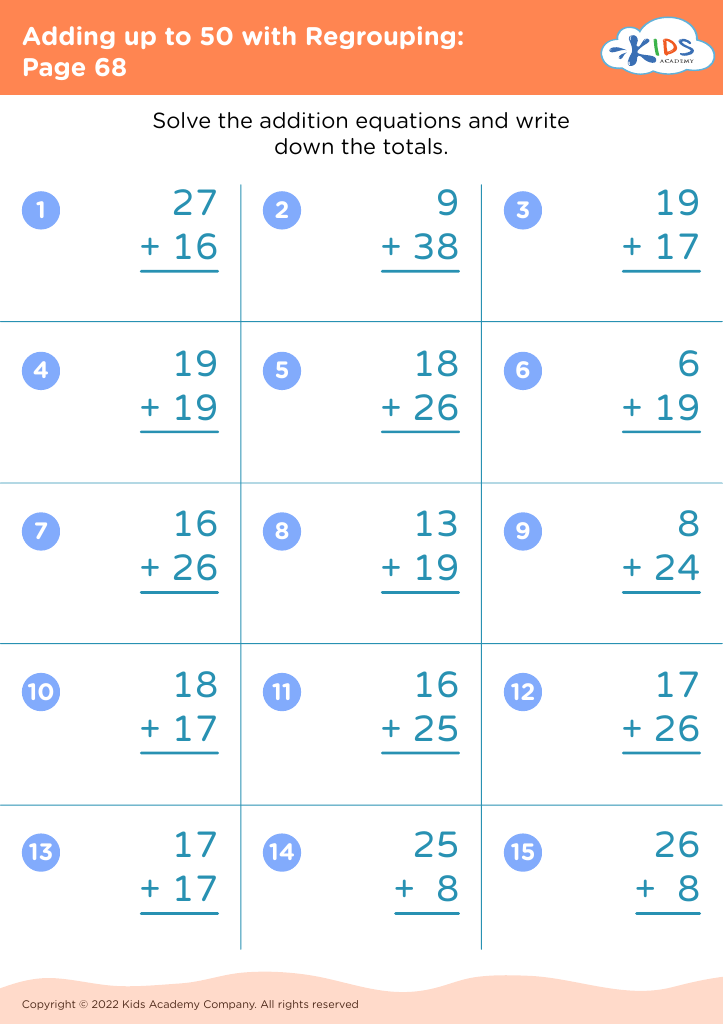
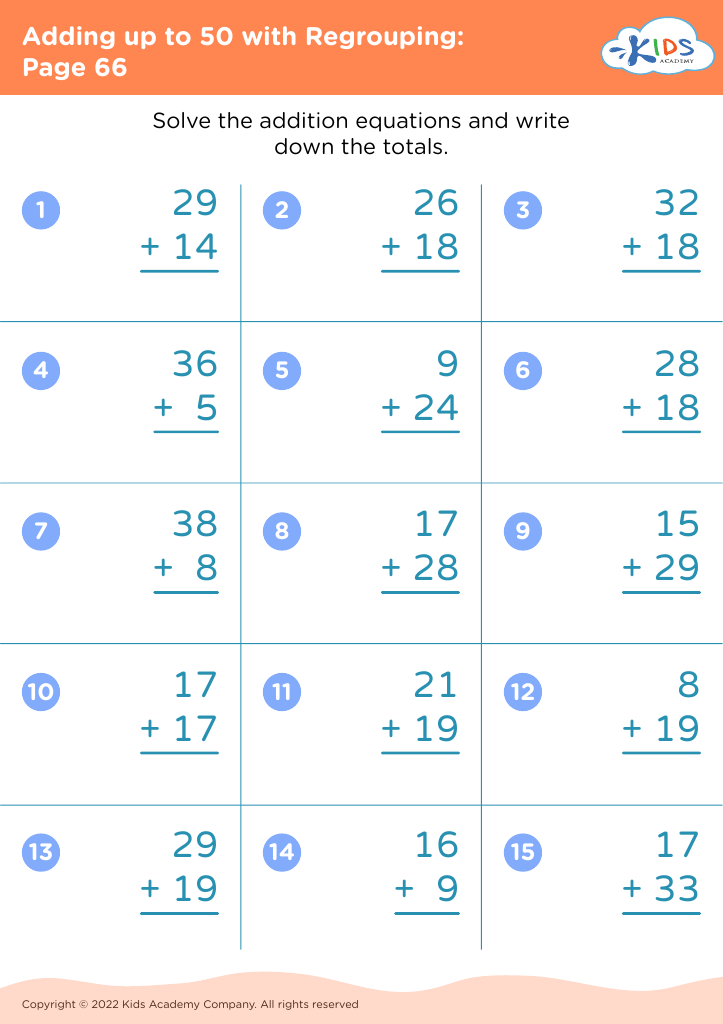
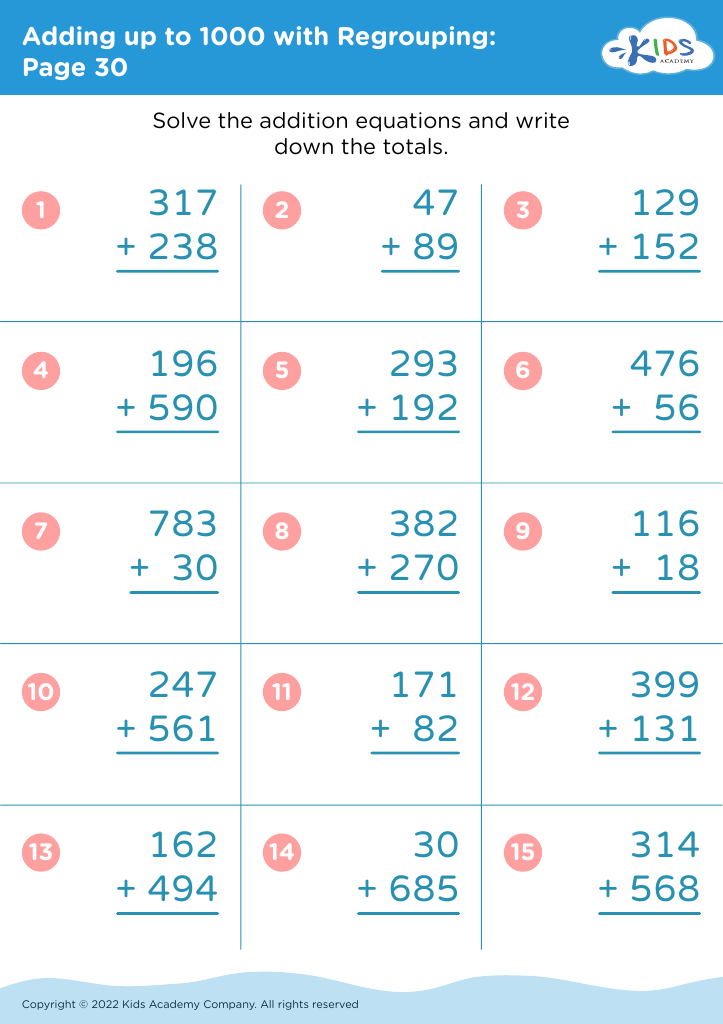
Discover our engaging "Understanding Seasons Addition Worksheets" designed for children aged 4-7! These interactive worksheets make learning addition enjoyable by seamlessly integrating seasonal themes. Kids will connect math skills with seasonal concepts, enhancing their understanding of both mathematics and the world around them. With colorful illustrations and fun, relatable examples, young learners will grasp addition in a playful context. Each worksheet is tailored to encourage critical thinking and problem-solving while reinforcing essential skills. Ideal for home or classroom use, our seasonal addition worksheets provide an encouraging and effective way to build foundational math abilities in young learners. Explore the seasons while adding fun to learning!



.jpg)




Understanding the concept of seasons is crucial for children aged 4-7, as it lays a foundation for their cognitive, emotional, and social development. For parents and teachers, nurturing this understanding goes beyond mere academic success; it fosters a deeper connection to the natural world and enhances children’s observation skills.
Cognitively, learning about seasons helps children recognize patterns and changes in weather, clothing, and activities throughout the year. It offers an opportunity to integrate lessons about math through seasonal counting or measuring, enhancing their addition skills. Engaging in these lessons makes math tangible by relating numbers to real-life experiences, like counting autumn leaves or measuring snowfall.
Emotionally, seasons evoke different feelings and memories, enriching children's understanding of change and growth. Discussing feelings associated with seasons can enhance emotional literacy, allowing children to express their thoughts.
Furthermore, experiential learning outside the classroom—such as nature walks—encourages social skills as children collaborate and communicate with peers. This holistic approach not only reinforces academic concepts but also fosters respectful interactions and an appreciation for the environment, ultimately equipping children with essential life skills. Hence, understanding seasons is essential for both parents and teachers aiming to nurture well-rounded learners.








