
Basic Math Skills Comparing Numbers Worksheets for Ages 4-7
7 filtered results
Difficulty Level
Grade
Age
-
From - To
Subject
Activity
Standards
Unlock your child's potential with our engaging "Comparing Numbers Worksheets" designed for ages 4-7! These worksheets introduce foundational math skills essential for early learners, helping them master the concepts of greater than, less than, and equal to. Through colorful illustrations and interactive exercises, kids will enjoy practicing their number comparison skills in a fun and educational way. Ideal for teachers and parents alike, our resources are perfect for reinforcing classroom lessons or as supplementary home activities. Promote confidence and number sense in your little ones with our easy-to-use worksheets, making math a delightful learning adventure!
Favorites
With answer key
Interactive
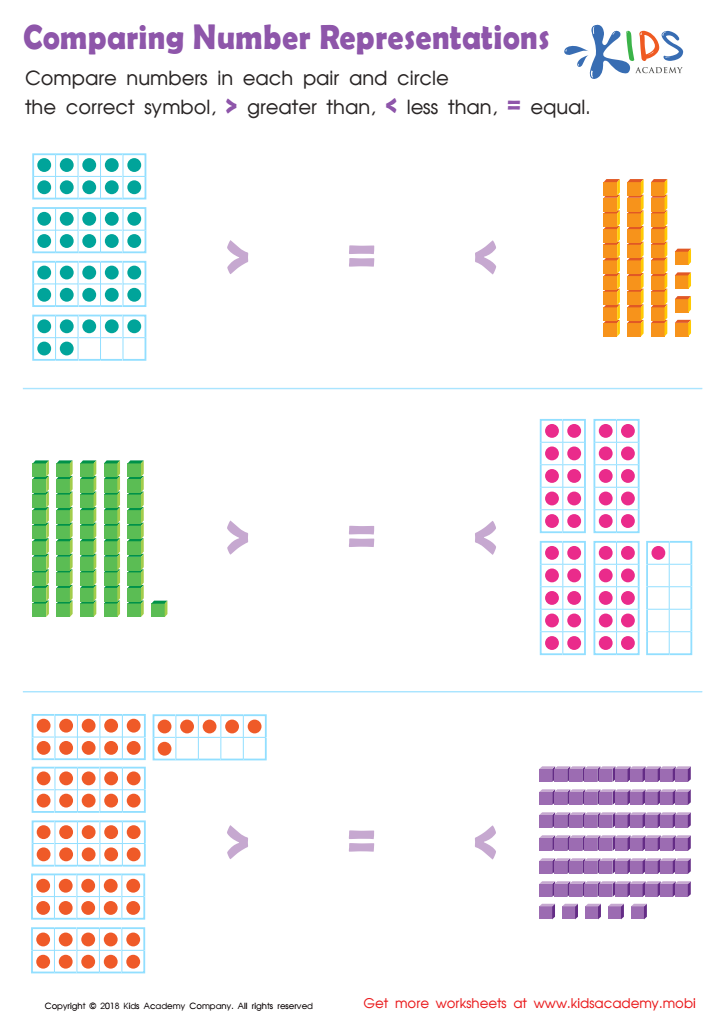
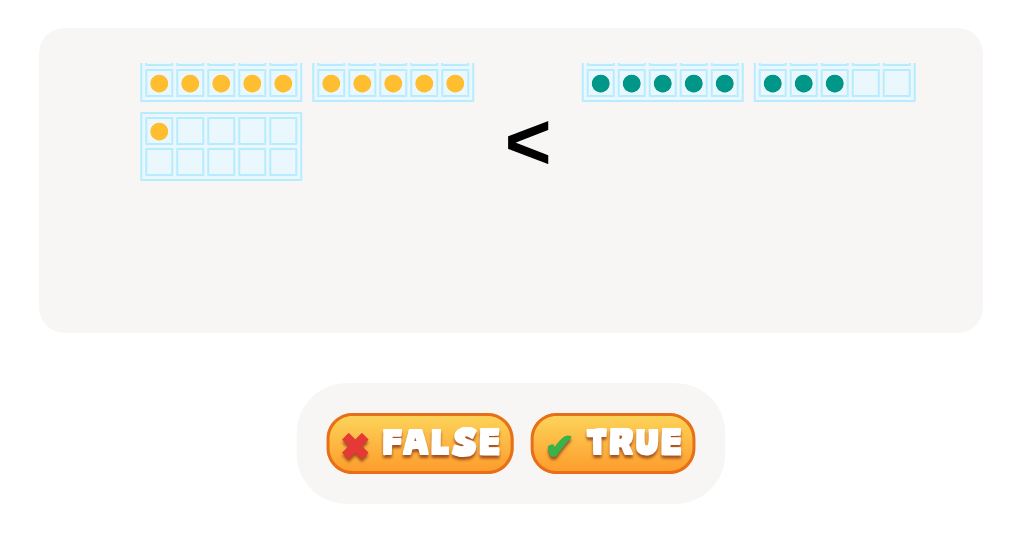
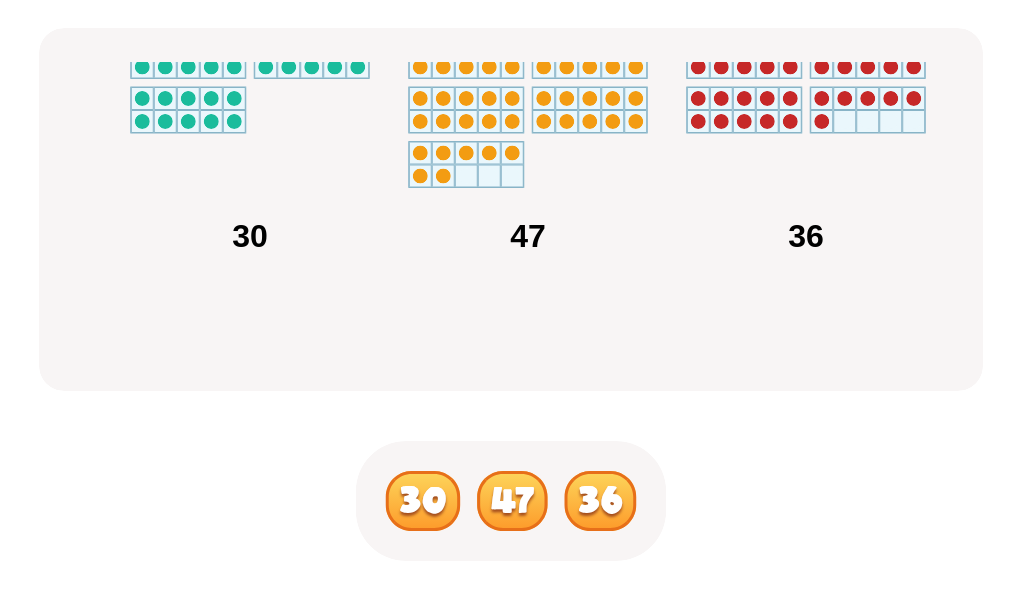
Comparing Number Representations Worksheet
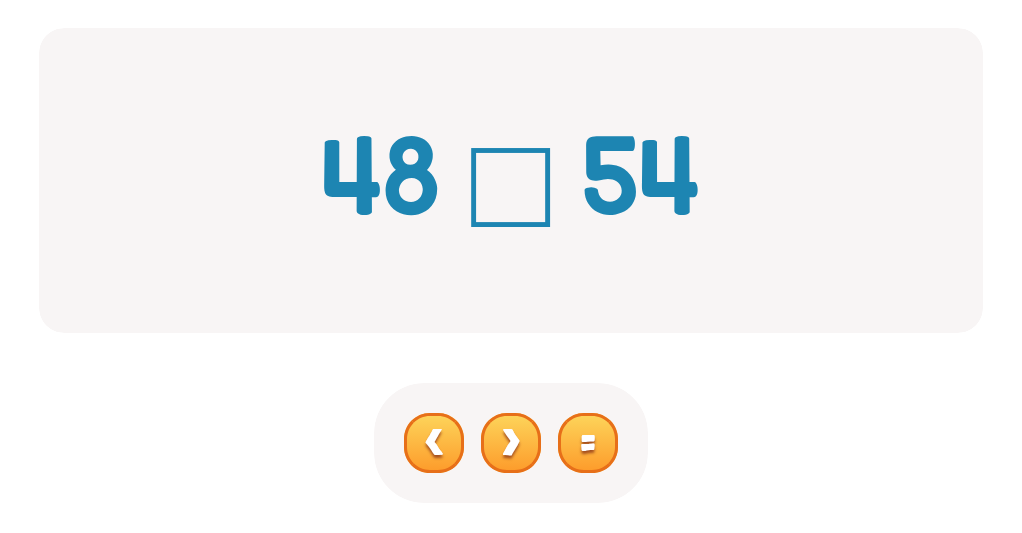
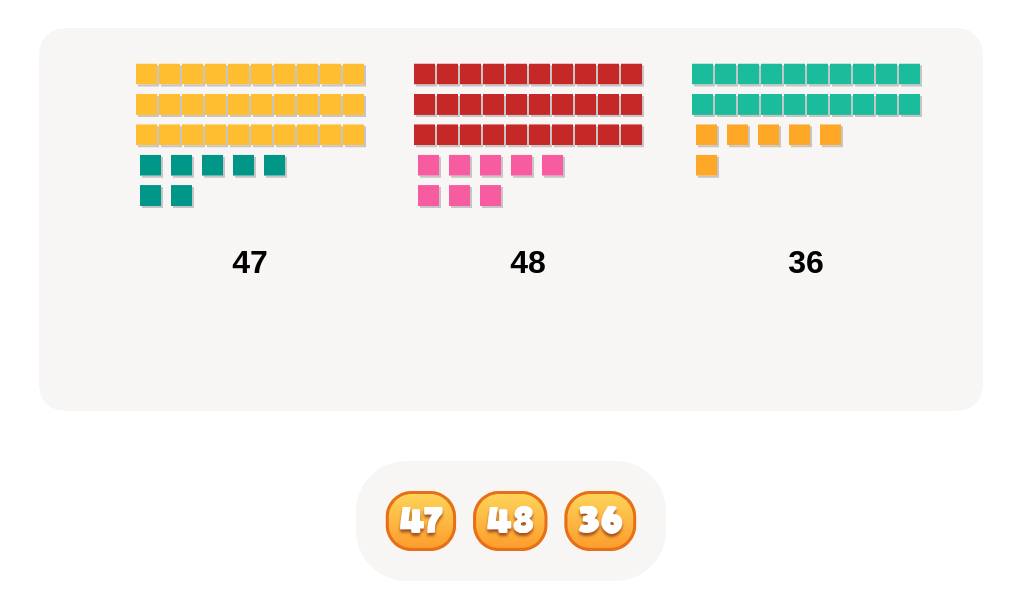
Children need number representation skills to develop efficient computation and number sense. This free worksheet gives them practice with ten frames and place value blocks. They compare numbers and select the right comparative symbol: <, > or =. This helps them build a solid foundation for math.
 Assign to My Students
Comparing Number Representations Worksheet
Worksheet
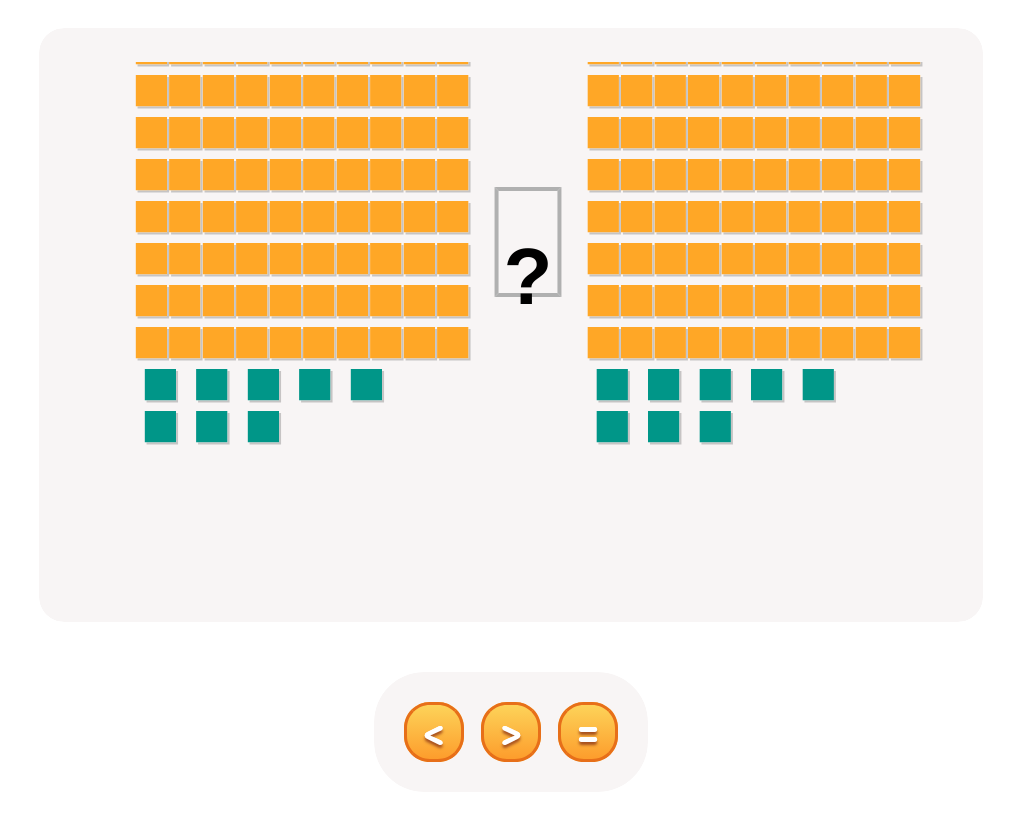

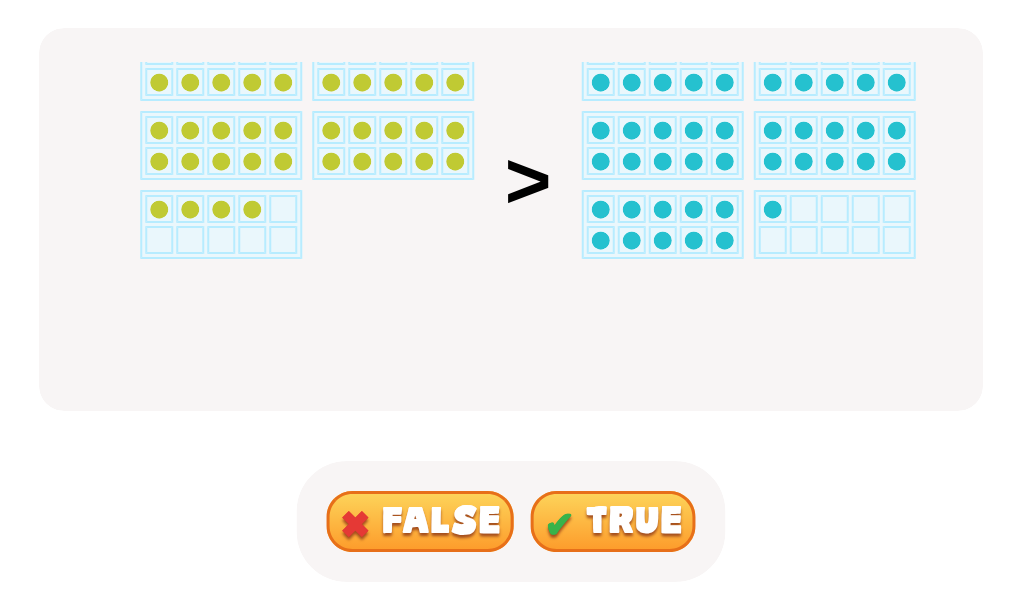
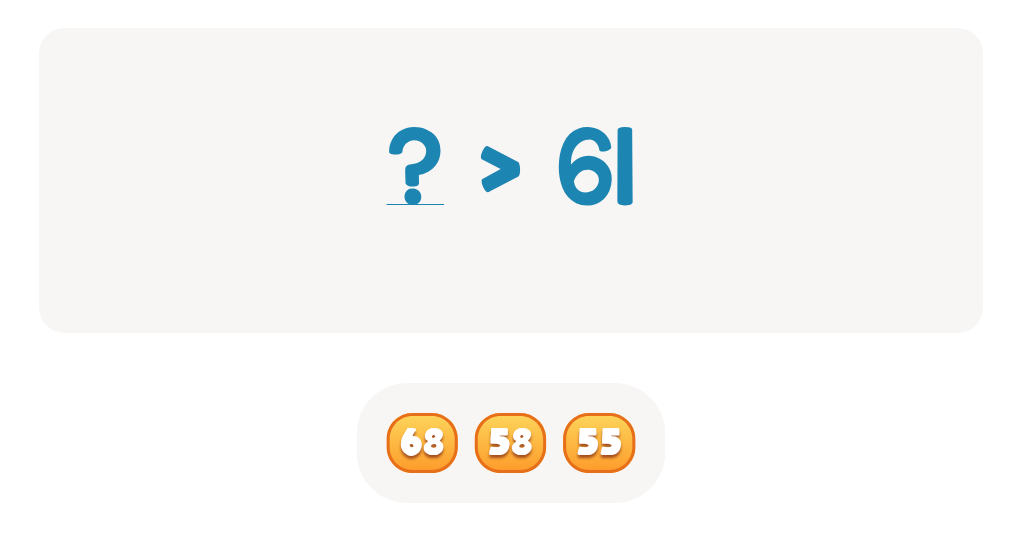
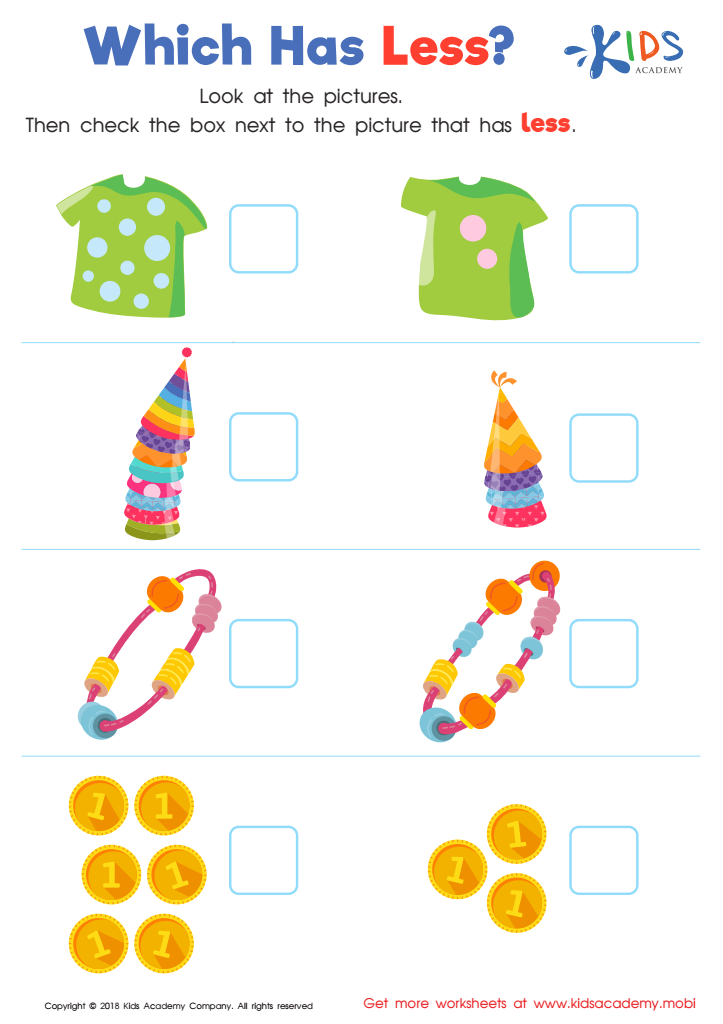
Which Has Less? Worksheet
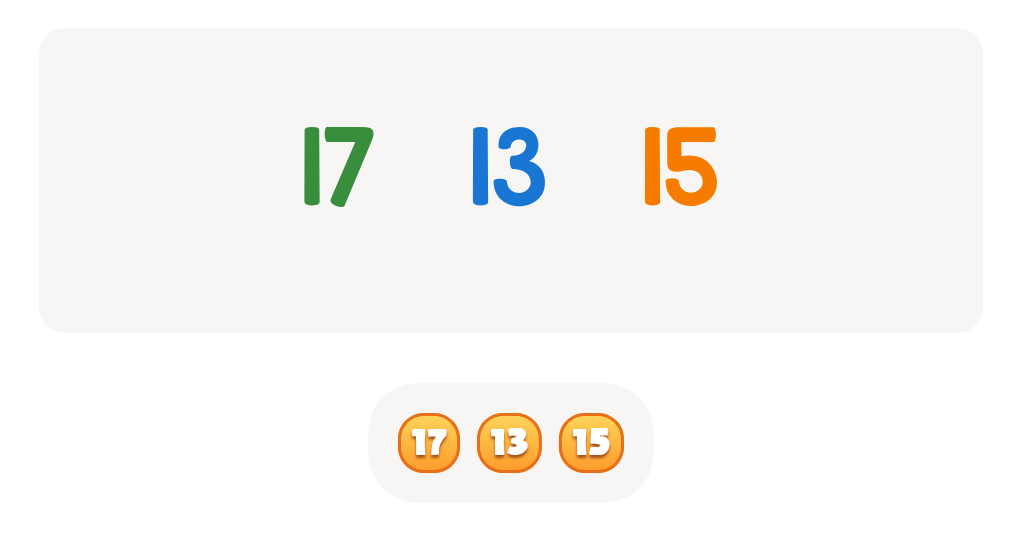
Kids can develop their number sense by comparing and contrasting objects to identify which has less. This worksheet helps them practice: it's bright and colorful, featuring familiar objects and pictures to count, strengthening basic counting skills. It's the perfect warm-up for comparing and contrasting larger numbers.
Which Has Less? Worksheet
Worksheet
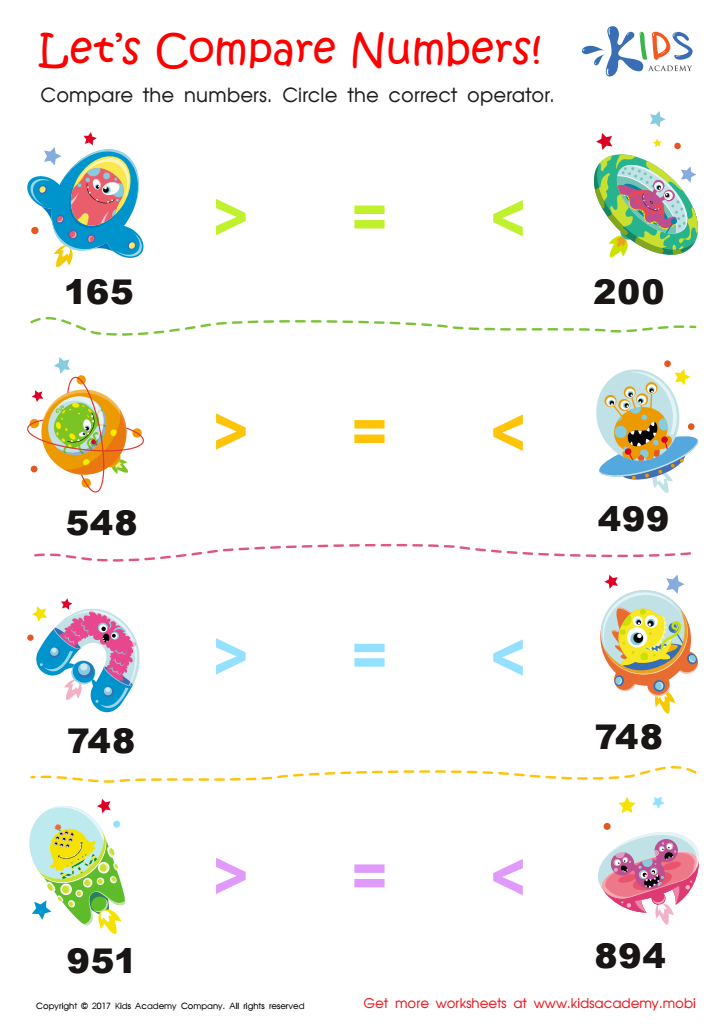
Comparing Numbers Worksheet for 2nd Grade
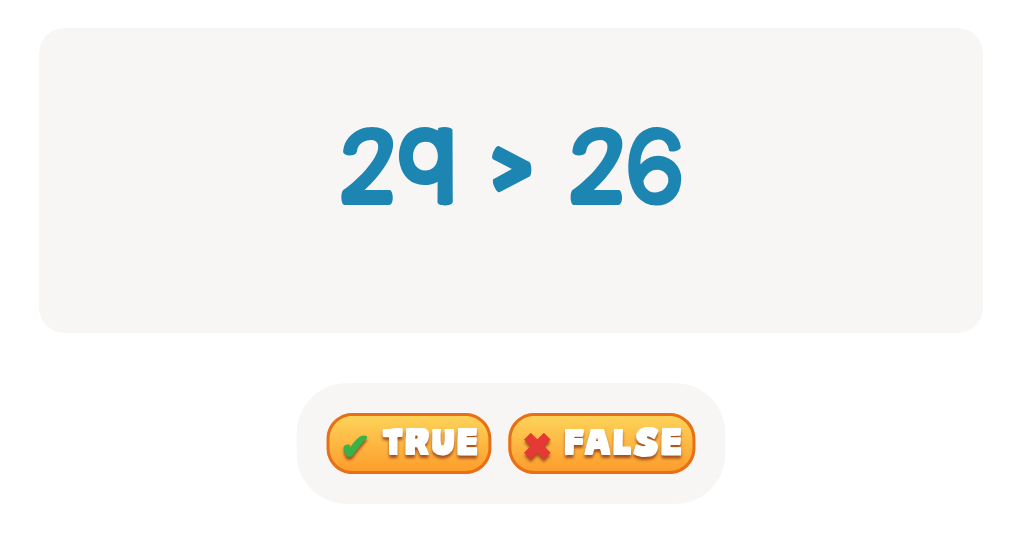
Alien friends are back to help your child learn to compare numbers using >, < and = symbols. This 2nd grade worksheet will challenge them with larger numbers!
Comparing Numbers Worksheet for 2nd Grade
Worksheet
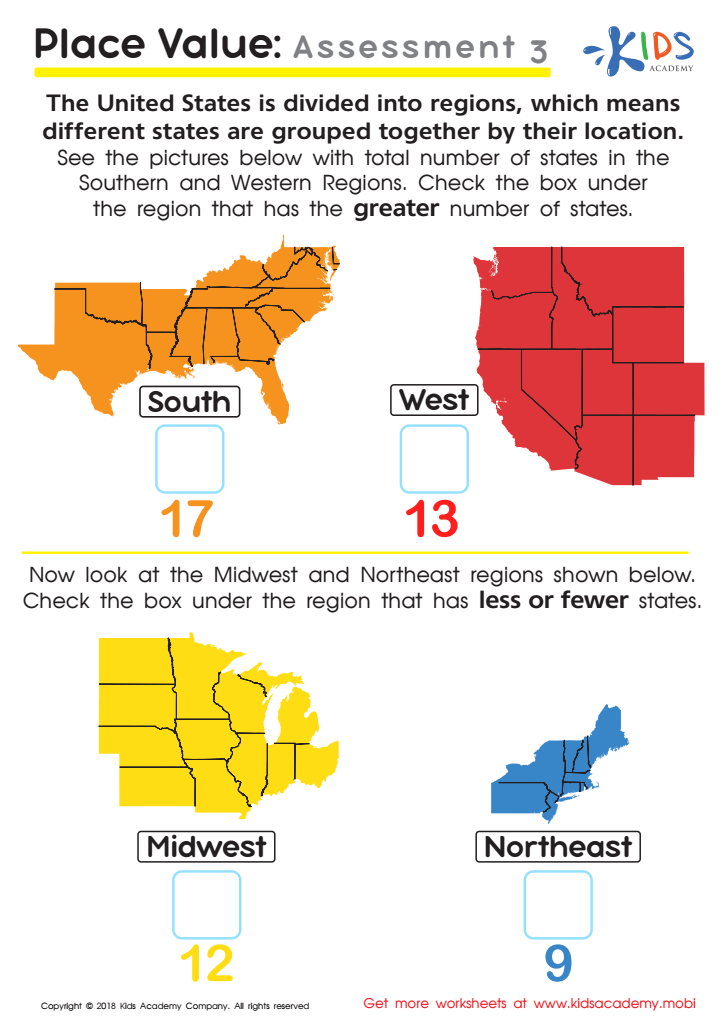
Place Value: Assessment 3 Worksheet
Test your child's math skills without them realizing it! This fun worksheet looks at the states and regions of the U.S. and your child can compare numbers greater or lesser than the other. It's the perfect way to assess your child's number sense without them knowing.
Place Value: Assessment 3 Worksheet
Worksheet
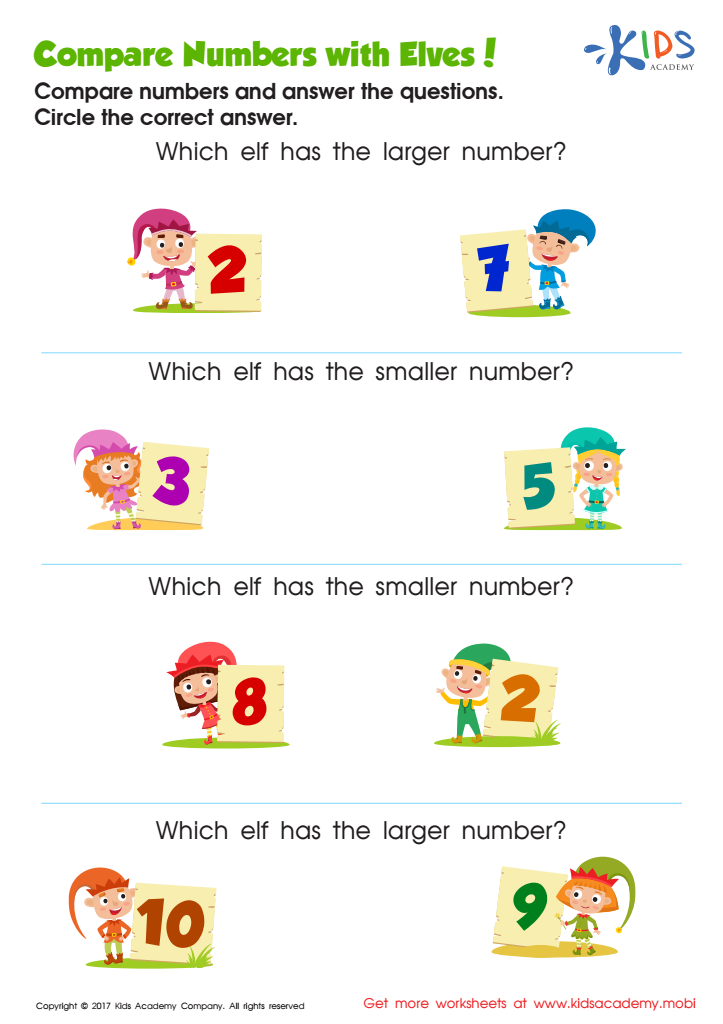
Comparing Numbers Worksheet for Kindergarten
Your child will love helping Santa's elves compare numbers with this fun worksheet for kindergarten! They must determine which number is bigger or smaller then circle the answer. It's a great activity for Christmas or any time!
Comparing Numbers Worksheet for Kindergarten
Worksheet
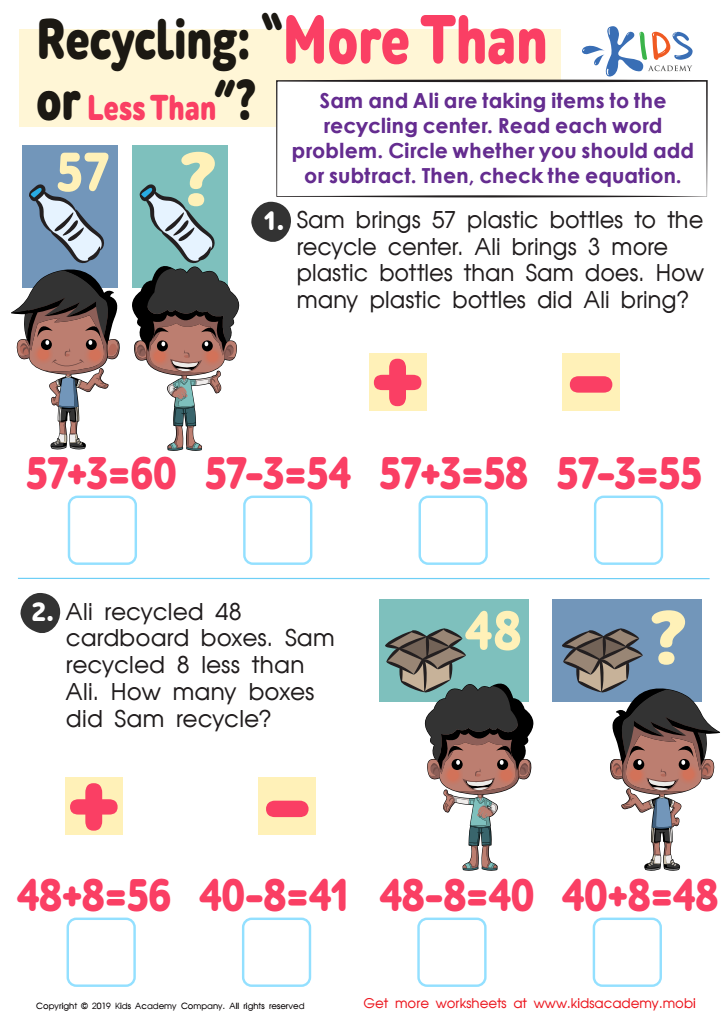
Recycling - More or Less Worksheet
Your child can compare numbers and solve word problems with this free worksheet. Help them understand what's being asked as Sam and Ali take items to the recycling center. They can choose the correct equation to match the word problem and apply their skills in reading and pulling out the appropriate information.
Recycling - More or Less Worksheet
Worksheet
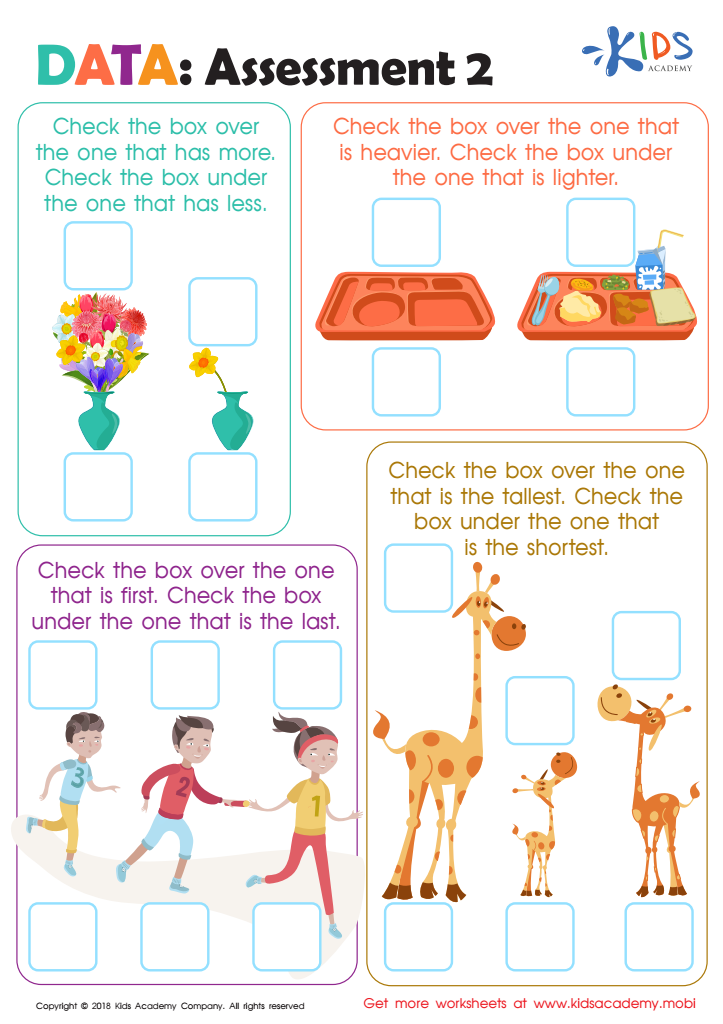
Data: Assessment 2 Worksheet
This printable worksheet tests students' understanding of words related to quantity and measurement, such as "more", "less", "heavy", "light", "first", "last", "tall", and "short". It helps children compare and contrast when solving measurement problems. Ideal for math classes, it encourages students to gain the essential skills needed in subjects like math, science, and reading.
Data: Assessment 2 Worksheet
Worksheet
Join Kids Academy for Free
Who is primarily going to use this learning content?








Parents and teachers play a crucial role in nurturing basic math skills, particularly in comparing numbers for children aged 4-7. At this developmental stage, children are building foundational cognitive abilities that will influence their future learning in mathematics and other subjects. Understanding how to compare numbers helps children develop essential skills such as critical thinking and problem-solving.
When children learn to compare numbers, they begin to grasp the concepts of 'greater than,' 'less than,' and 'equal to.' These concepts not only enhance their mathematical understanding but also improve their reasoning skills, enabling them to make decisions based on comparisons in various contexts, from measuring ingredients for a recipe to making choices in everyday situations.
Furthermore, fostering these skills early on instills confidence and a positive attitude toward math. This can combat math anxiety later in their educational journey. Encouraging practice through games, activities, and real-life applications helps cement these concepts, making learning enjoyable. Parents and teachers who invest time in teaching number comparisons help cultivate a solid math foundation for children, setting them up for future academic success and a lifelong appreciation of mathematics. By focusing on these skills, adults can significantly impact children's learning trajectories.








