Developing math skills Numbers Worksheets for Ages 4-7
6 filtered results
-
From - To
Enhance your child's early math understanding with our engaging "Developing Math Skills: Numbers Worksheets for Ages 4-7." Designed to make learning fun, these worksheets offer a variety of hands-on activities that help young learners grasp essential number concepts. From counting and number recognition to simple addition and subtraction, each interactive sheet fosters confidence and critical thinking. Our visually appealing resources cater to diverse learning styles, ensuring every child can thrive. Perfect for home or classroom use, these worksheets will provide your child with the foundational skills needed for future success in mathematics. Start building a strong math foundation today!
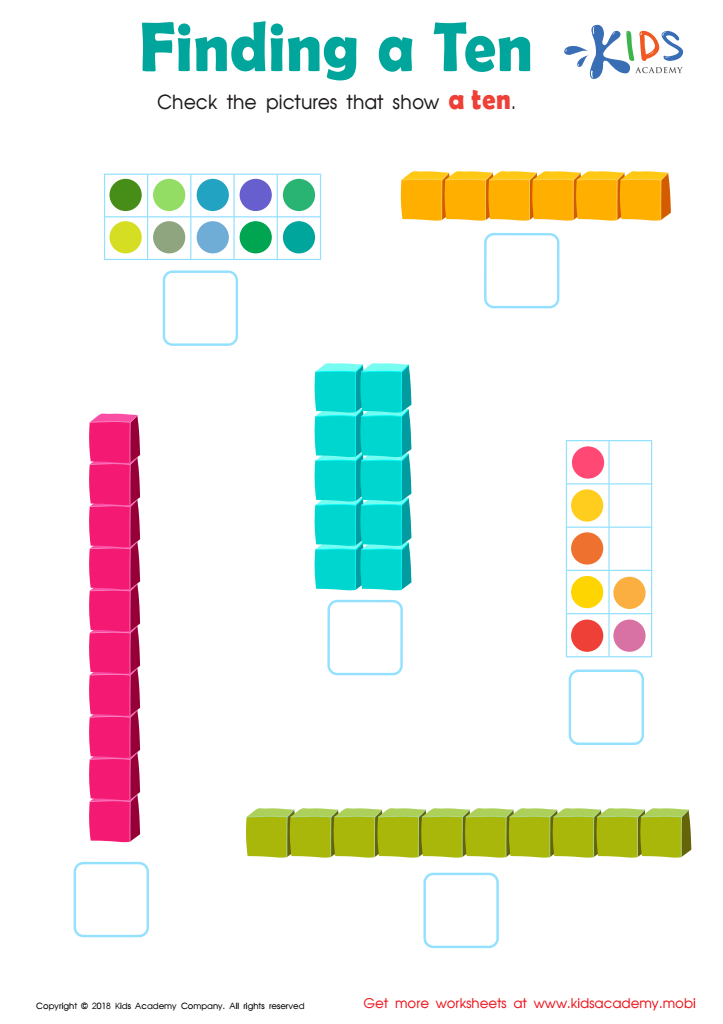
Finding a Ten Worksheet
 Assign to My Students
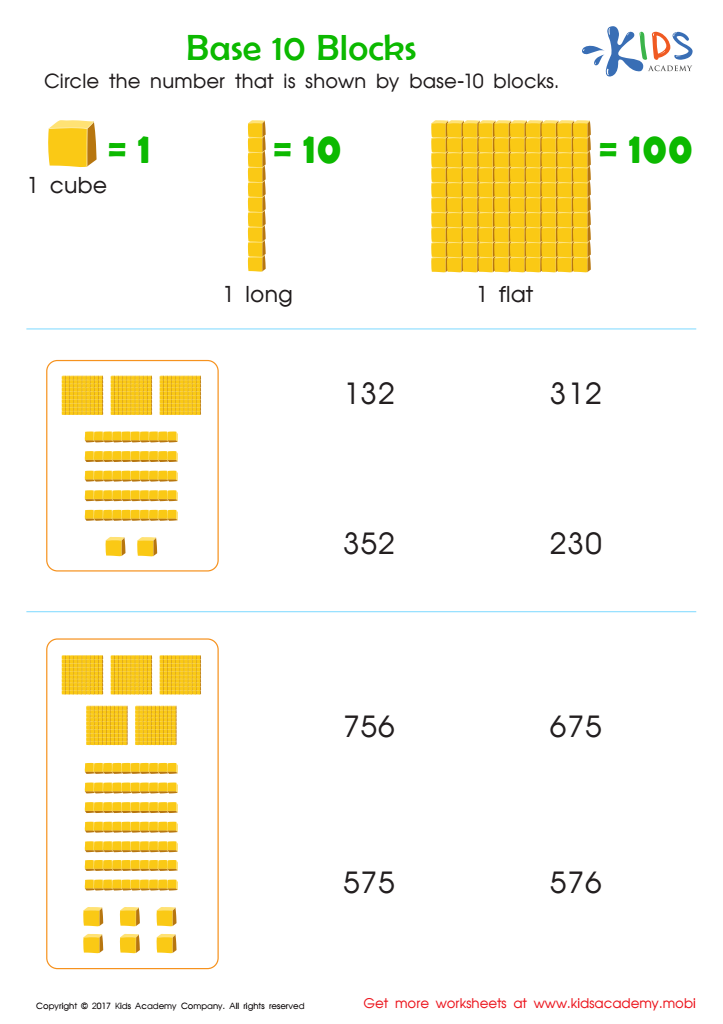
Base Ten Blocks Worksheet
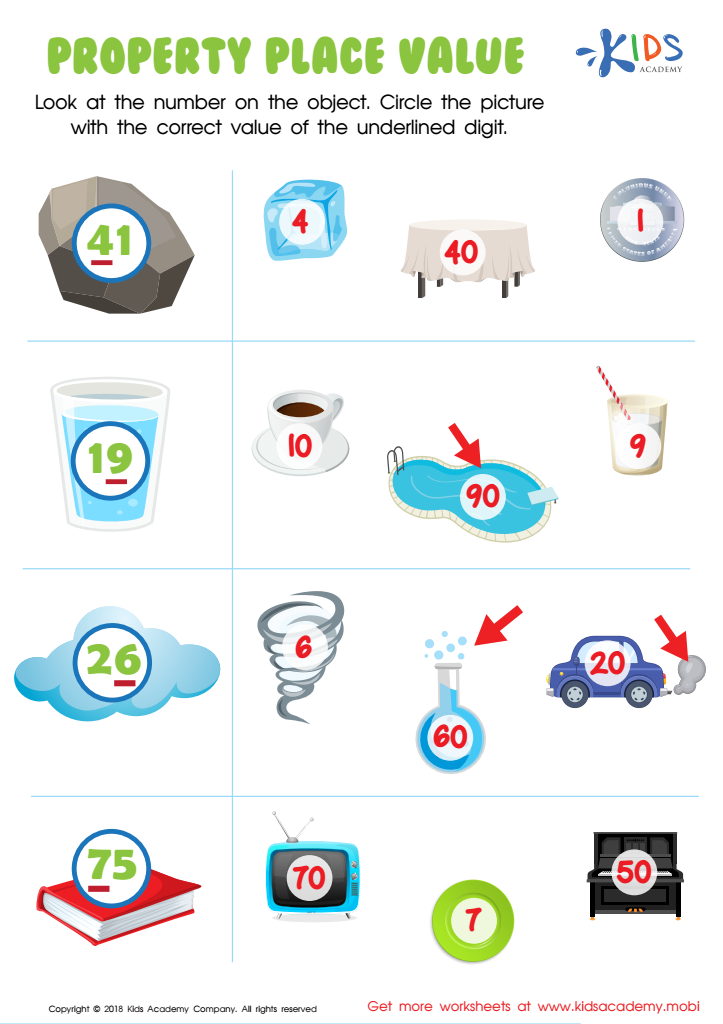
Property Place Value Worksheet
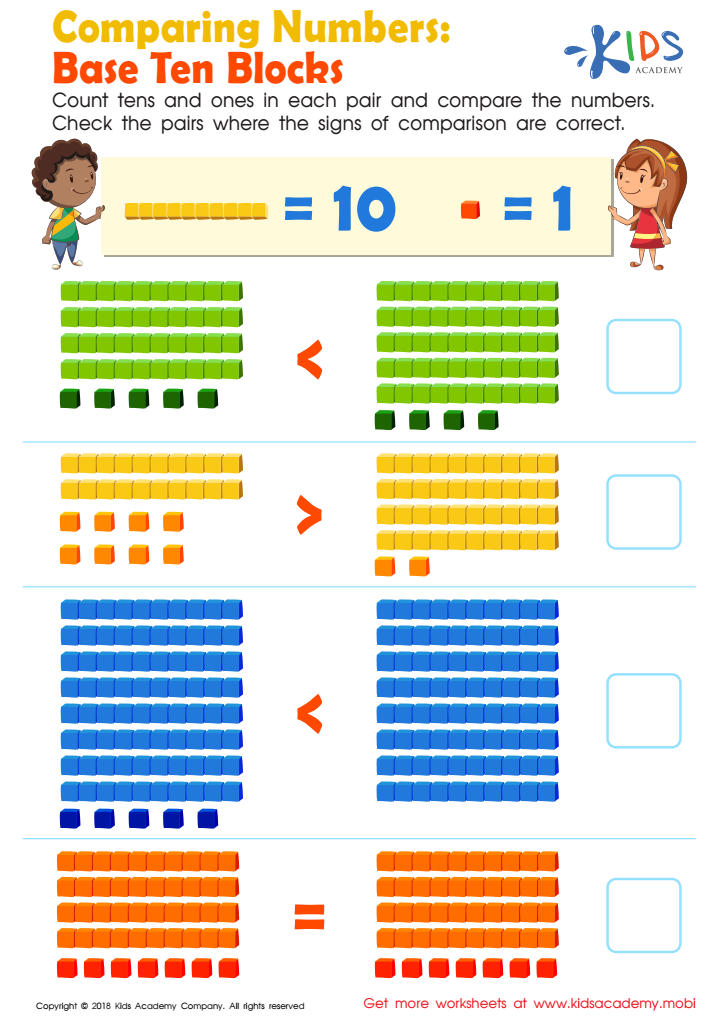
Comparing Numbers: Base Ten Blocks Worksheet
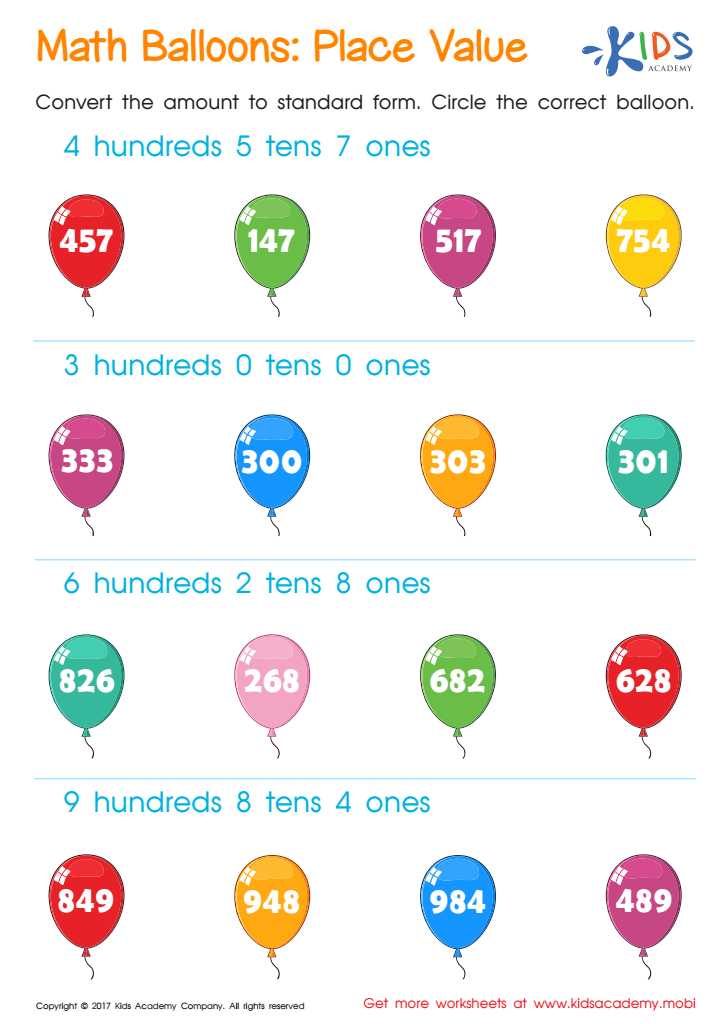
Place Value Printable Worksheet
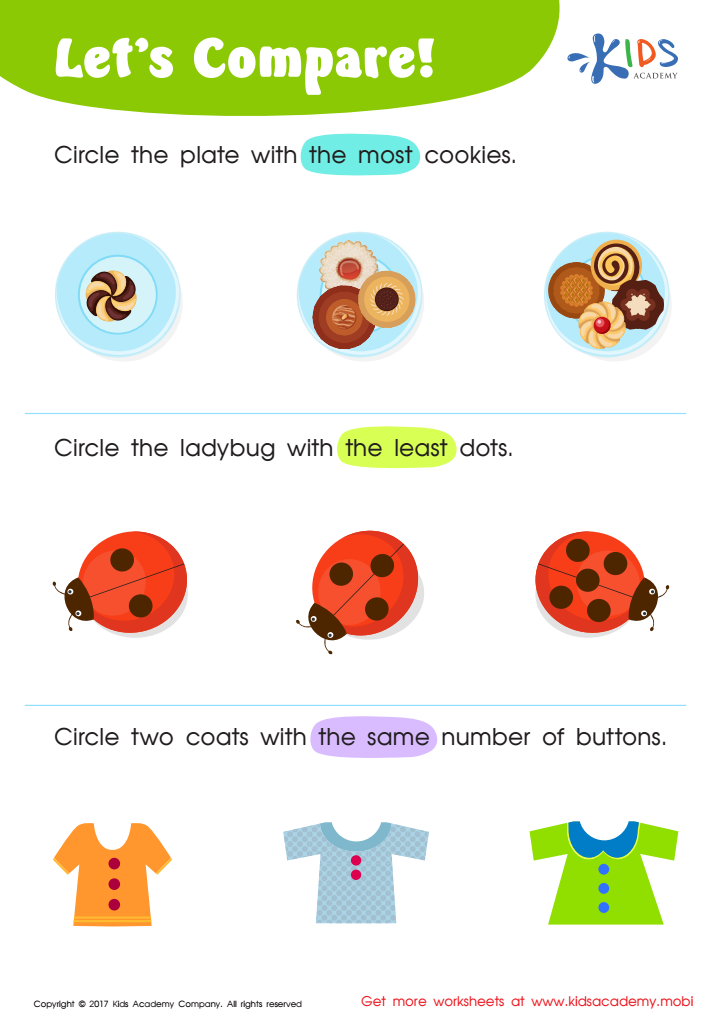
Matching: Classifying Toys by Size Worksheet



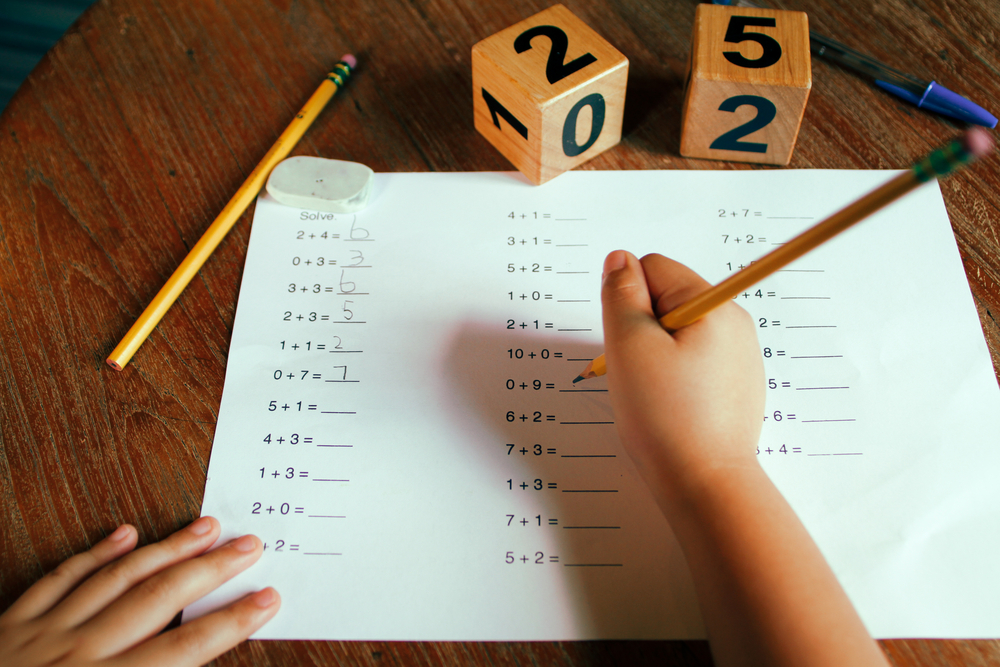




Developing math skills in children aged 4-7 is crucial for their overall cognitive development and future academic success. At this young age, children are in a critical learning phase, where foundational concepts can greatly influence their attitudes toward math later in life. Understanding numbers and basic math operations like addition and subtraction not only prepares them for more advanced mathematical concepts but also enhances their problem-solving and critical-thinking abilities.
Moreover, early math experiences lay the groundwork for important life skills, such as logical reasoning and spatial awareness. As children engage with numbers through games, counting activities, and everyday scenarios, they learn to associate mathematical concepts with real-life situations, making math more relatable and enjoyable. This positive experience is essential for building their confidence in their abilities to tackle more complex math challenges in the future.
Additionally, research indicates that strong early math skills are linked to greater success in school and can help address achievement gaps as children progress through their education. By prioritizing math development during these formative years, parents and teachers can foster a love for learning, ensuring that children not only excel in mathematics but also see it as a fun and integral part of their lives.








