Color differentiation Math Worksheets for Ages 4-7
5 filtered results
-
From - To
Unlock your child's creativity with our engaging Color Differentiation Math Worksheets, specifically designed for ages 4-7. These fun and interactive activities help young learners develop essential skills in recognizing and distinguishing colors while seamlessly integrating foundational math concepts. Kids will enjoy identifying various colors, counting colorful objects, and completing vibrant exercises that stimulate critical thinking. Our user-friendly worksheets provide clear instructions and colorful illustrations, making learning enjoyable and effective. Perfect for home or classroom use, these worksheets foster a love for learning through play, enhance cognitive abilities, and build a strong foundation in both math and color recognition. Start your child's educational journey today!
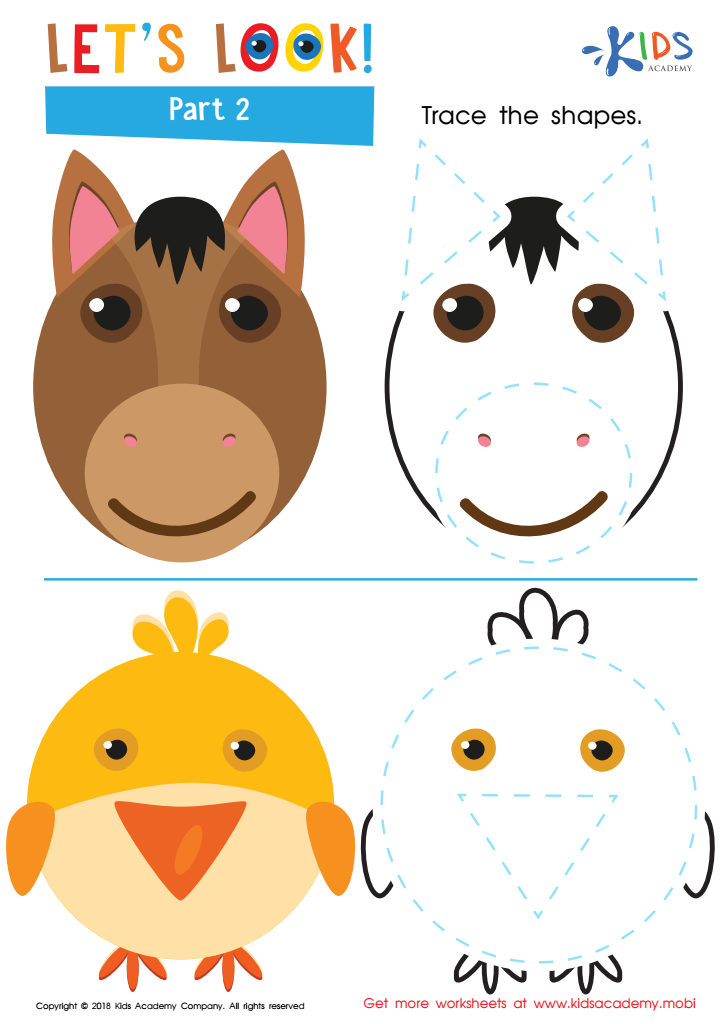
Let's Look! Part 2 Worksheet
 Assign to My Students
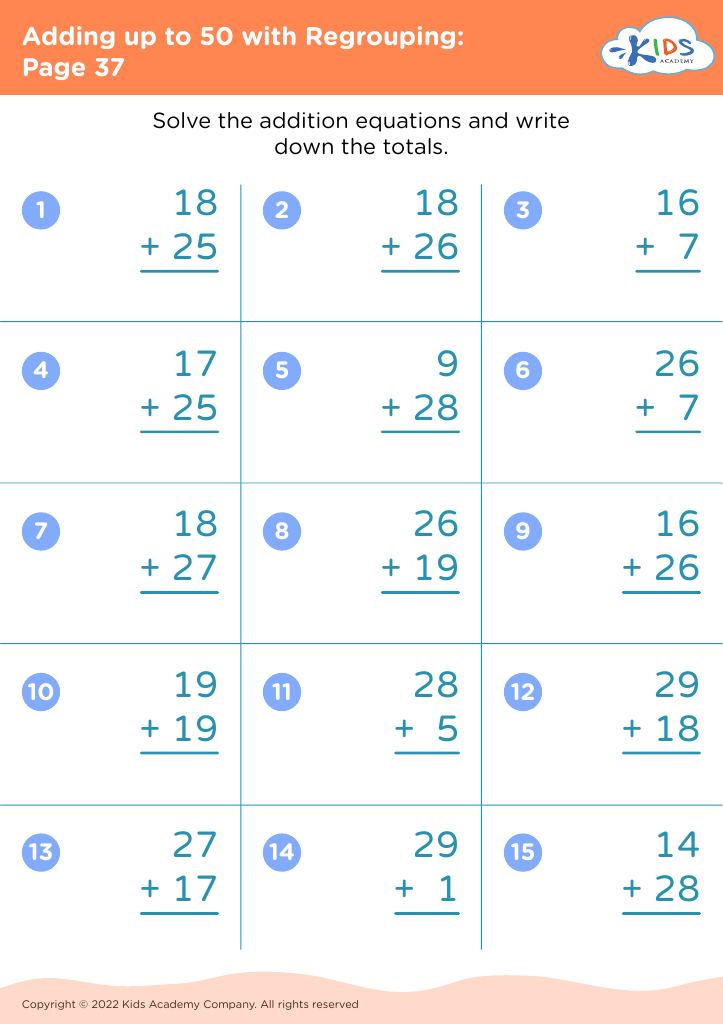
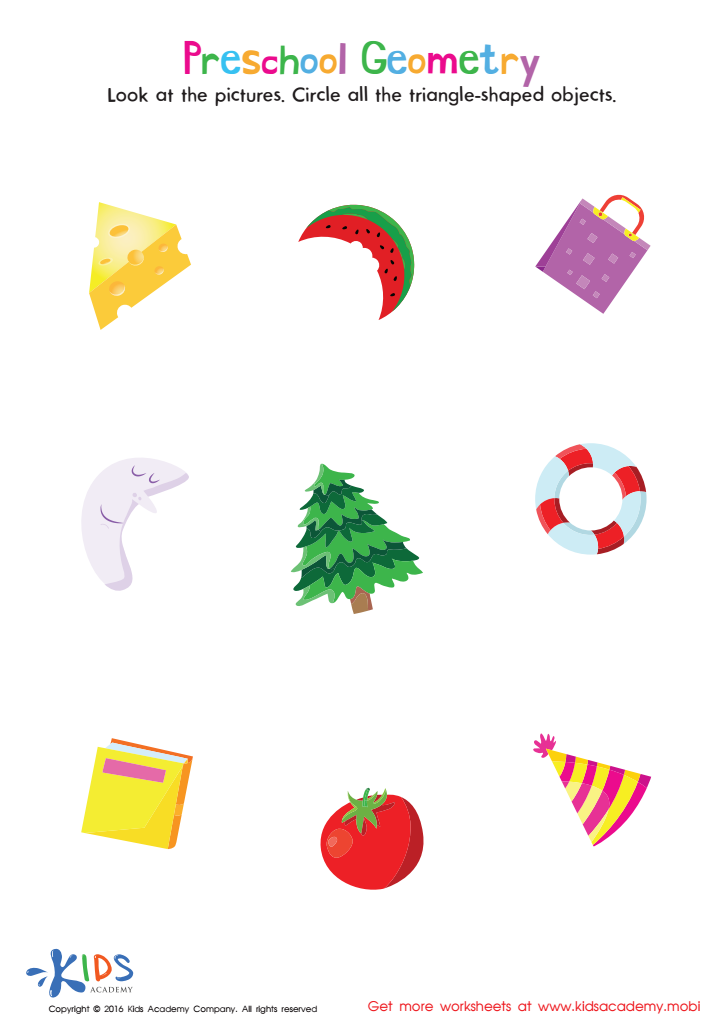
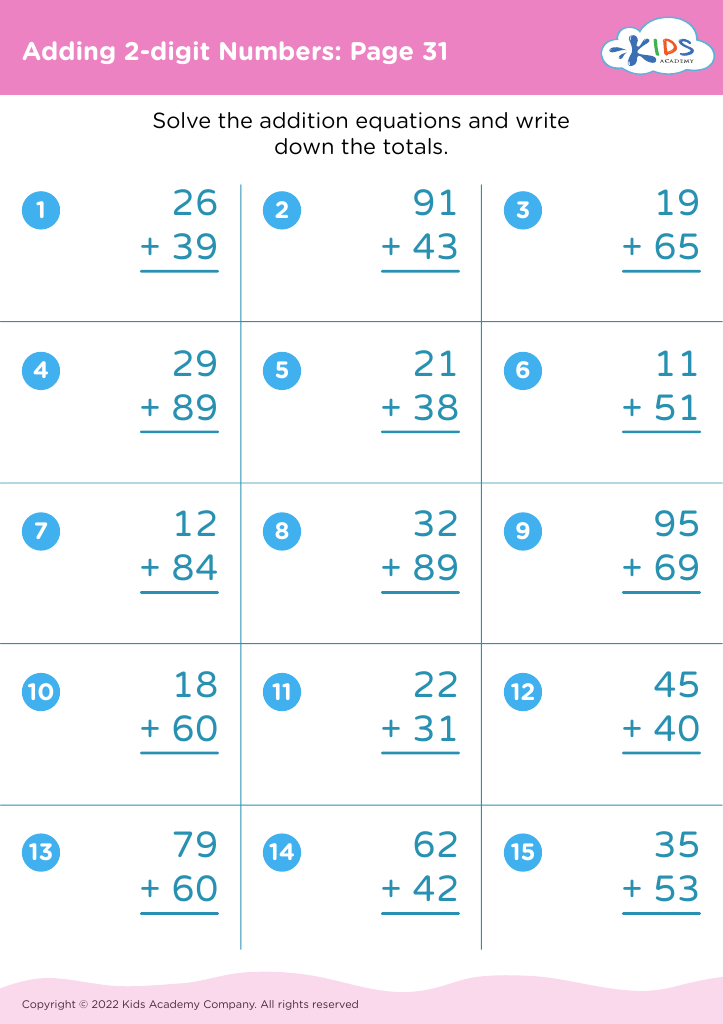
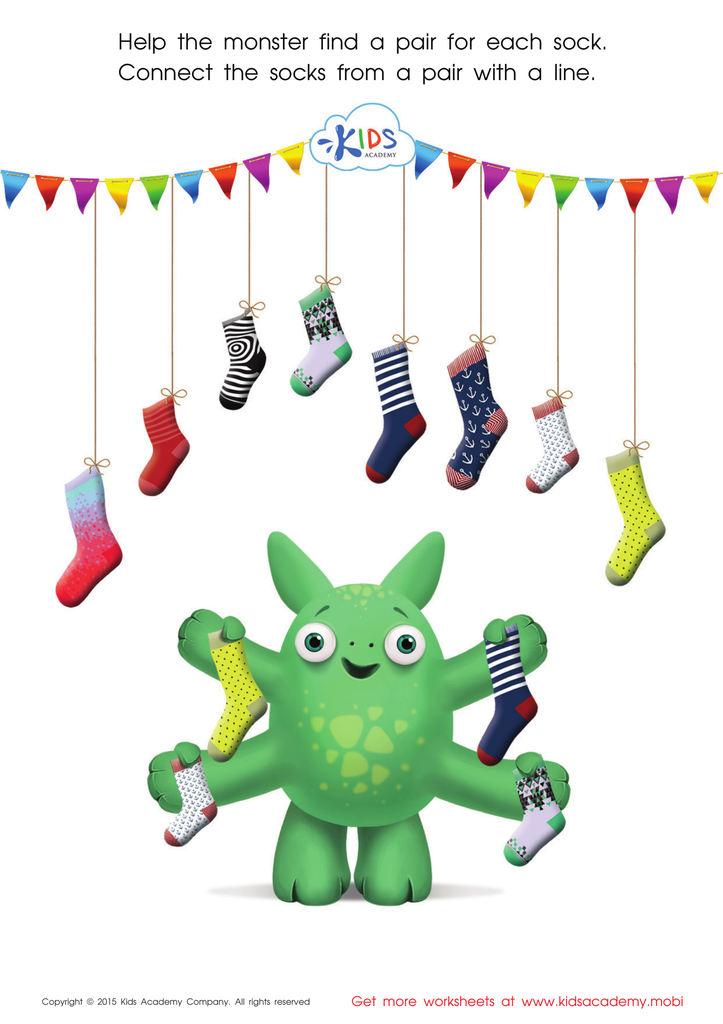
Math Matching Pairs Game: Monsterв's Socks Worksheet








Color differentiation in math for children ages 4-7 plays a crucial role in early cognitive development and learning. At this age, children are forming foundational math concepts, and the use of colors can enhance their engagement and understanding. Colors help young learners distinguish between different objects, shapes, or quantities, making abstract concepts more tangible.
Using colors in math lessons can also aid memory retention. For instance, teaching children to group numbers or shapes by color can create associations that make it easier to recall information. It can encourage cooperative learning, where children can work in groups and discuss their thought processes, fostering communication and social skills.
Moreover, color differentiation caters to various learning styles. Visual learners, in particular, benefit significantly from color-coded materials, as vibrant visuals can spark interest and creativity. It also allows for hands-on learning experiences, which are essential at this developmental stage, making tasks less intimidating and more enjoyable.
Parents and teachers should prioritize color differentiation because it simplifies complex ideas, motivates children, and promotes a positive attitude towards mathematics. By incorporating color into math lessons, adults can create a rich and supportive learning environment that nurtures early math skills.








