Compare fractions Math Worksheets for Ages 4-7
5 filtered results
-
From - To
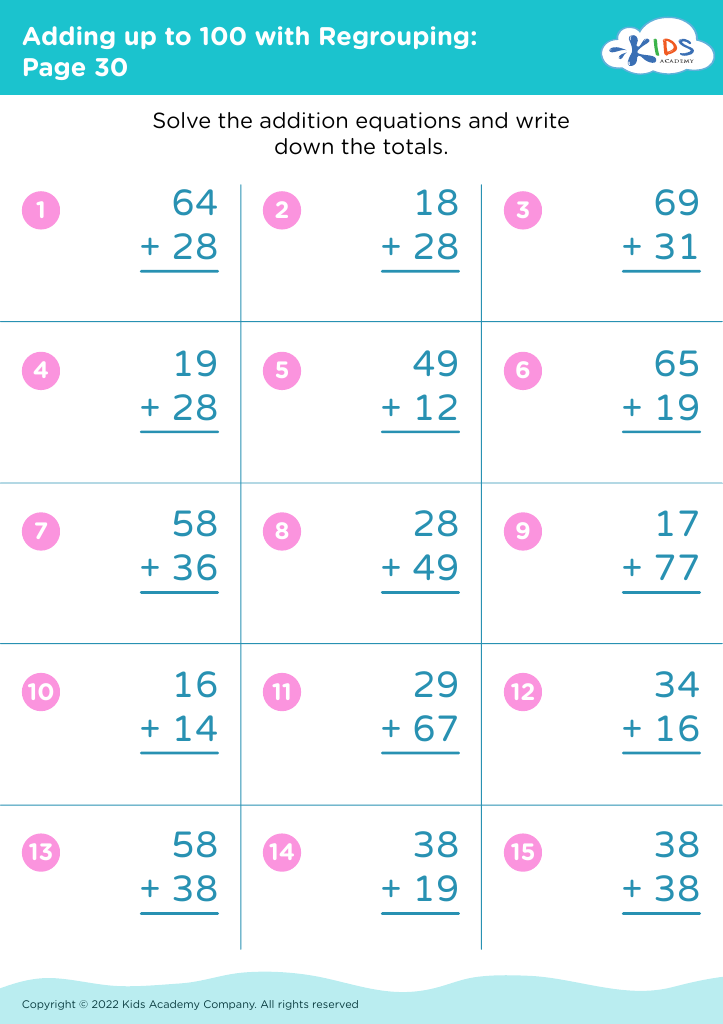
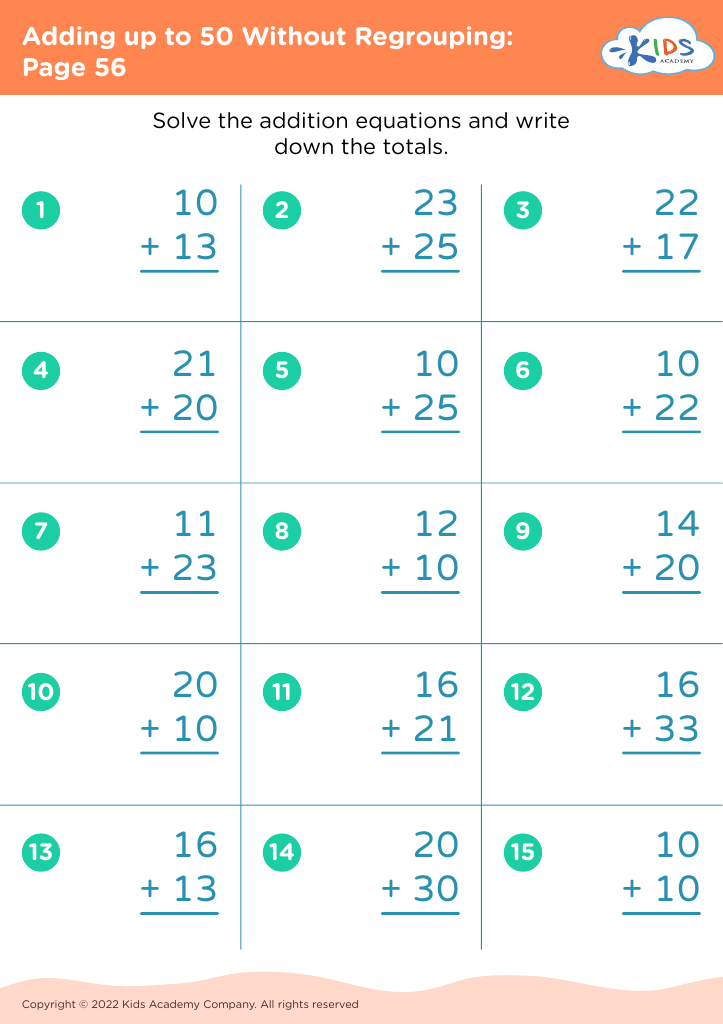
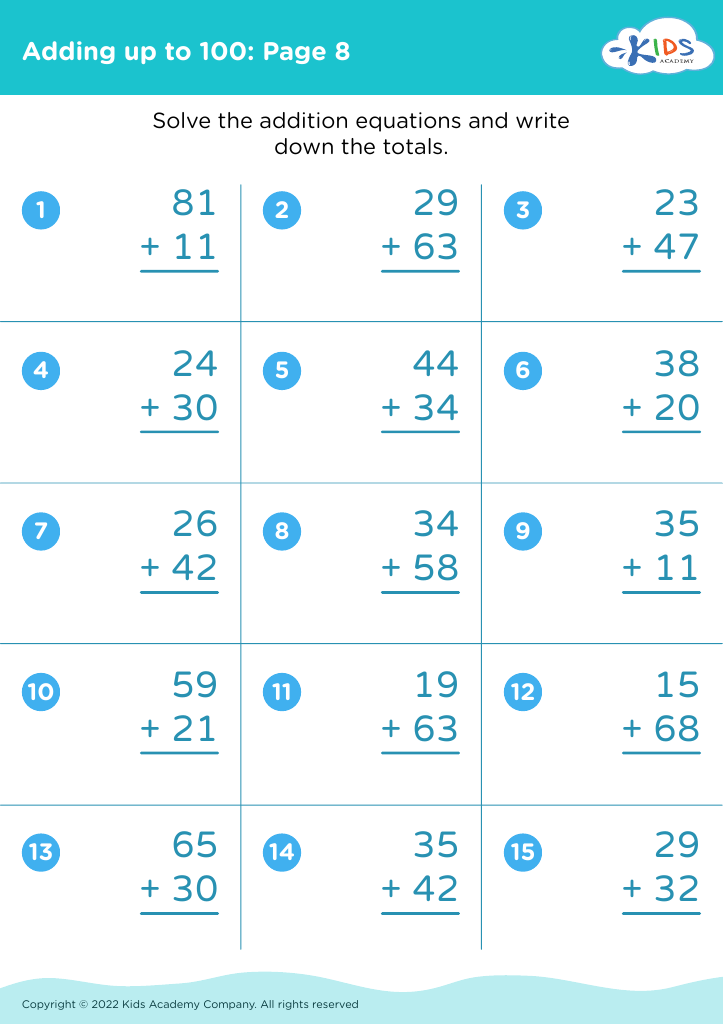
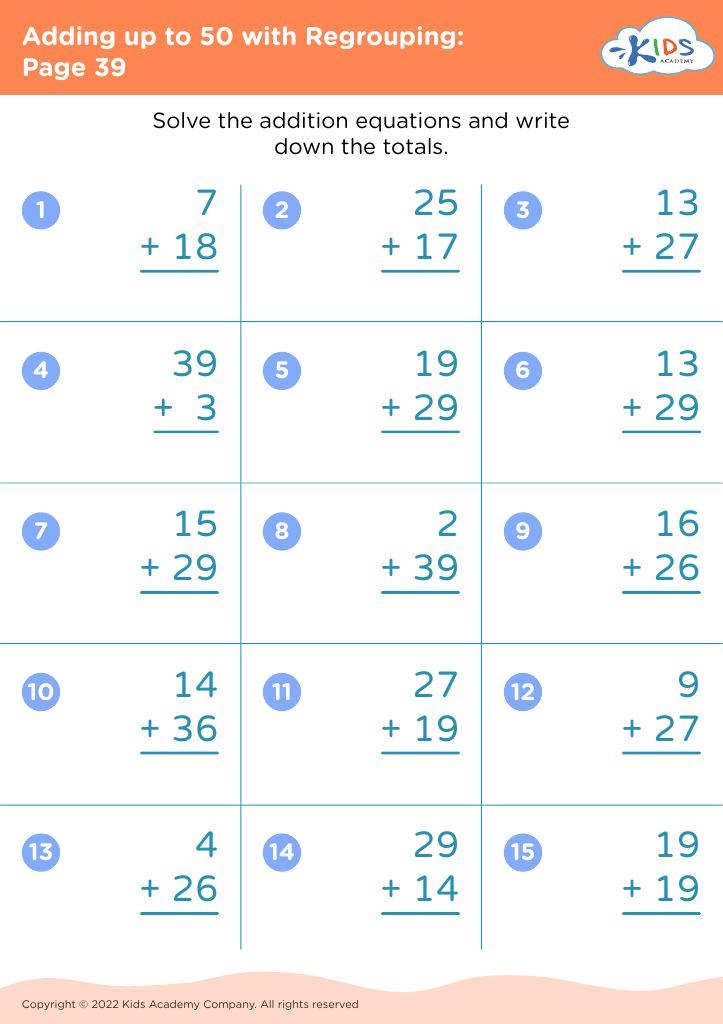
Explore our engaging "Compare Fractions Math Worksheets" designed specifically for children aged 4-7! These worksheets make learning about fractions fun and interactive. Each activity helps young learners develop critical skills in comparing fractions using visual aids, such as pictures and number lines. With a variety of exercises, kids will build their confidence and enhance their understanding of fractions in a playful way. Perfect for classrooms or at-home learning, our worksheets cater to diverse learning styles and promote early math skills. Visit our site to access a wealth of resources tailored to keep kids excited about learning fractions!







Understanding how to compare fractions is an essential skill for young learners, especially those aged 4-7. This foundational concept helps children make sense of the world around them, as fractions are prevalent in daily life—think pizza slices, shareable treats, and even portions of their favorite games. By learning to compare fractions early on, children can develop critical thinking skills and boost their confidence in math.
For parents and teachers, fostering an understanding of fractional concepts encourages a growth mindset in children. When children grasp that some fractions represent larger parts of a whole than others, they engage in problem-solving and reasoning that lays the groundwork for more advanced math topics. Moreover, this early exposure to fractions enhances their number sense—the ability to understand and manipulate numbers, which is crucial for further mathematical development.
Furthermore, engaging with fractions can be fun and interactive, using everyday experiences to make learning enjoyable. When parents and teachers prioritize this subject, they're not just teaching math; they're helping children learn important life skills such as sharing, measuring, and making comparisons, ultimately setting them up for future academic success and effective decision-making in various aspects of life.








