Comprehension skills Math Worksheets for Ages 4-7
3 filtered results
-
From - To
Enhance your child's understanding of math concepts with our engaging Comprehension Skills Math Worksheets designed for ages 4-7. These worksheets promote critical thinking and problem-solving abilities by integrating fun activities that challenge young learners. Our resources cover a variety of math topics, including counting, addition, and subtraction, all tailored to be age-appropriate and enjoyable. Each worksheet encourages children to read and follow instructions carefully, fostering both math skills and reading comprehension. Whether for home practice or classroom use, these worksheets provide a stimulating way for children to develop essential skills that lay the foundation for future academic success.
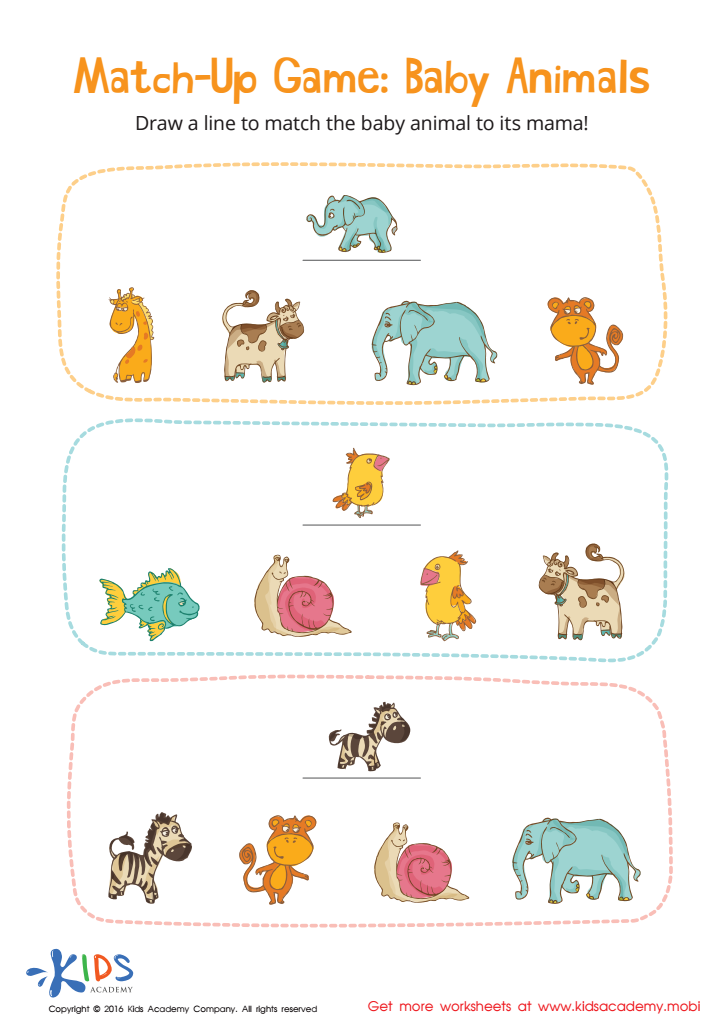
Baby Animals Match-Up Worksheet
 Assign to My Students
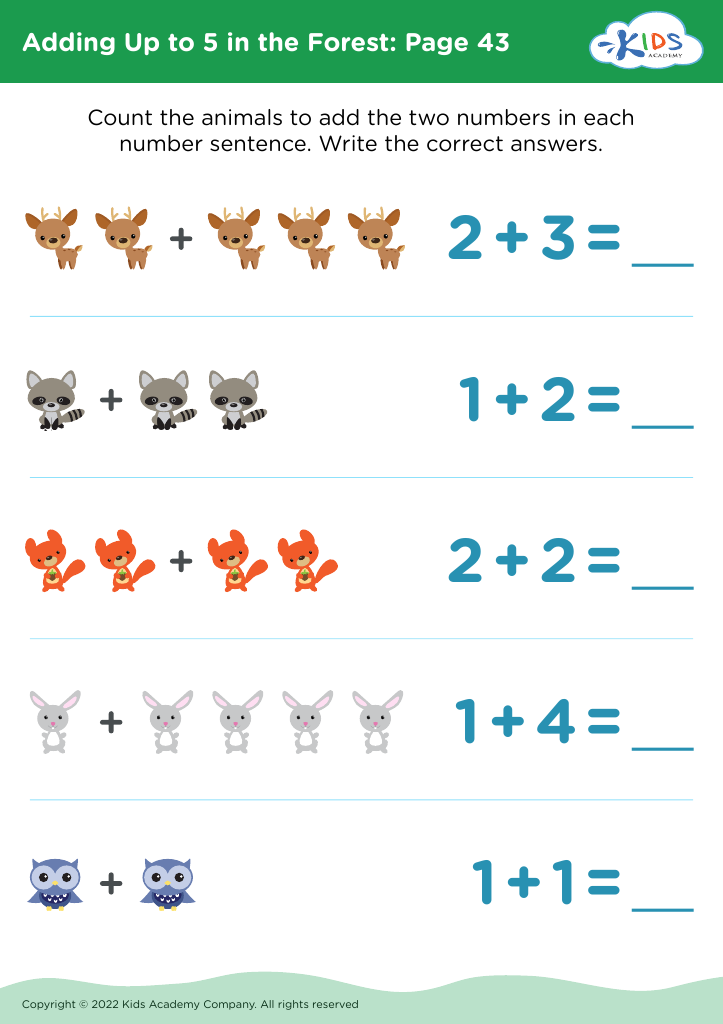
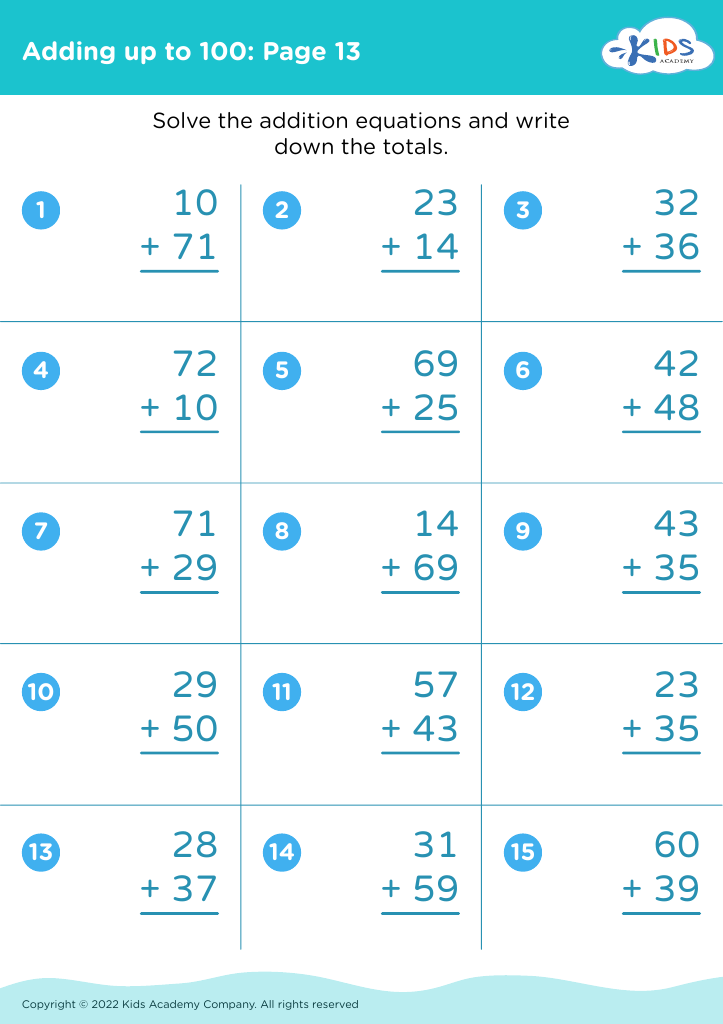



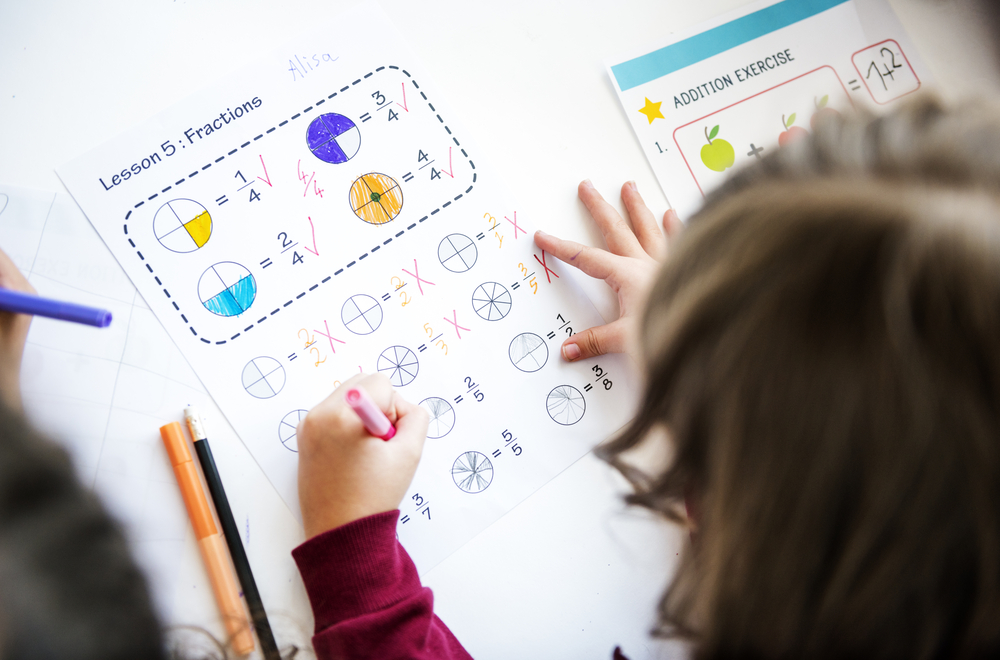




Comprehension skills in math for children aged 4 to 7 are crucial for laying a solid foundation for future learning. At this age, kids are rapidly developing cognitive abilities, and math comprehension skills help them make sense of numerical concepts and relationships. When parents and teachers focus on these skills, they encourage children to understand not just "what" to do but "why" it works, promoting critical thinking and problem-solving.
A strong grasp of math comprehension supports children in recognizing patterns, understanding quantities, and making connections between numbers and real-world situations. These skills will not only enhance their mathematical abilities but also improve their confidence and enthusiasm for learning.
Furthermore, early comprehension skills correlate with later academic success, influencing performance in more complex mathematics as they progress in school. Engaging children in interactive and supportive learning environments—through games, storytelling, or hands-on activities—can enrich their understanding and retention. By investing in their comprehension skills now, parents and teachers can ensure that children develop resilience and a love for math that will benefit them throughout their educational journeys and beyond.








