Counting practice Math Worksheets for Ages 4-7 - Page 5
358 filtered results
-
From - To
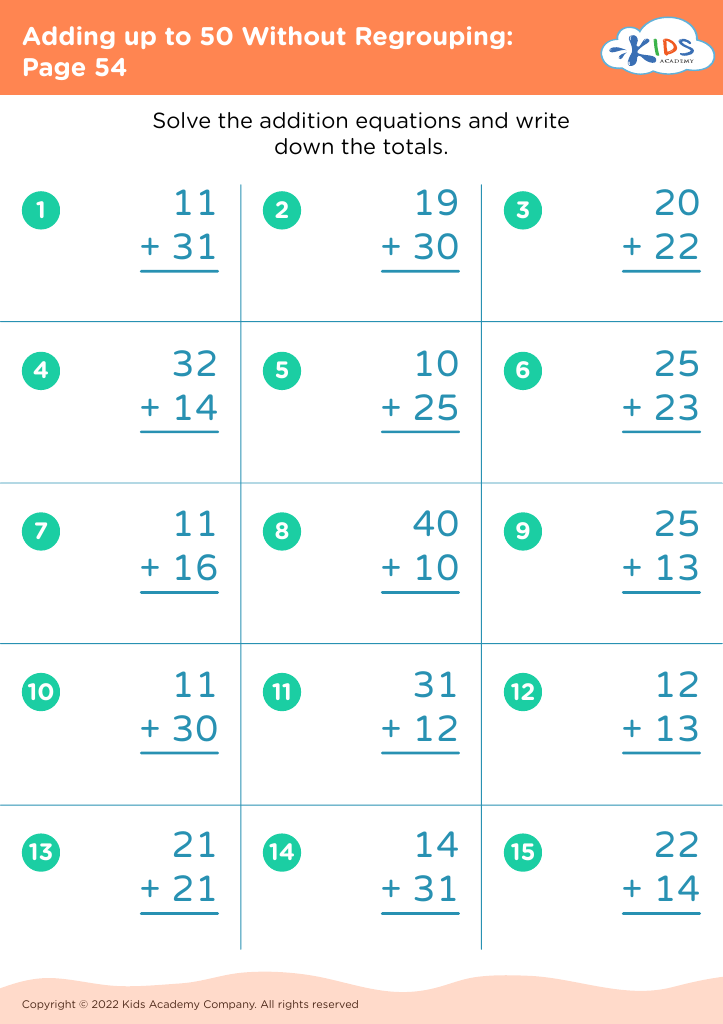
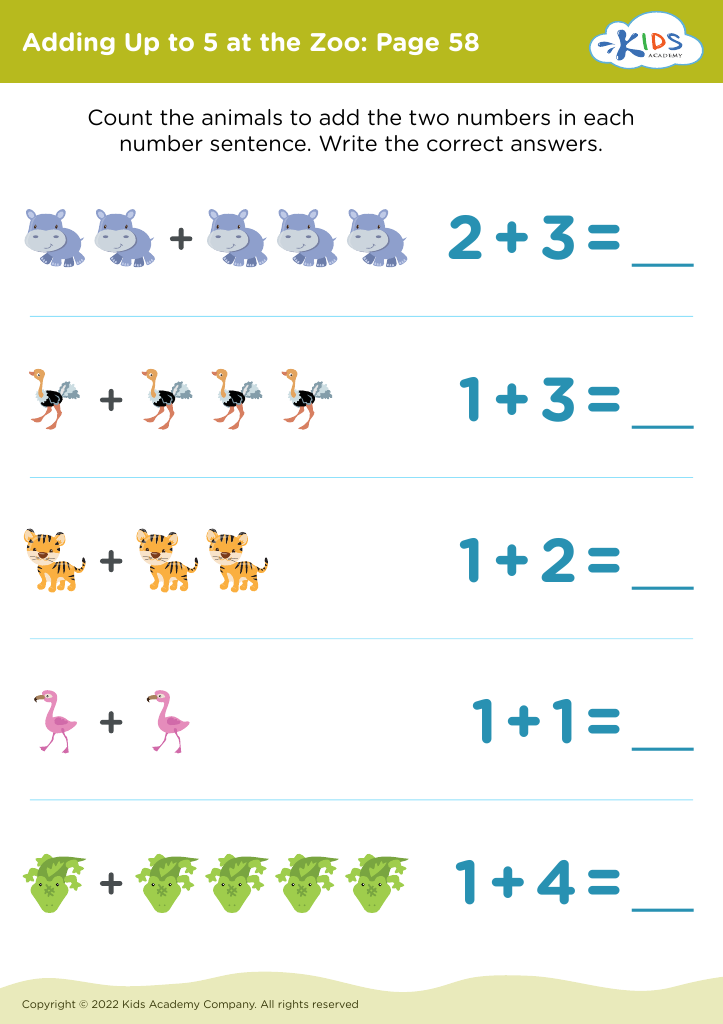
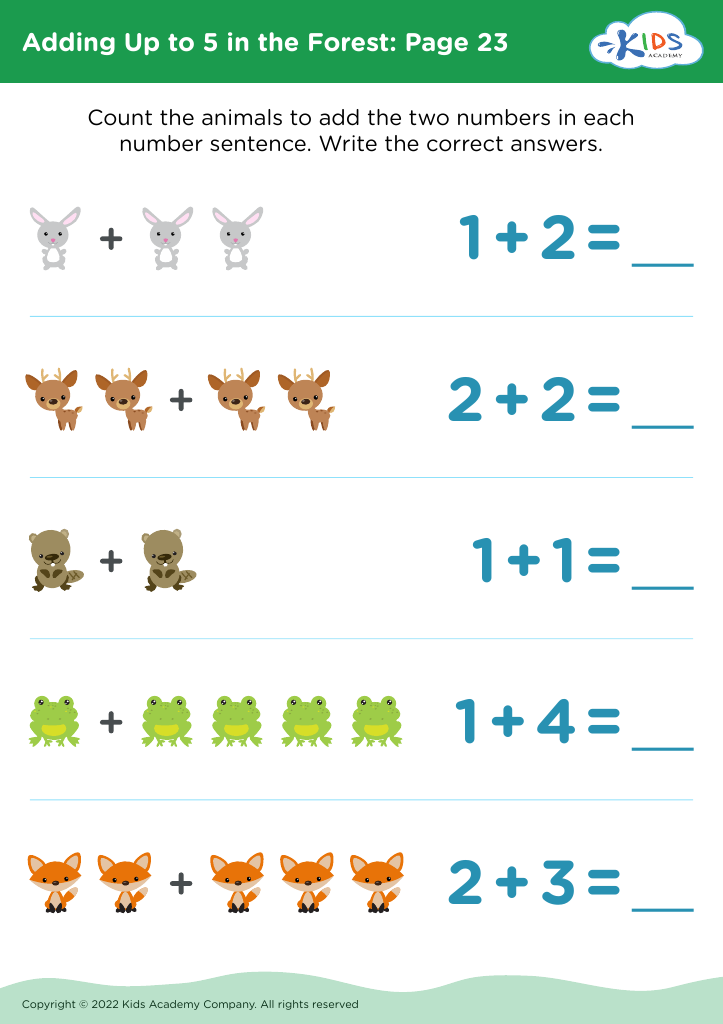
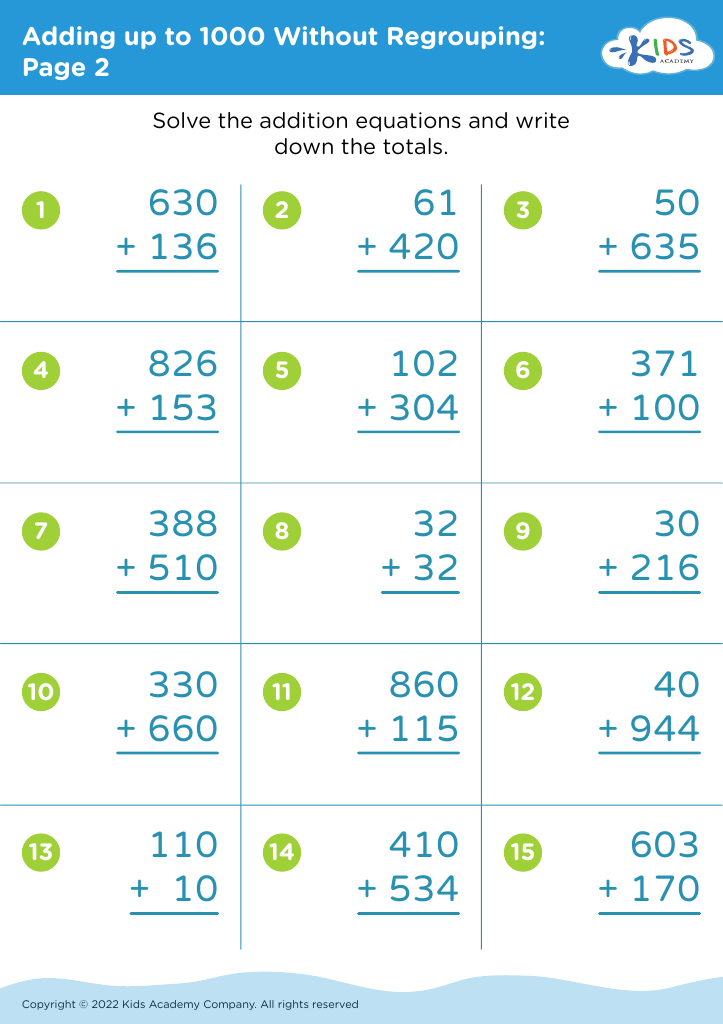
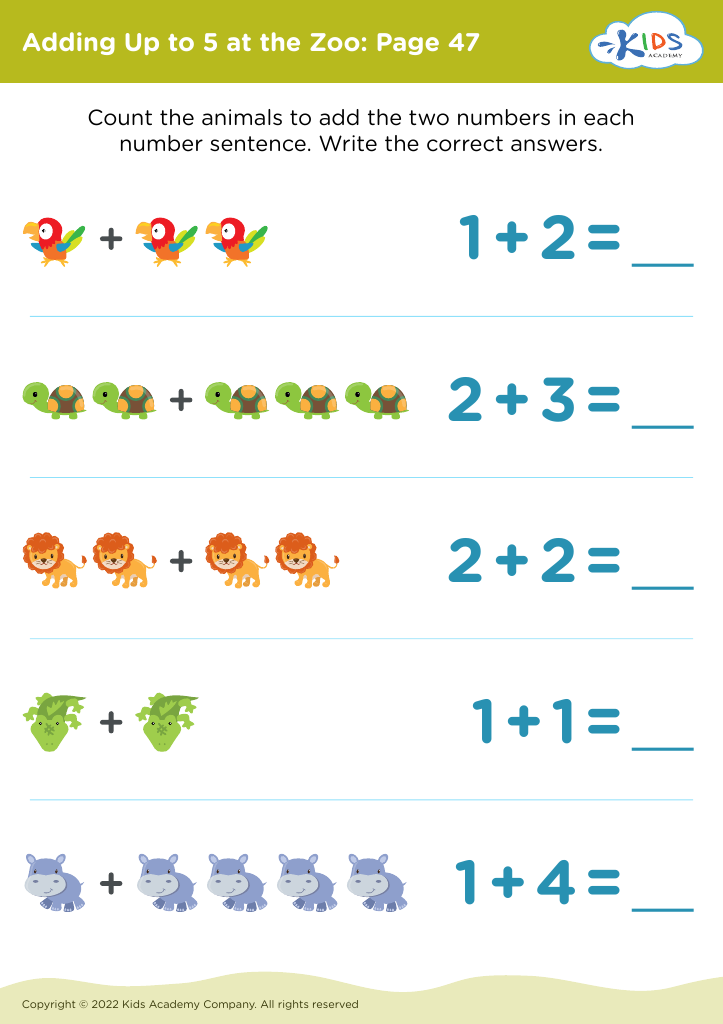
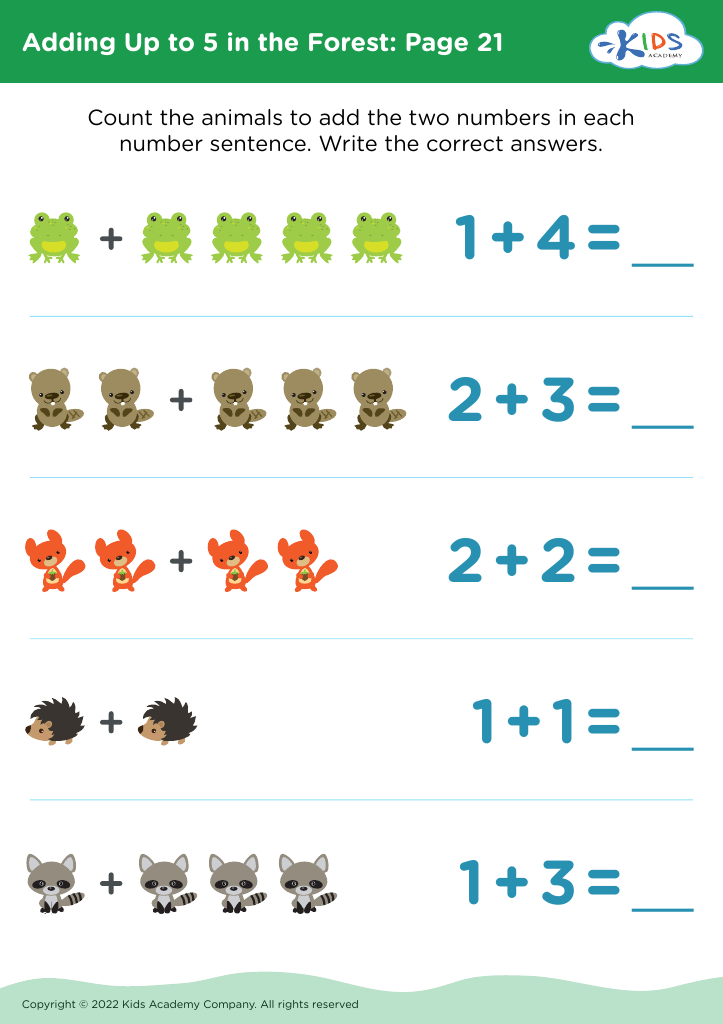
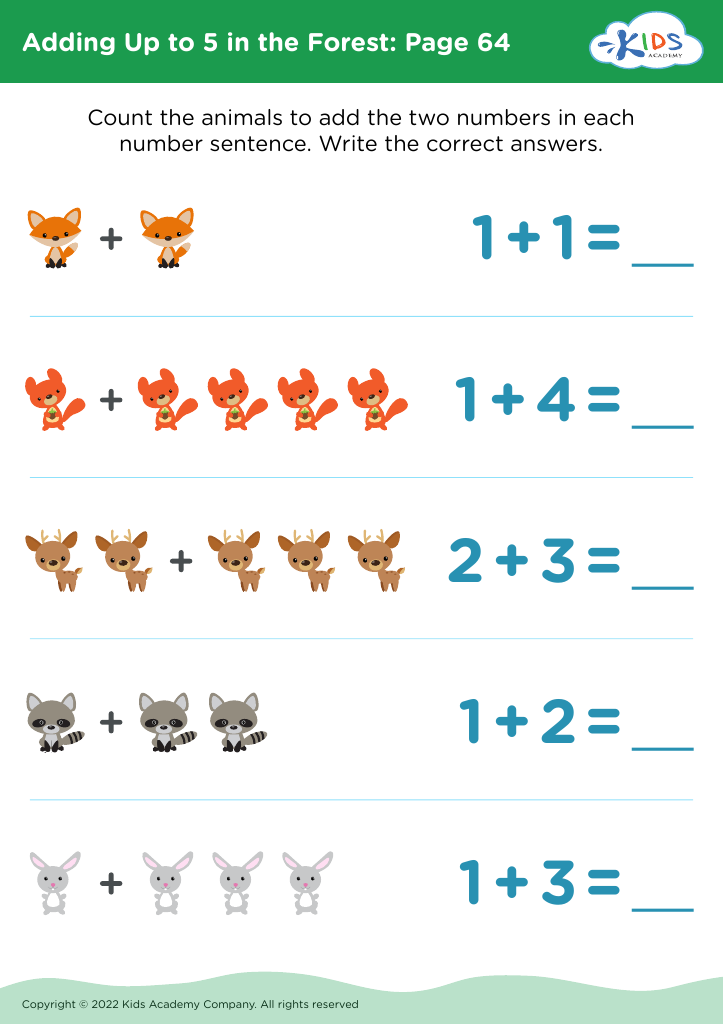
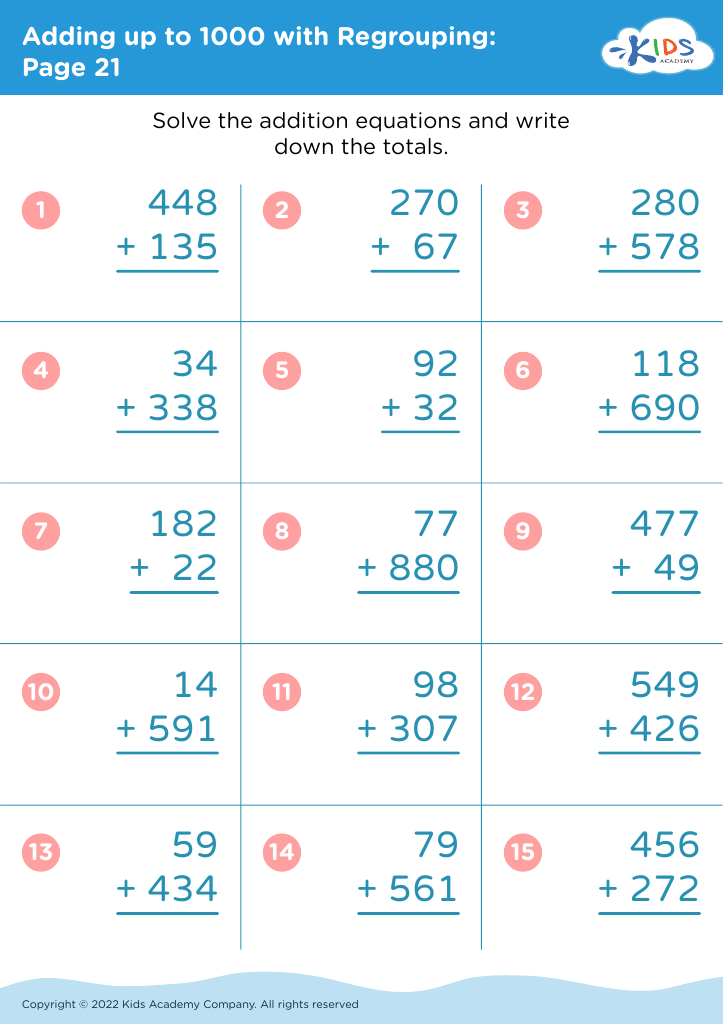
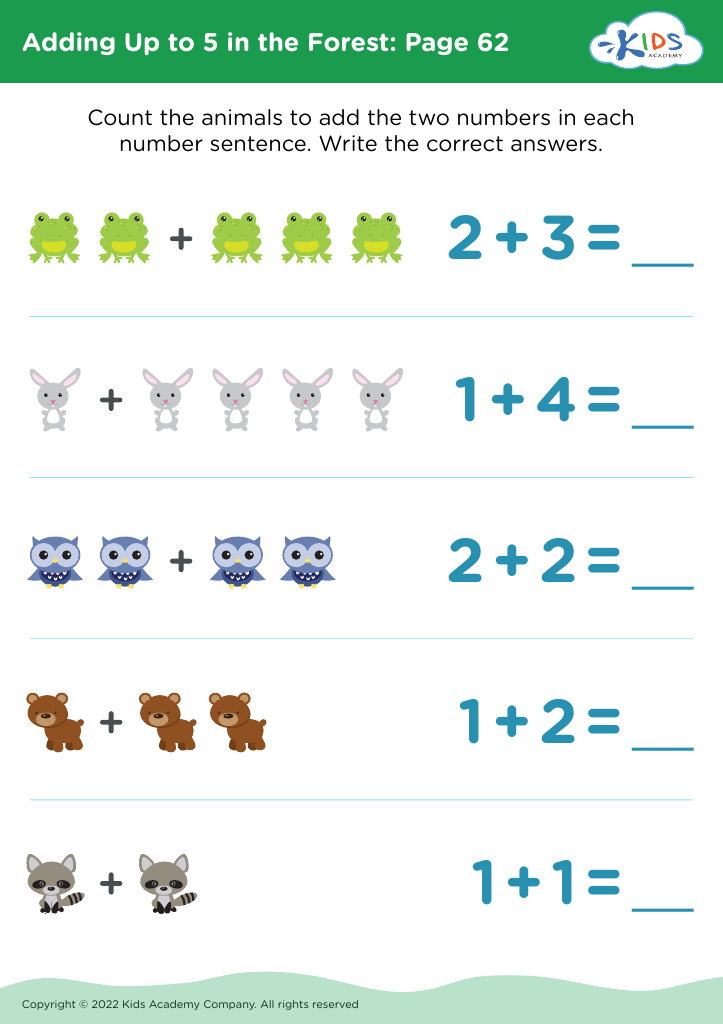
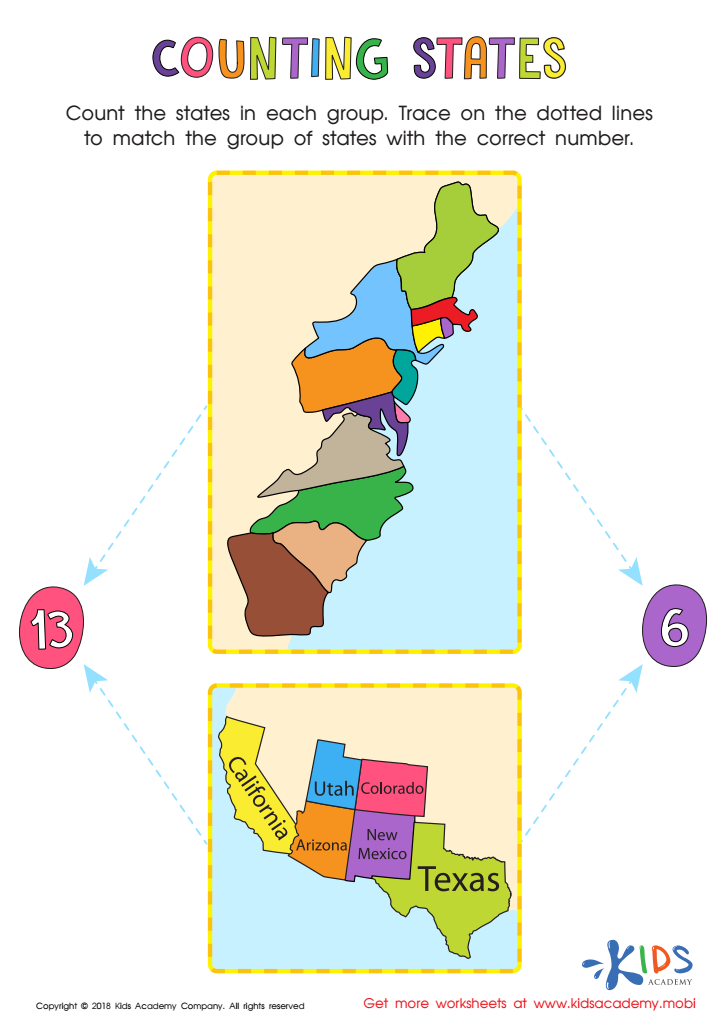
Counting States Worksheet
 Assign to My Students
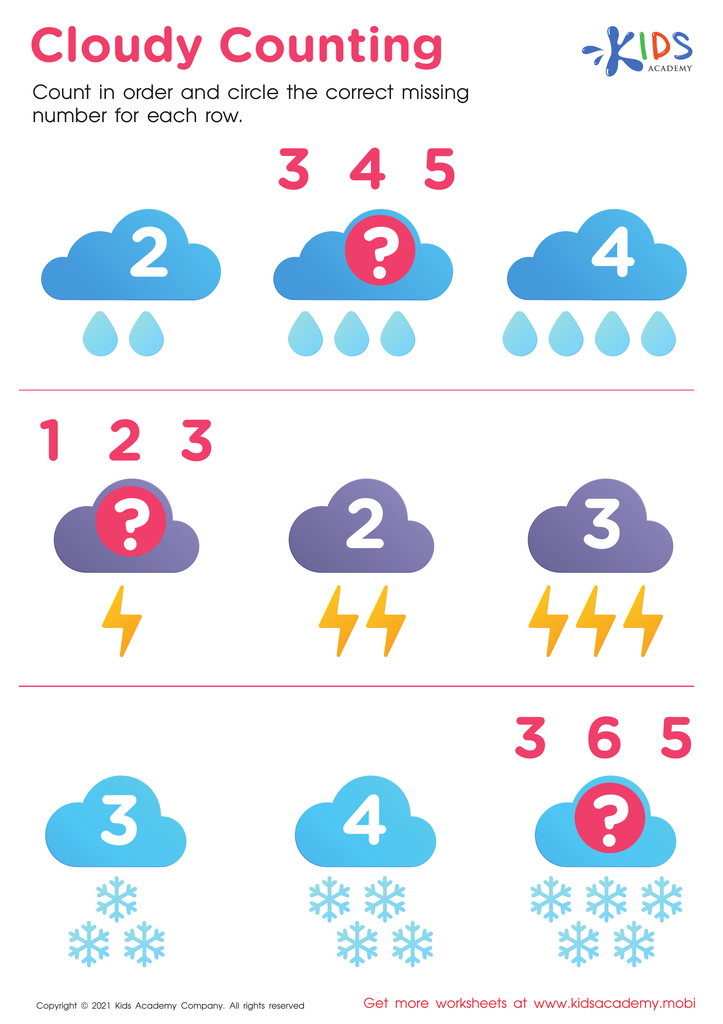
Cloudy Counting Worksheet
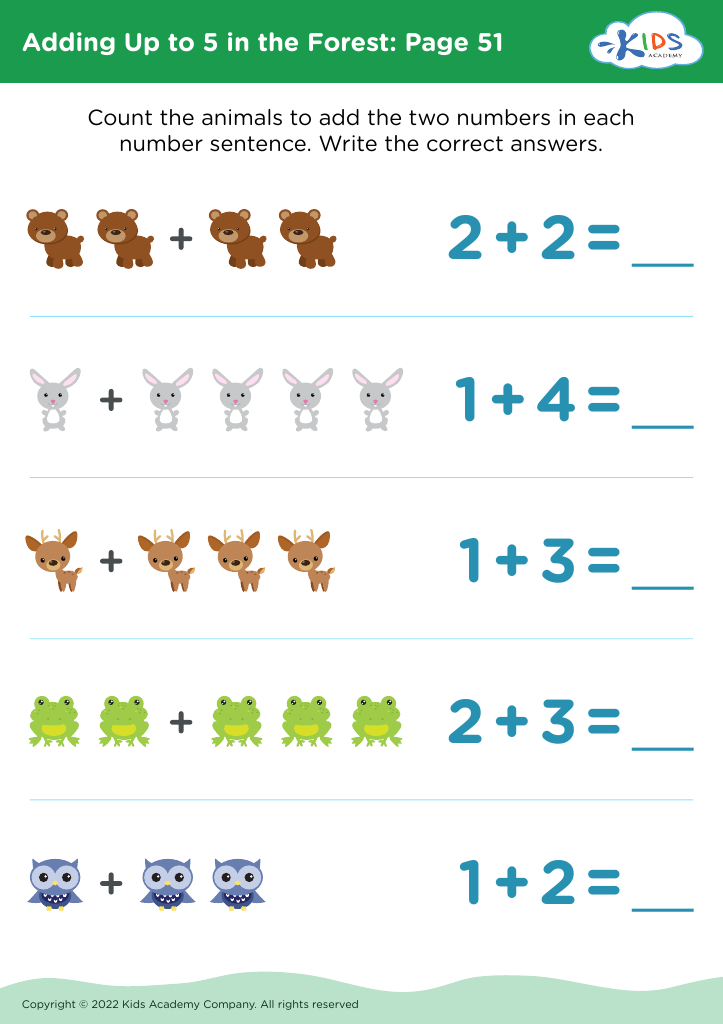
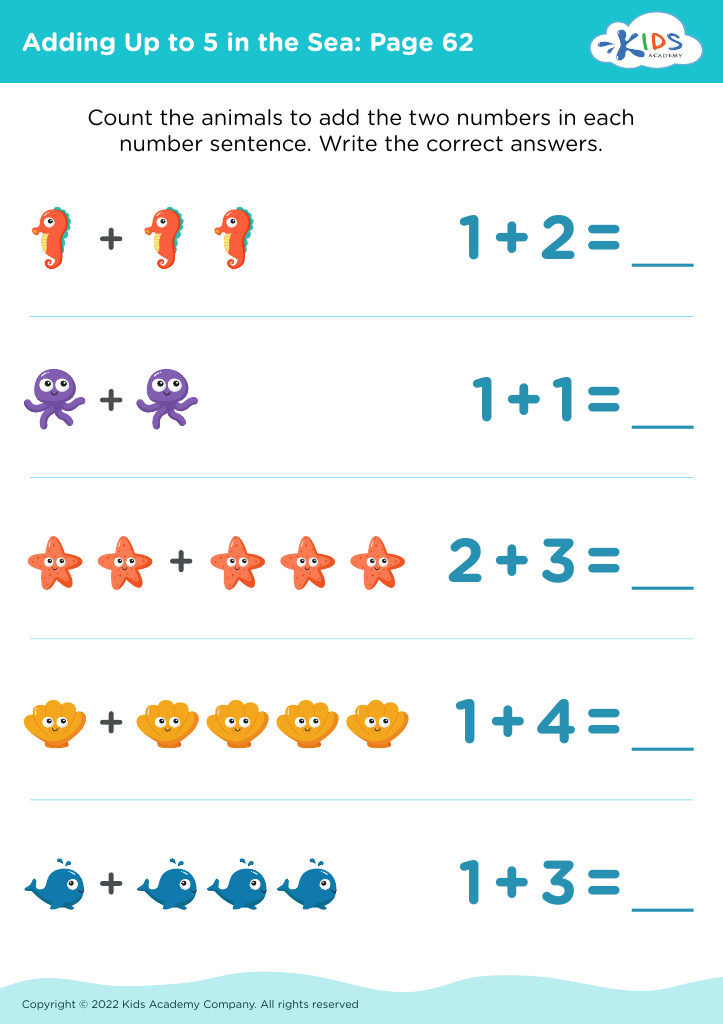
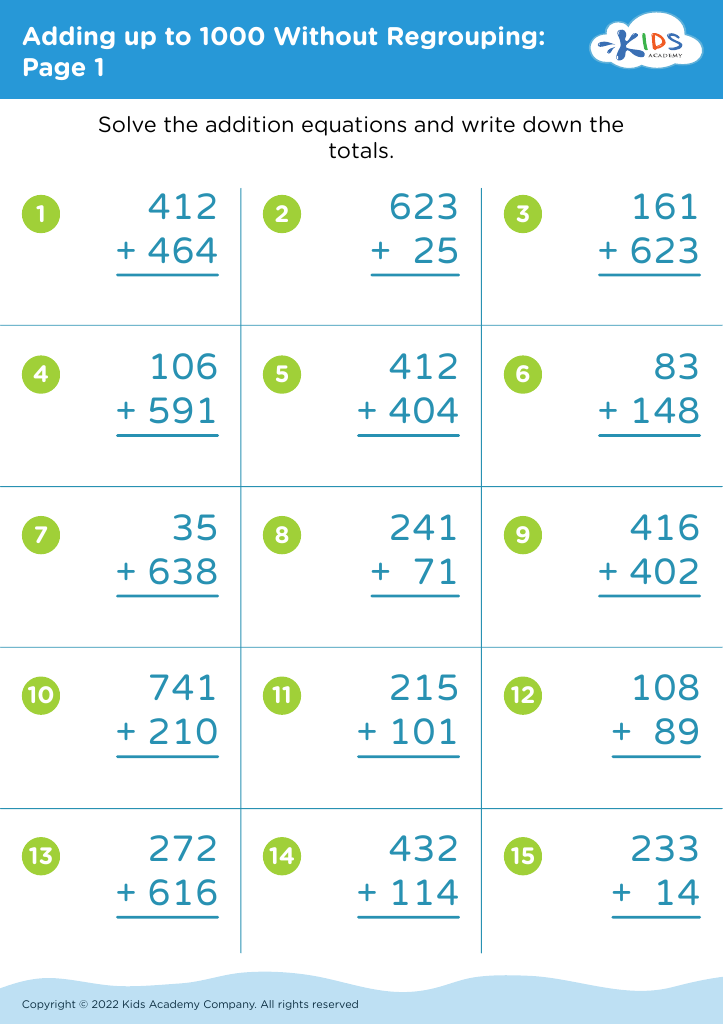
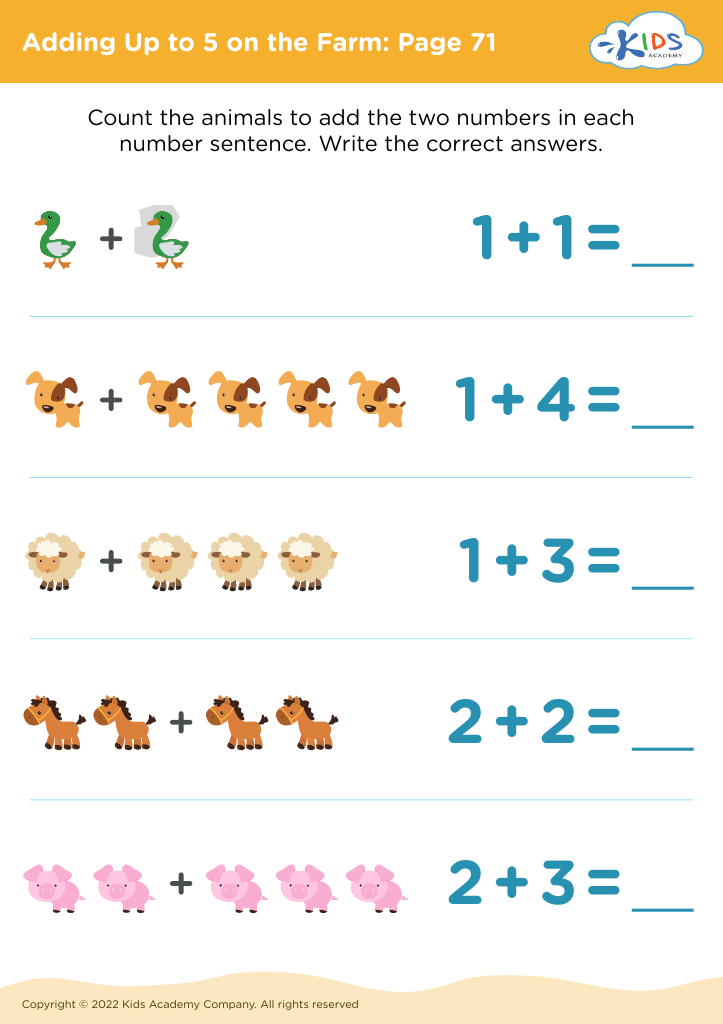
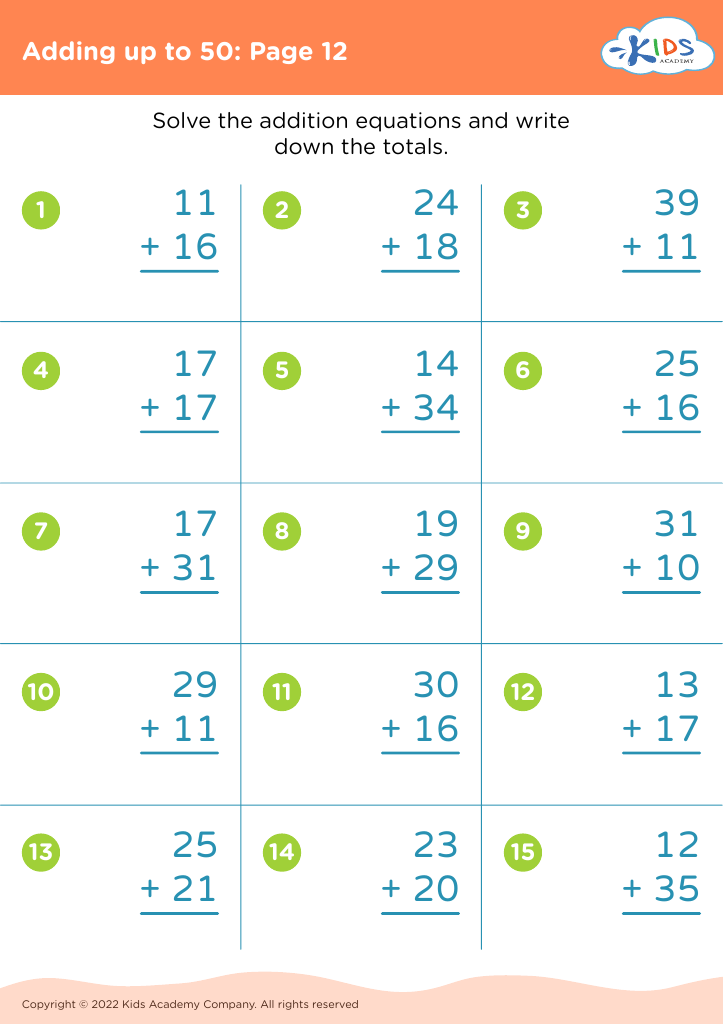
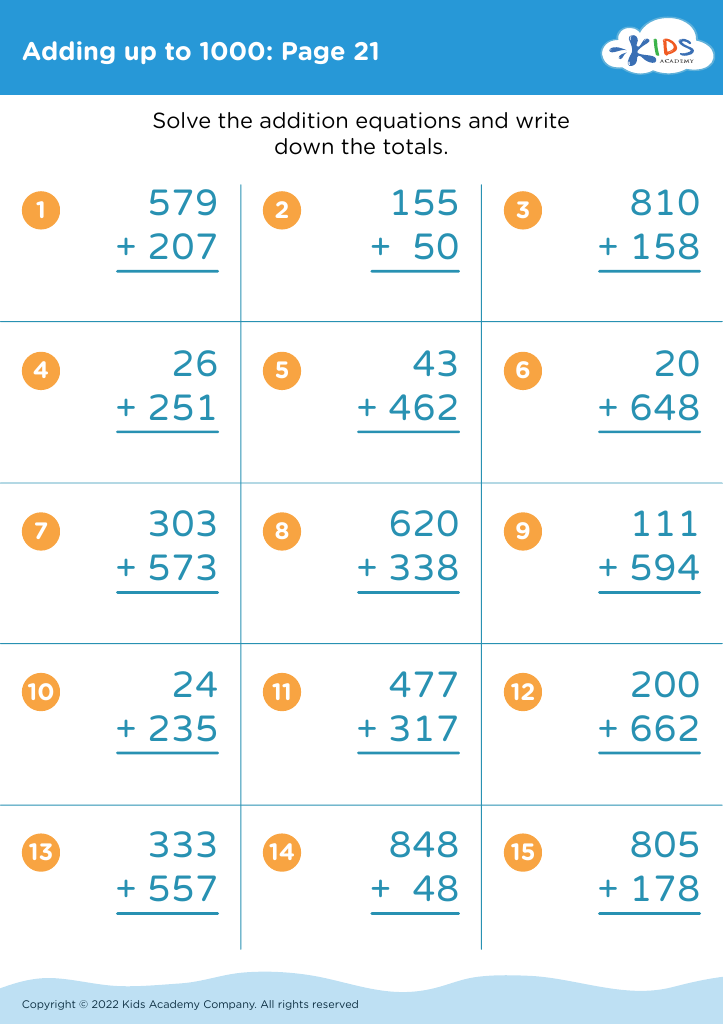
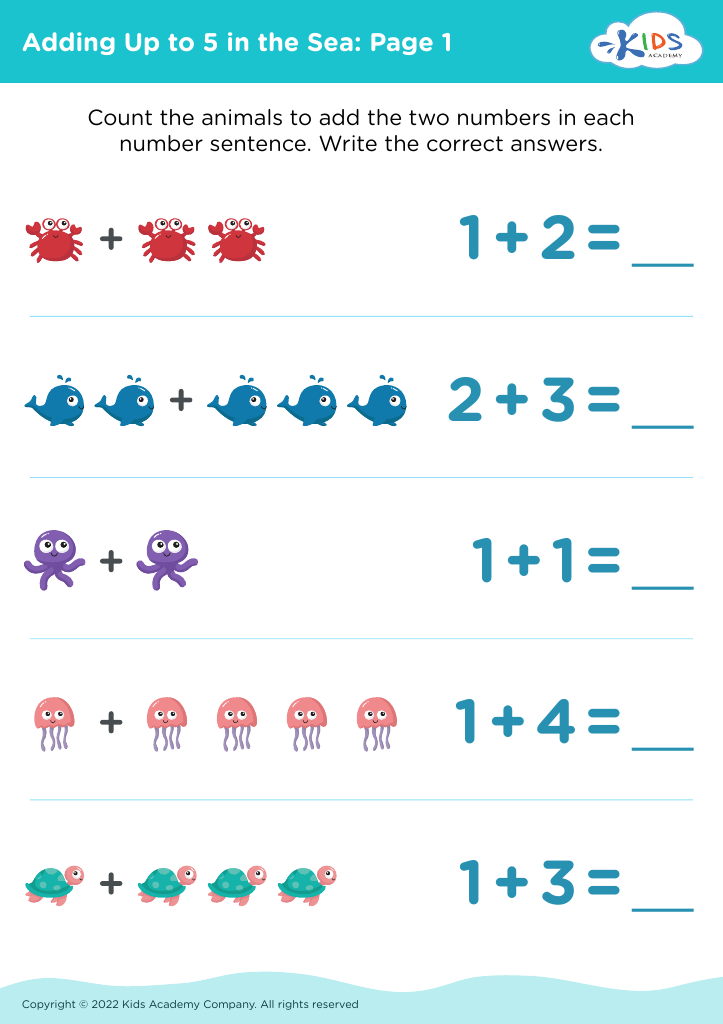
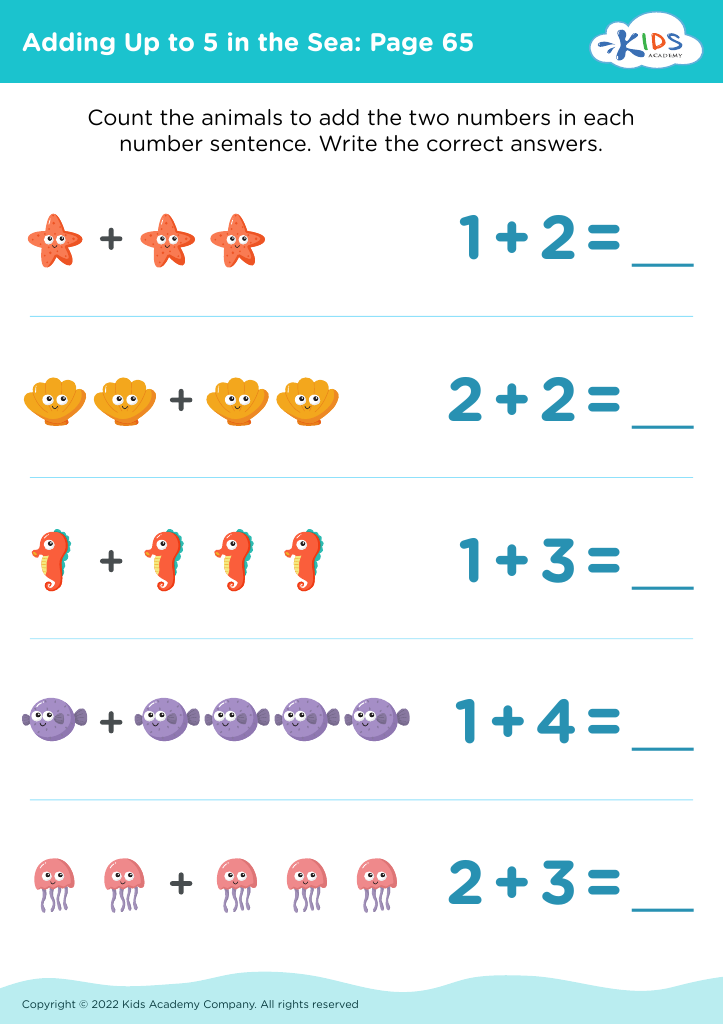
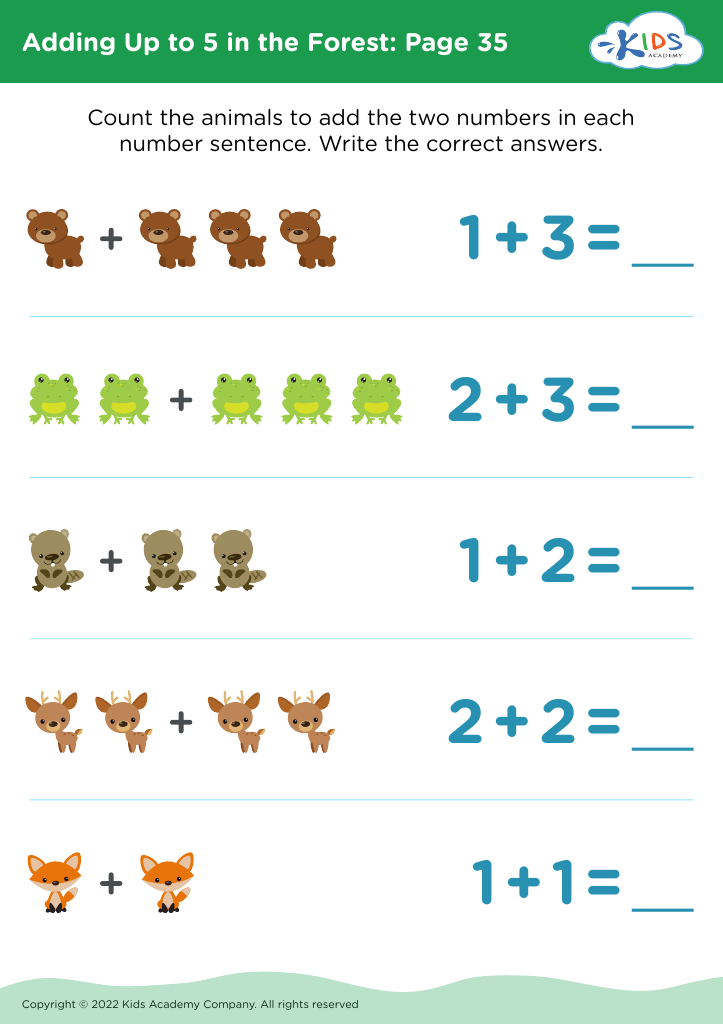
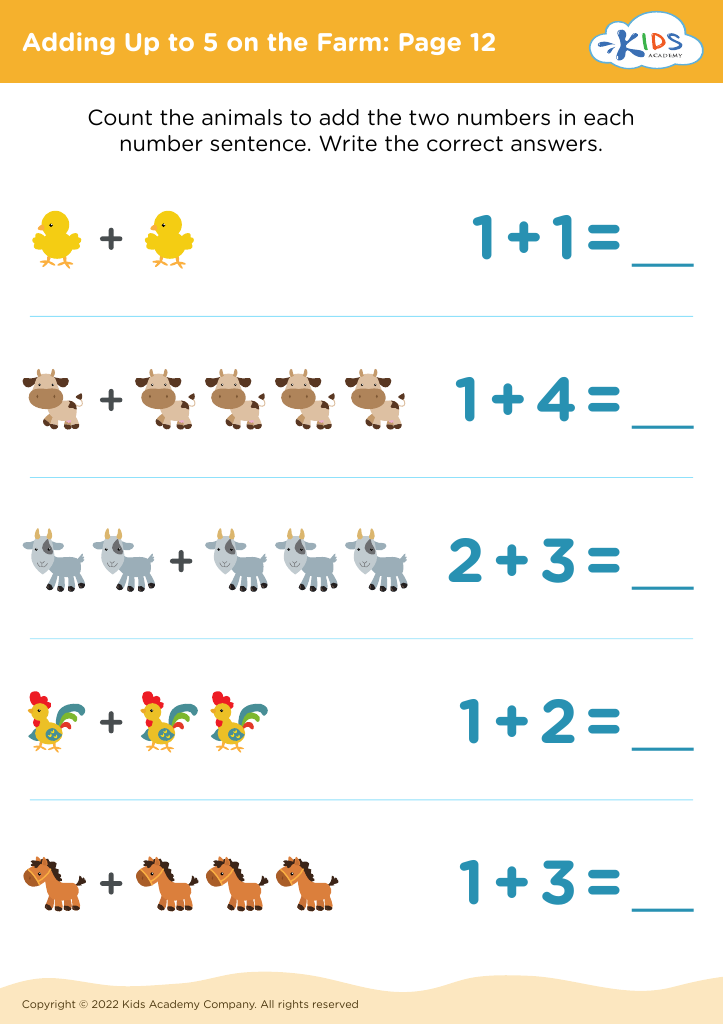
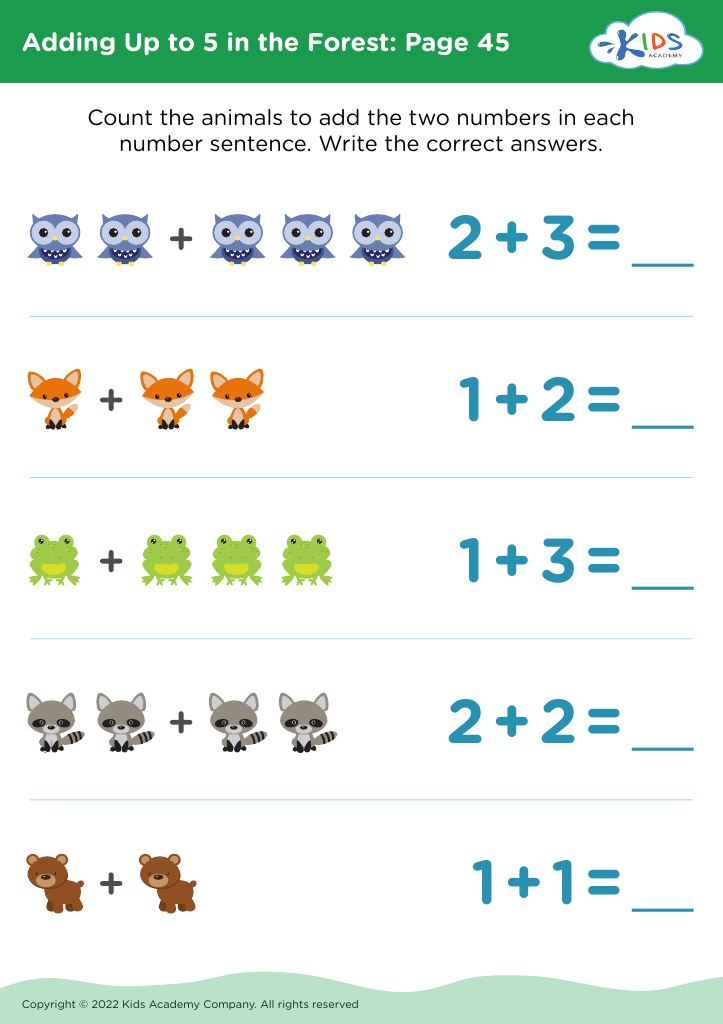
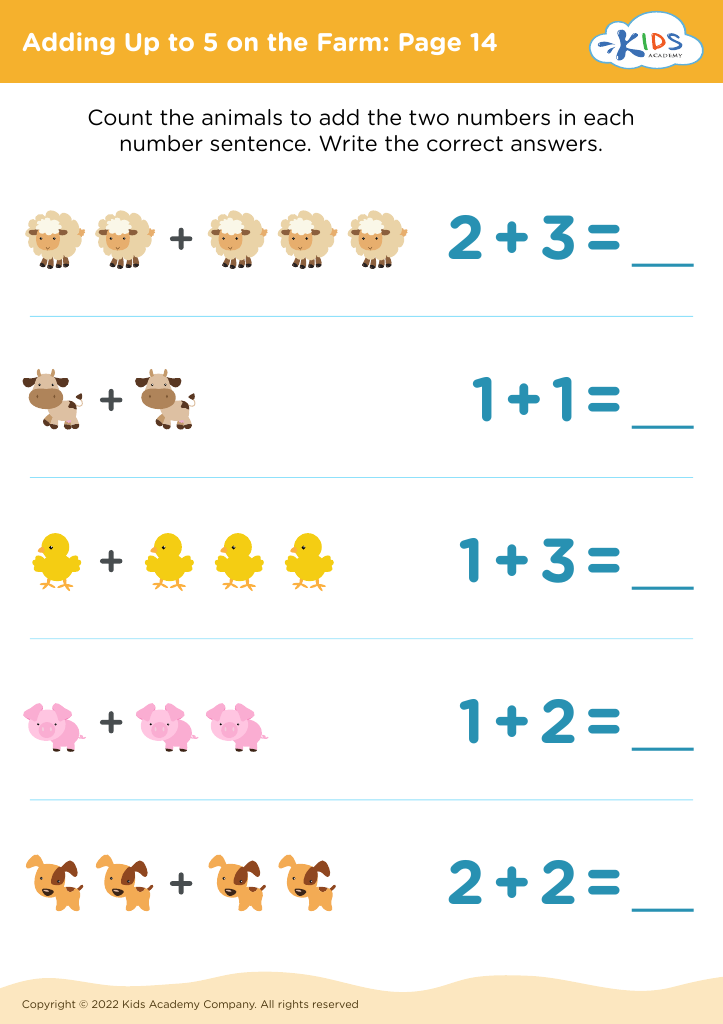
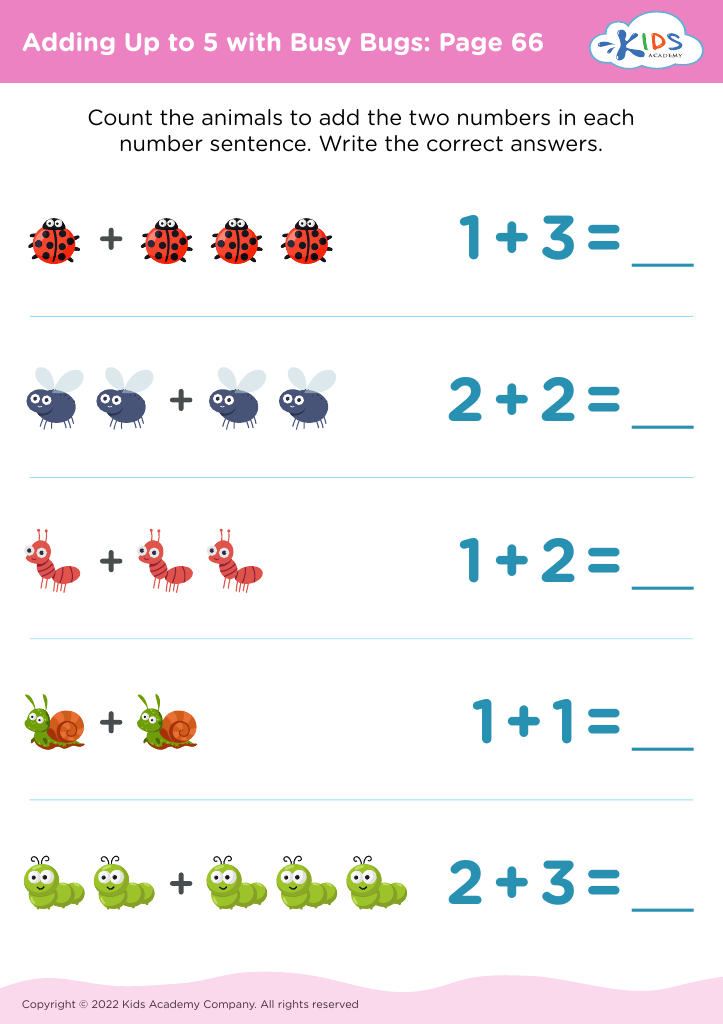








Counting practice is a fundamental aspect of early childhood education, particularly for children aged 4-7, as it builds the foundation for all future mathematical learning. Parents and teachers should prioritize this practice because it enhances number sense, the ability to recognize, relate, and manipulate numbers. Proficiency in counting helps children understand basic concepts such as more or less, sequencing, and basic arithmetic, which are crucial for more advanced math topics.
Early counting practice also develops cognitive skills including memory, attention, and logical reasoning. When children engage in activities like counting objects, they learn to focus, follow sequences, and process information in an organized manner.
Moreover, counting practice encourages children to develop problem-solving skills. Teaching kids how to count objects, for example, also teaches them how to approach and solve small problems, making them more adept at handling bigger challenges in the future.
Socially and emotionally, being competent in counting can boost a child's confidence. Mastery of this fundamental skill often leads to early academic success, which can foster a love for learning and set a positive trajectory for a child's educational journey.
In summary, counting practice is not just about numbers but is integral in nurturing well-rounded cognitive and emotional development for young learners. It's an investment in a child’s future, ensuring they have the skills needed for academic success and practical everyday tasks.








